










Product Details
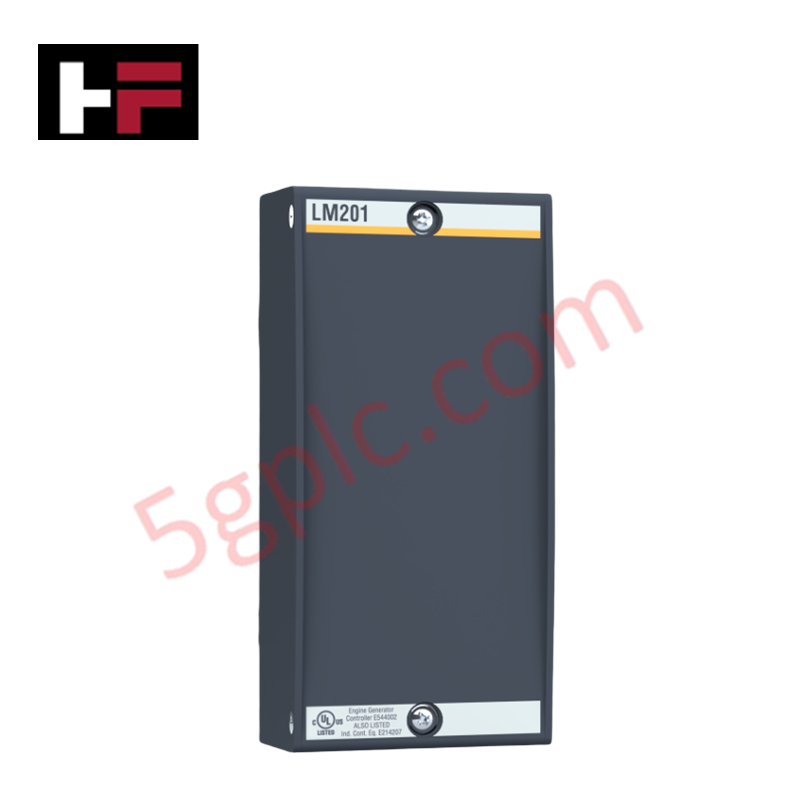
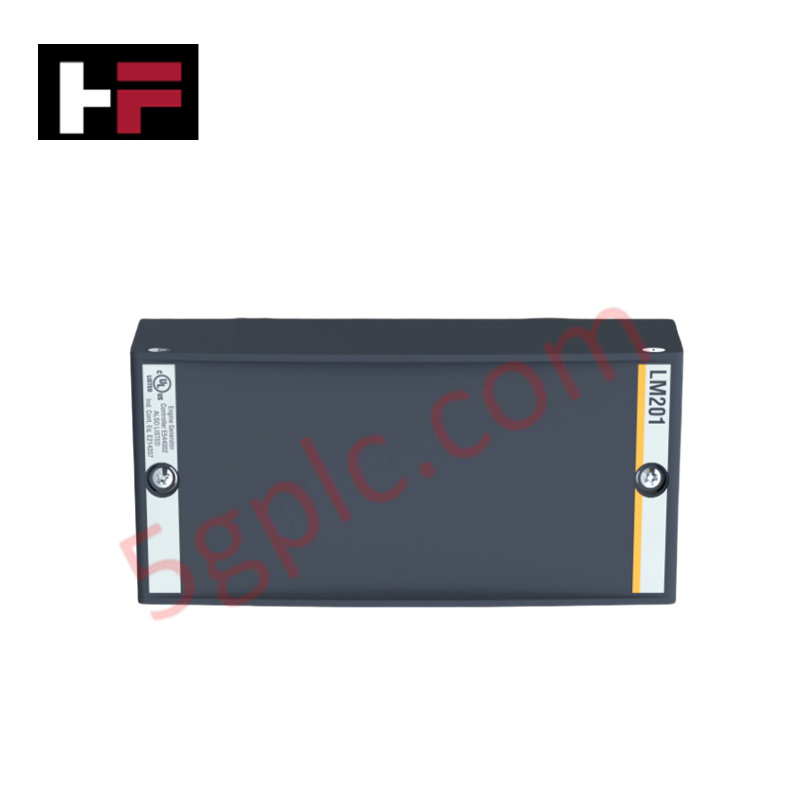
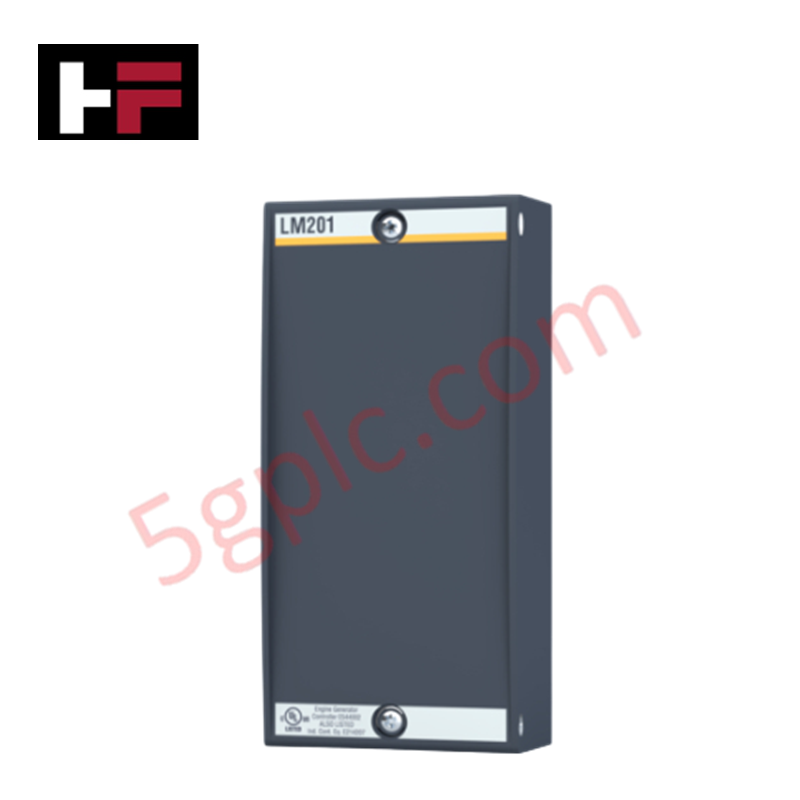
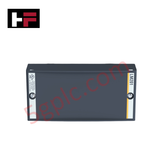
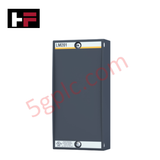
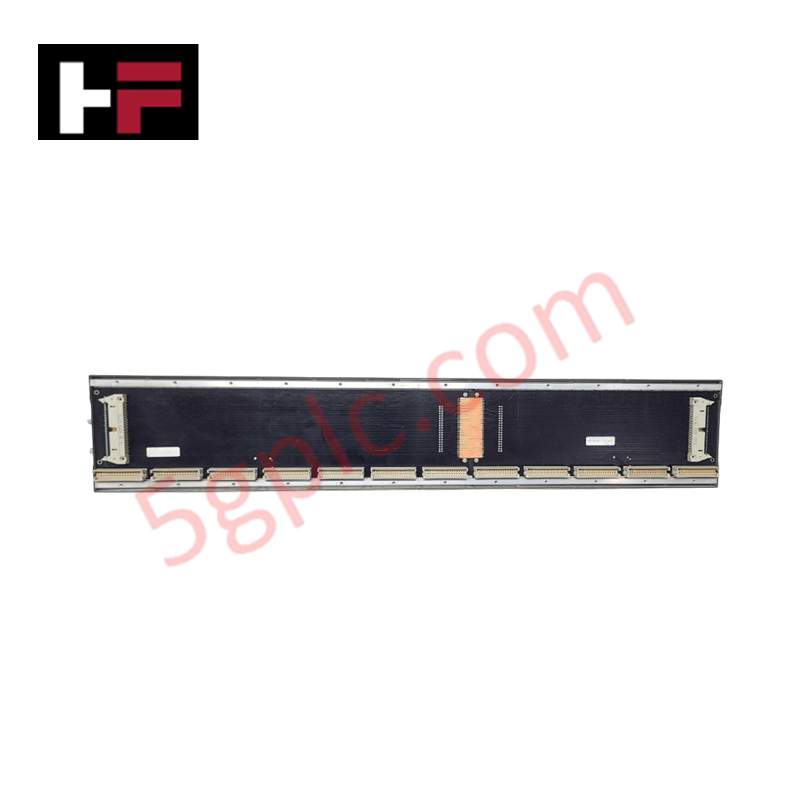
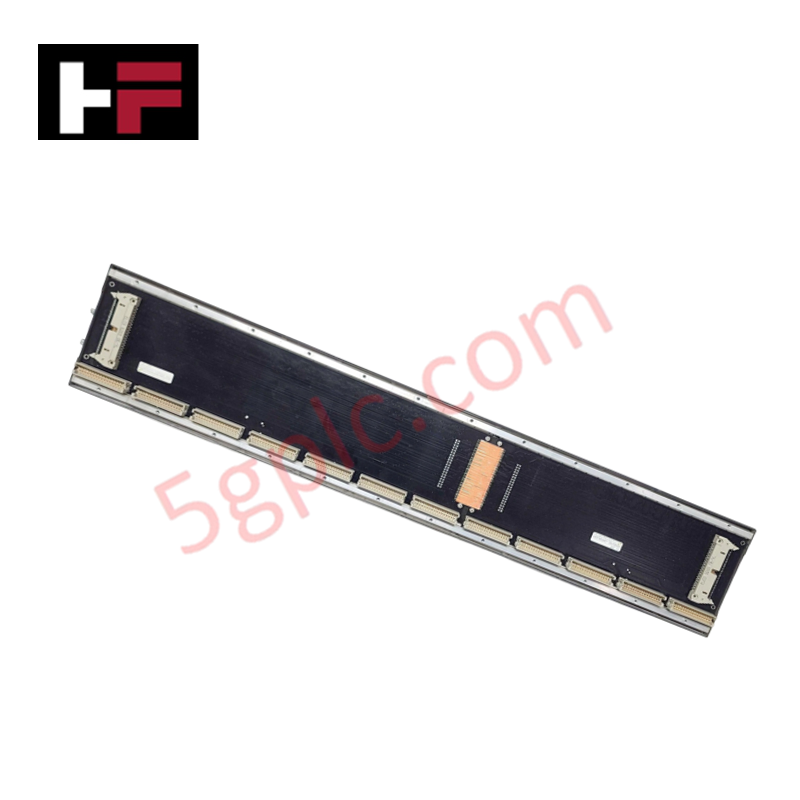
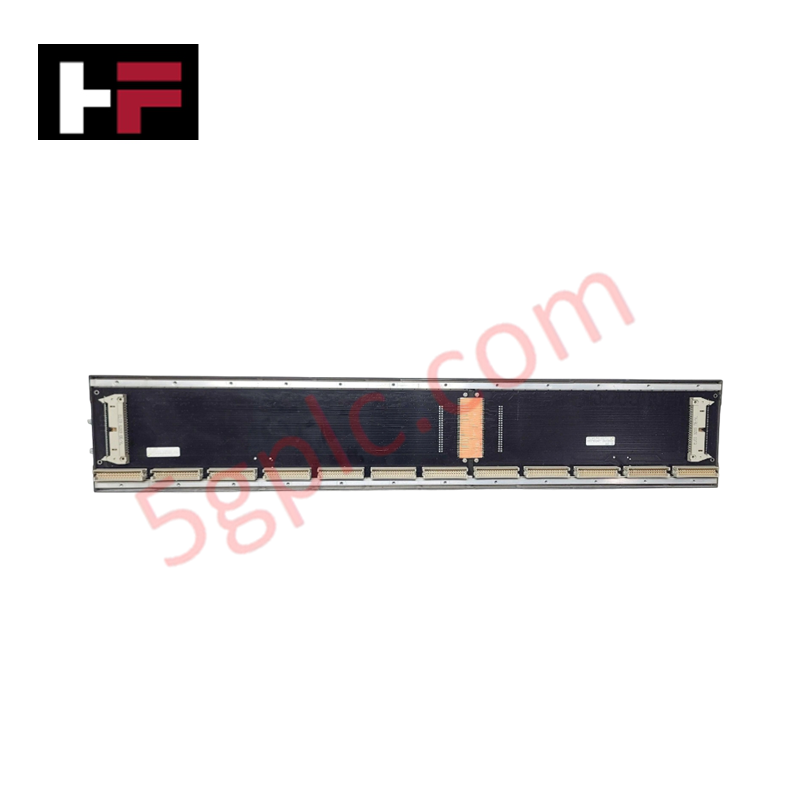
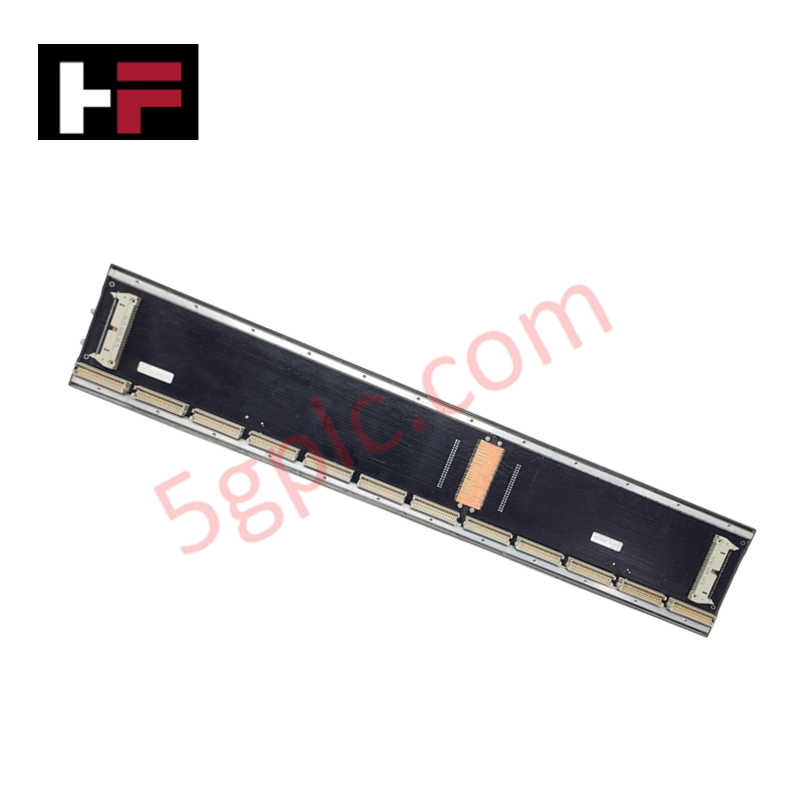
Configured for slot physical protection and backplane airflow management in M1 systems, the Bachmann LM201 (LM201 Dummy Module) provides direct mechanical closure for unused rack positions.
Hardware Specifications
| Parameter | Specification |
|---|---|
| Model | LM201 |
| Brand | Bachmann |
| Origin | Germany |
| Weight | 0.15 kg (approx.) |
| Dimensions | 102 mm x 12 mm x 130 mm |
| Operating Temp | -25 deg C to 60 deg C |
| Power Consumption | 0 W |
| Module Type | Passive Dummy |
| Mechanical Compatibility | M1 Standard Rack |
| Humidity | 5% to 95% non-condensing |
Backplane Bus Communication and I/O Density
The LM201 module is engineered to occupy vacant backplane slots to maintain structural integrity and uniform airflow distribution across the M1 automation rack. As a passive hardware component, it does not interface with the backplane bus communication velocity protocol, nor does it affect I/O density scaling. The housing acts as a protective barrier against physical debris and electrostatic discharge (ESD) for the internal backplane connectors, ensuring that active modules adjacent to the empty slot maintain consistent thermal dissipation profiles.
Frequently Asked Questions
Q: Does the LM201 module consume any power from the M1 backplane?
A: No, the LM201 is a purely passive mechanical component and does not establish any electrical connection to the backplane power supply or data bus.
Q: Can this module be installed while the M1 system is powered on?
A: Yes, as the module contains no active electronic components, it can be installed or removed under live system conditions without affecting the operation of active modules.
Q: Is there any firmware required for the M1 system to recognize the LM201?
A: No, the system does not perform any hardware identification or firmware flash compatibility checks for dummy modules; it is recognized only as a mechanical filler.
Field Installation Guidelines
- Alignment: Align the LM201 module with the rail guides of the vacant M1 slot.
- Engagement: Push the module firmly into the rack until the locking clips engage with the mounting frame.
- Stability: Verify that the module is flush with adjacent active modules to ensure proper rack-wide cooling airflow.
- Maintenance: Periodically inspect the module to ensure it remains seated, particularly in high-vibration environments, to prevent dust accumulation on exposed backplane connector pins.
Additional Information
- 100% Genuine Parts: All products are original and authentic, ensuring reliable industrial performance.
- 30-Day Refund Guarantee: Return any in-stock item within 30 days in original, unopened packaging for a full refund (excluding shipping and fees).
- 12-Month Warranty: Covers defects in materials or workmanship; excludes misuse, normal wear, or unauthorized modifications.
- Worldwide Shipping: We ship via USPS, UPS, FedEx, and DHL. Delivery times vary by country and may be subject to customs or import fees.
- Support & Contact: Technical and warranty assistance is available anytime. Contact us here: Contact.
- Purchase Guidance: Check product specifications and compatibility carefully before ordering to ensure proper application.
Tech & Buying Guide

Spatial Computing in Industrial Automation: Elevating PLC and DCS Operations with AR and VR
Industry 4.0 integrates digital intelligence into field operations, transforming factory automation landscapes worldwide. Spatial technologies—specifically Augmented Reality (AR) and Virtual Reality (VR)—redefine how engineers interact with industrial control systems. By bridging computer-generated CAD models with real-time operational technology (OT) data, immersive displays enable intuitive monitoring, rapid diagnostics, and safer maintenance across complex processing facilities.

Master Acceptance Testing: Understanding FAT and SAT in Industrial Control Systems
Factory Acceptance Testing (FAT) and Site Acceptance Testing (SAT) serve as critical quality assurance gateways in complex industrial control systems. Both procedures verify that programmable logic controllers (PLCs), distributed control systems (DCS), and associated field devices meet strict functional specifications. However, executing these tests effectively requires clear delineation between off-site staging and final field commissioning.

Industrial Networking Essentials: Demystifying Hubs, Switches, and Routers in Control Systems
Industrial automation relies heavily on robust networking infrastructure to connect programmable logic controllers (PLCs), distributed control systems (DCS), and human-machine interfaces (HMIs). Modern factory automation environments generate vast amounts of real-time operational data across deterministic networks. Understanding the structural differences between hubs, switches, and routers ensures optimal traffic segmentation, minimizes latency, and maintains high network availability.