










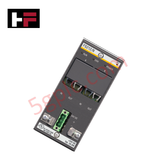
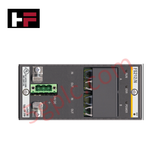
Product Details
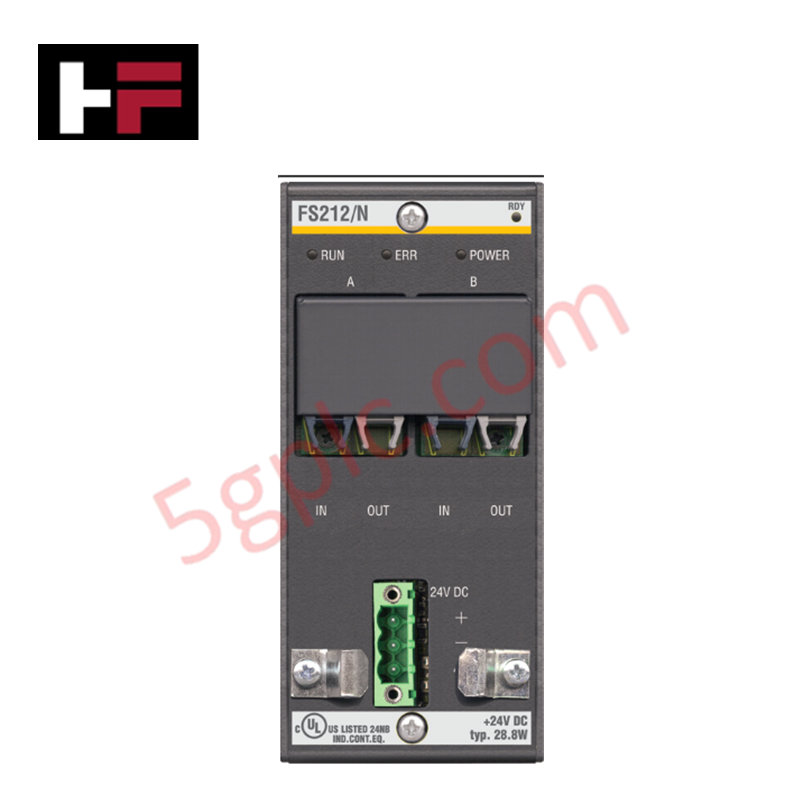
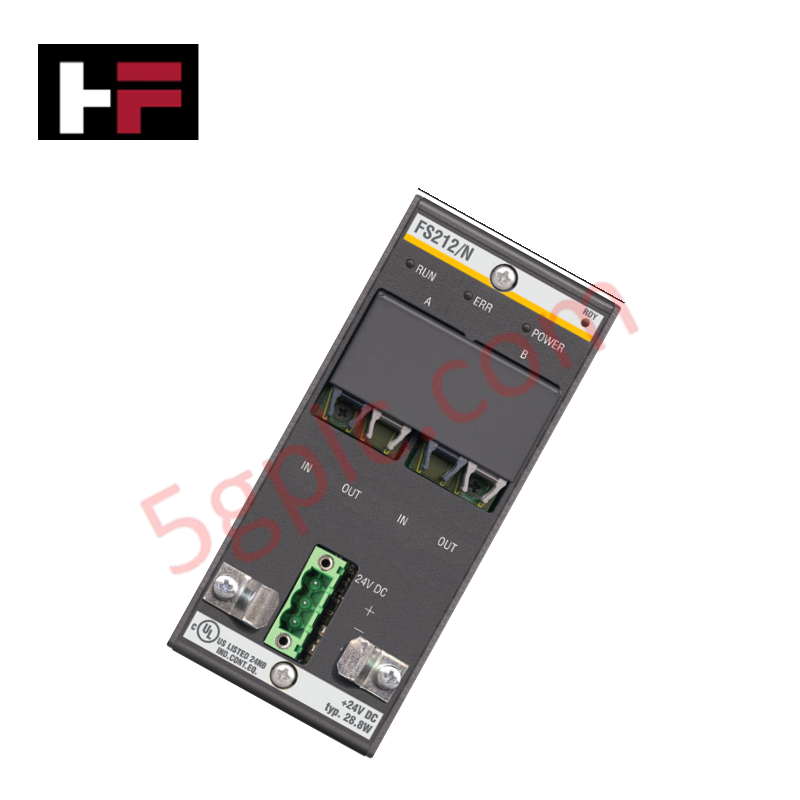
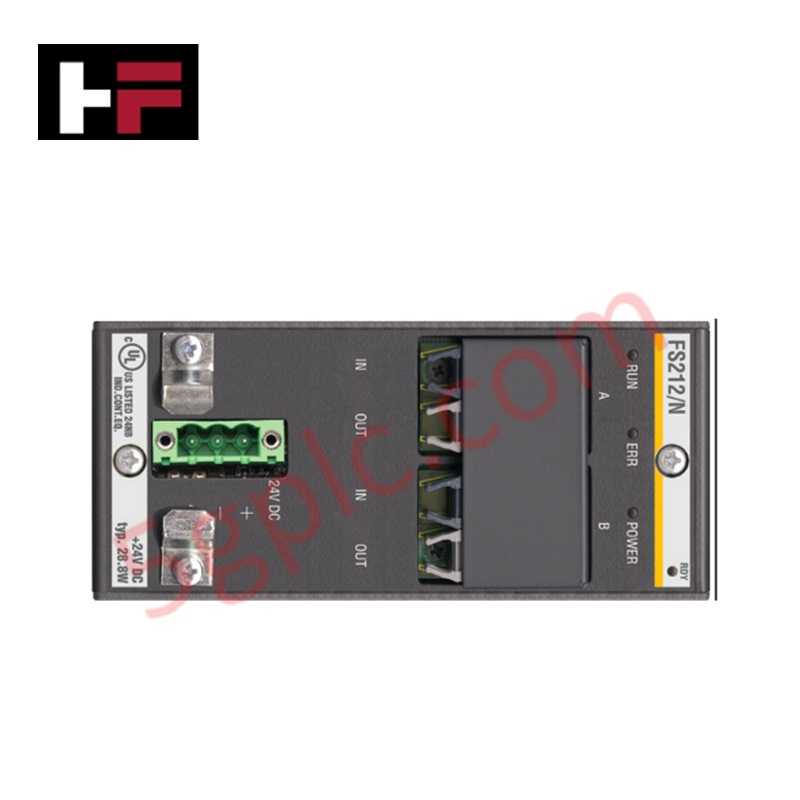
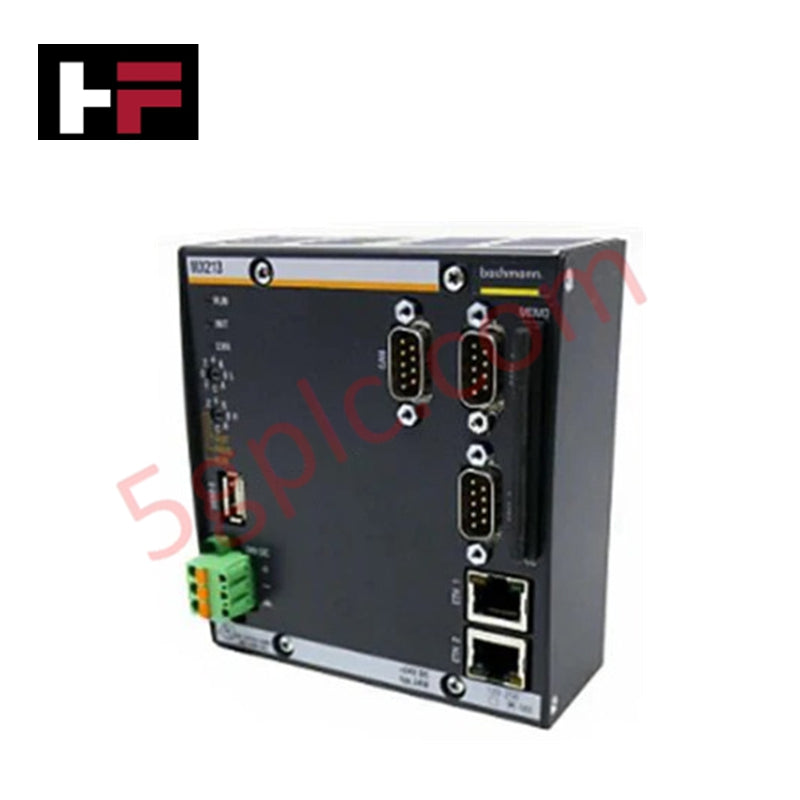
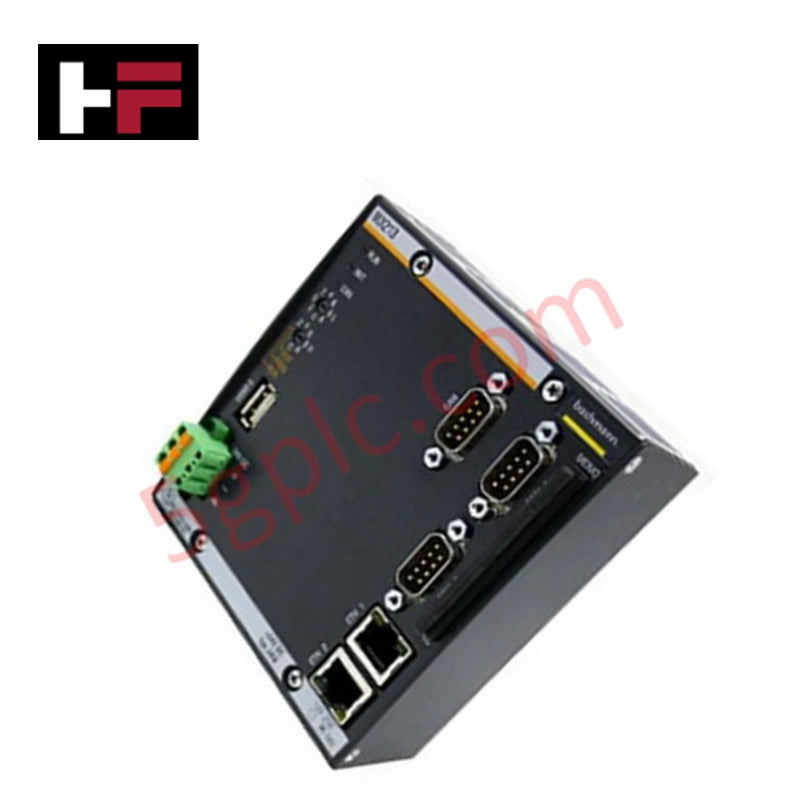
Configured for high-speed fiber-optic data communication in M1 automation platforms, the Bachmann FS212/N (FS212/N FASTBUS-Module) provides direct physical execution of distributed sub-device signal exchange.
Hardware Specifications
| Parameter | Specification |
|---|---|
| Model | FS212/N |
| Brand | Bachmann |
| Origin | Austria |
| Dimensions | Standard Bachmann module enclosure |
| Interface Type | Fiber Optic (FO) |
| Max Stations | 15 distributed SubDevices |
| Signaling Delay | Minimal (System optimized) |
Profinet / EtherNet/IP Deterministic Networks
The FS212/N module serves as a high-speed communication bridge for FASTBUS-based distributed I/O architectures. By utilizing fiber-optic media, the system minimizes electromagnetic susceptibility and provides robust isolation between distributed stations. Deterministic network performance is maintained through minimal signal delay cycles, ensuring that sub-device states are updated within the defined M1 system scan window. Firmware flash compatibility is utilized during system initialization to ensure that the FO transceiver profiles and signal timings are synchronized across the FASTBUS master/slave chain, thereby maintaining deterministic coherence over distances up to 180 m (special HCS cables).
Frequently Asked Questions
Q: What are the transmission distance limitations for this module?
A: Distance capability depends on the fiber medium: 40 m for POF (Plastic Optical Fiber) cables, 150 m for standard HCS (Hard Clad Silica) cables, and up to 180 m for special HCS fiber configurations.
Q: How is the operational status indicated on the module?
A: The module features dedicated front-panel LED indicators for RUN and ERR status, alongside a specific display for identifying the configured fiber type.
Field Installation Guidelines
- Ensure the fiber-optic connectors are clean and free of contaminants before insertion into the FO interface ports.
- Route fiber-optic cabling in appropriate conduit to prevent excessive bending radii and physical crushing, which can increase signal attenuation.
- Configure the master/slave modules according to the intended network topology, ensuring total SubDevice counts do not exceed the 15-node limit.
- Verify proper grounding of the module chassis to the M1 rack backplane to ensure EMI shielding integrity.
- During commissioning, monitor the status LEDs to verify link synchronization and the absence of frame errors on the FASTBUS loop.
Additional Information
- 100% Genuine Parts: All products are original and authentic, ensuring reliable industrial performance.
- 30-Day Refund Guarantee: Return any in-stock item within 30 days in original, unopened packaging for a full refund (excluding shipping and fees).
- 12-Month Warranty: Covers defects in materials or workmanship; excludes misuse, normal wear, or unauthorized modifications.
- Worldwide Shipping: We ship via USPS, UPS, FedEx, and DHL. Delivery times vary by country and may be subject to customs or import fees.
- Support & Contact: Technical and warranty assistance is available anytime. Contact us here: Contact.
- Purchase Guidance: Check product specifications and compatibility carefully before ordering to ensure proper application.
Tech & Buying Guide
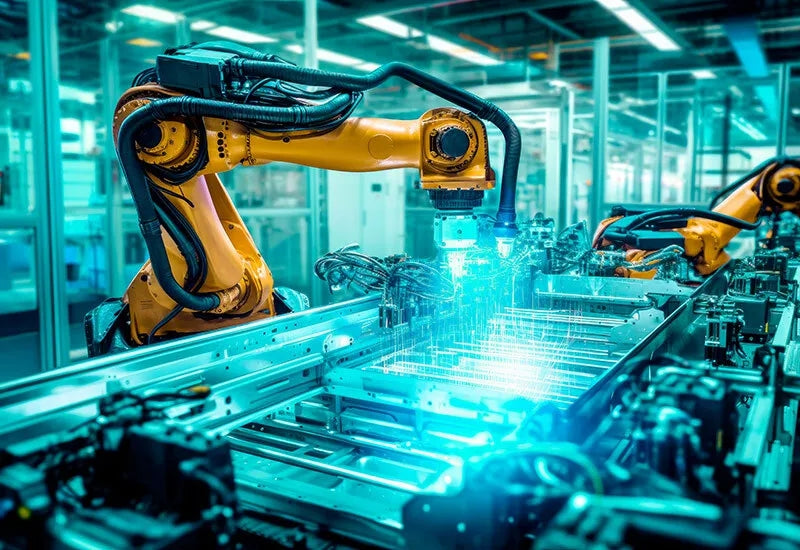
Why 24V DC Power Supplies Standardize Modern Industrial Automation
Industrial control cabinets worldwide rely on 24V DC as the universal power standard for field instrumentation, sensors, and controllers. Walk into any manufacturing plant, and you will find PLCs, human-machine interfaces (HMIs), and smart actuators running on extra-low voltage DC. Standardizing on 24V DC enhances operational safety, lowers cabinet footprint, and maintains steady control performance across factory networks.

Essential Motion Control Commands: A Practical Guide for Engineers
Automation engineers often rely on precise position and speed control to drive modern factory machinery. Modern industrial systems, such as Programmable Logic Controllers (PLCs) and Distributed Control Systems (DCS), depend heavily on standardized motion instructions. Mastering these commands ensures operational safety, protects mechanical components, and optimizes cycle times across production lines.
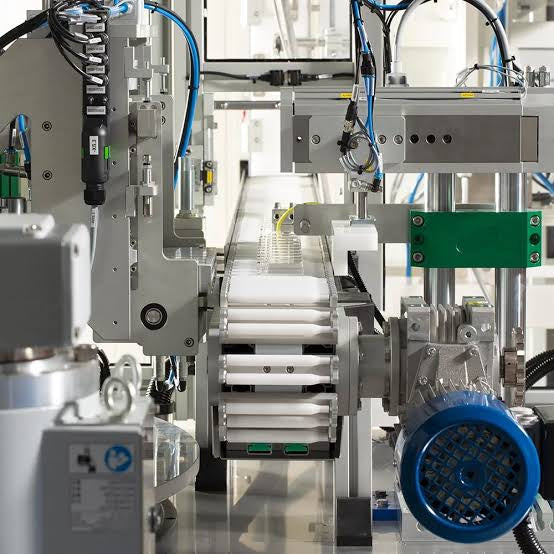
Mastering Modern Industrial Joystick Controls in Heavy Automation
Industrial joysticks play a pivotal role in human-machine interaction across heavy material handling and mobile hydraulics. These tactile controllers translate complex operator movements into precise electrical signals for PLCs, motion controllers, and DCS networks. Consequently, selecting and installing the right joystick architecture ensures operator safety, reduces fatigue, and optimizes equipment performance.