








Product Details
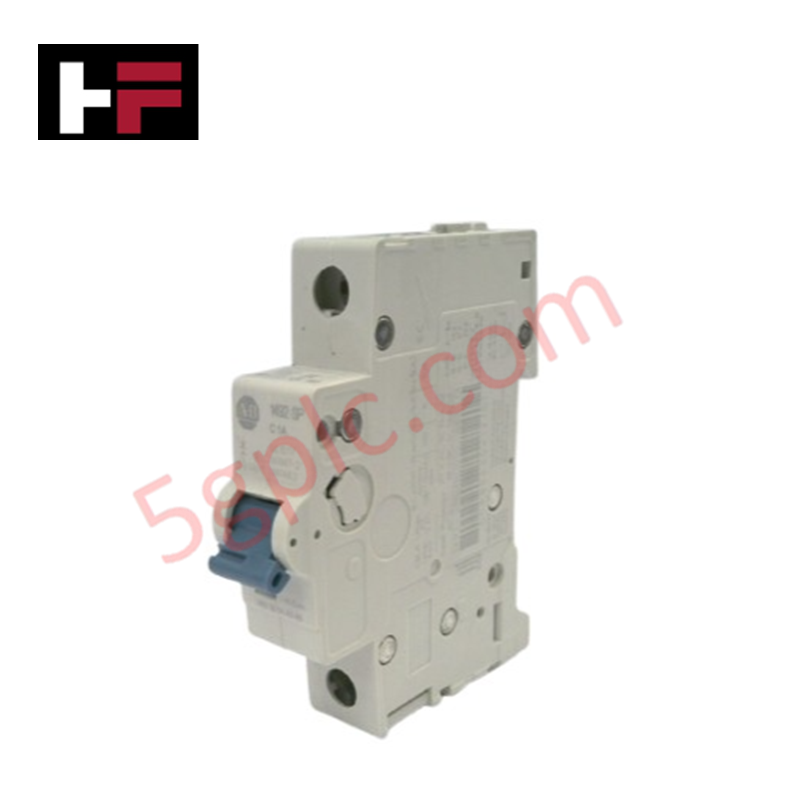
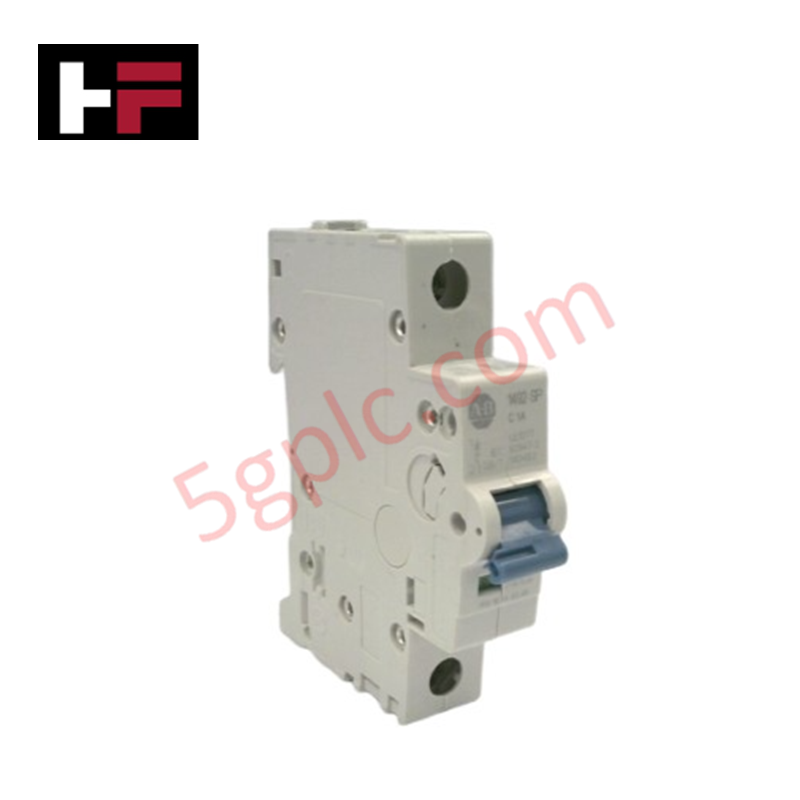
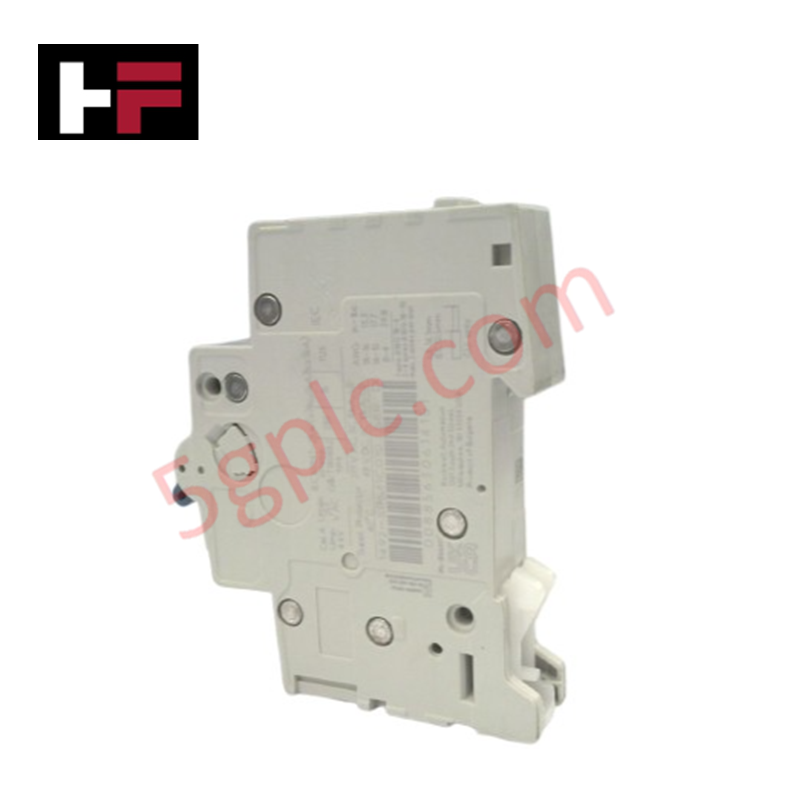
Configured for overcurrent protection in control circuit branches, the Allen-Bradley 1492-SPM1C100 (1492-SPM1C100 Miniature Circuit Breaker) provides direct physical/electrical execution of circuit interruption under overload and short-circuit conditions.
Hardware Specifications
| Parameter | Specification |
|---|---|
| Model | 1492-SPM1C100 |
| Brand | Allen-Bradley |
| Origin | USA |
| Weight | 0.11 kg |
| Dimensions | Not Specified |
| Operating Temp | Not Specified |
| Power Consumption | Not Applicable |
| Current Rating | 10 A |
| Voltage Rating | 277 VAC |
| Trip Curve | C-Curve |
Profinet / EtherNet/IP Deterministic Networks
The 1492-SPM1C100 utilizes a C-curve trip characteristic, providing a balance between protection for control equipment and tolerance for moderate inrush currents typical of inductive loads. While this device operates as a passive mechanical protector, its integration into control architectures is managed through DIN-rail mounting within standardized panel enclosures. Proper I/O density scaling at the panel level requires calculating the total current draw of protected branches to avoid nuisance tripping. Firmware flash compatibility is not applicable to this electromechanical device; however, the module's 15 kAIC interrupt rating ensures containment of fault currents in coordination with upstream protective devices.
Frequently Asked Questions
Q: Does the 1492-SPM1C100 provide motor branch circuit protection?
A: No. This device is a supplementary protector (UL 1077) and is not intended for use as a motor branch circuit protector (UL 489). It is designed to protect control circuits and internal components rather than the motor itself.
Q: Is this circuit breaker suitable for DC voltage applications?
A: The device is rated for AC voltage applications up to 277 VAC. Application in DC circuits requires verification of the specific voltage/current derating data provided in the manufacturer's technical manual, as the arc quenching characteristics differ significantly between AC and DC sources.
Field Installation Guidelines
- Mount the protector onto a standard 35 mm DIN rail, ensuring the locking clip is fully engaged to prevent longitudinal movement.
- Terminate the line-side power supply to the top terminals and load-side wiring to the bottom terminals, observing the indicated polarity if applicable.
- Utilize wire ferrules or adequately stripped conductors to ensure secure clamping within the terminal interface; verify torque values to maintain low-impedance connections.
- Separate the wiring of the protected circuit from high-power VFD or motor output cables to prevent induced electromagnetic interference (EMI).
- Ensure the surrounding environment is free from conductive debris and that the protector is installed within an enclosure meeting the required IP rating for the application.
- Verify circuit operation by measuring the voltage at the load side of the breaker with the device in the "ON" position to confirm proper continuity.
Additional Information
- 100% Genuine Parts: All products are original and authentic, ensuring reliable industrial performance.
- 30-Day Refund Guarantee: Return any in-stock item within 30 days in original, unopened packaging for a full refund (excluding shipping and fees).
- 12-Month Warranty: Covers defects in materials or workmanship; excludes misuse, normal wear, or unauthorized modifications.
- Worldwide Shipping: We ship via USPS, UPS, FedEx, and DHL. Delivery times vary by country and may be subject to customs or import fees.
- Support & Contact: Technical and warranty assistance is available anytime. Contact us here: Contact.
- Purchase Guidance: Check product specifications and compatibility carefully before ordering to ensure proper application.
Tech & Buying Guide

Site Acceptance Testing (SAT) for PLC Control Systems: An Engineering Execution Guide
The Site Acceptance Test (SAT) represents the definitive handover stage in industrial automation projects. While the Factory Acceptance Test confirms cabinet hardware assembly off-site, the SAT validates real-world performance under live site conditions. Consequently, a structured execution strategy prevents equipment damage and guarantees seamless integration into plant operations.

Mastering the Factory Acceptance Test (FAT) for PLC Control Panels: An Expert Guide
The Factory Acceptance Test (FAT) is a vital milestone in industrial automation that ensures custom PLC panels meet exact design specifications before dispatch. This guide outlines the step-by-step FAT procedure and key industry best practices to prevent costly site delays and ensure long-term operational success.

Redundant Automation Systems: Ensuring Continuous Uptime in Critical Control Infrastructure
System reliability directly determines operational profitability across high stakes process industries. Modern industrial automation platforms must eliminate single points of failure to prevent catastrophic shutdowns. Deploying fault tolerant architecture safeguards complex facilities against unexpected hardware glitches, network disruptions, and maintenance outages.