












Product Details
Overview
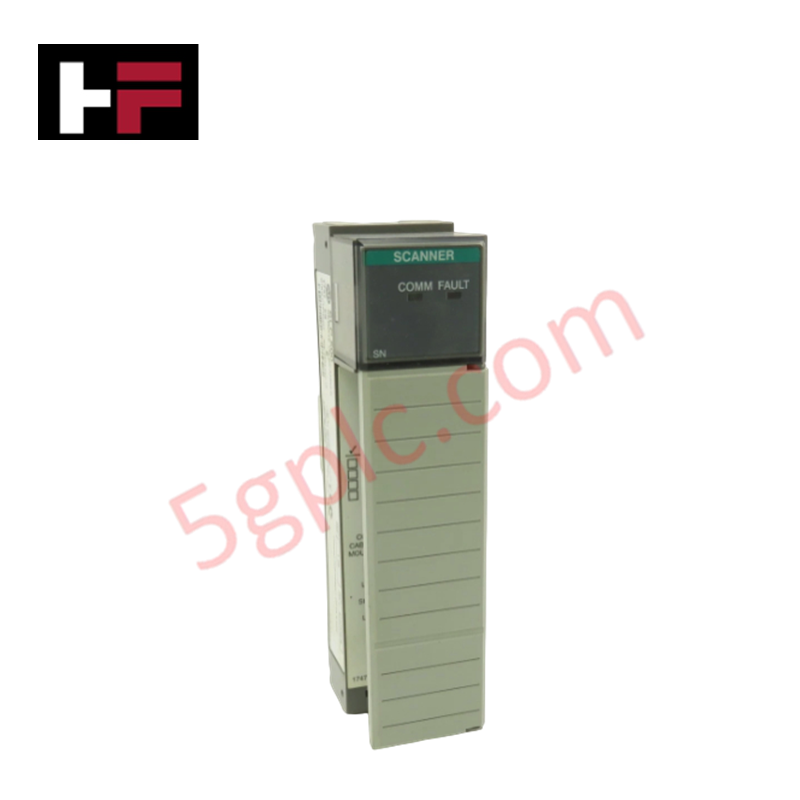
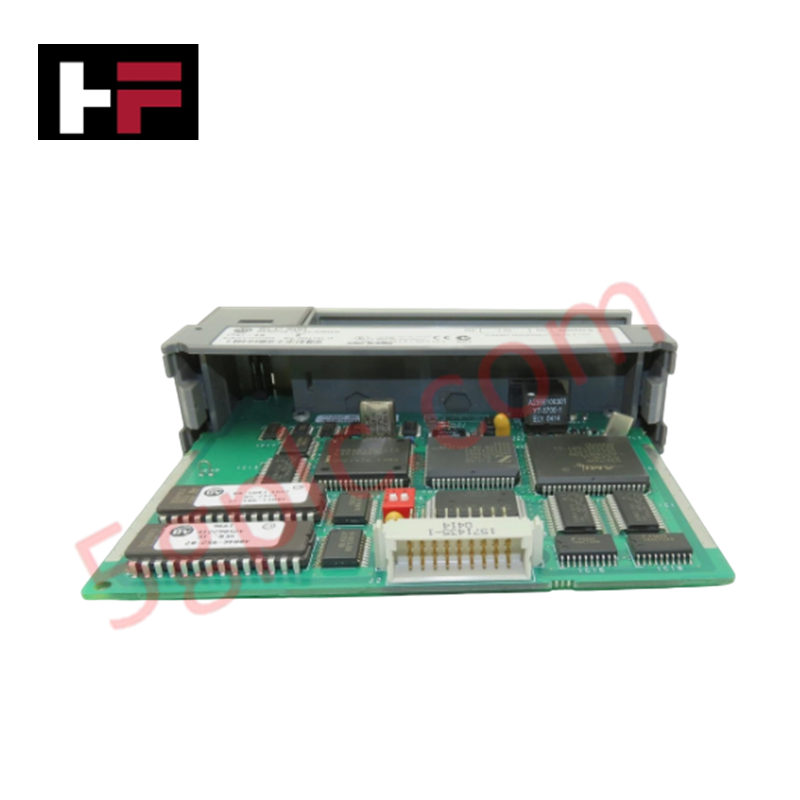
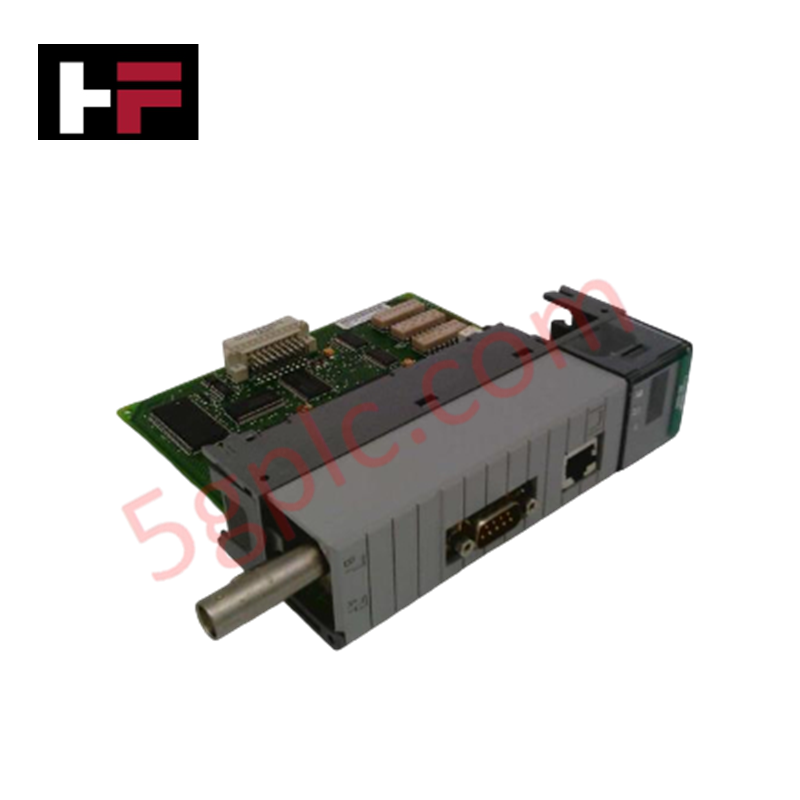
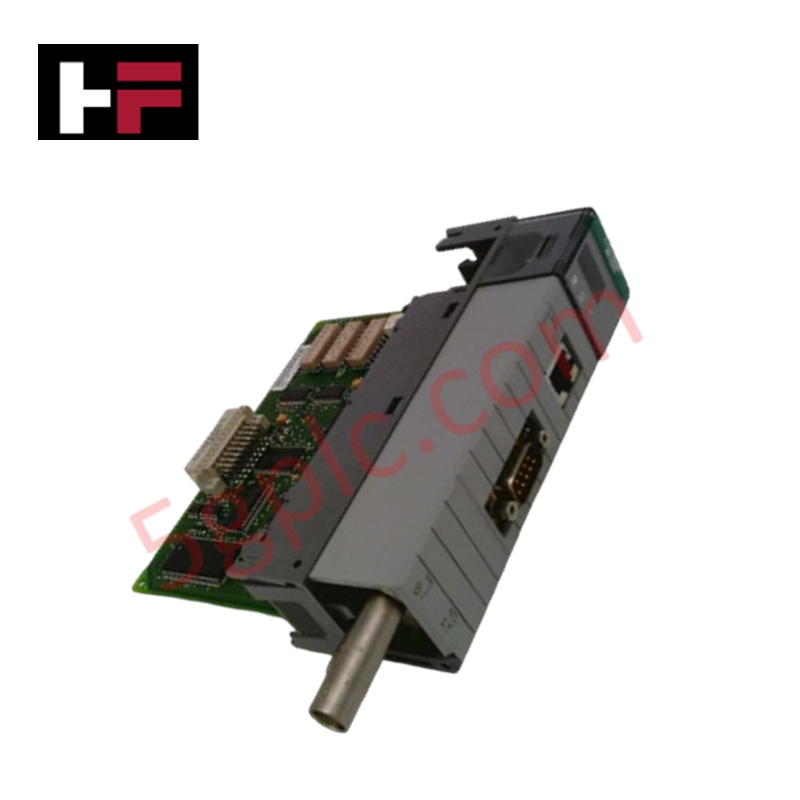
The Allen Bradley SLC 500 series 1746-BAS BASIC module provides advanced communication and programming capabilities for SLC 500 controllers. It is designed to handle multiple communication protocols, integrate with external devices, and support custom applications through BASIC programming.
Key Specifications
-
Manufacturer Allen Bradley
-
Series SLC 500
-
Product Type BASIC Module
-
Model/Part Number 1746-BAS
-
Weight 0.63 lbs (0.28 kg)
-
Communication Ports
-
PRT1: RS-232/423, RS-422, RS-485
-
PRT2: RS-232/423, RS-422, RS-485
-
PRT3: DH-485 (DF1 protocol supported)
-
Backplane Current (5 V) 150 mA
-
Backplane Current (24 V) 40 mA
-
Indicators ACT, 485, PRT1, PRT2, FAULT, BAT LOW, LED 1, LED 2
-
Noise Immunity Standard NEMA compliance
-
Operating Temperature 32–140 °F (0–60 °C)
-
Memory 24 KB RAM
-
Clock/Calendar Accuracy ±1 minute/month at 25 °C; +0, -6 minutes/month at 60 °C
-
Vibration Resistance
-
Displacement: 0.015 in. peak-to-peak at 5–57 Hz
-
Acceleration: 2.5 g at 57–2000 Hz
-
Operating Shock 30 g
Application Scenarios The 1746-BAS is ideal for applications requiring custom communication handling, integration with external serial devices, and BASIC programming for specialized control logic. It is commonly used in manufacturing automation, process control, and systems requiring DH-485 connectivity.
FAQ
-
Q: What programming language does the 1746-BAS support? A: It supports BASIC programming for custom applications.
-
Q: Can the module communicate with multiple protocols simultaneously? A: Yes, it supports RS-232, RS-422, RS-485, and DH-485 across three ports.
-
Q: How reliable is the onboard clock/calendar? A: It maintains accuracy within ±1 minute per month at 25 °C, with minor drift at higher temperatures.
Comparison with Similar Models Compared to the 1746-ASCII module, the 1746-BAS offers greater flexibility with multiple communication ports and BASIC programming capability, making it more suitable for complex integration tasks.
Overview The Allen Bradley SLC 500 series 1746-BAS BASIC module provides advanced communication and programming capabilities for SLC 500 controllers. It is designed to handle multiple communication protocols, integrate with external devices, and support custom applications through BASIC programming.
Key Specifications
-
Manufacturer Allen Bradley
-
Series SLC 500
-
Product Type BASIC Module
-
Model/Part Number 1746-BAS
-
Weight 0.63 lbs (0.28 kg)
-
Communication Ports
-
PRT1: RS-232/423, RS-422, RS-485
-
PRT2: RS-232/423, RS-422, RS-485
-
PRT3: DH-485 (DF1 protocol supported)
-
Backplane Current (5 V) 150 mA
-
Backplane Current (24 V) 40 mA
-
Indicators ACT, 485, PRT1, PRT2, FAULT, BAT LOW, LED 1, LED 2
-
Noise Immunity Standard NEMA compliance
-
Operating Temperature 32–140 °F (0–60 °C)
-
Memory 24 KB RAM
-
Clock/Calendar Accuracy ±1 minute/month at 25 °C; +0, -6 minutes/month at 60 °C
-
Vibration Resistance
-
Displacement: 0.015 in. peak-to-peak at 5–57 Hz
-
Acceleration: 2.5 g at 57–2000 Hz
-
Operating Shock 30 g
Application Scenarios The 1746-BAS is ideal for applications requiring custom communication handling, integration with external serial devices, and BASIC programming for specialized control logic. It is commonly used in manufacturing automation, process control, and systems requiring DH-485 connectivity.
FAQ
-
Q: What programming language does the 1746-BAS support? A: It supports BASIC programming for custom applications.
-
Q: Can the module communicate with multiple protocols simultaneously? A: Yes, it supports RS-232, RS-422, RS-485, and DH-485 across three ports.
-
Q: How reliable is the onboard clock/calendar? A: It maintains accuracy within ±1 minute per month at 25 °C, with minor drift at higher temperatures.
Comparison with Similar Models Compared to the 1746-ASCII module, the 1746-BAS offers greater flexibility with multiple communication ports and BASIC programming capability, making it more suitable for complex integration tasks.
Additional Information
- 100% Genuine Parts: All products are original and authentic, ensuring reliable industrial performance.
- 30-Day Refund Guarantee: Return any in-stock item within 30 days in original, unopened packaging for a full refund (excluding shipping and fees).
- 12-Month Warranty: Covers defects in materials or workmanship; excludes misuse, normal wear, or unauthorized modifications.
- Worldwide Shipping: We ship via USPS, UPS, FedEx, and DHL. Delivery times vary by country and may be subject to customs or import fees.
- Support & Contact: Technical and warranty assistance is available anytime. Contact us here: Contact.
- Purchase Guidance: Check product specifications and compatibility carefully before ordering to ensure proper application.
Tech & Buying Guide

Master Acceptance Testing: Understanding FAT and SAT in Industrial Control Systems
Factory Acceptance Testing (FAT) and Site Acceptance Testing (SAT) serve as critical quality assurance gateways in complex industrial control systems. Both procedures verify that programmable logic controllers (PLCs), distributed control systems (DCS), and associated field devices meet strict functional specifications. However, executing these tests effectively requires clear delineation between off-site staging and final field commissioning.

Industrial Networking Essentials: Demystifying Hubs, Switches, and Routers in Control Systems
Industrial automation relies heavily on robust networking infrastructure to connect programmable logic controllers (PLCs), distributed control systems (DCS), and human-machine interfaces (HMIs). Modern factory automation environments generate vast amounts of real-time operational data across deterministic networks. Understanding the structural differences between hubs, switches, and routers ensures optimal traffic segmentation, minimizes latency, and maintains high network availability.

Safety Relays in Industrial Automation: Fundamentals, Design Standards, and Fail-Safe Architecture
Safety relays form the bedrock of functional safety in modern factory automation, preventing catastrophic equipment failure and protecting plant personnel. While standard electromechanical relays handle basic load switching, they lack the redundant diagnostics required for high-risk industrial environments. Modern industrial automation platforms—including programmable logic controllers (PLCs) and distributed control systems (DCS)—rely on specialized safety relays to monitor field devices and isolate hazards instantly.