












Product Details
Product Overview
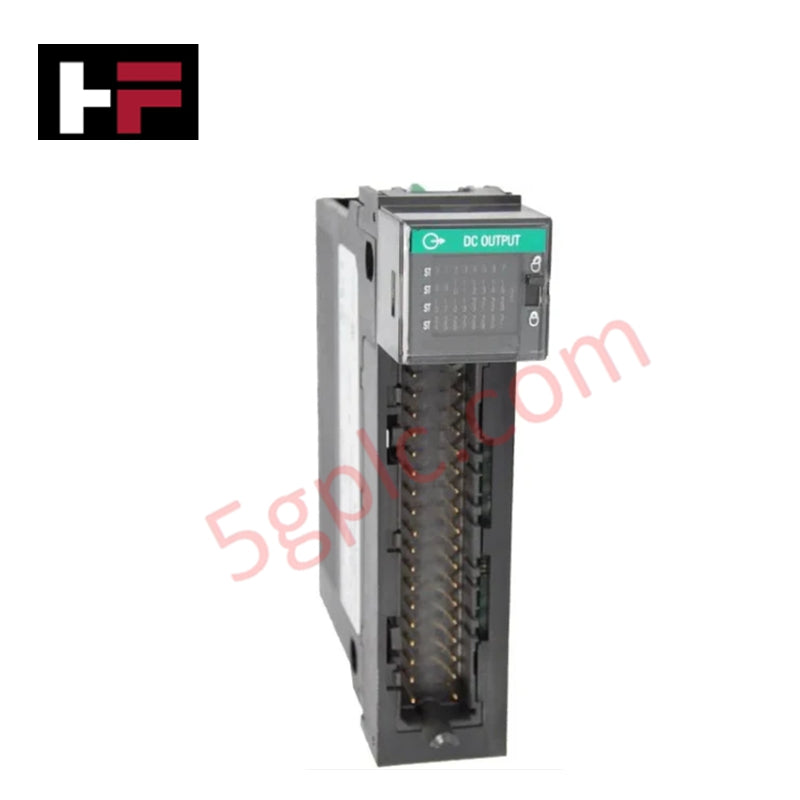
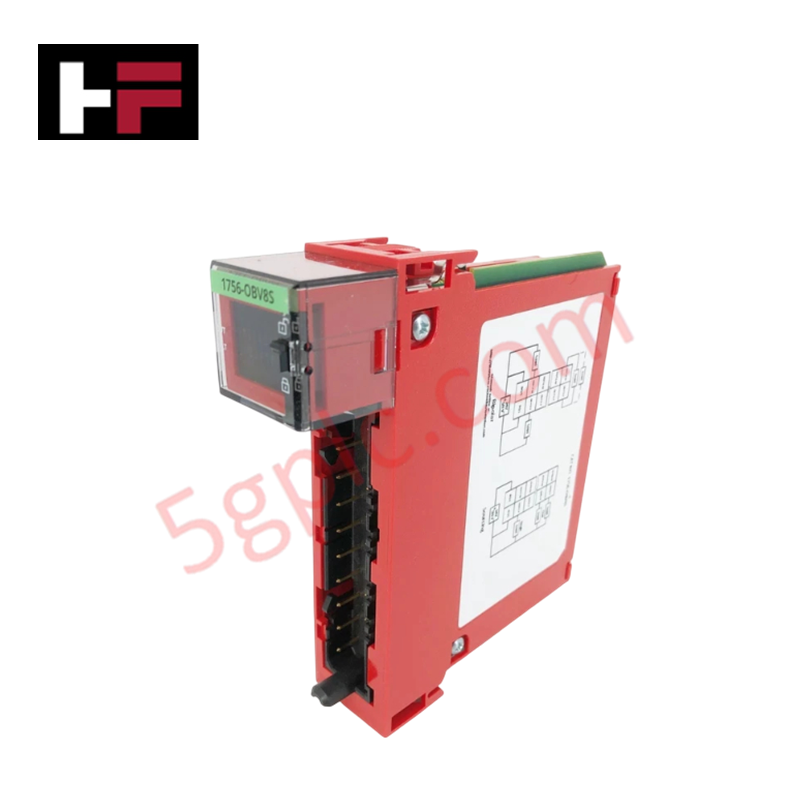
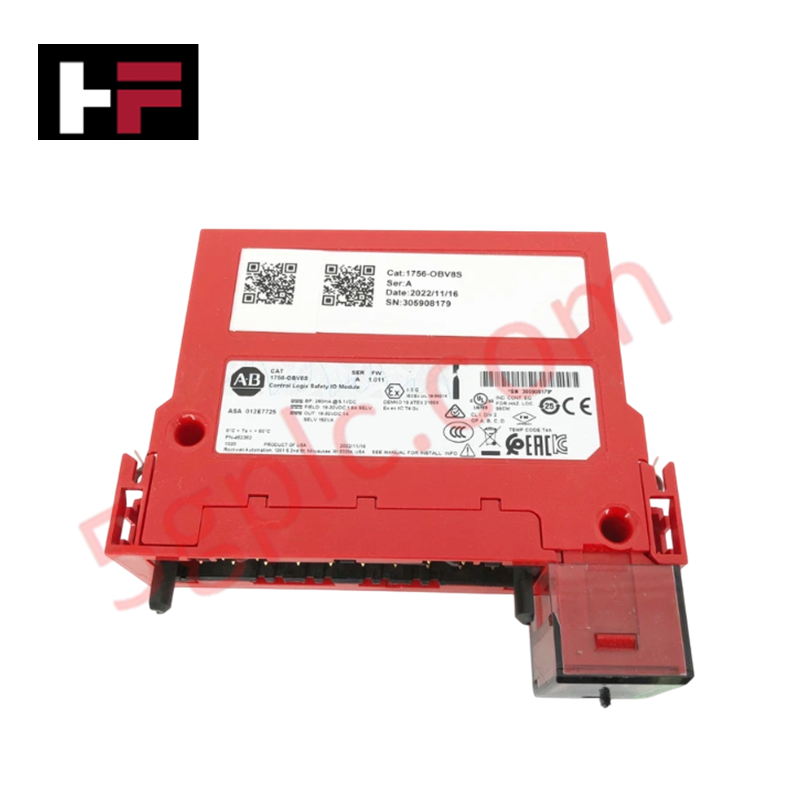
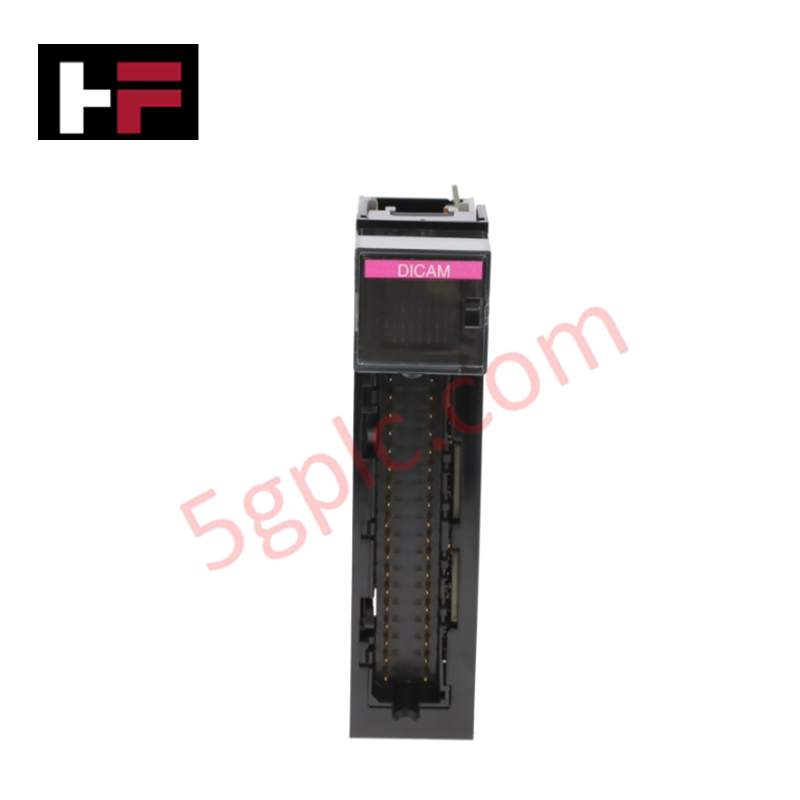
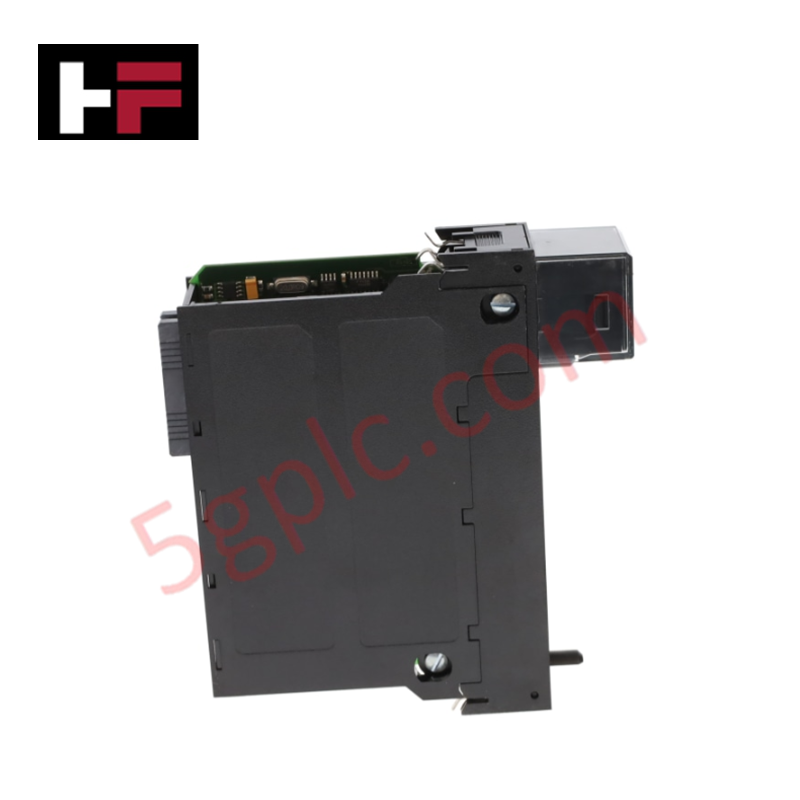
The Allen-Bradley 1756-OB8EI functions as a high-reliability digital output interface within the ControlLogix platform. This module provides eight independent, isolated output channels designed to switch DC loads. The "EI" designation indicates Electronic Fusing and Individually Isolated channels, offering superior protection and diagnostic capabilities compared to standard output cards. We supply this unit as 100% Brand New original factory stock, ensuring your mission-critical control loops benefit from advanced fault detection and circuit isolation.
Technical Specifications
| Feature | Specification |
| Manufacturer | Allen-Bradley / Rockwell Automation |
| Product Line | ControlLogix (1756) |
| Number of Outputs | 8 Individually Isolated Channels |
| Voltage Category | 12/24V DC Sourcing |
| Operating Voltage Range | 10–30V DC |
| Output Current Rating | 2.0A per point @ 30°C / 1.0A per point @ 60°C |
| Surge Current | 4.0A for 10 ms, repeatable every 2 s |
| Isolation Voltage | 250V (Continuous) |
| Fusing Type | Electronic, Individual per channel |
| Backplane Current | 250 mA @ 5.1V DC; 10 mA @ 24V DC |
| Power Dissipation | 4.3 Watts (Max) |
Engineering Advantages
-
Advanced Electronic Fusing: The 1756-OB8EI incorporates smart electronic fusing that detects overcurrent or short-circuit conditions on a per-channel basis. This hardware feature eliminates the need for physical glass fuses and provides an automatic reset capability once the fault clears, significantly reducing downtime.
-
Point-to-Point Isolation: Each of the eight channels operates with total electrical isolation from the others (250V continuous). This prevents a single field-side fault or ground loop from propagating across the entire module, ensuring that a localized failure does not compromise the remaining seven control circuits.
-
Real-Time Diagnostic Feedback: The module communicates "Fused-Out" and "Field Power Loss" status directly to the ControlLogix processor. Maintenance teams can view these diagnostics via Studio 5000 or an HMI, enabling rapid identification of the exact failed field device without manual testing.
-
High-Current Drive Capability: Supporting up to 2.0A per point at 30°C, this module directly drives larger DC solenoid valves, motor starters, and signaling devices that typically require interposing relays when used with standard 0.5A output cards.
-
Configurable States: Engineers can program the "Fault State" for each output (Hold Last State, On, or Off). This allows for a customized "Fail-Safe" strategy, ensuring the process enters a controlled, safe condition during a communication loss or controller fault.
FAQs
-
Does the 1756-OB8EI require a specific Removable Terminal Block (RTB)?
Yes. This module requires the 36-pin 1756-TBNH or 1756-TBSH RTB. Note that the terminal block is sold separately and must be wired according to the isolated channel layout.
-
Can I use this module to switch AC loads?
No. The 1756-OB8EI is strictly a DC sourcing module. Attempting to switch AC voltage will damage the internal power transistors and void the warranty. For AC applications, utilize a 1756-OA8 or 1756-OW16I.
-
What happens when the electronic fuse trips?
The module turns off the affected output and sends a diagnostic bit to the PLC. The "I/O" status LED on the front of the module will indicate a fault. Once you remove the short circuit, the fuse resets based on the module configuration in the software.
-
How do I verify this is a 100% Brand New unit?
Every 1756-OB8EI we ship arrives in its Original Factory Packaging with intact seals. As a brand-new unit, the gold backplane connectors will show no insertion marks, and the internal diagnostic logs will be clear, guaranteeing full service life.
Additional Information
- 100% Genuine Parts: All products are original and authentic, ensuring reliable industrial performance.
- 30-Day Refund Guarantee: Return any in-stock item within 30 days in original, unopened packaging for a full refund (excluding shipping and fees).
- 12-Month Warranty: Covers defects in materials or workmanship; excludes misuse, normal wear, or unauthorized modifications.
- Worldwide Shipping: We ship via USPS, UPS, FedEx, and DHL. Delivery times vary by country and may be subject to customs or import fees.
- Support & Contact: Technical and warranty assistance is available anytime. Contact us here: Contact.
- Purchase Guidance: Check product specifications and compatibility carefully before ordering to ensure proper application.
Tech & Buying Guide

Preventing Spurious Trips in Emergency Stop Systems: A Technical Guide
In industrial automation, the Emergency Stop (E-Stop) pushbutton is the ultimate safety line. However, relying on a single Normally-Closed (NC) contact can sometimes lead to unexpected spurious trips. As a control systems engineer, I have seen these nuisance trips halt entire production lines, causing significant downtime. Understanding why these components fail and how to implement robust architecture is essential for any reliable DCS or PLC-based safety system.

Sequencing Induction Motor Control with PLC Logic: Best Practices
In modern industrial automation, controlling a group of induction motors requires precision and safety. Uncontrolled simultaneous startup of multiple large motors often causes significant voltage dips, potentially triggering protective trips. Therefore, implementing a sequential startup and shutdown strategy is essential. This approach minimizes inrush current and ensures the system operates within established power constraints. A robust PLC program serves as the ideal engine for orchestrating these sequences.

Mastering PLC Programming: Best Practices for Robust Industrial Automation
Writing clean PLC code requires discipline, especially regarding memory management. Avoid overusing SET and RESET instructions, as they often complicate debugging. If multiple rungs control the same bit, troubleshooting becomes a nightmare. Instead, focus on energizing a bit in only one location. If your logic requires complex conditions, use branches within a single rung. This approach keeps your code readable, maintainable, and significantly easier to audit during downtime.