










Product Details
Product Overview
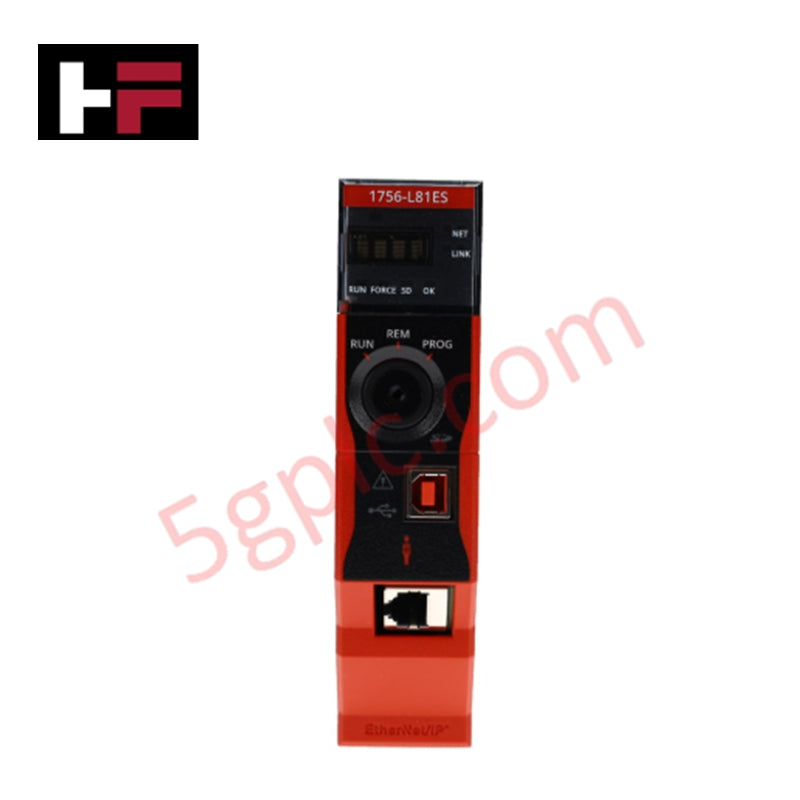
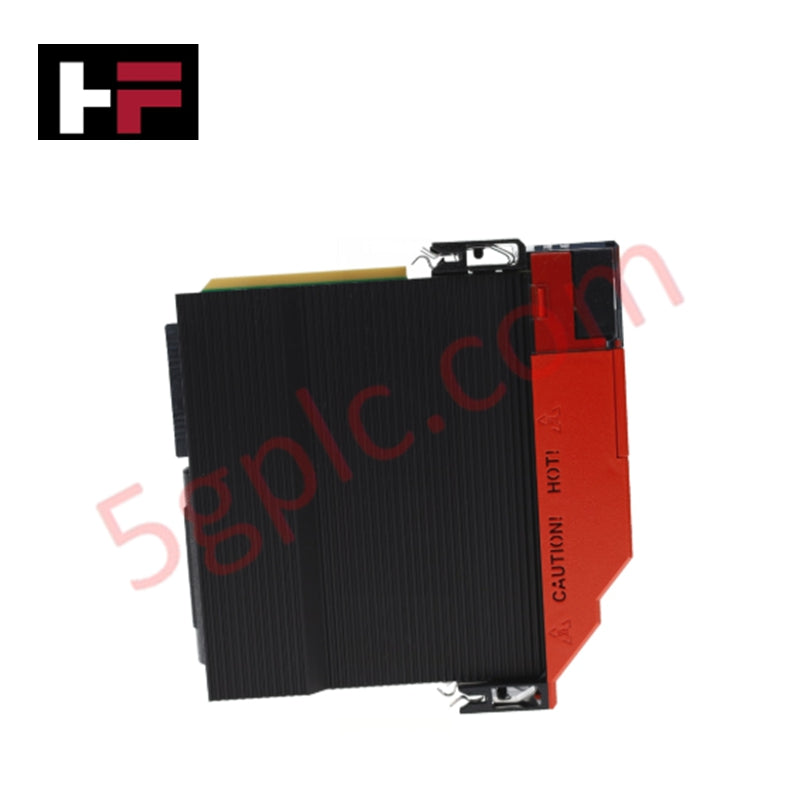
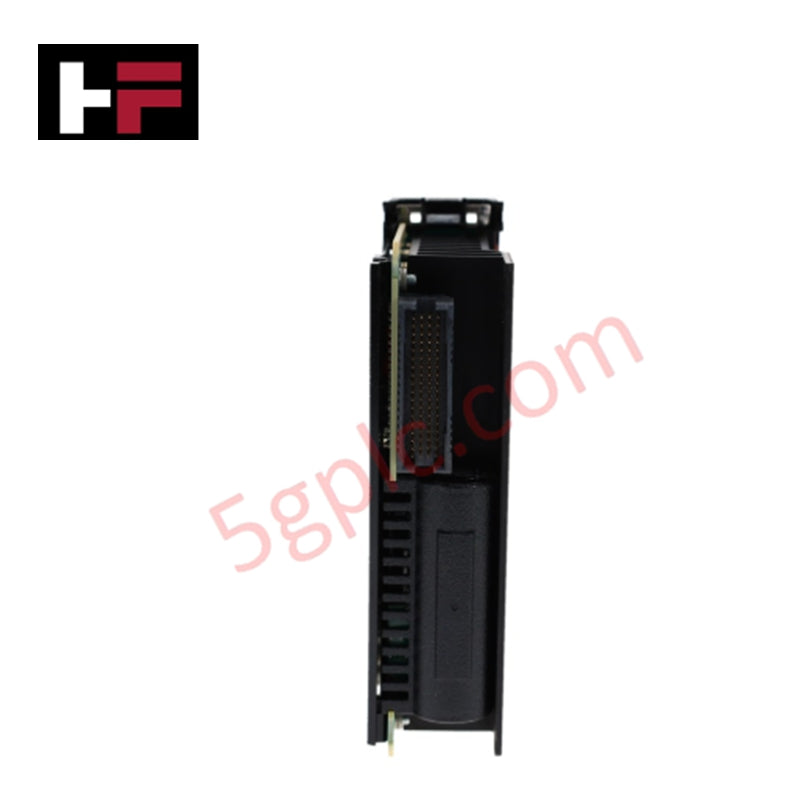
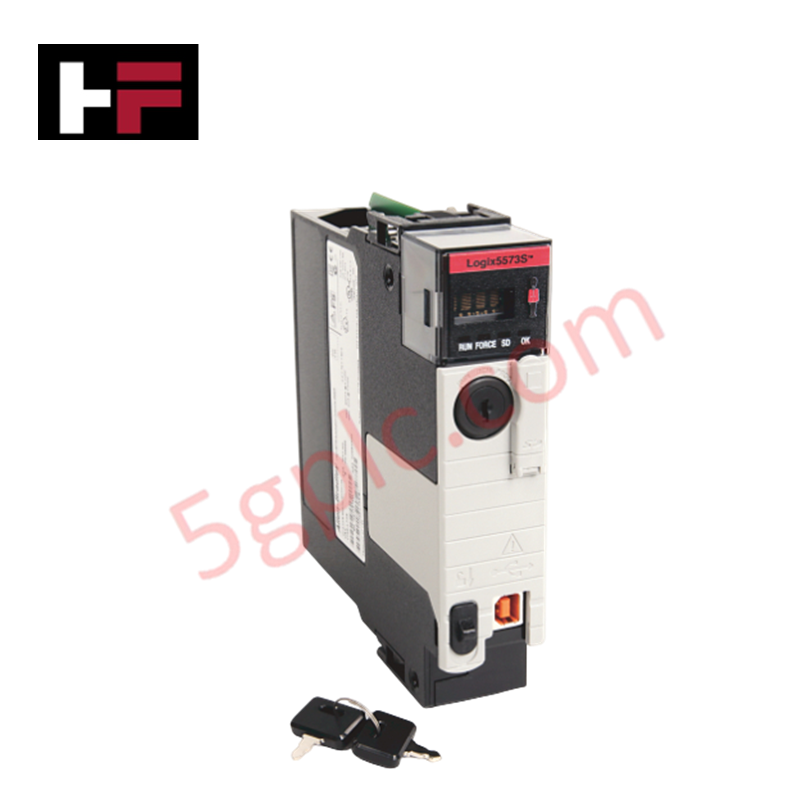
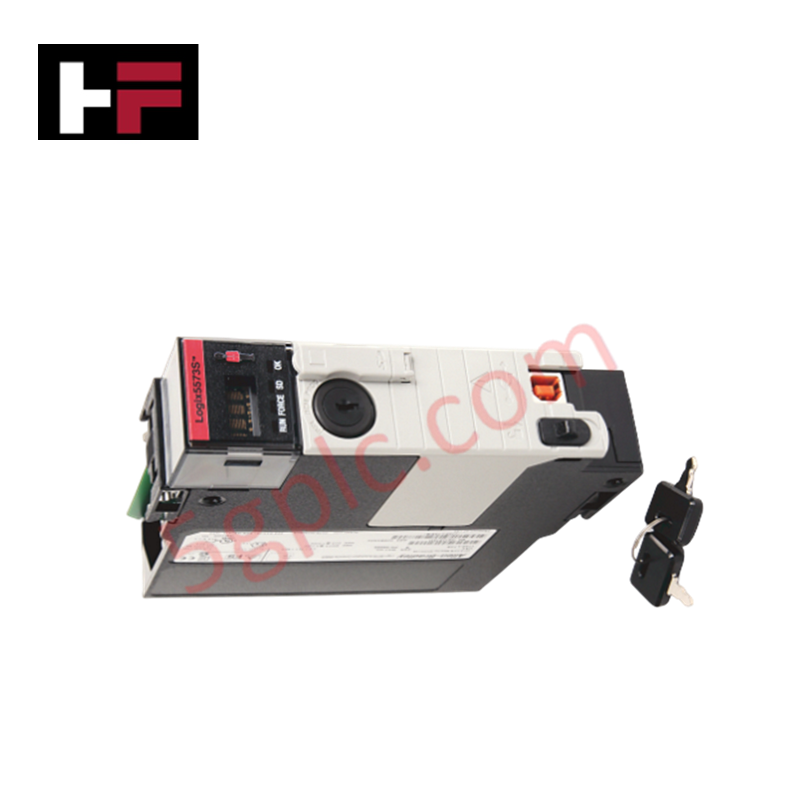
The Allen-Bradley 1756-L81ES functions as a high-performance SIL 3/PLe capable processor within the ControlLogix 5580 family. This GuardLogix controller provides a unified solution for both standard and safety-critical control tasks, executing complex safety logic alongside general automation processes. We supply this unit as 100% Brand New and Original, ensuring your system benefits from the high-speed 1Gbps Ethernet port and the latest security firmware essential for modern smart manufacturing environments.
Technical Specifications
| Feature | Specification Details |
| User Memory | 3 MB |
| Safety Memory | 1.5 MB |
| Nonvolatile Memory | 2 GB (Ships with secure SD card) |
| Ethernet Speed | 10 / 100 / 1000 Mbps (Gigabit) |
| Maximum I/O Points | 128,000 |
| Maximum Ethernet Nodes | 100 |
| Safety Languages | Ladder Diagram (LD) Only |
| Standard Languages | LD, ST, FBD, SFC |
| Power Dissipation | 6.2 Watts |
| Weight | 0.94 lbs (0.43 kg) |
Engineering Advantages
-
Integrated Safety and Motion: The 1756-L81ES eliminates the need for a separate safety partner for many SIL 2 applications, reducing chassis space and hardware costs. It manages high-speed integrated motion over EtherNet/IP, allowing engineers to synchronize safety functions directly with servo drive performance.
-
Gigabit Performance for Data-Intensive Loads: The onboard 1Gbps Ethernet port facilitates rapid data exchange between the CPU and up to 100 nodes. This high bandwidth prevents network bottlenecks when executing complex safety interlocking across distributed I/O systems.
-
Strict Safety Logic Enforcement: To maintain the highest integrity, the controller restricts safety tasks to Ladder Diagram (LD) only. This ensures that safety logic remains easy to audit and verify during third-party safety inspections or risk assessments.
-
Energy-Efficient Thermal Design: With a low power dissipation of 6.2W, the 1756-L81ES minimizes heat buildup within the ControlLogix chassis. This design extends the lifespan of adjacent modules and allows for reliable operation in enclosures where airflow is limited.
FAQs
Q: Can I use Structured Text (ST) for safety logic in the 1756-L81ES? A: No. While the 5580 GuardLogix supports multiple languages for standard tasks, safety tasks strictly require Ladder Diagram (LD). This limitation ensures maximum visibility and adherence to safety programming standards.
Q: Is this unit a "Refurbished" or "Used" surplus module? A: Absolutely not. We guarantee this 1756-L81ES is 100% Brand New and Original. It ships in the manufacturer’s original factory-sealed box, which is critical for safety-rated components where operational history and component fatigue are major factors.
Q: Does this controller require a Safety Partner module? A: The 5580 series controllers, such as the 1756-L81ES, provide an "integrated" safety solution. For many SIL 2 applications, you do not need a separate safety partner, though high-level SIL 3 requirements may still dictate specific architecture configurations in Studio 5000.
Q: How do I backup the program without a permanent PC connection? A: The module includes a 2GB nonvolatile memory card. You can configure the controller to load the program from this SD card automatically upon power-up, ensuring the machine resumes operation immediately after a power cycle or CPU replacement.
Additional Information
- 100% Genuine Parts: All products are original and authentic, ensuring reliable industrial performance.
- 30-Day Refund Guarantee: Return any in-stock item within 30 days in original, unopened packaging for a full refund (excluding shipping and fees).
- 12-Month Warranty: Covers defects in materials or workmanship; excludes misuse, normal wear, or unauthorized modifications.
- Worldwide Shipping: We ship via USPS, UPS, FedEx, and DHL. Delivery times vary by country and may be subject to customs or import fees.
- Support & Contact: Technical and warranty assistance is available anytime. Contact us here: Contact.
- Purchase Guidance: Check product specifications and compatibility carefully before ordering to ensure proper application.
Tech & Buying Guide

Why Programmable Logic Controllers Drop into Stop Mode: An Expert Analysis
Industrial automation systems rely heavily on Programmable Logic Controllers (PLCs) to maintain uninterrupted production. When a PLC unexpectedly shifts from Run to Stop mode, whole manufacturing lines stall.
As control systems evolve across modern factory automation, understanding the root causes of these interruptions helps engineers minimize costly downtime. This technical guide breaks down why PLCs trip into Stop mode and provides practical strategies to mitigate system faults.

Understanding Root Causes of Unplanned PLC Stop Mode in Industrial Automation
Modern Programmable Logic Controllers manage execution through distinct operational states: Run, Stop, Start-Up, and Hold. During power-up, a controller initializes memory registers within Stop mode before briefly transitioning to Start-Up mode. During this phase, internal self-diagnostics evaluate system integrity across hardware and user programs. If the controller detects no critical faults, it enters Run mode to execute the control program continuously. However, any severe system anomaly forces the CPU back into Stop mode immediately to prevent erratic machine behavior across the plant floor.

Human-Machine Interface Design: Essential Guide to HMI Selection, Visualization, and Control System Integration
Human-Machine Interfaces (HMIs) serve as the primary operational window into complex industrial automation systems. Modern HMIs convert raw machine data into clear graphical displays, enabling operators to oversee entire manufacturing processes in real time. Instead of relying on physical control panels full of hardwired switches, engineers program interactive screens using intuitive graphics, dynamic color coding, and responsive touch interfaces. Over my 15 years in control systems engineering, I have observed HMIs transform from basic display screens into sophisticated command centers that drive operational efficiency across DCS and PLC environments.