











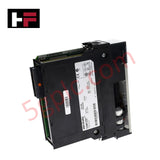
Product Details
Technical Overview
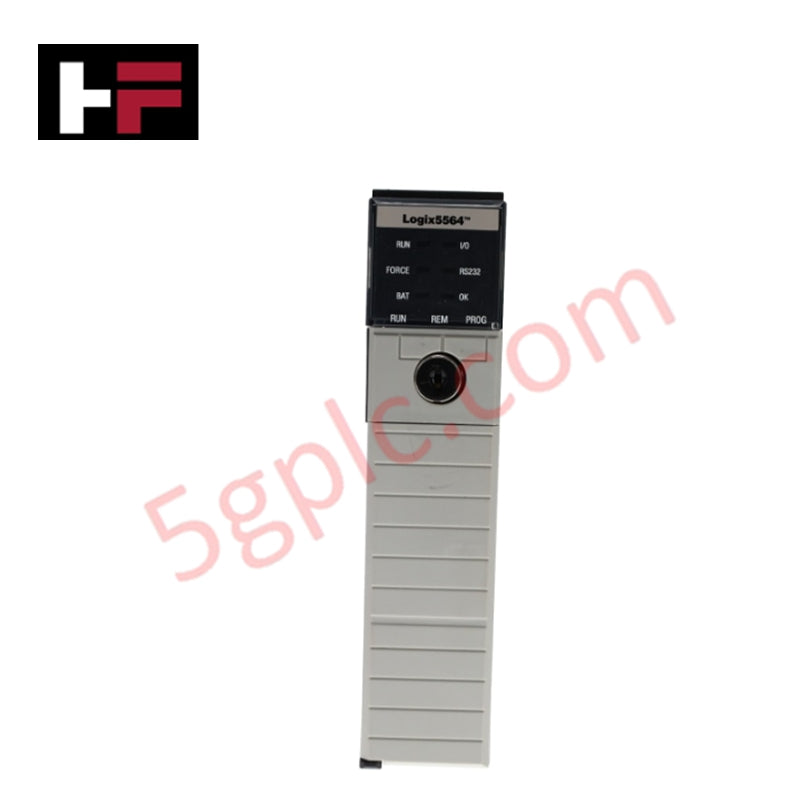
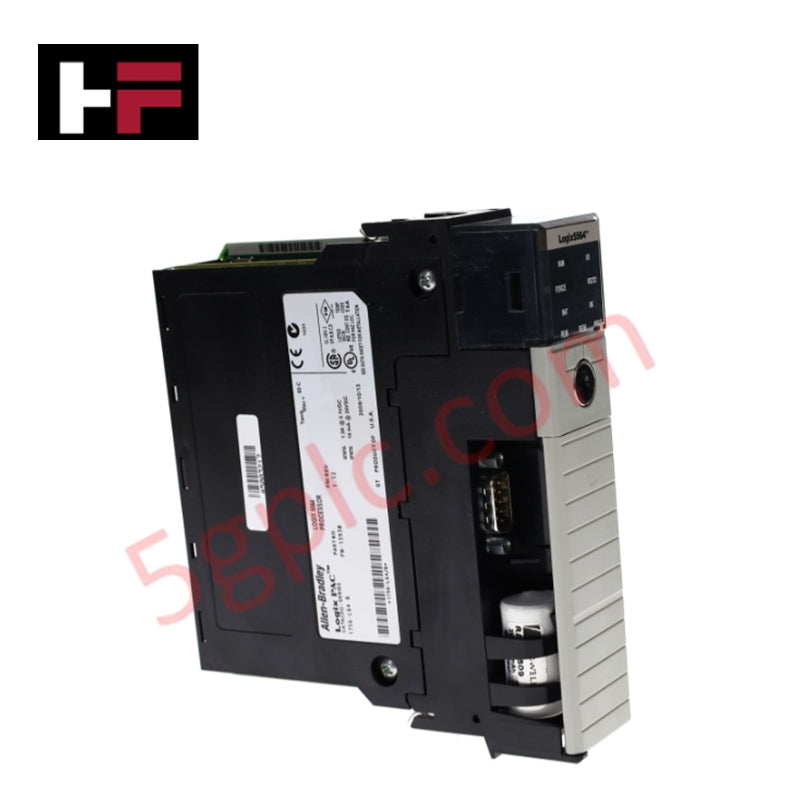
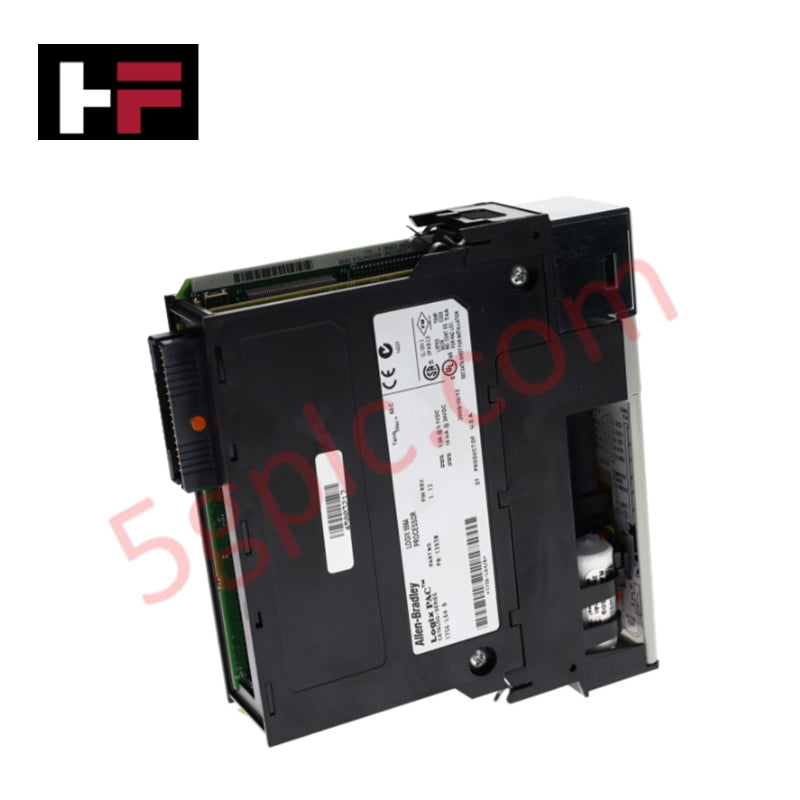
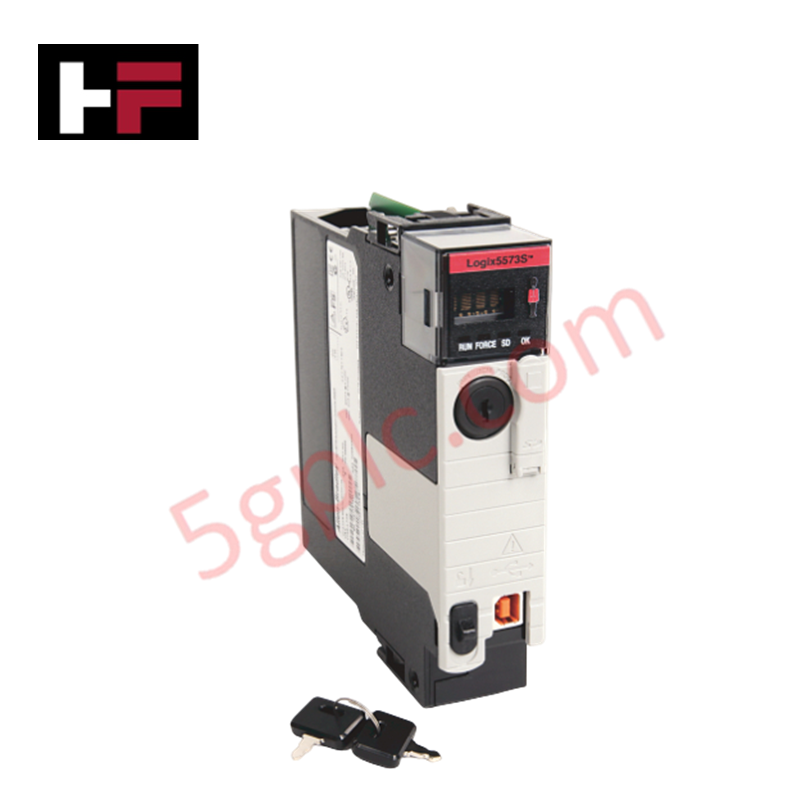
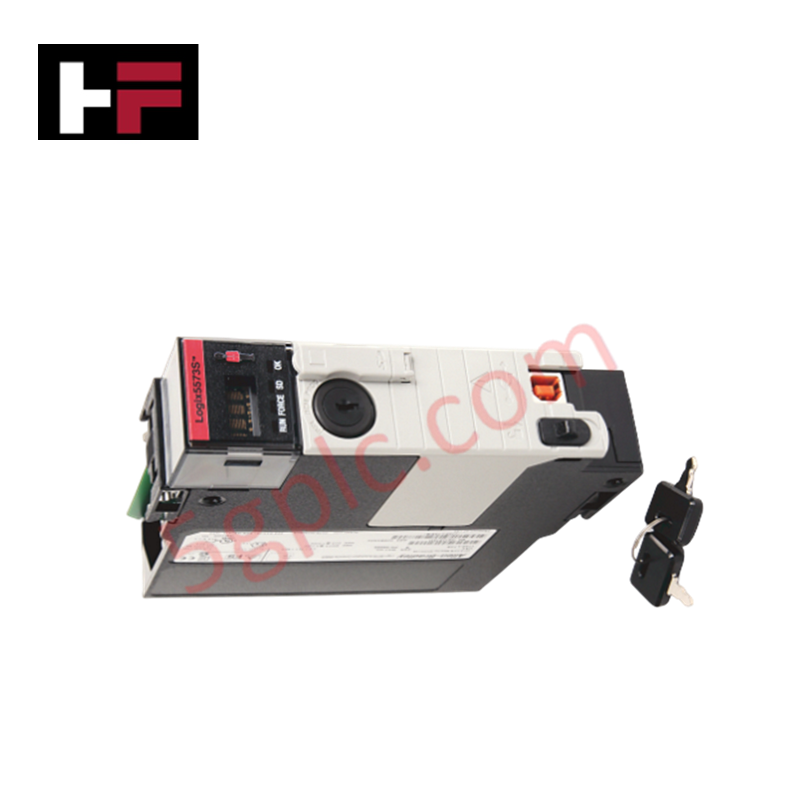
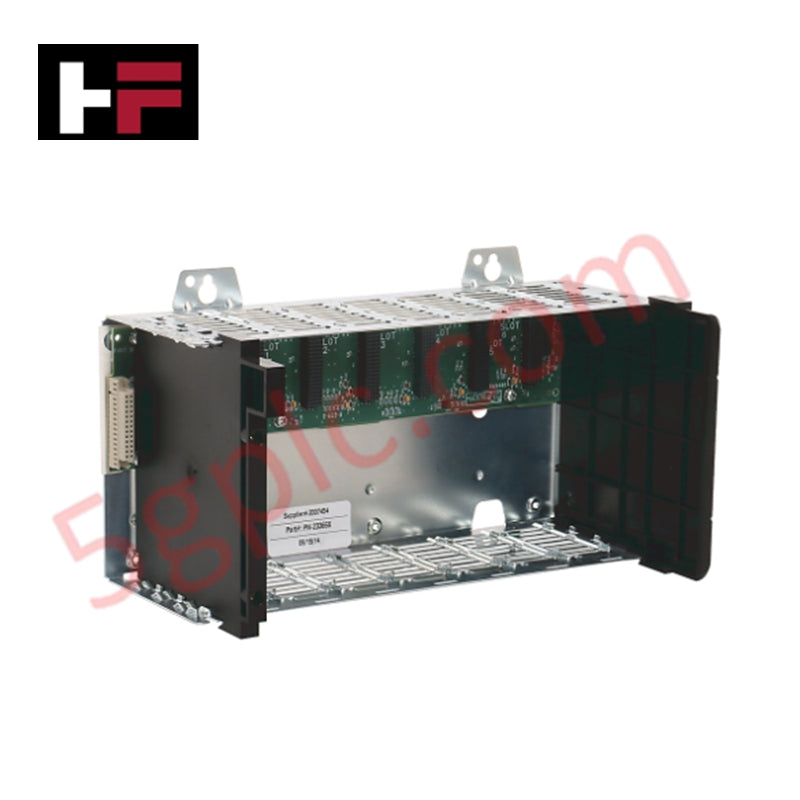
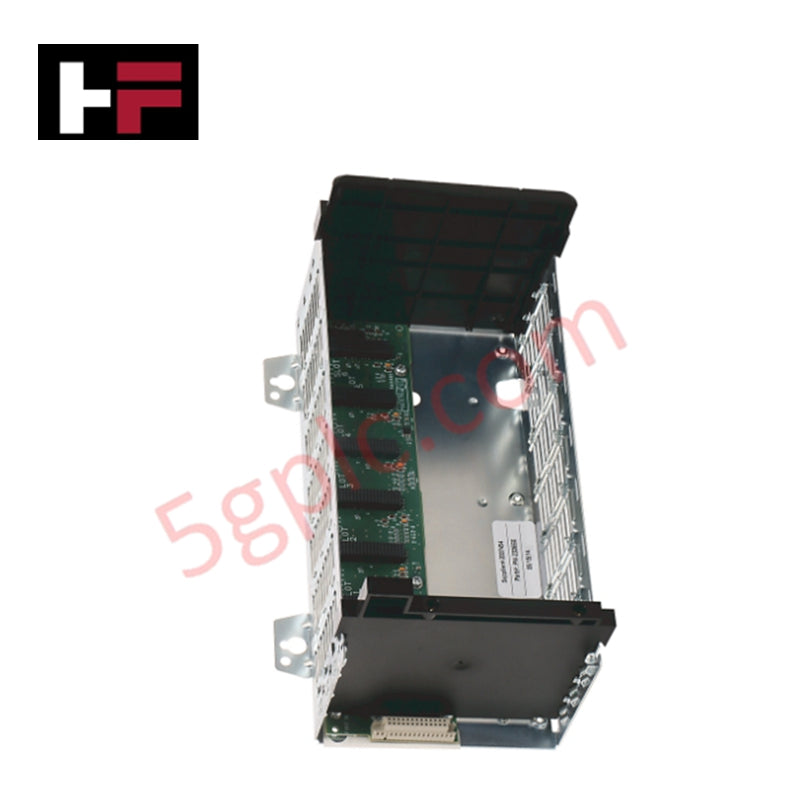
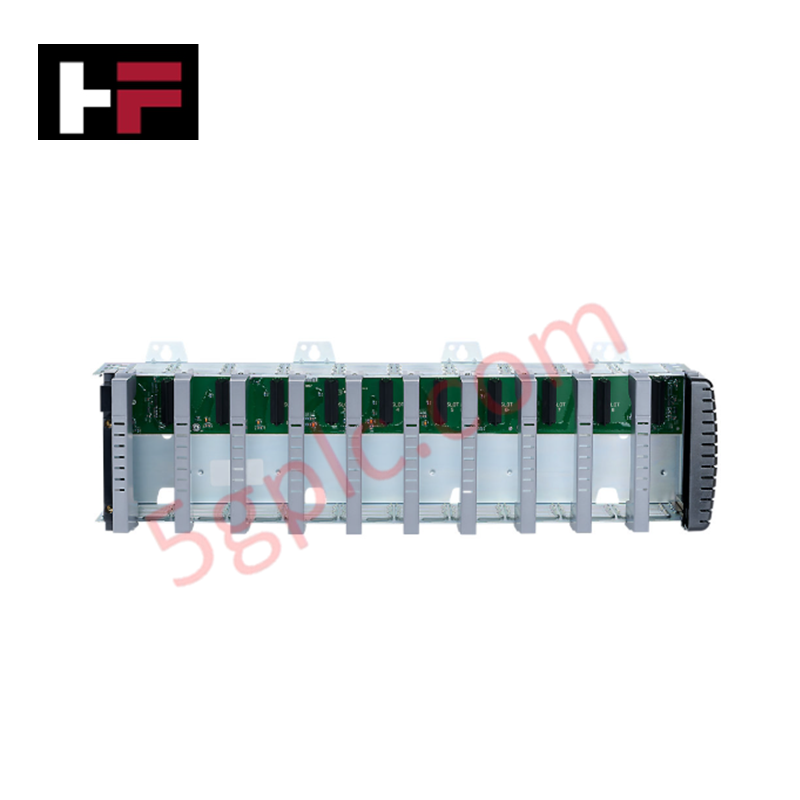
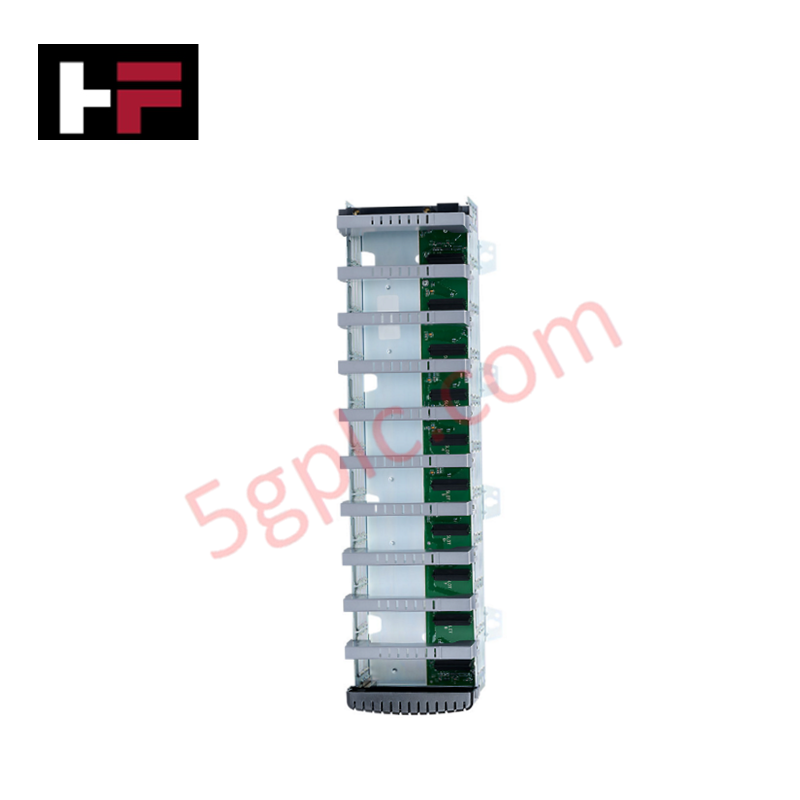
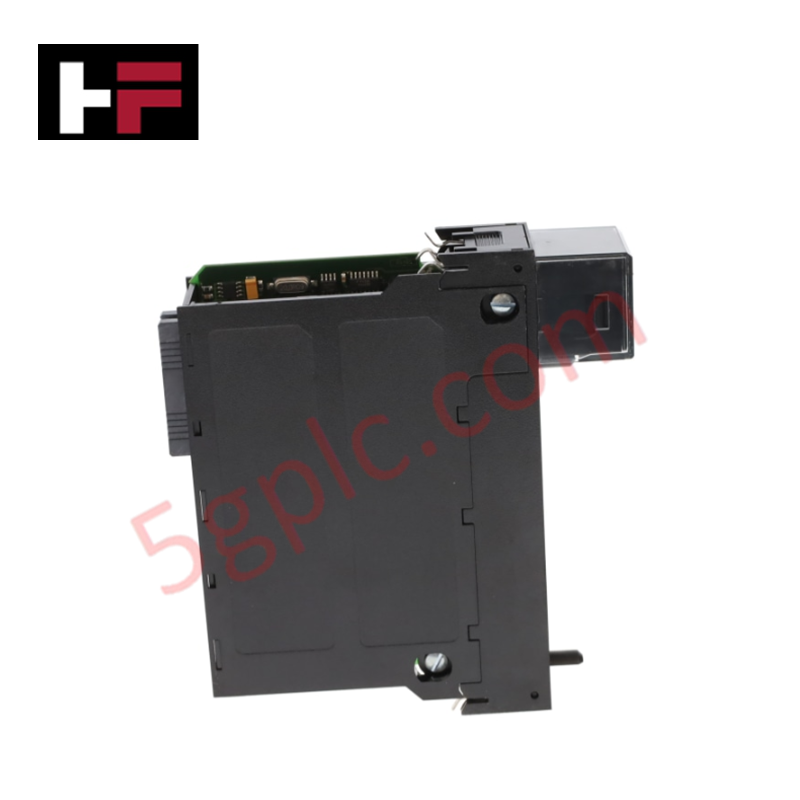
The 1756-L64 is a high-capacity controller within the ControlLogix 5560 family, engineered to manage complex, data-intensive automation tasks. Featuring 16 MB of user memory and an additional 478 KB dedicated to I/O data, this module provides the computational power required for large-scale discrete, motion, and process control applications. It operates within the 1756 chassis system, leveraging the high-speed Producer/Consumer technology for efficient data distribution across the backplane.
Detailed Technical Specifications
-
Manufacturer Allen-Bradley / Rockwell Automation
-
Hardware Line ControlLogix 5560
-
Module Identification 1756-L64
-
Total User Memory 16 MB
-
I/O Dedicated Memory 478 KB
-
Maximum Discrete I/O Capacity 128,000 points
-
Maximum Analog I/O Capacity 4,000 points
-
Total Digital I/O Support 128,000 points
-
Current Draw (5.1V DC) 1200 mA
-
Current Draw (24V DC) 14 mA
-
Power Consumption 3.5 Watts
-
Thermal Output 11.9 BTU/hr
-
Continuous Isolation Voltage 30V
-
Serial Communication Integrated RS-232 port (DF1, DH-485, ASCII)
-
Non-Volatile Storage Compatibility Supports 1784-CF128 CompactFlash cards
-
Module Weight 1.13 lbs (0.51 kg)
Application and Capability
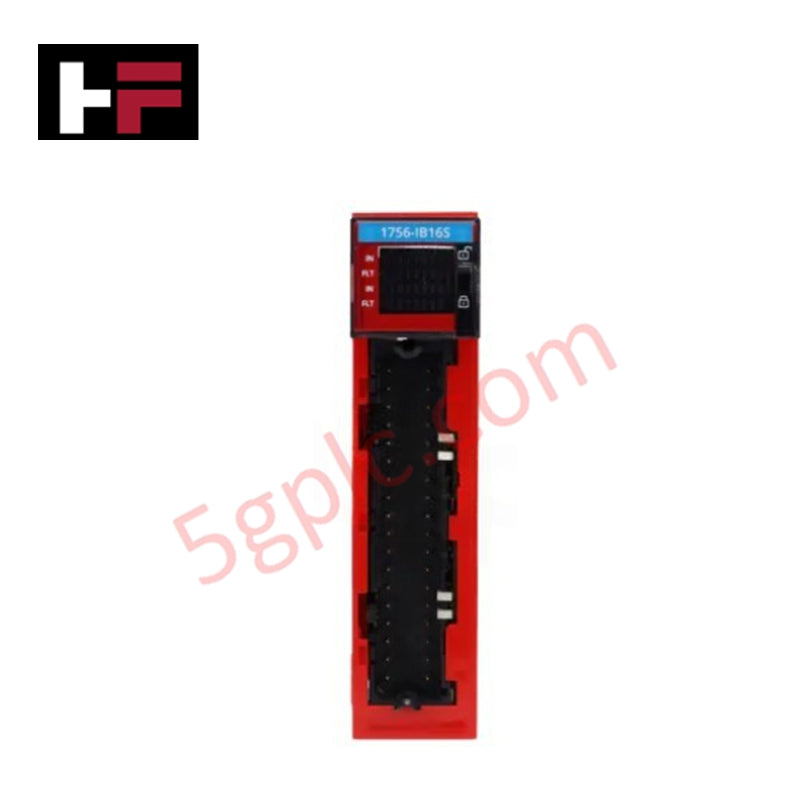
The 1756-L64 is frequently deployed in centralized control systems where high tag counts and complex instruction sets are the norm. It is capable of managing up to 250 controller connections and supports a diverse range of 1756 I/O modules in both local and distributed chassis. Unlike smaller processors in the 5560 range, the 16 MB capacity of the 1756-L64 allows for significant data logging and extensive comment documentation within the controller itself.
Comparison: 1756-L64 vs 1756-L63
-
Memory Capacity The 1756-L64 offers 16 MB of memory, doubling the 8 MB capacity found in the 1756-L63.
-
Instruction Execution Both share the same high-speed execution engine, but the 1756-L64 handles significantly larger program files without requiring memory optimization.
-
Expansion Both support the same 1784-CF128 non-volatile memory cards for backup and firmware storage.
Frequently Asked Questions
-
Does the 1756-L64 require a battery?
Yes, this processor uses the 1756-BA1 or 1756-BA2 lithium battery to maintain the volatile memory during power outages. It is critical to monitor the "BATT" LED status.
-
Can I use this controller in a Redundancy System?
The 1756-L64 is compatible with standard redundancy firmware and the 1756-RM redundancy module, making it suitable for high-availability environments.
-
What programming software is required?
Configuration is performed via Studio 5000 Logix Designer or RSLogix 5000 software, depending on the firmware revision utilized.
Additional Information
- 100% Genuine Parts: All products are original and authentic, ensuring reliable industrial performance.
- 30-Day Refund Guarantee: Return any in-stock item within 30 days in original, unopened packaging for a full refund (excluding shipping and fees).
- 12-Month Warranty: Covers defects in materials or workmanship; excludes misuse, normal wear, or unauthorized modifications.
- Worldwide Shipping: We ship via USPS, UPS, FedEx, and DHL. Delivery times vary by country and may be subject to customs or import fees.
- Support & Contact: Technical and warranty assistance is available anytime. Contact us here: Contact.
- Purchase Guidance: Check product specifications and compatibility carefully before ordering to ensure proper application.
Tech & Buying Guide
Safety Relays in Industrial Automation: Fundamentals, Design Standards, and Fail-Safe Architecture
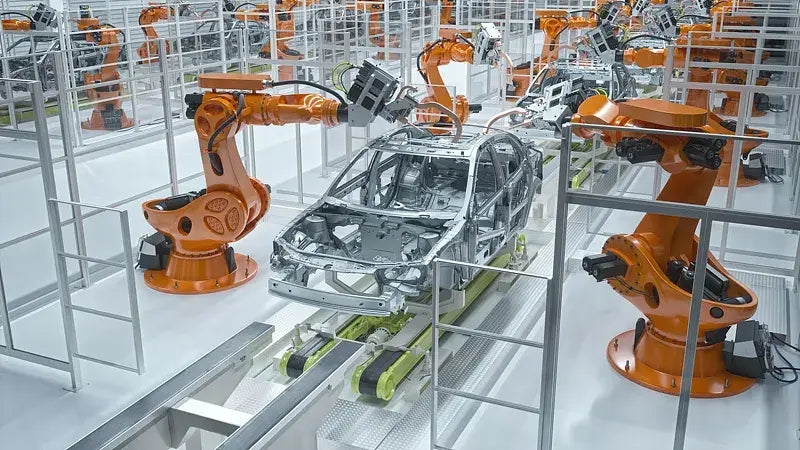
Safety relays form the bedrock of functional safety in modern factory automation, preventing catastrophic equipment failure and protecting plant personnel. While standard electromechanical relays handle basic load switching, they lack the redundant diagnostics required for high-risk industrial environments. Modern industrial automation platforms—including programmable logic controllers (PLCs) and distributed control systems (DCS)—rely on specialized safety relays to monitor field devices and isolate hazards instantly.

Voice-Activated Industrial Automation: Integrating Speech Control into PLC and DCS Architectures
Industrial automation integrates speech recognition, IIoT protocols, and NLP with PLCs and DCS to streamline operations. By leveraging advanced edge computing, engineers enable real-time, hands-free control—allowing personnel to manage smart factory processes safely away from hazardous equipment.
Modern Industrial Automation: Transforming Safety and Efficiency in Mining Operations
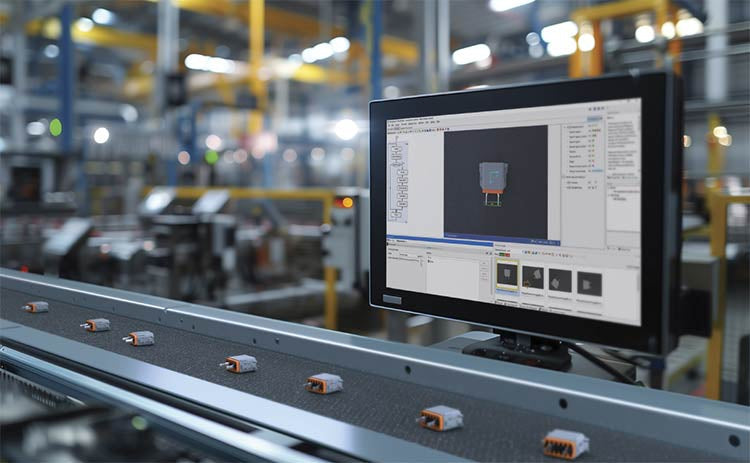
Industrial automation has evolved from a simple manufacturing tool into the operational backbone of high-risk sectors. Modern mining operations increasingly rely on advanced control systems, programmable logic controllers (PLCs), distributed control systems (DCS), and artificial intelligence to address deep-underground hazards. By replacing manual labor in high-risk zones, factory automation technologies protect personnel while significantly boosting operational throughput.