












Product Details
Product Overview
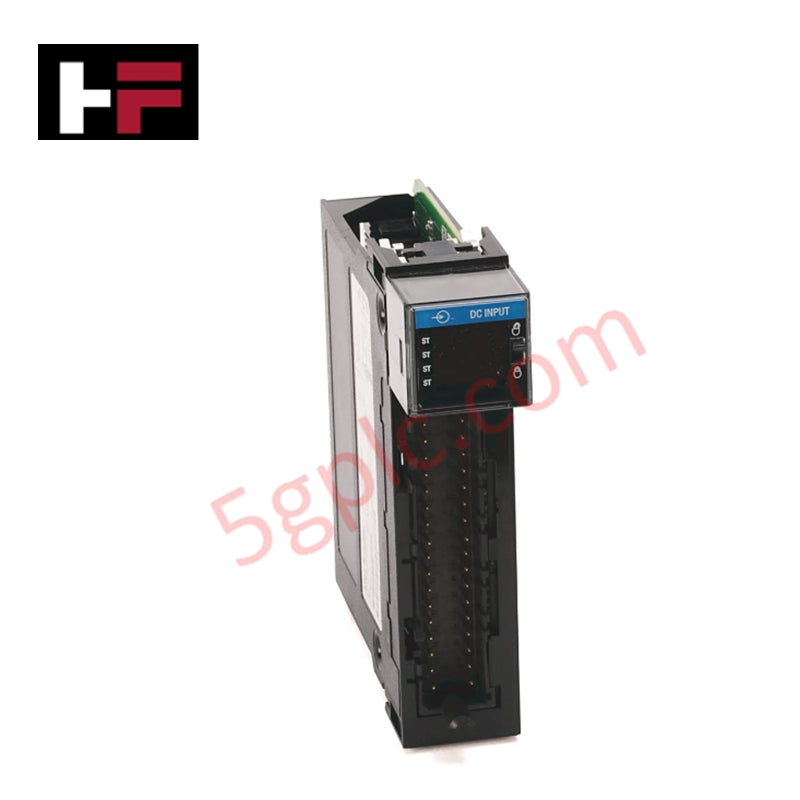
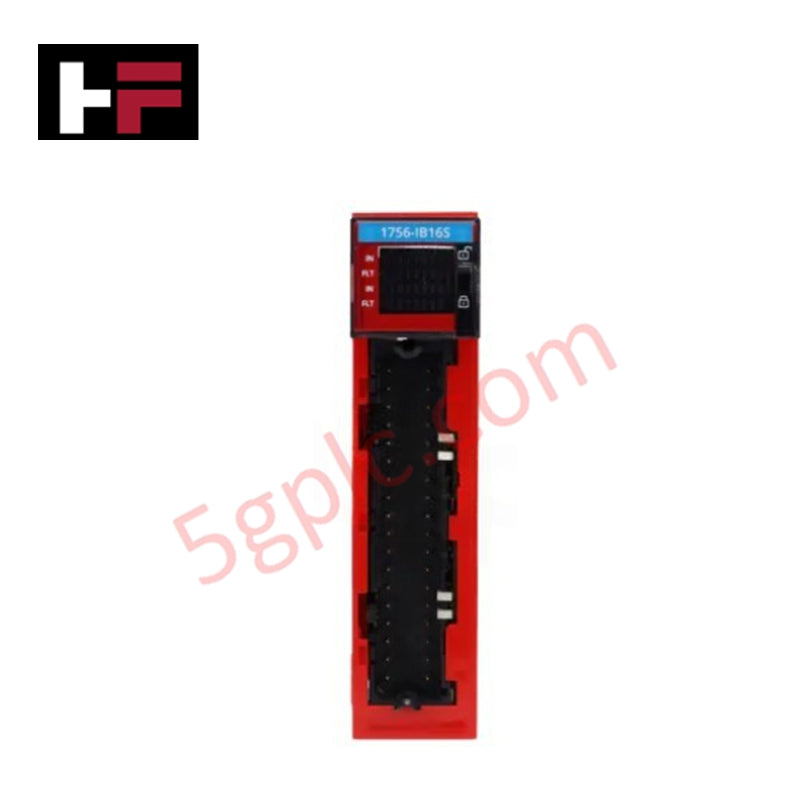
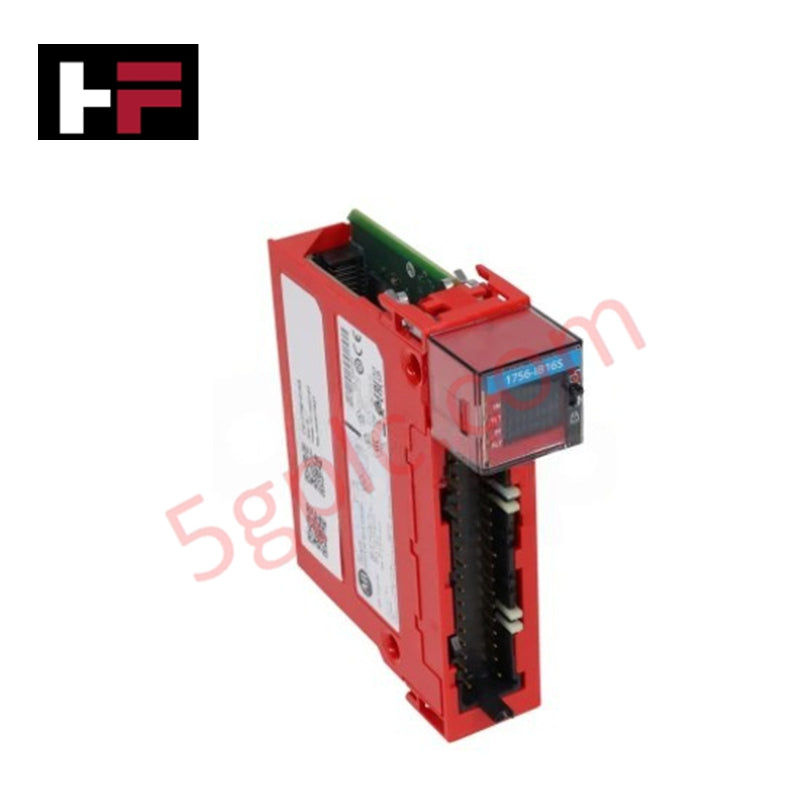
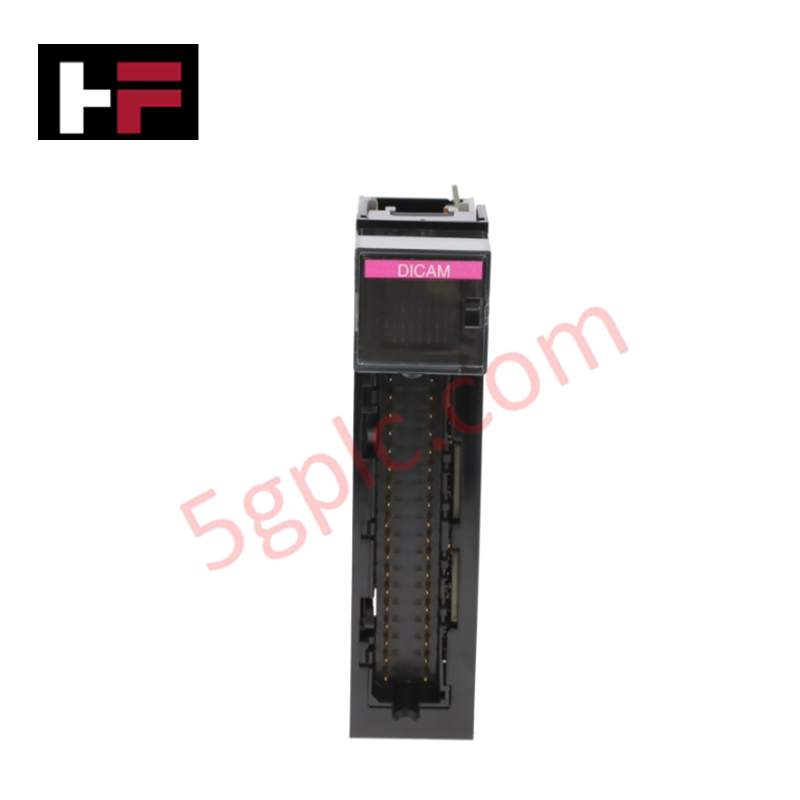
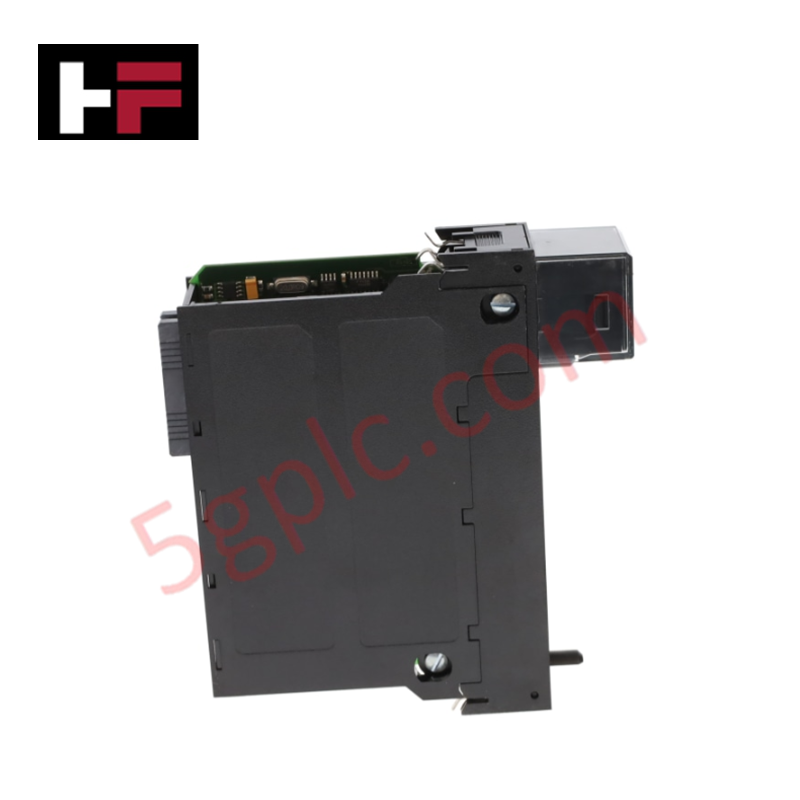
The Allen-Bradley 1756-IV16 functions as a high-density digital input interface for the ControlLogix platform. This module provides 16 sinking input points, allowing the controller to sense discrete signals from field devices such as limit switches, proximity sensors, and pushbuttons. It operates within a flexible 10–30V DC range, making it compatible with a wide array of industrial power standards. We provide this module in 100% Brand New condition, ensuring optimal signal detection and long-term chassis stability for your automation architecture.
Technical Specifications
The 1756-IV16 utilizes the following parameters to ensure precise discrete data acquisition:
| Parameter | Specification |
| Number of Inputs | 16 Sinking Inputs |
| Nominal Input Voltage | 12/24V DC |
| Operating Voltage Range | 10–30V DC |
| Input Delay Time | 2 ms + hardware filter time |
| Peak Power Dissipation | 5.41 Watts @ 60°C |
| Backplane Current (5V) | 110 mA |
| Backplane Current (24V) | 2 mA |
| Off-State Current (Max) | 1.5 mA |
| Weight | 0.19 lbs (0.09 kg) |
Engineering Advantages
The 1756-IV16 streamlines high-speed data collection by addressing specific electrical and mechanical challenges:
-
Sinking Configuration Logic: The sinking design allows the module to receive current from sourcing field devices (PNP). This standard configuration simplifies wiring in complex panels and matches the majority of modern industrial sensor outputs.
-
Customizable Signal Filtering: Users can adjust input filter times to eliminate electrical noise and "contact bounce" from mechanical switches. This software-defined filtering ensures the CPU receives clean, debounced signals even in high-EMI environments.
-
Thermal Management: The module dissipates only 5.41 Watts at peak operation. This low thermal footprint prevents heat buildup within the ControlLogix chassis, protecting adjacent processors and communication modules from heat-induced failure.
-
Rapid Diagnostic Response: The 2ms hardware delay ensures the controller reacts almost instantly to field changes. This speed proves critical for safety interlocks and high-speed counting applications where millisecond accuracy impacts production quality.
FAQs
-
Does the 1756-IV16 require a separate Removable Terminal Block (RTB)?
Yes. You must purchase a 1756-TBNH or 1756-TBSH terminal block separately to connect the field wiring to the module. Ensure you seat the RTB fully to maintain a secure electrical connection.
-
What is the difference between this sinking module and a sourcing module?
The 1756-IV16 is a "Sinking" module, meaning it provides a path to ground (COM) for the current coming from your field device. If your sensors are "Sinking" (NPN), you would typically require a "Sourcing" module instead.
-
Is this a Brand New original Allen-Bradley part?
Yes. We supply only 100% Brand New units in original factory condition. New modules guarantee that internal optoisolators and circuitry possess their full service life without previous electrical stress.
-
Can I hot-swap this module while the chassis is powered?
The ControlLogix platform supports Removal and Insertion Under Power (RIUP). While you can replace the module without shutting down the system, always follow plant-specific safety protocols to prevent accidental machine movement during the swap.
Additional Information
- 100% Genuine Parts: All products are original and authentic, ensuring reliable industrial performance.
- 30-Day Refund Guarantee: Return any in-stock item within 30 days in original, unopened packaging for a full refund (excluding shipping and fees).
- 12-Month Warranty: Covers defects in materials or workmanship; excludes misuse, normal wear, or unauthorized modifications.
- Worldwide Shipping: We ship via USPS, UPS, FedEx, and DHL. Delivery times vary by country and may be subject to customs or import fees.
- Support & Contact: Technical and warranty assistance is available anytime. Contact us here: Contact.
- Purchase Guidance: Check product specifications and compatibility carefully before ordering to ensure proper application.
Tech & Buying Guide

Preventing Spurious Trips in Emergency Stop Systems: A Technical Guide
In industrial automation, the Emergency Stop (E-Stop) pushbutton is the ultimate safety line. However, relying on a single Normally-Closed (NC) contact can sometimes lead to unexpected spurious trips. As a control systems engineer, I have seen these nuisance trips halt entire production lines, causing significant downtime. Understanding why these components fail and how to implement robust architecture is essential for any reliable DCS or PLC-based safety system.

Sequencing Induction Motor Control with PLC Logic: Best Practices
In modern industrial automation, controlling a group of induction motors requires precision and safety. Uncontrolled simultaneous startup of multiple large motors often causes significant voltage dips, potentially triggering protective trips. Therefore, implementing a sequential startup and shutdown strategy is essential. This approach minimizes inrush current and ensures the system operates within established power constraints. A robust PLC program serves as the ideal engine for orchestrating these sequences.

Mastering PLC Programming: Best Practices for Robust Industrial Automation
Writing clean PLC code requires discipline, especially regarding memory management. Avoid overusing SET and RESET instructions, as they often complicate debugging. If multiple rungs control the same bit, troubleshooting becomes a nightmare. Instead, focus on energizing a bit in only one location. If your logic requires complex conditions, use branches within a single rung. This approach keeps your code readable, maintainable, and significantly easier to audit during downtime.