










Product Details
Module Overview
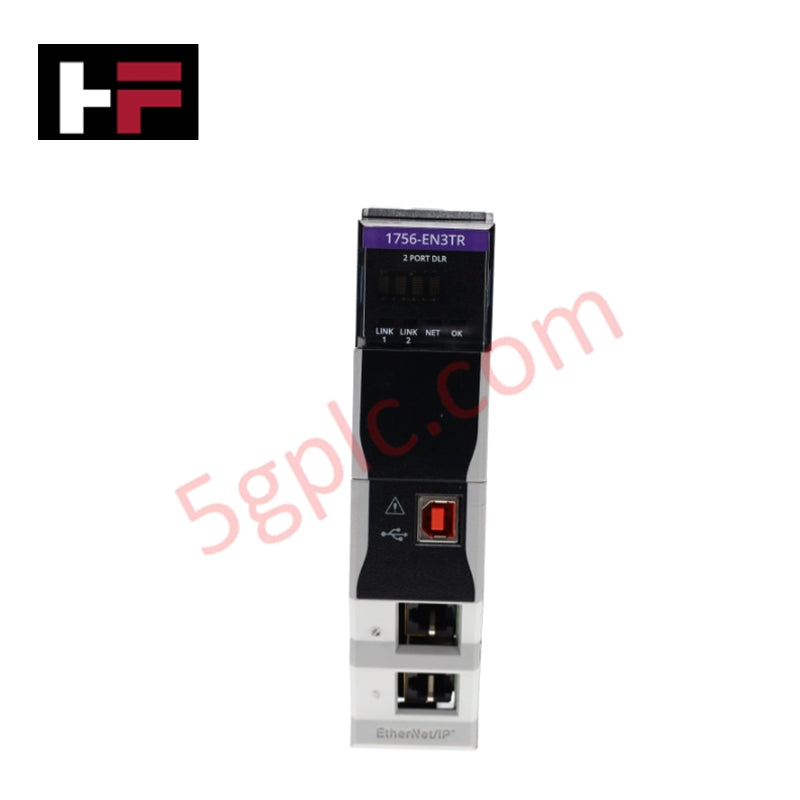
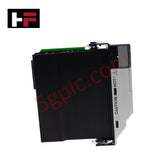
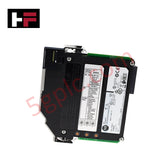
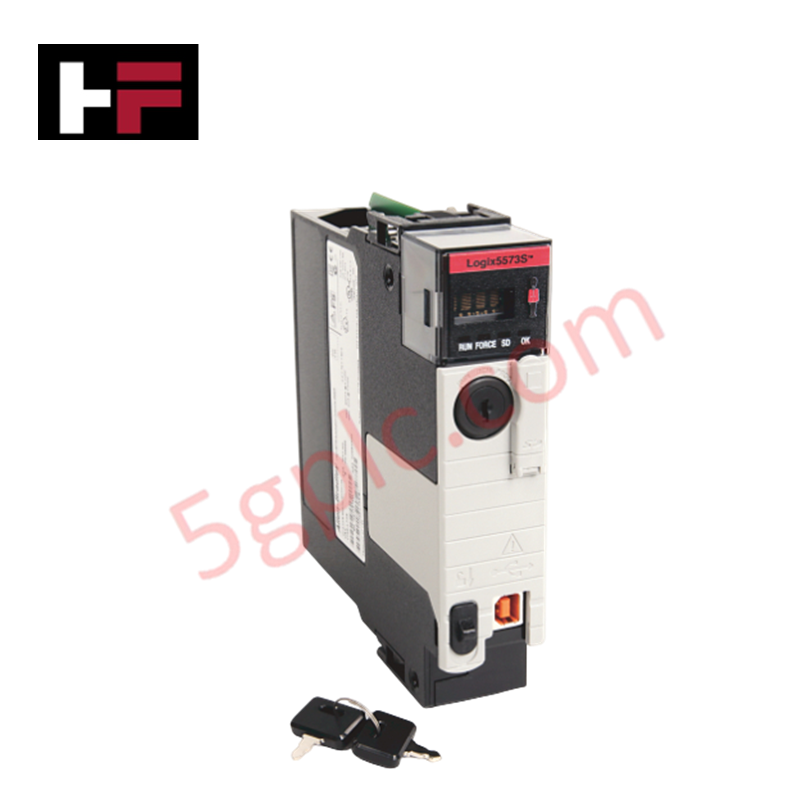
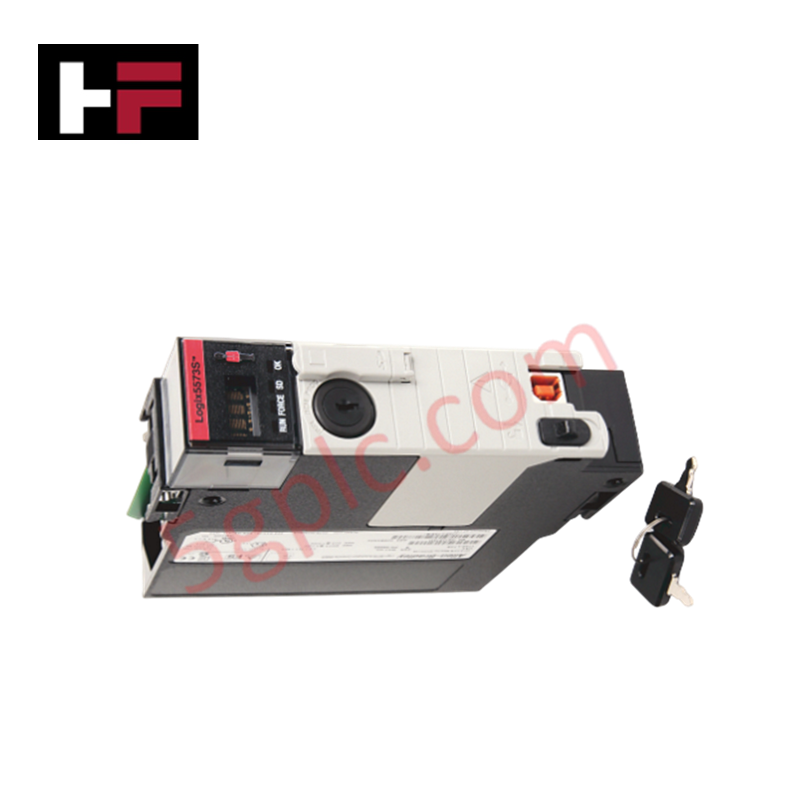
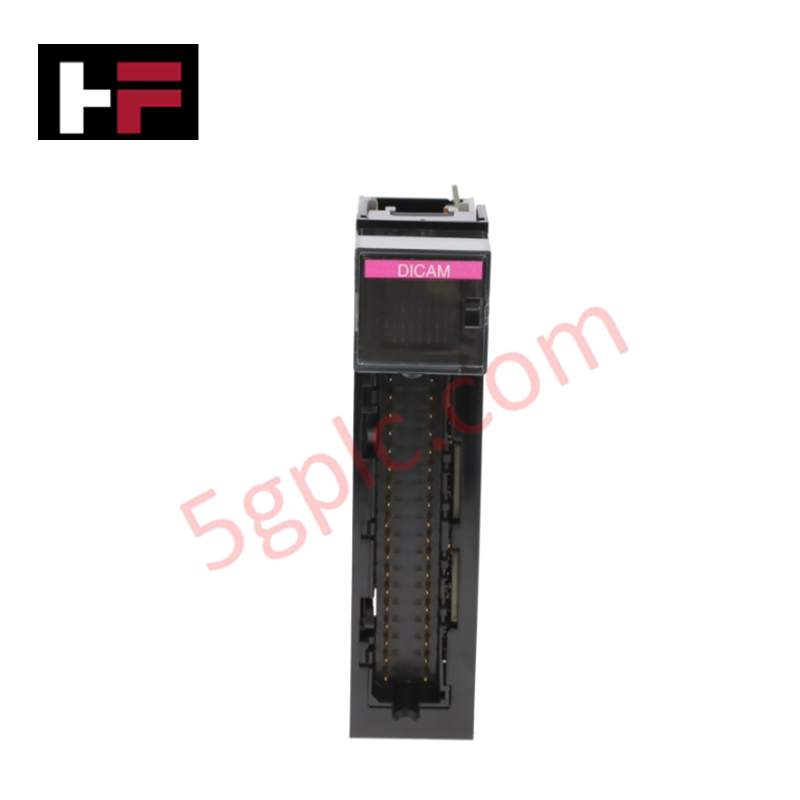
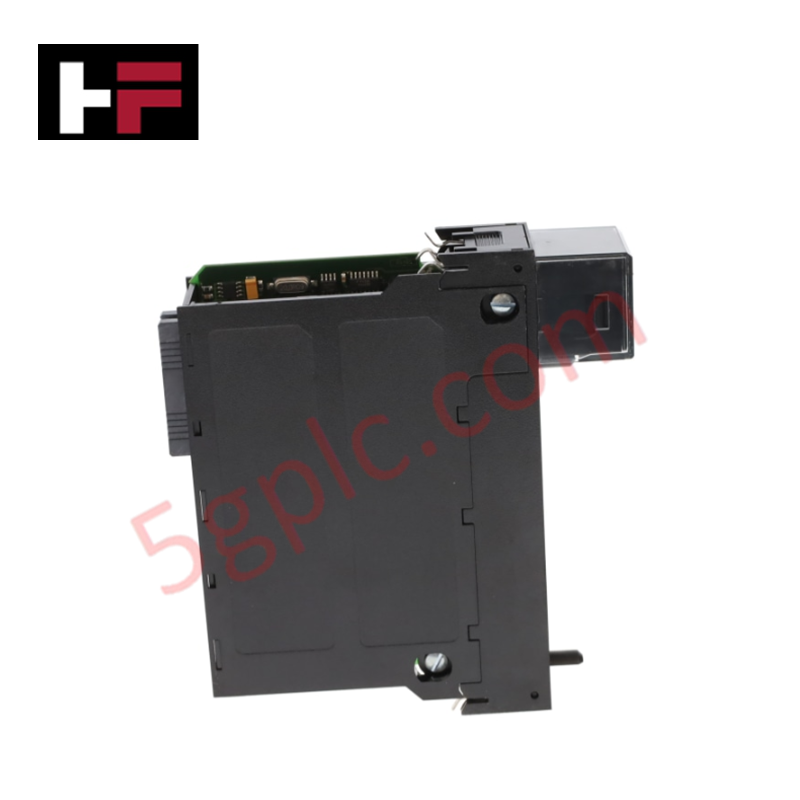
The 1756-EN3TR is a high-performance Ethernet/IP communication interface specifically engineered for the Allen-Bradley ControlLogix platform. Featuring a built-in two-port switch, this module facilitates high-speed data exchange, distributed I/O control, and seamless integration with industrial networks. It is a cornerstone for modern automation architectures, supporting advanced networking features such as Device Level Ring (DLR) for enhanced system resiliency and Integrated Motion on EtherNet/IP for precise synchronized axis control.
Detailed Engineering Specifications
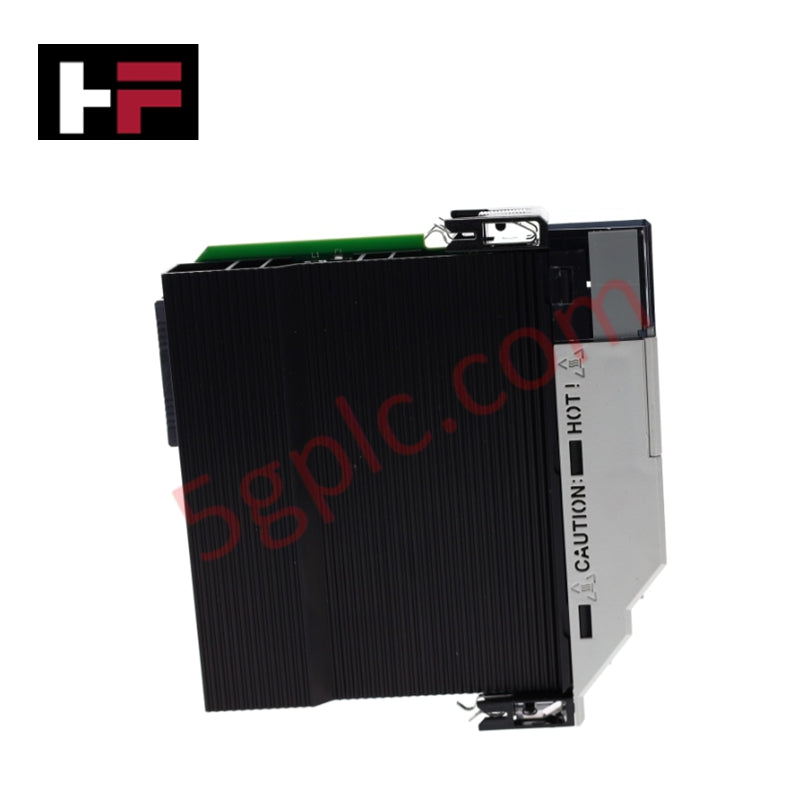
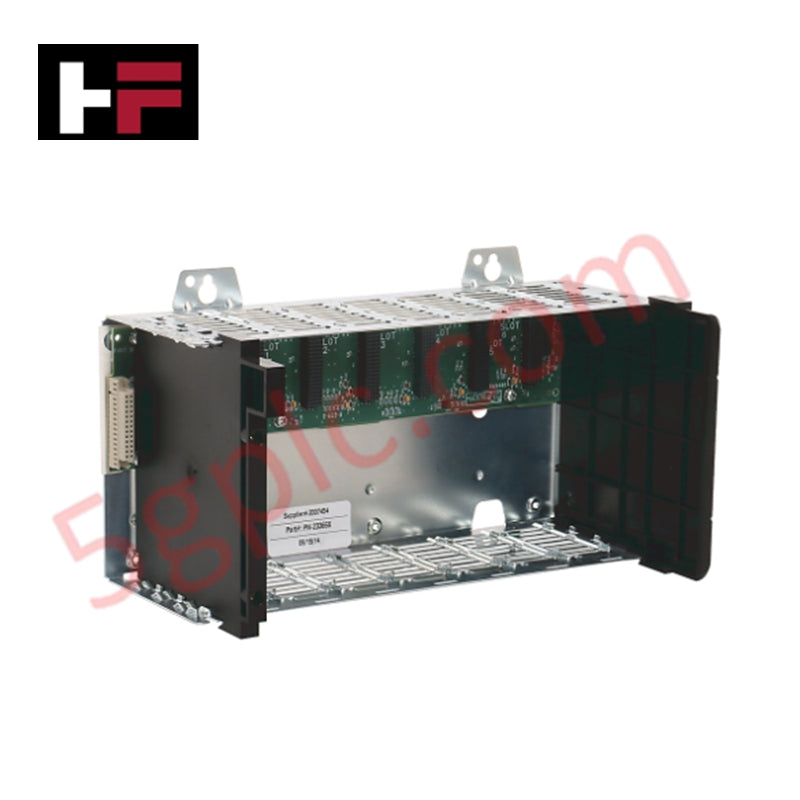
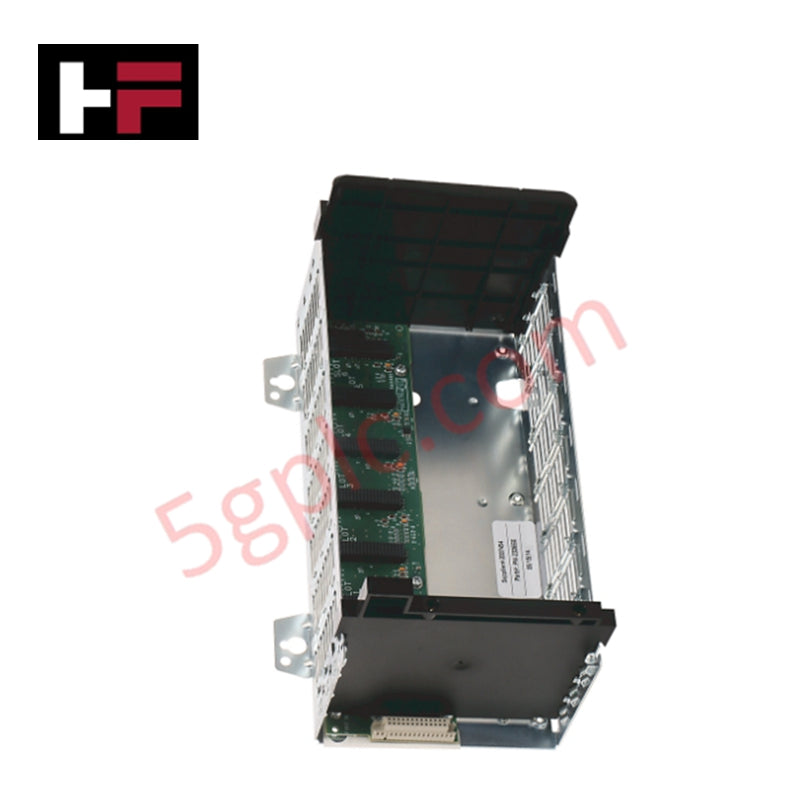
The 1756-EN3TR is designed to occupy a single slot in any standard 1756 chassis, drawing power directly from the backplane to manage complex network traffic and motion synchronization.
-
Module Type: EtherNet/IP Communication Interface
-
Physical Ports: Two (2) Ethernet (RJ-45) and One (1) USB 1.1 (Type B)
-
Ethernet Transfer Speed: 10/100 Mbps (Full/Half Duplex)
-
USB Transfer Rate: 12 Mbps (Local configuration/Programming)
-
Network Topologies: Linear, Star, and Device Level Ring (DLR)
-
Backplane Current (5.1V DC): 1.0 Ampere
-
Backplane Current (24V DC): 3 Milliamps
-
Total Power Dissipation: 5.1 Watts
-
Thermal Dissipation: 17.4 BTU/hr
-
Integrated Motion Support: Up to 128 Axes of motion
-
Isolation Voltage: 30V Continuous (Basic Insulation Type)
-
Operating Temperature: 0°C to 60°C (32°F to 140°F)
-
Chassis Compatibility: 1756-A4, -A7, -A10, -A13, -A17 (Series B and C)
-
Slot Width: Single-slot occupancy
Networking Capabilities and Topology Support
A primary advantage of the 1756-EN3TR is its native support for Device Level Ring (DLR) technology. In a DLR configuration, the module's dual ports allow the network to be wired in a physical ring. If a single cable failure occurs, the module automatically reroutes traffic, ensuring the PLC system remains operational without a loss of I/O control. This high-availability feature is critical for large-scale manufacturing lines and process plants where downtime is costly.
Integrated Motion on EtherNet/IP
The 1756-EN3TR is optimized for high-performance motion control. It is capable of managing up to 128 axes of Integrated Motion on EtherNet/IP, allowing the ControlLogix processor to synchronize servo drives (such as Kinetix series) directly over the standard Ethernet network. This eliminates the need for specialized SERCOS hardware and simplifies the wiring of multi-axis machines.
Technical FAQ
Can the two Ethernet ports be assigned different IP addresses?
No. The two RJ-45 ports on the 1756-EN3TR act as an internal unmanaged switch. They share a single MAC address and a single IP address. They are intended for daisy-chaining or creating a DLR ring, not for bridging two separate subnets.
What is the function of the USB port on the front faceplate?
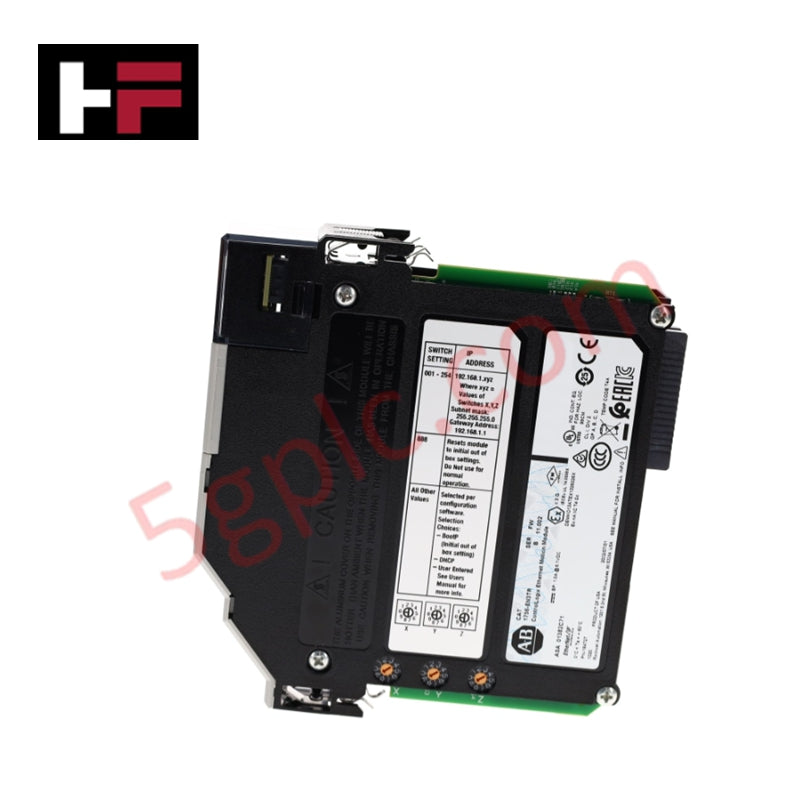
The USB port is intended for local configuration and temporary programming access. It allows a technician to connect a laptop directly to the module to configure the IP address or perform firmware updates via RSLinx without needing to be on the primary network.
Is this module compatible with standard 1756 power supplies?
Yes. The 1756-EN3TR is fully compatible with all standard ControlLogix power supplies (e.g., 1756-PA72, 1756-PB75) and redundant power supply configurations (e.g., 1756-PA75R).
Additional Information
- 100% Genuine Parts: All products are original and authentic, ensuring reliable industrial performance.
- 30-Day Refund Guarantee: Return any in-stock item within 30 days in original, unopened packaging for a full refund (excluding shipping and fees).
- 12-Month Warranty: Covers defects in materials or workmanship; excludes misuse, normal wear, or unauthorized modifications.
- Worldwide Shipping: We ship via USPS, UPS, FedEx, and DHL. Delivery times vary by country and may be subject to customs or import fees.
- Support & Contact: Technical and warranty assistance is available anytime. Contact us here: Contact.
- Purchase Guidance: Check product specifications and compatibility carefully before ordering to ensure proper application.
Tech & Buying Guide
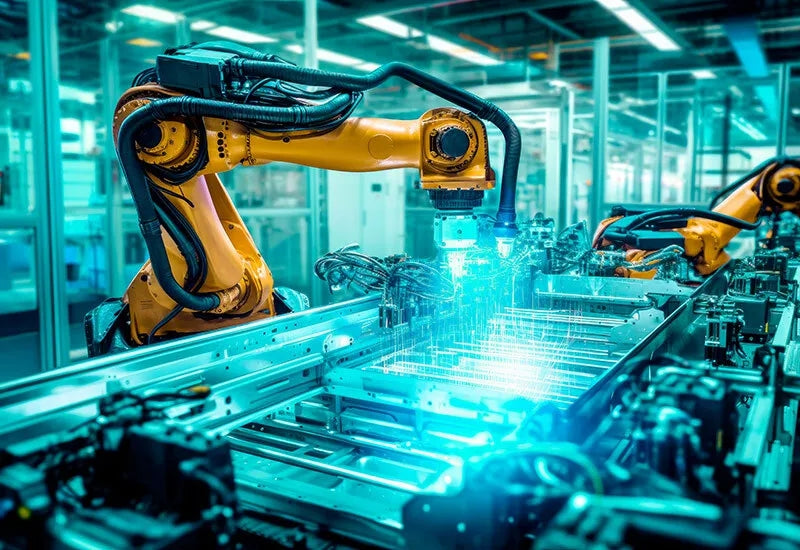
Why 24V DC Power Supplies Standardize Modern Industrial Automation
Industrial control cabinets worldwide rely on 24V DC as the universal power standard for field instrumentation, sensors, and controllers. Walk into any manufacturing plant, and you will find PLCs, human-machine interfaces (HMIs), and smart actuators running on extra-low voltage DC. Standardizing on 24V DC enhances operational safety, lowers cabinet footprint, and maintains steady control performance across factory networks.

Essential Motion Control Commands: A Practical Guide for Engineers
Automation engineers often rely on precise position and speed control to drive modern factory machinery. Modern industrial systems, such as Programmable Logic Controllers (PLCs) and Distributed Control Systems (DCS), depend heavily on standardized motion instructions. Mastering these commands ensures operational safety, protects mechanical components, and optimizes cycle times across production lines.
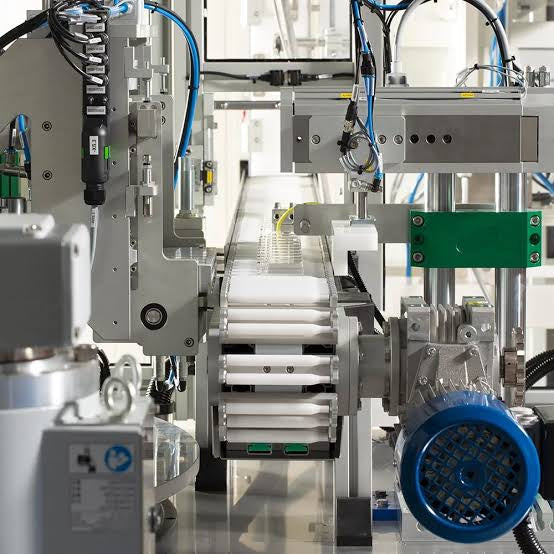
Mastering Modern Industrial Joystick Controls in Heavy Automation
Industrial joysticks play a pivotal role in human-machine interaction across heavy material handling and mobile hydraulics. These tactile controllers translate complex operator movements into precise electrical signals for PLCs, motion controllers, and DCS networks. Consequently, selecting and installing the right joystick architecture ensures operator safety, reduces fatigue, and optimizes equipment performance.