












Product Details
Technical Overview
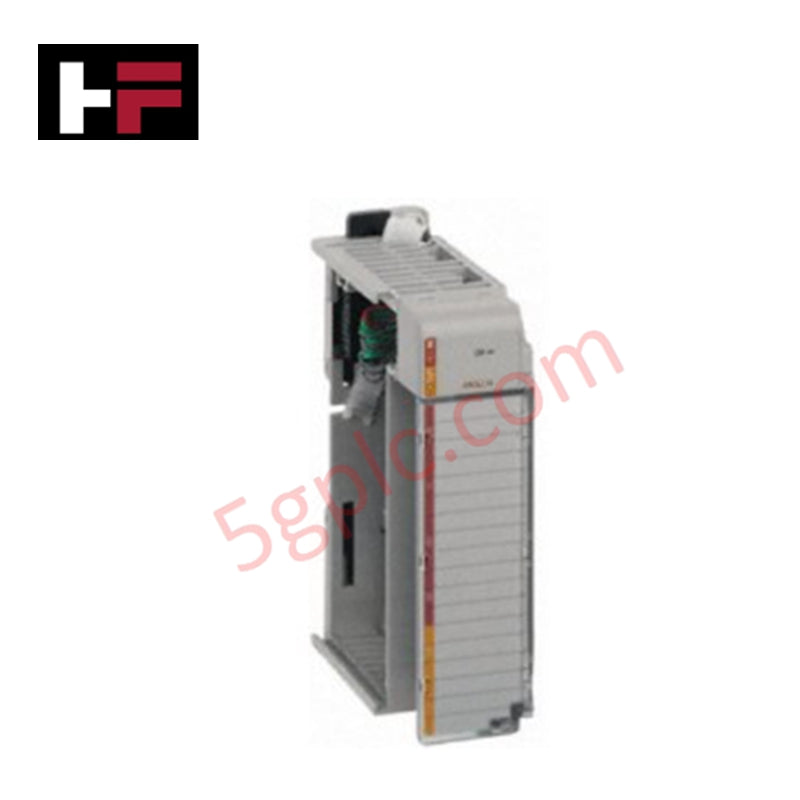
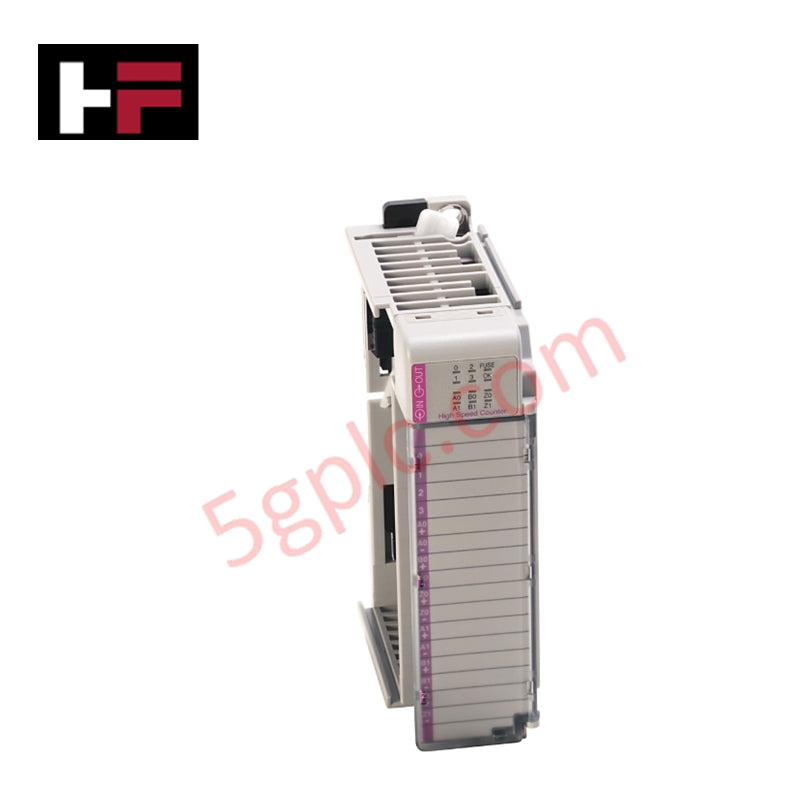
The 1769-SM2serves as a specialized gateway interface that bridges Allen Bradley Compact I/O chassis with Drive Serial Interface (DSI) and Modbus RTU-compatible hardware. This single-slot module allows CompactLogix and MicroLogix 1500 controllers to communicate directly with PowerFlex 4-class and PowerFlex 7-class drives, enabling comprehensive parameter adjustment, control, and real-time monitoring.
Designed for industrial versatility, the 1769-SM2 supports up to three DSI peripheral devices or a Modbus RTU network. By integrating drive control into the standard I/O backplane, engineers can reduce the need for separate network scanners and simplify the architecture of motor control centers. The module is engineered for high reliability, featuring high vibration and shock resistance suitable for demanding factory floor environments.
Technical Specifications
-
Module Type DSI and Modbus RTU Communication Interface
-
Compatibility CompactLogix controllers and MicroLogix 1500 systems
-
Supported Drive Families PowerFlex 4, 40, 40P, 400, and PowerFlex 7-Class
-
Modbus RTU Baud Rates 300, 600, 1200, 2400, 4800, 9600, 19200, or 38400 bps
-
DSI Transfer Speed 19200 bps (fixed)
-
Backplane Current Draw 350mA at 5.1V DC (0mA at 24V DC)
-
Power Supply Distance Rating Maximum of 8 modules from power supply
-
Mounting Options DIN Rail or Panel Mount
-
Operating Temperature Range -10 to 50 °C (14 to 122 °F)
-
Shock and Vibration 30g operating shock and 5g vibration at 10-500 Hz
-
Wiring Compatibility 22-14 AWG solid copper or 22-16 AWG stranded copper
-
Chassis Width Single Slot
Application Scenarios
The 1769-SM2 is primarily utilized in automation systems where coordinated drive control is essential
-
Integration of PowerFlex 4-series drives into a CompactLogix control architecture without Ethernet adapters.
-
Bridging Modbus RTU field devices, such as power meters or third-party sensors, into a Rockwell Automation environment.
-
Decentralized motor control where high-speed serial communication is preferred over traditional analog I/O.
-
Retrofitting existing MicroLogix 1500 systems to add advanced drive diagnostics and parameter management.
Technical FAQ
Can this module control both DSI and Modbus devices simultaneously?The 1769-SM2 can be configured to operate in different modes; however, the physical ports are typically dedicated to one protocol environment at a time per channel to ensure timing and data integrity.
How many drives can a single module support?When utilized in DSI mode, the module can connect up to three PowerFlex drives via its internal ports. In Modbus RTU mode, the capacity follows standard RS-485 loading rules, though performance is best optimized for smaller machine-level networks.
Is external power required for the 1769-SM2?No external power supply is needed for the logic side. The module draws its operating current directly from the Compact I/O backplane.
Additional Information
- 100% Genuine Parts: All products are original and authentic, ensuring reliable industrial performance.
- 30-Day Refund Guarantee: Return any in-stock item within 30 days in original, unopened packaging for a full refund (excluding shipping and fees).
- 12-Month Warranty: Covers defects in materials or workmanship; excludes misuse, normal wear, or unauthorized modifications.
- Worldwide Shipping: We ship via USPS, UPS, FedEx, and DHL. Delivery times vary by country and may be subject to customs or import fees.
- Support & Contact: Technical and warranty assistance is available anytime. Contact us here: Contact.
- Purchase Guidance: Check product specifications and compatibility carefully before ordering to ensure proper application.



Tech & Buying Guide

Navigating Industrial Automation Failures: Types, Causes, and Mitigation Strategies
Modern manufacturing relies heavily on automated control systems to maximize throughput and maintain product quality. However, unplanned downtime in industrial automation can cost facility operators thousands of dollars per hour. Understanding how programmable logic controllers (PLCs), distributed control systems (DCS), and field instrumentation fail empowers engineering teams to implement robust preventive maintenance strategies.
Essential Motion Control Commands: A Practical Guide for Engineers
Automation engineers often rely on precise position and speed control to drive modern factory machinery. Modern industrial systems, such as Programmable Logic Controllers (PLCs) and Distributed Control Systems (DCS), depend heavily on standardized motion instructions. Mastering these commands ensures operational safety, protects mechanical components, and optimizes cycle times across production lines.

The Role of Intrinsic Safety Barriers in PLC and DCS Architectures
Implementing robust protection in hazardous industrial environments represents a fundamental safety requirement in factory automation. Process facilities often handle volatile gases, dusts, and chemical agents that pose significant combustion risks. Consequently, control system engineers must deploy energy-limiting interfaces to isolate safe-area control cabinets from hazardous-area field instrumentation. This article examines the function, selection, and electrical principles of intrinsic safety barriers within modern PLC and DCS networks.