











Product Details
Product Overview
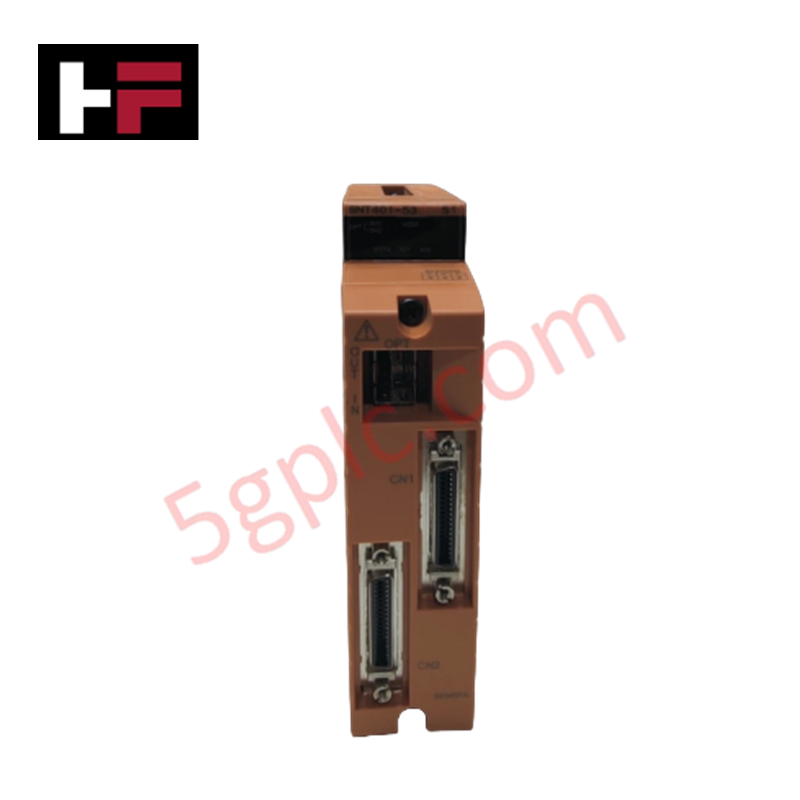
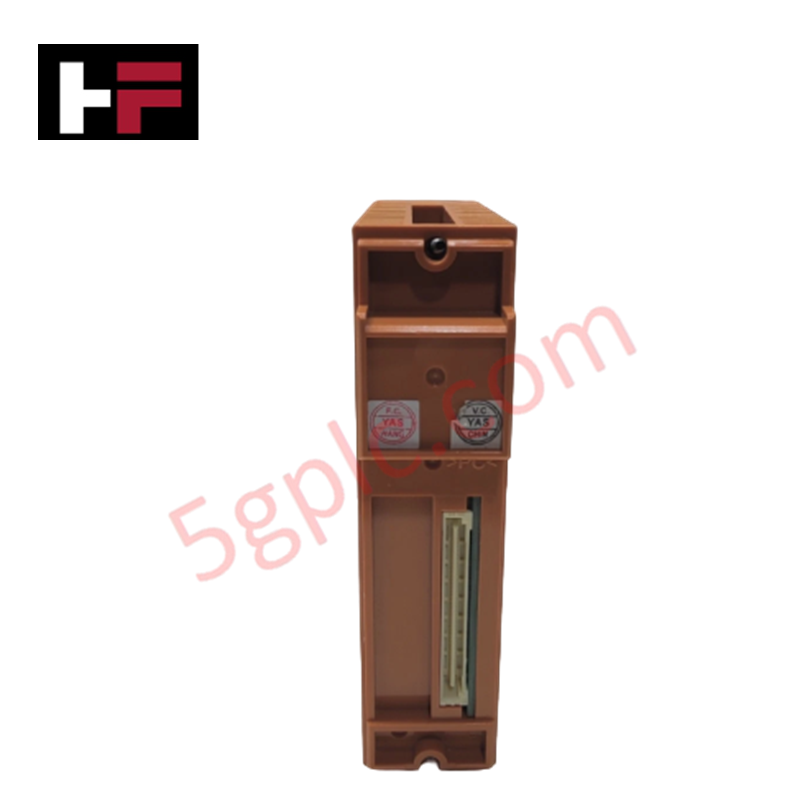
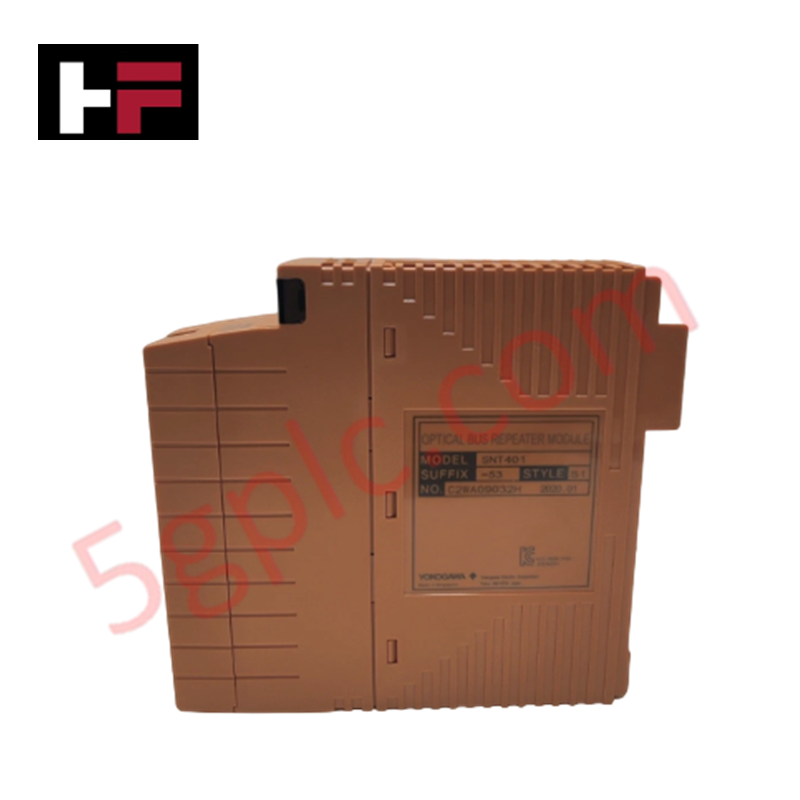
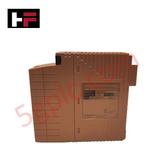
The Yokogawa SNT401-53 serves as a high-performance Optical ESB Bus Repeater Module within the CENTUM VP and CS 3000 distributed control system (DCS) architectures. This module converts electrical ESB bus signals into optical signals, allowing for significant distance extension between the Field Control Station (FCS) and remote I/O nodes. By utilizing fiber optic media, it bridges geographically dispersed units while maintaining high-speed data synchronization. We supply this component as 100% Brand New and original, ensuring factory-certified signal integrity for mission-critical automation networks.
Part Number Breakdown
Yokogawa utilizes specific alphanumeric suffixes to define hardware performance and communication standards:
| Code Segment | Technical Definition |
| SNT401 | Base Model: Optical ESB Bus Repeater Module |
| -5 | Standard communication speed and protocol revision |
| 3 | Hardware style code for enhanced fiber optic transceiver compatibility |
| S1 | Revision level for optimized power consumption and heat dissipation |
Technical Specifications
The SNT401-53 features a slim, high-efficiency design optimized for cabinet-level integration.
-
Manufacturer: Yokogawa Electric Corporation
-
Origin: Japan
-
Media Type: Fiber Optic (for long-distance ESB bus extension)
-
Dimensions: 2.2 cm x 12.4 cm x 12.6 cm
-
Weight: 0.3 kg
-
System Compatibility: CENTUM VP, CENTUM CS 3000
-
Power Supply: 5 VDC (Supplied via the module nest)
-
Condition: 100% Brand New and Original
Engineering Advantages
The SNT401-53 addresses several critical industrial networking challenges:
-
Total Electromagnetic Immunity: By transitioning from copper to fiber optics, this module completely eliminates risks associated with electromagnetic interference (EMI) and radio frequency interference (RFI). This ensures stable communication even when routing bus lines near high-voltage switchgear or variable frequency drives (VFDs).
-
Extended Network Reach: Traditional copper ESB bus cables limit distance between nodes. The SNT401-53 extends the control network over kilometers, enabling the integration of remote pump houses or auxiliary plants into a centralized control room.
-
Electrical Isolation and Surge Protection: The optical interface provides total electrical galvanic isolation between the master FCS and slave nodes. This architecture prevents ground loops and protects the central processor from lightning strikes or high-voltage surges occurring at remote field sites.
-
Ultra-Slim Footprint: The 2.2 cm width allows engineers to install redundant repeater pairs in tight cabinet spaces. This maximizes the available slots for functional I/O modules while maintaining full network redundancy.
FAQs
Does the SNT401-53 support redundant bus configurations?
Yes. For mission-critical applications, you must install SNT401-53 modules in pairs. The CENTUM system utilizes these redundant paths to ensure the FCS maintains communication with I/O nodes if one fiber optic link sustains damage.
What type of fiber optic cable does this module require?
The SNT401-53 typically requires multi-mode fiber optic cabling. Always verify the specific transceiver specifications and distance requirements in your Yokogawa system hardware manual to ensure proper signal attenuation levels.
Can I hot-swap the SNT401-53 during operation?
While Yokogawa hardware supports high availability, we recommend following standard DCS maintenance protocols. Replacing a repeater in a non-redundant configuration will cause a communication loss to all downstream I/O nodes. Always verify the redundancy status of the bus before attempting a replacement.
How do I monitor the link status of the optical connection?
The module features front-panel LED indicators that display the status of the optical link and data traffic. Additionally, the CENTUM HIS (Human Interface Station) provides detailed system alarms if the optical signal strength drops below the required threshold.
Additional Information
- 100% Genuine Parts: All products are original and authentic, ensuring reliable industrial performance.
- 30-Day Refund Guarantee: Return any in-stock item within 30 days in original, unopened packaging for a full refund (excluding shipping and fees).
- 12-Month Warranty: Covers defects in materials or workmanship; excludes misuse, normal wear, or unauthorized modifications.
- Worldwide Shipping: We ship via USPS, UPS, FedEx, and DHL. Delivery times vary by country and may be subject to customs or import fees.
- Support & Contact: Technical and warranty assistance is available anytime. Contact us here: Contact.
- Purchase Guidance: Check product specifications and compatibility carefully before ordering to ensure proper application.


Tech & Buying Guide

Understanding Siemens PLC Memory Cards: MMC, SMC, and SD Solutions in Industrial Automation
Memory management plays a pivotal role in maintaining control system reliability across modern manufacturing plants. Industrial control systems rely on specialized memory cards to store project logic, firmware updates, and retentive system data. Siemens uses several memory architectures, including Micro Memory Cards (MMC) and SIMATIC Memory Cards (SMC). Engineers must understand these hardware variations to ensure zero data loss and minimize downtime during maintenance routines.

Redefining Control Systems: The Rise of Flexible I/O Modules in Industrial Automation
Conventional input-output architectures often limit engineering agility and inflate long-term inventory costs. Today, Flexible Input/Output Modules (FIOM) are transforming how control system engineers design, commission, and maintain automation infrastructure. By allowing individual channel software configuration, FIOM technology bridges the gap between rigid hardware design and dynamic plant requirements.

Understanding Modern SCADA Systems: Architecture, Communication Topologies, and Industrial Applications
Supervisory Control and Data Acquisition (SCADA) systems form the digital backbone of modern industrial automation. They collect critical field data, transmit signals across vast distances, and empower plant operators with real-time process visibility. Across modern infrastructures, SCADA solutions streamline centralized control and maintain continuous operational uptime.