










Product Details
Product Description
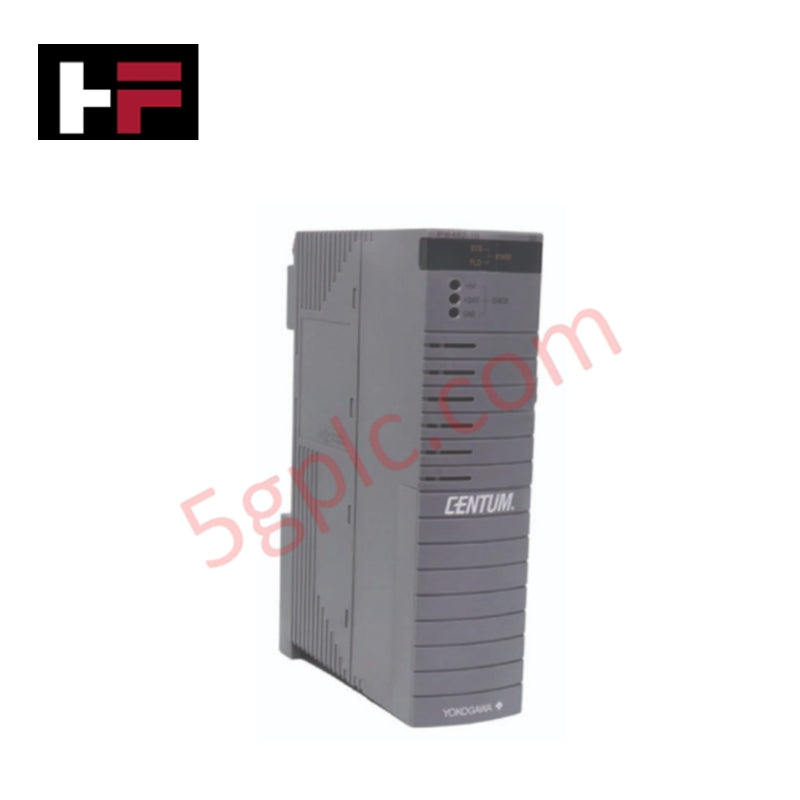
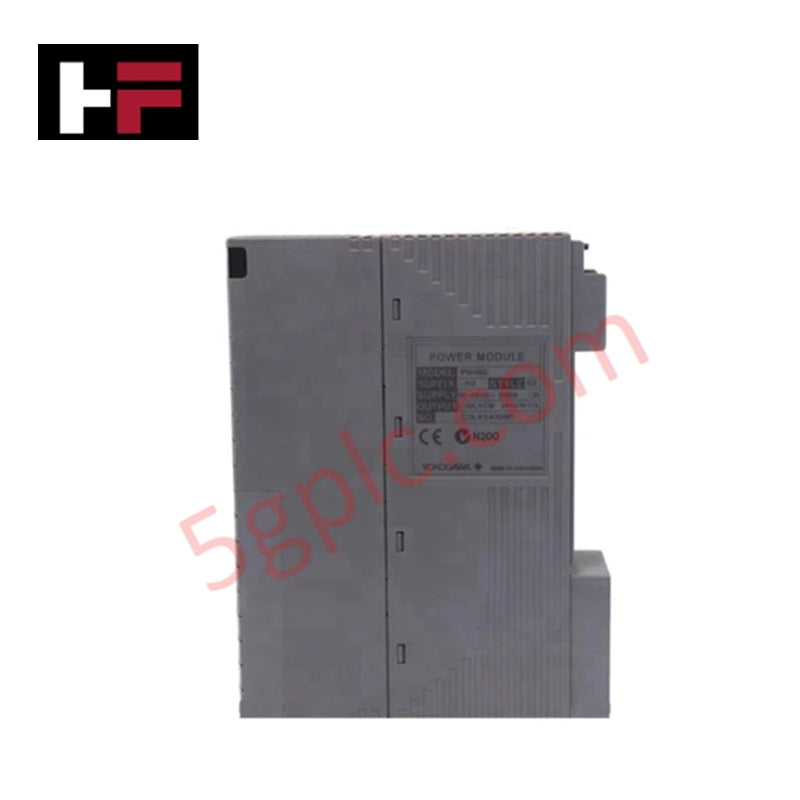
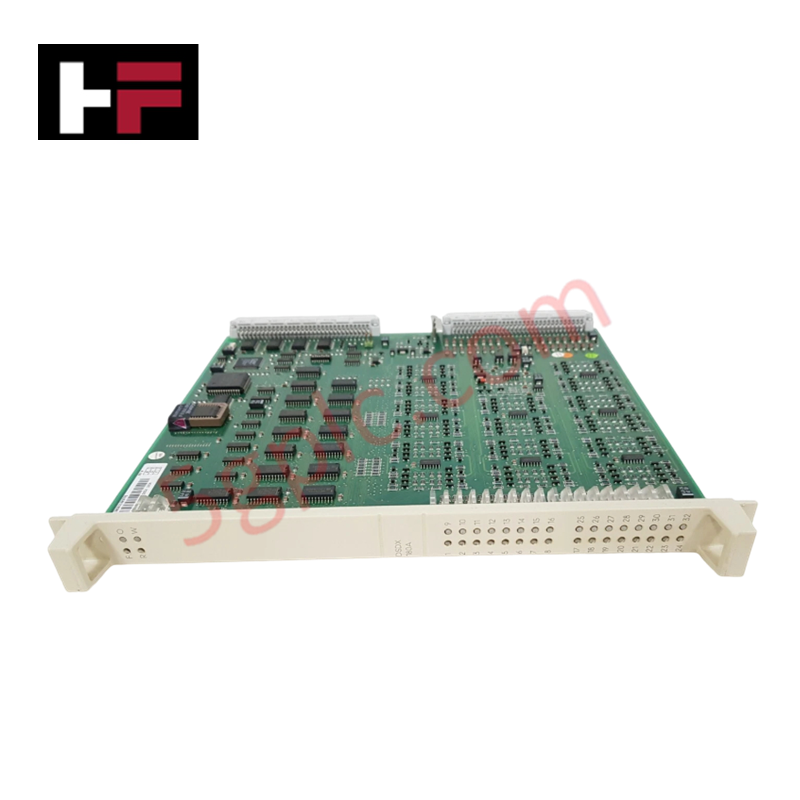
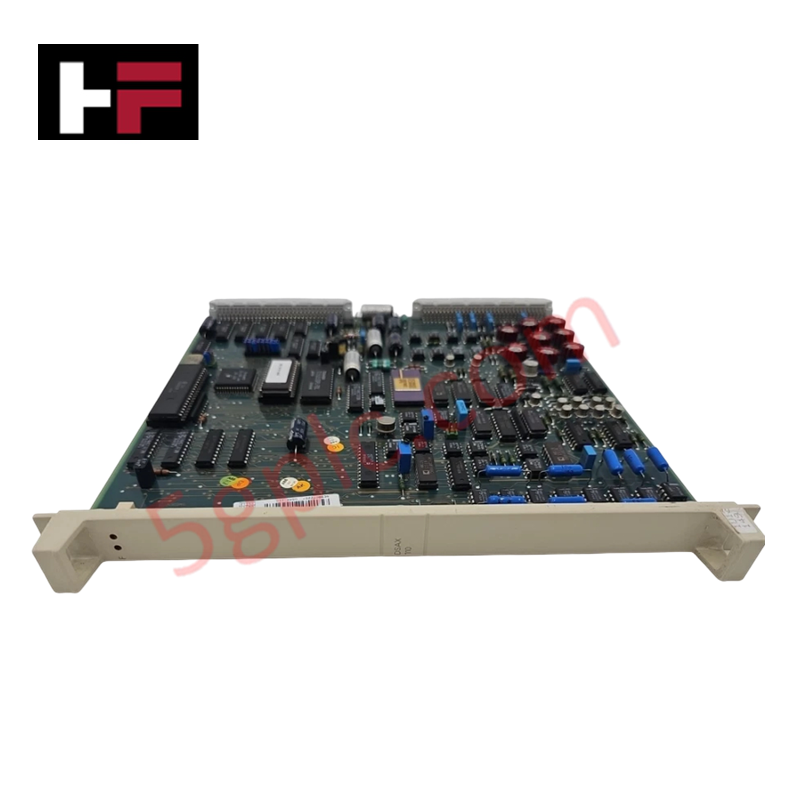
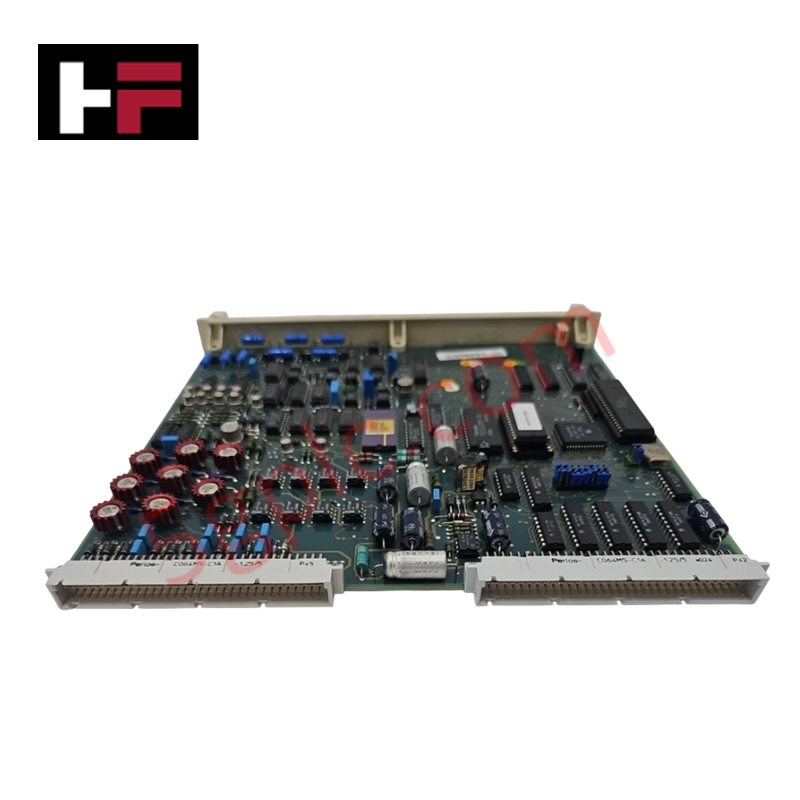
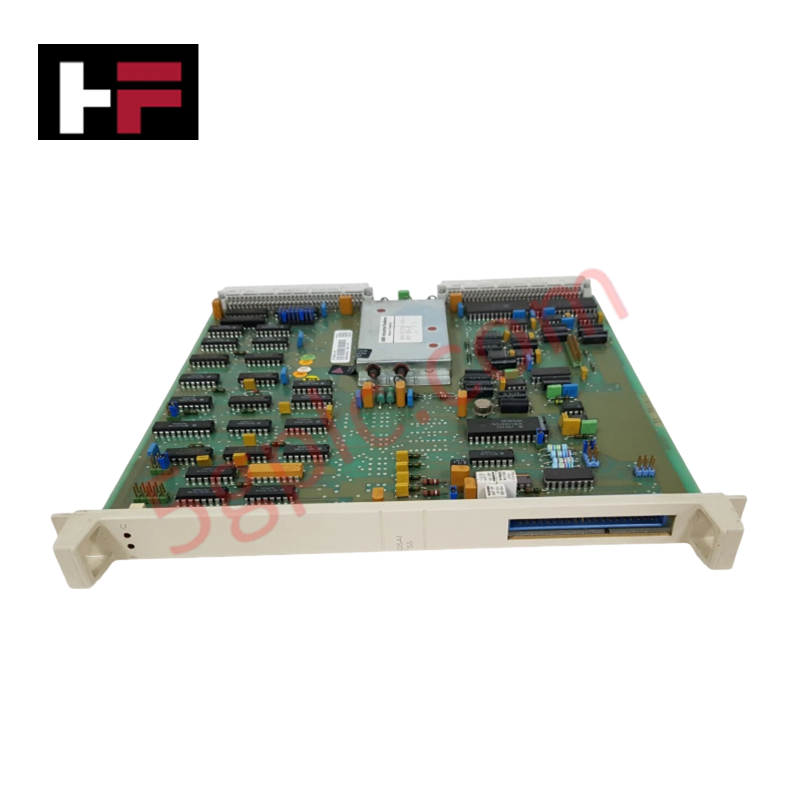
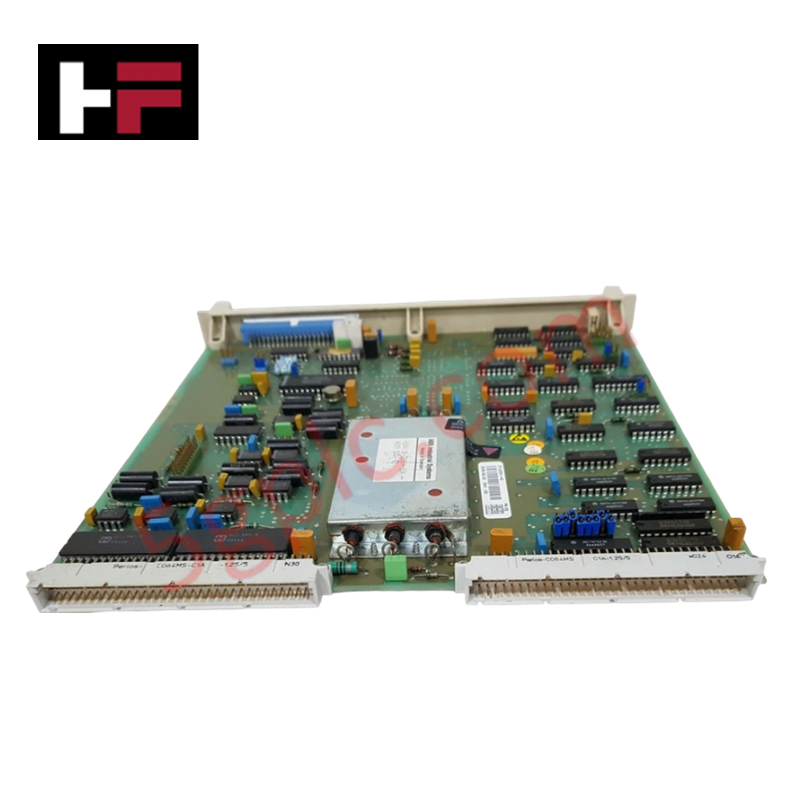
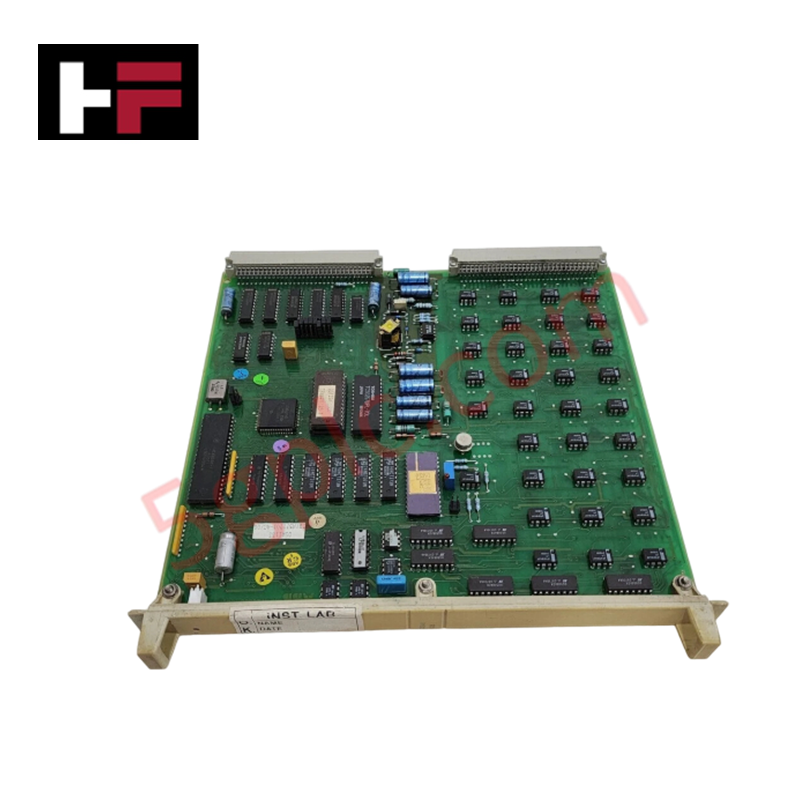
The PW482-11 (Order No. PW482) from Yokogawa is a high-performance AC input power supply module engineered for industrial environments requiring stable and reliable power distribution. Designed with durability and operational flexibility in mind, this module ensures consistent performance across a wide temperature range and demanding conditions.
Technical Specifications
-
Manufacturer: Yokogawa
-
Model: PW482-11
-
Product Type: Power Supply Module
-
Input Voltage: 220–240 VAC
-
Operating Temperature Range: -20°C to +70°C (extended option)
-
Standard Temperature Range: 0°C to +70°C
-
Weight: 5 kg
-
Suffix Codes:
-
-5: Standard type, no explosion protection
-
-E: Explosion-protected type
-
0: Basic type
-
1: ISA Standard G3 compliant option
Key Features
-
Robust AC input design for stable power delivery
-
Extended operating temperature option for harsh environments
-
Multiple suffix configurations for application-specific requirements
-
Compact and durable construction suitable for industrial automation systems
Application Scenarios
-
Distributed control systems (DCS) in process industries
-
Power supply for instrumentation modules in chemical plants
-
Reliable energy source for monitoring and control equipment in oil & gas facilities
-
Industrial automation systems requiring explosion-protected configurations
FAQ
Q: What is the difference between PW482-10 and PW482-11? A: The PW482-11 offers an extended operating temperature range (-20°C to +70°C), making it more suitable for extreme environments compared to the PW482-10.
Q: Can the PW482-11 be used in hazardous areas? A: Yes, the suffix code -E provides explosion protection for hazardous industrial settings.
Q: What standards does the PW482-11 comply with? A: The suffix code 1 ensures compliance with ISA Standard G3 for environments with corrosive gases.
Additional Information
- 100% Genuine Parts: All products are original and authentic, ensuring reliable industrial performance.
- 30-Day Refund Guarantee: Return any in-stock item within 30 days in original, unopened packaging for a full refund (excluding shipping and fees).
- 12-Month Warranty: Covers defects in materials or workmanship; excludes misuse, normal wear, or unauthorized modifications.
- Worldwide Shipping: We ship via USPS, UPS, FedEx, and DHL. Delivery times vary by country and may be subject to customs or import fees.
- Support & Contact: Technical and warranty assistance is available anytime. Contact us here: Contact.
- Purchase Guidance: Check product specifications and compatibility carefully before ordering to ensure proper application.
Tech & Buying Guide

Site Acceptance Testing (SAT) for PLC Control Systems: An Engineering Execution Guide
The Site Acceptance Test (SAT) represents the definitive handover stage in industrial automation projects. While the Factory Acceptance Test confirms cabinet hardware assembly off-site, the SAT validates real-world performance under live site conditions. Consequently, a structured execution strategy prevents equipment damage and guarantees seamless integration into plant operations.

Mastering the Factory Acceptance Test (FAT) for PLC Control Panels: An Expert Guide
The Factory Acceptance Test (FAT) is a vital milestone in industrial automation that ensures custom PLC panels meet exact design specifications before dispatch. This guide outlines the step-by-step FAT procedure and key industry best practices to prevent costly site delays and ensure long-term operational success.

Redundant Automation Systems: Ensuring Continuous Uptime in Critical Control Infrastructure
System reliability directly determines operational profitability across high stakes process industries. Modern industrial automation platforms must eliminate single points of failure to prevent catastrophic shutdowns. Deploying fault tolerant architecture safeguards complex facilities against unexpected hardware glitches, network disruptions, and maintenance outages.