










Product Details
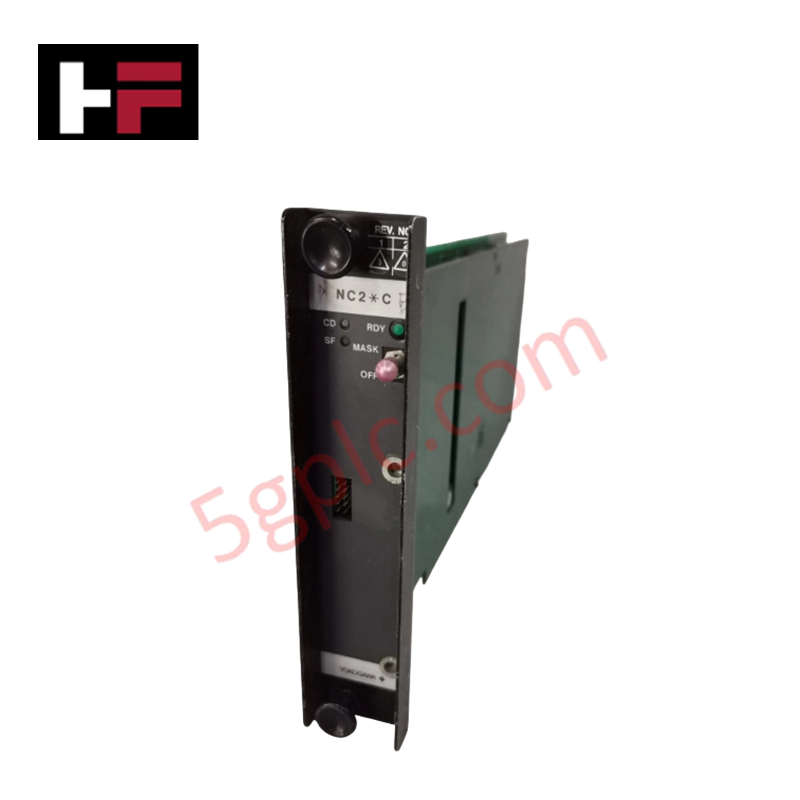
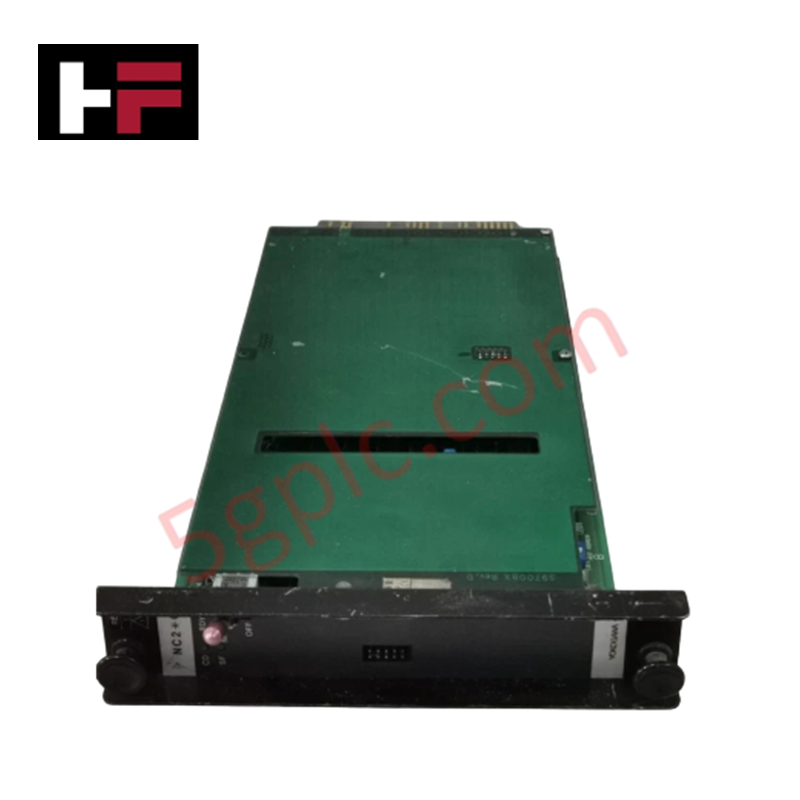
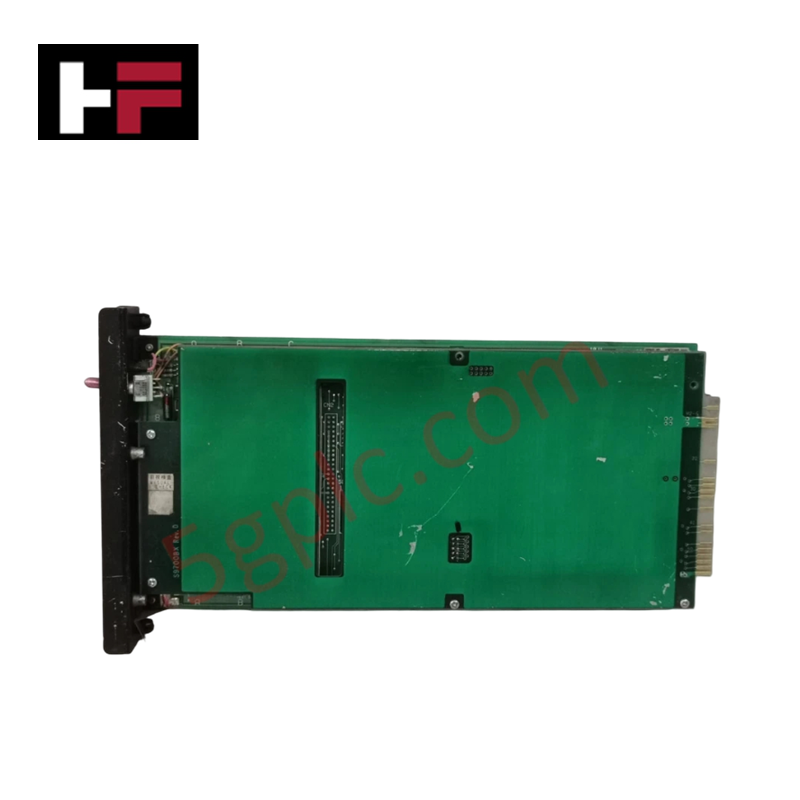
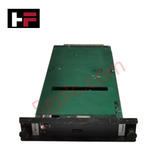
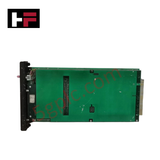
Configured for deterministic Vnet/IP packet transmission in Yokogawa CENTUM VP platforms, the Yokogawa NC2*C (NC2 Network Communication Module) provides direct physical/electrical execution. This hardware component functions as the interface layer managing data frame transfers between field control units and the primary system bus. The module establishes physical media connections over Ethernet infrastructure to synchronize control topologies, using faceplate LEDs to register hardware status transitions, link activity, and bus fault codes directly at the rack assembly.
Suffix Breakdown & Model Matrix
| Code Element | Specification / Description |
|---|---|
| NC2 | Base model designation for Vnet/IP network communication module series |
| *C | Style code Revision C specifying hardware revision and internal circuit configuration |
Hardware Specifications
| Parameter | Specification |
|---|---|
| Model | NC2*C |
| Brand | Yokogawa |
| Origin | Japan |
| Weight | 0.35 kg |
| Dimensions | 120 mm x 25 mm x 130 mm |
| Operating Temp | 0 to 60 deg C |
| Power Consumption | 5 VDC, 1.2 A |
| System Compatibility | CENTUM VP, CS 3000 |
| Communication Protocol | Vnet/IP (Ethernet-based) |
| Data Transfer Rate | 100 Mbps |
| Redundancy | Dual-redundant bus support |
| Galvanic Isolation | 1500 VAC (system-to-bus, 1 min) |
Channel-to-Channel Isolation and Vnet/IP Bus Integration
The NC2*C module coordinates industrial control network frames across the Vnet/IP bus architecture via channel-to-channel isolation circuits engineered to arrest electrical transients before they reach the backplane. The module maintains a 1500 VAC system-to-bus galvanic isolation standard to prevent potential ground loops across control segments. The internal processor executes 100 Mbps data throughput with clock synchronization mechanics, mitigating transmission latencies and ensuring deterministic network scheduling. Dual-bus media control rules prevent data collisions and ground potential differentials from corrupting real-time process data streams under steady-state operation.
Frequently Asked Questions
Q: How does the network module execute the switchover sequence during a Vnet/IP cable break?
A: The module operates on a dual-redundant Vnet/IP bus topology. If the active channel detects a link failure or packet corruption, the internal communication processor switches all transmission lines to the secondary bus path within deterministic limits to maintain real-time process monitoring.
Q: Are there any hardware restrictions when hot-swapping this module in an active FCU rack?
A: Hot-swapping is permitted provided that the parallel redundant module is fully initialized, online, and carrying active network traffic. The fault LED on the companion module must be unlit before removing the target card.
Q: What structural grounding measures protect the 100 Mbps Vnet/IP physical layer?
A: The module relies on integrated shielding contacts within the FCU slot and standard shielded connectors. These components shunt high-frequency electrostatic noise away from the internal logic circuits directly into the common rack ground plane.
Field Installation Guidelines
- Slot Insertion: Align the module guide rails with the designated vertical FCU slot. Push the assembly inward until the structural locking connectors click completely into the backplane, confirming full pin engagement.
- Network Cabling: Use Shielded Twisted Pair (STP) cables to connect to the Vnet/IP network switches. Avoid laying communication media parallel to high-voltage AC cables to minimize crosstalk interference.
- Grounding Protocol: Ensure the main equipment rack connects to a low-impedance instrument ground system. Verify that the shield drain wires of the network trunks terminate at a single point to prevent ground loops.
- Environmental Limits: Verify that cabinet cooling fans maintain steady airflow over the slot array. Ambient operating temperatures must remain between 0 and 60 deg C, and relative humidity must remain non-condensing between 5 and 95 %.
Additional Information
- 100% Genuine Parts: All products are original and authentic, ensuring reliable industrial performance.
- 30-Day Refund Guarantee: Return any in-stock item within 30 days in original, unopened packaging for a full refund (excluding shipping and fees).
- 12-Month Warranty: Covers defects in materials or workmanship; excludes misuse, normal wear, or unauthorized modifications.
- Worldwide Shipping: We ship via USPS, UPS, FedEx, and DHL. Delivery times vary by country and may be subject to customs or import fees.
- Support & Contact: Technical and warranty assistance is available anytime. Contact us here: Contact.
- Purchase Guidance: Check product specifications and compatibility carefully before ordering to ensure proper application.


Tech & Buying Guide

Demystifying Open Platform Communication (OPC): The Backbone of Industrial Interoperability
Interoperability remains a cornerstone requirement for modern smart factories and process automation. Open Platform Communication (OPC) bridges the gap between disparate hardware platforms, control systems, and visualization software. By establishing a universal communication standard, OPC allows field controllers, SCADA platforms, and enterprise software from different vendors to exchange real-time data seamlessly.

Understanding Siemens PLC Memory Cards: MMC, SMC, and SD Solutions in Industrial Automation
Memory management plays a pivotal role in maintaining control system reliability across modern manufacturing plants. Industrial control systems rely on specialized memory cards to store project logic, firmware updates, and retentive system data. Siemens uses several memory architectures, including Micro Memory Cards (MMC) and SIMATIC Memory Cards (SMC). Engineers must understand these hardware variations to ensure zero data loss and minimize downtime during maintenance routines.

Redefining Control Systems: The Rise of Flexible I/O Modules in Industrial Automation
Conventional input-output architectures often limit engineering agility and inflate long-term inventory costs. Today, Flexible Input/Output Modules (FIOM) are transforming how control system engineers design, commission, and maintain automation infrastructure. By allowing individual channel software configuration, FIOM technology bridges the gap between rigid hardware design and dynamic plant requirements.