
Product Details
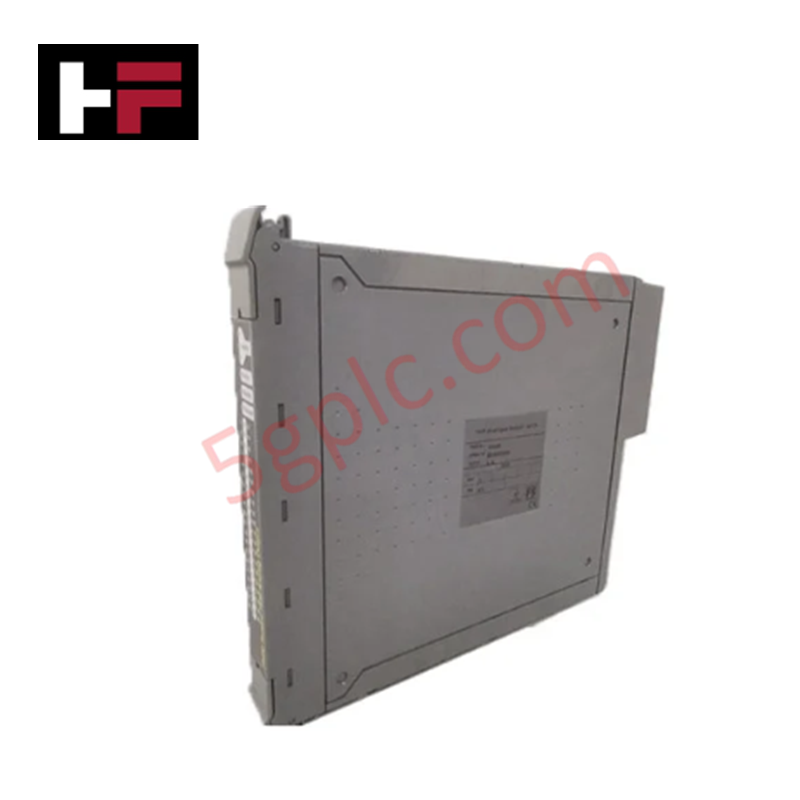
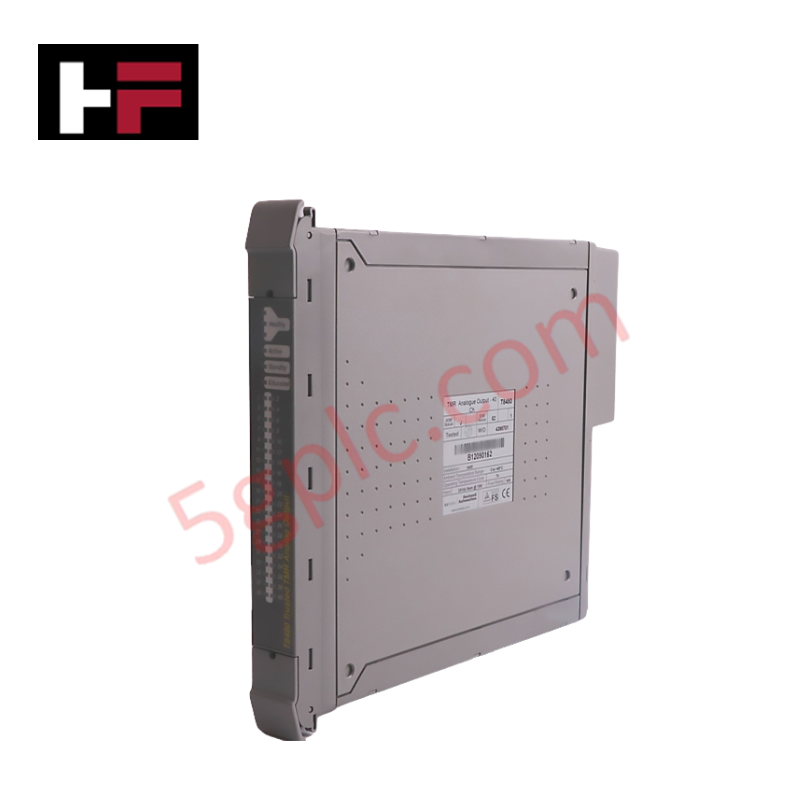
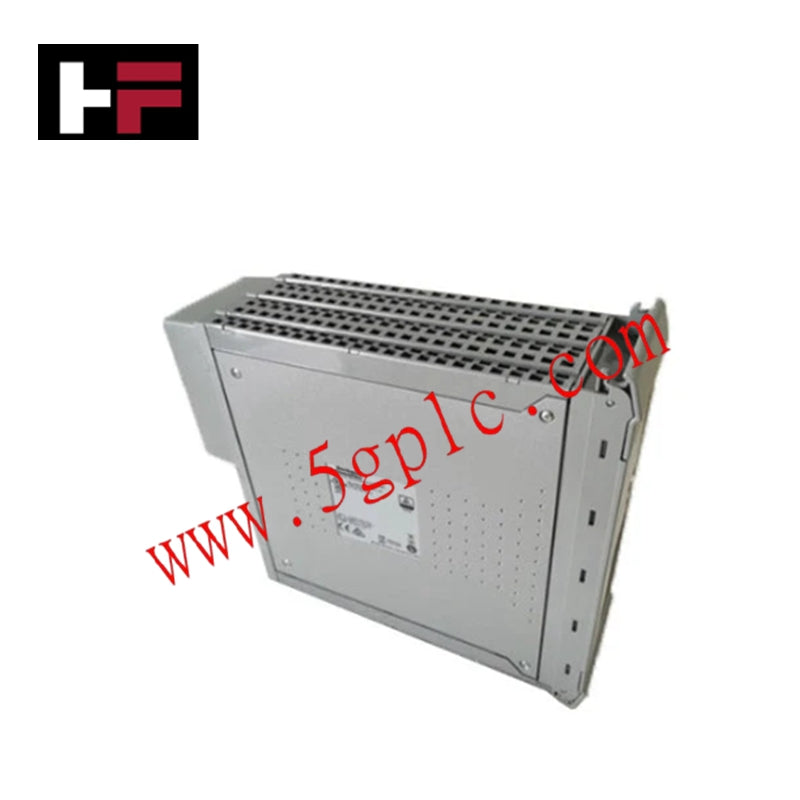
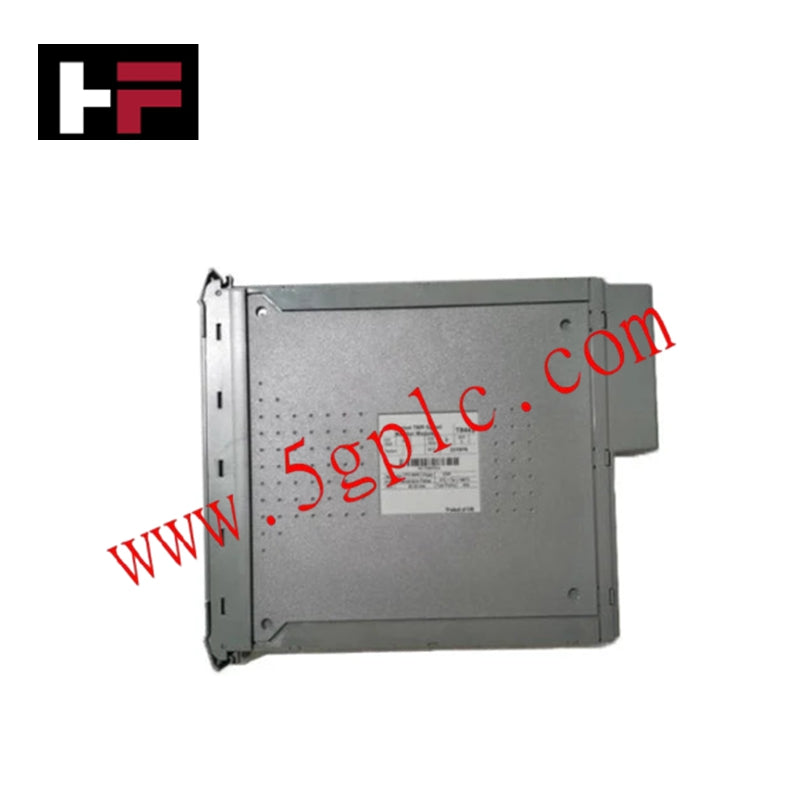
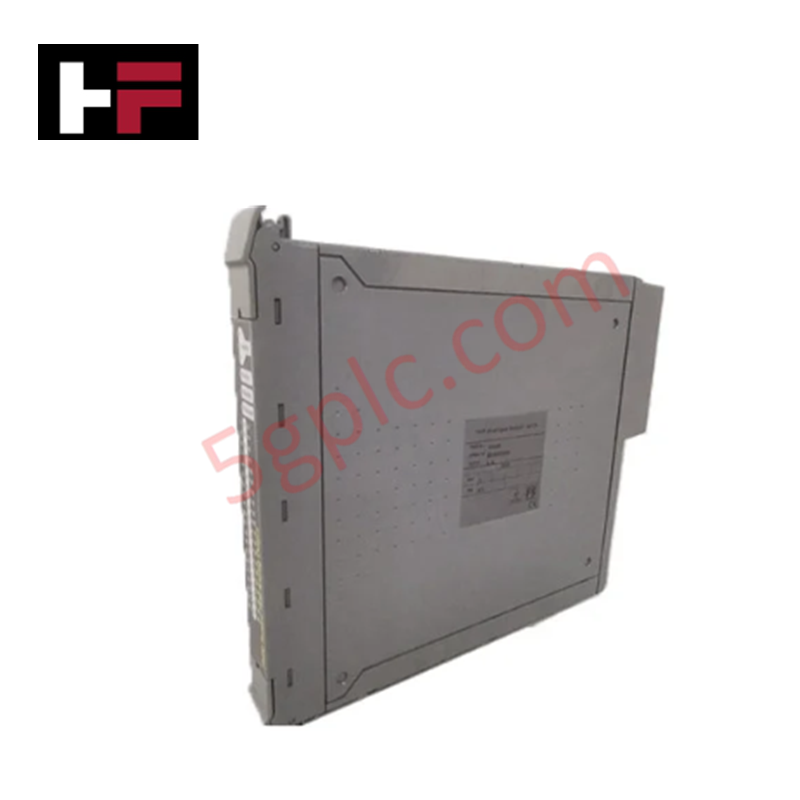
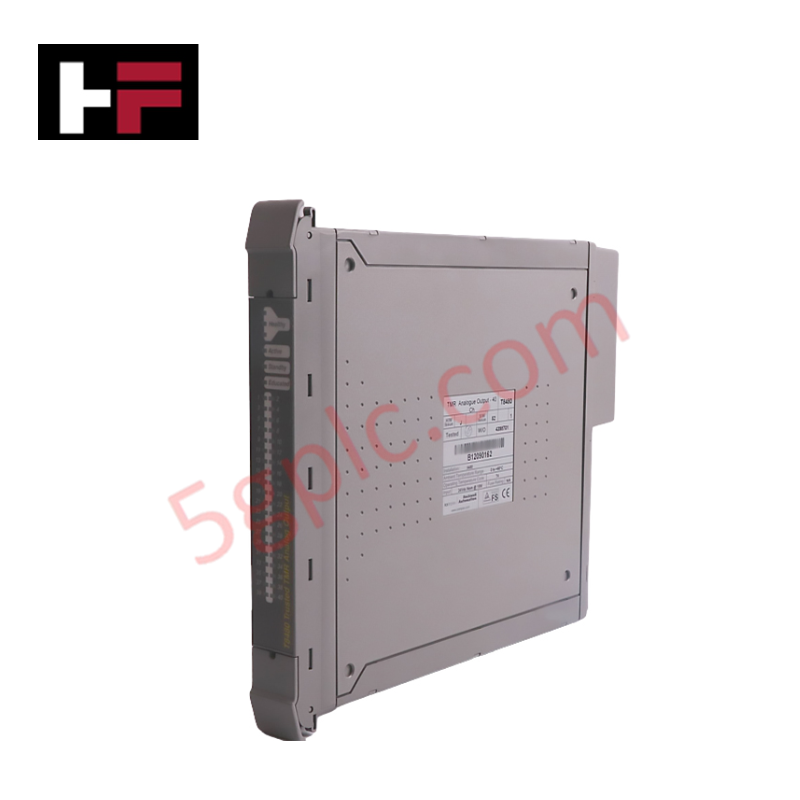
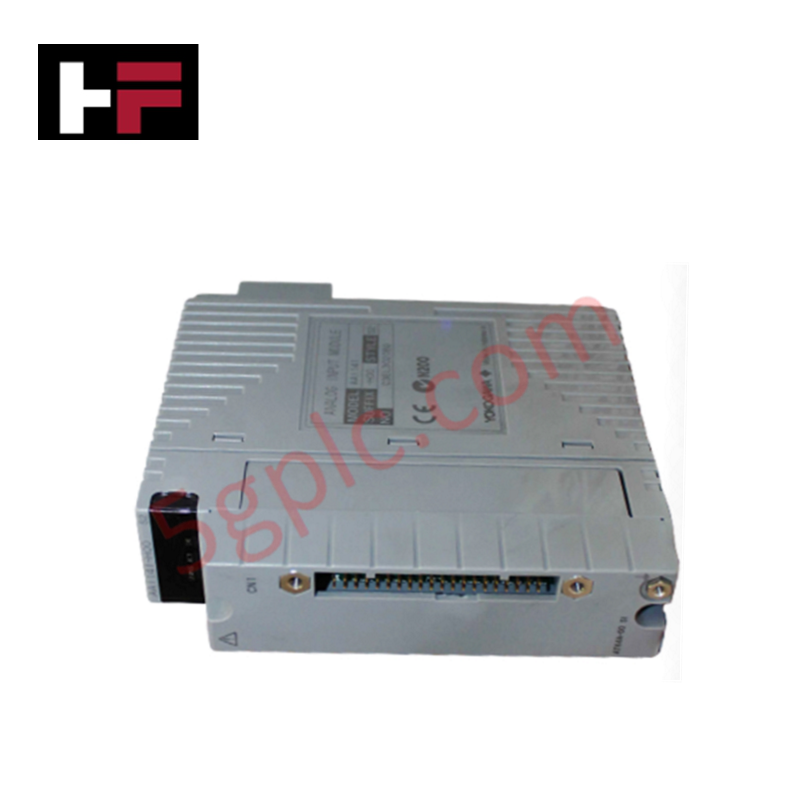
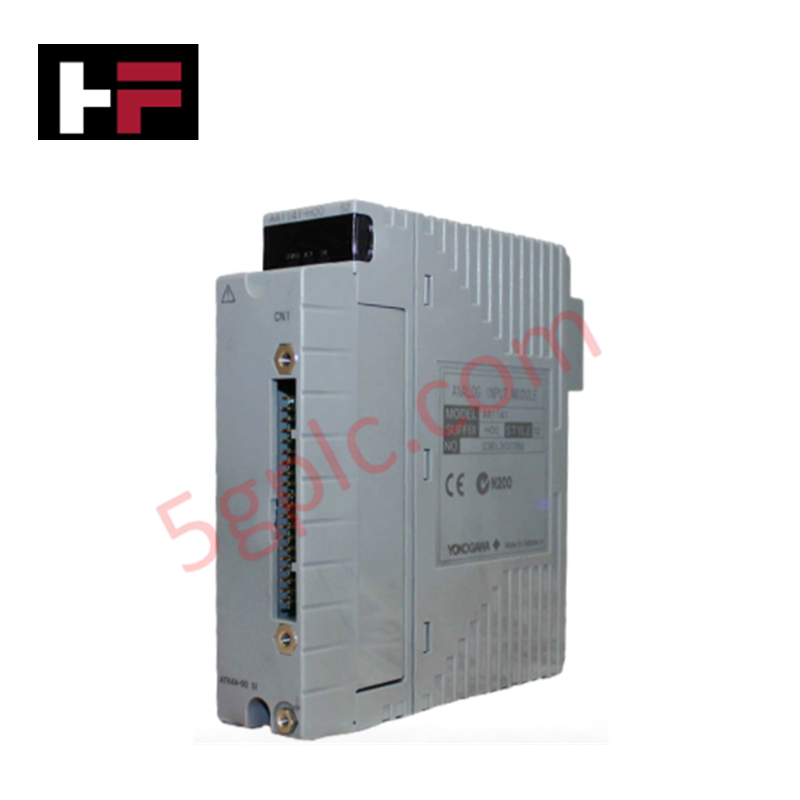
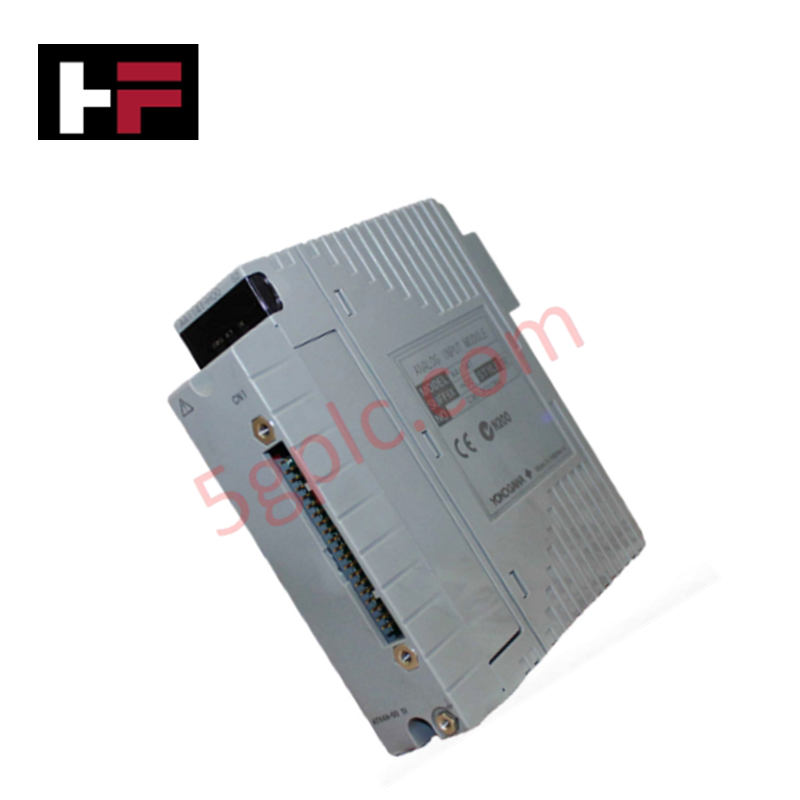
The Yokogawa ATRBS-00 S2, also cataloged as the ATRBS-00 Terminal Module, operates as a dedicated hardware component for signal distribution and termination within CENTUM VP and CS 3000 platforms. It conditions incoming instrumentation lines and routes isolated field signals directly to host system I/O modules across internal system backplanes.
Hardware Specifications
| Parameter | Specification |
|---|---|
| Model | ATRBS-00 S2 |
| Brand | Yokogawa |
| Origin | Japan |
| Weight | 0.3 kg |
| Dimensions | 12.7 x 22.9 x 17.8 cm |
| Operating Temp | -40 to +70 deg C |
| Power Consumption | System backplane powered |
| Sampling Rate | 1 Hz to 100 kHz |
| Measurement Accuracy | +/-0.01% Full Scale (FS) |
| Mean Time To Failure | MTTF > 100000 hours |
| Platform Compatibility | CENTUM VP, CENTUM CS 3000 |
4-20 mA HART Loop Protocol and Channel Isolation
The ATRBS-00 S2 provides high-speed field signal termination and noise attenuation across process control loops. Optimized for 4-20 mA HART loop protocol instruments and high-speed data acquisition channels, the terminal module maintains measurement precision up to +/-0.01% Full Scale across a broad sampling spectrum from 1 Hz to 100 kHz. The internal circuitry limits channel-to-channel isolation degradation, preventing transient ground loop currents from interfering with low-level analog signals before pass-through to the central control processors.
Frequently Asked Questions
Q: What operational changes were introduced in the S2 revision of the ATRBS-00 module?
A: The S2 revision incorporates enhanced hardware build quality and optimized thermal dissipation profiles, extending the ambient operating range from -40 to +70 deg C.
Q: Does the ATRBS-00 S2 require an independent external DC power connection?
A: No, the module draws its operating power directly through the host backplane connection when mounted into the terminal slot.
Q: What input sampling rates are supported by the ATRBS-00 S2 terminal hardware?
A: The module architecture supports signal sampling rates ranging from 1 Hz for standard process variables up to 100 kHz for high-speed dynamic acquisition.
Field Installation Guidelines
- Anti-Static Precautions: Always wear a grounded ESD wrist strap when handling the terminal assembly to protect internal surface-mount components.
- Mounting Security: Align the unit with the chassis guide slots and slide inward until the backplane locking mechanism engages cleanly. Tighten all retention screws.
- Cable Shielding: Terminate field wiring drain wires to the dedicated system ground bus at a single earthing point to maintain noise immunity.
- Routing Separation: Keep low-level field signal conductors separated from AC power distribution lines by at least 300 mm within cabinet wire trunks.
Additional Information
- 100% Genuine Parts: All products are original and authentic, ensuring reliable industrial performance.
- 30-Day Refund Guarantee: Return any in-stock item within 30 days in original, unopened packaging for a full refund (excluding shipping and fees).
- 12-Month Warranty: Covers defects in materials or workmanship; excludes misuse, normal wear, or unauthorized modifications.
- Worldwide Shipping: We ship via USPS, UPS, FedEx, and DHL. Delivery times vary by country and may be subject to customs or import fees.
- Support & Contact: Technical and warranty assistance is available anytime. Contact us here: Contact.
- Purchase Guidance: Check product specifications and compatibility carefully before ordering to ensure proper application.


Tech & Buying Guide
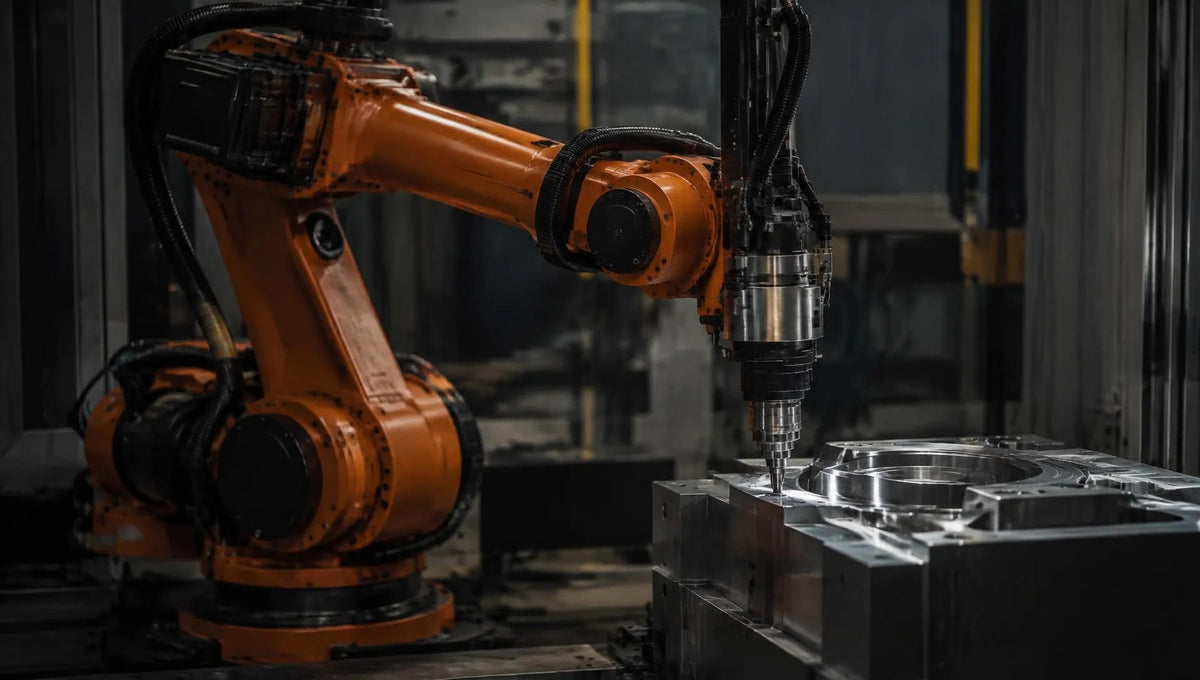
Understanding Instrumentation Control Systems in Modern Industrial Automation
An instrumentation control system (ICS) serves as the central nervous system of modern manufacturing plants and processing facilities. Engineers classify these setups as Electrical, Electronic, or Programmable Electronic Systems (E/E/PES). In practice, an ICS bridges the physical world of industrial machinery with digital decision-making tools. Therefore, understanding its architecture is essential for anyone working in factory automation, process control, or plant safety.

Mastering Electrical Grounding Fundamentals in Industrial Automation and Control Systems
Electrical grounding is a complex engineering discipline. It requires deep knowledge of soil composition and conductor materials. National Electrical Code (NEC) Article 250 outlines these requirements clearly. Many engineers confuse grounding, earthing, and bonding. Grounding connects circuits to a common reference point. Earthing specifically links equipment directly to the planet. Bonding permanently joins metallic parts to ensure electrical continuity.

Architectural Blueprint of Industrial Automation and Control Systems (IACS): Standards, Safety, and Remote Operations
According to IEC 62443, Industrial Automation and Control Systems (IACS) integrate personnel, hardware, and software. These components collectively influence the safety and reliability of any industrial process. Modern control systems allow extensive remote monitoring and operation. However, enabling remote capabilities introduces complex cybersecurity challenges. Therefore, facility operators must evaluate system functions carefully before expanding connectivity.