






Product Details
Product Overview
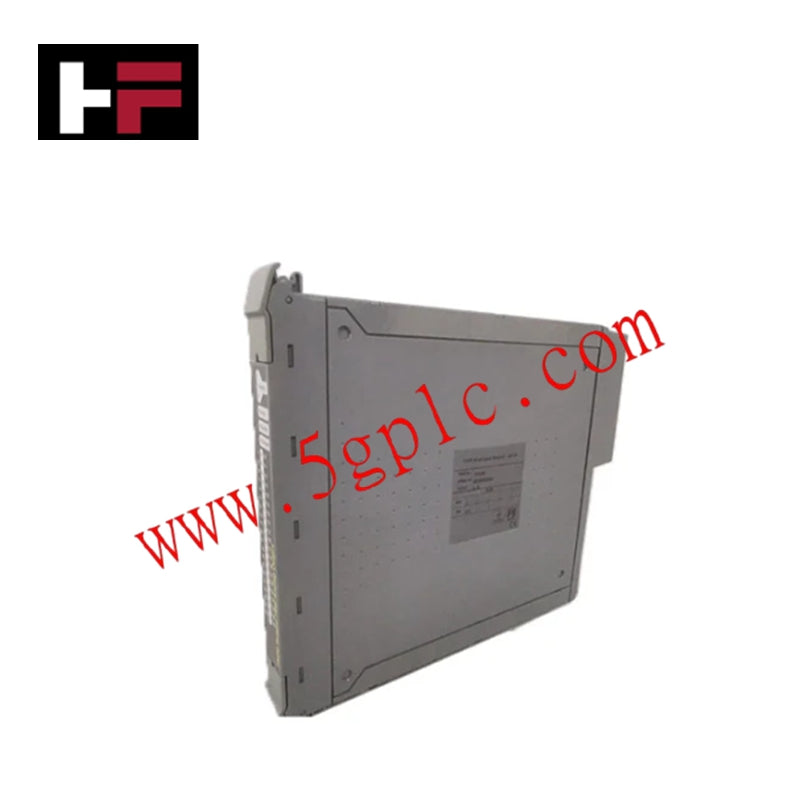
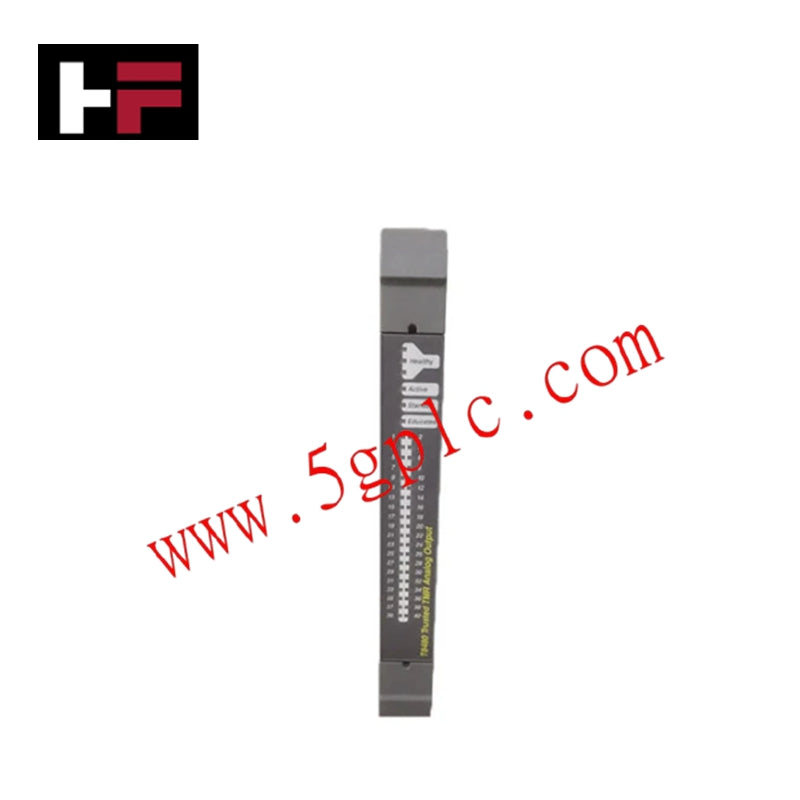
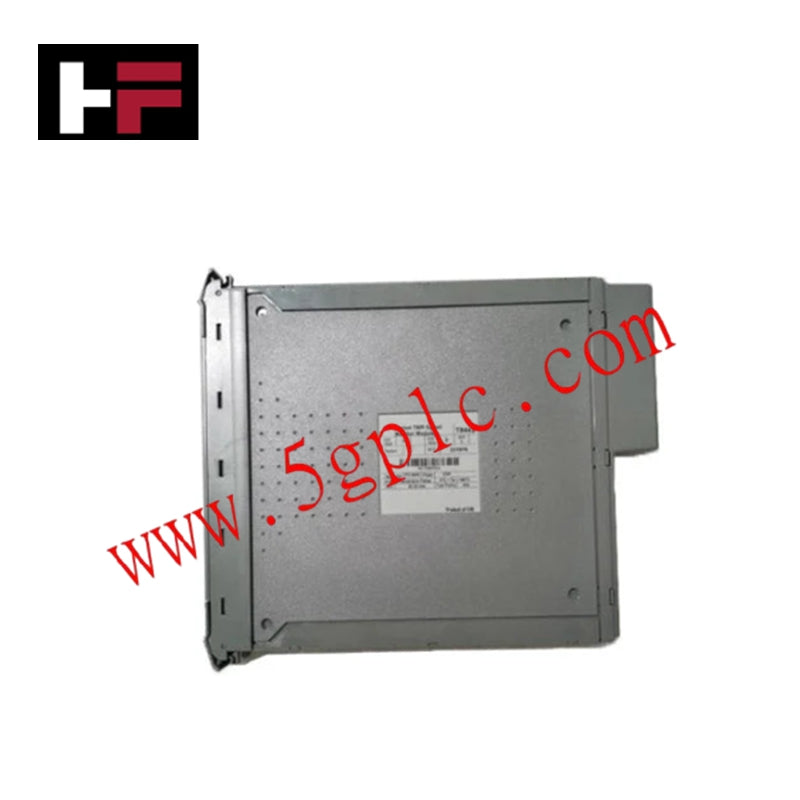
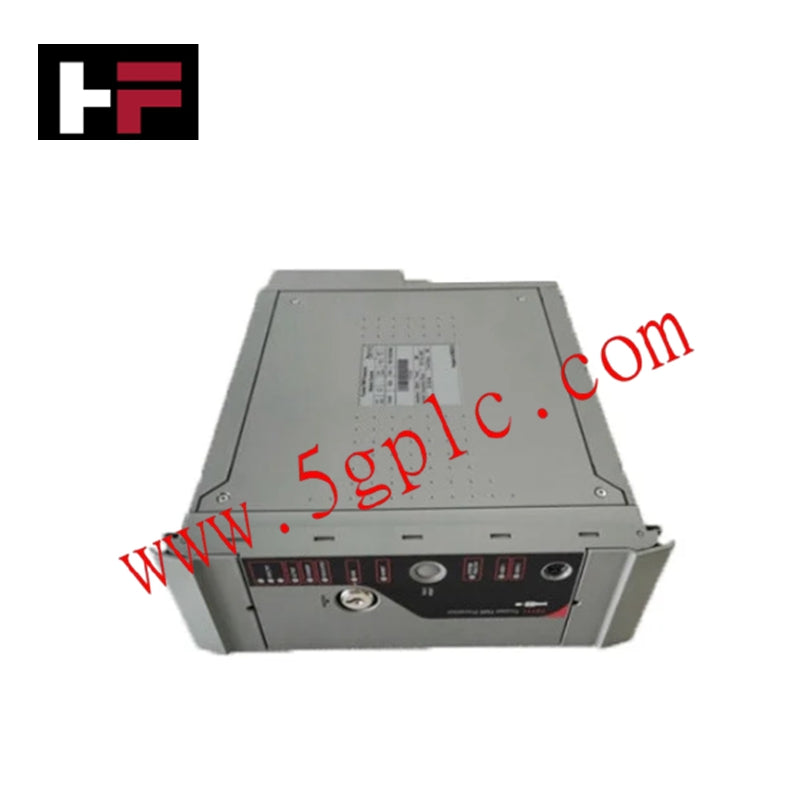
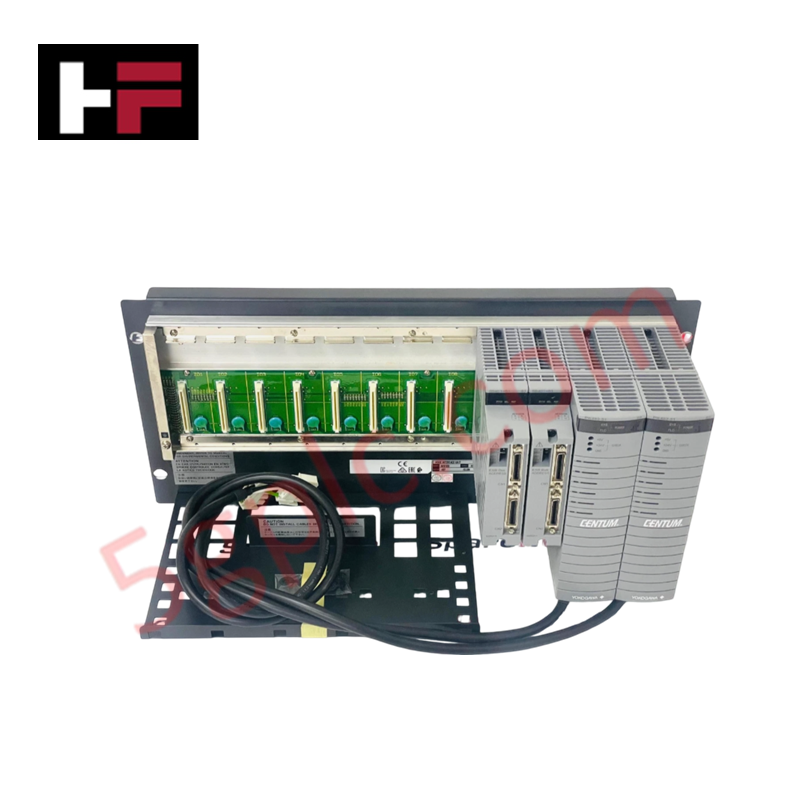
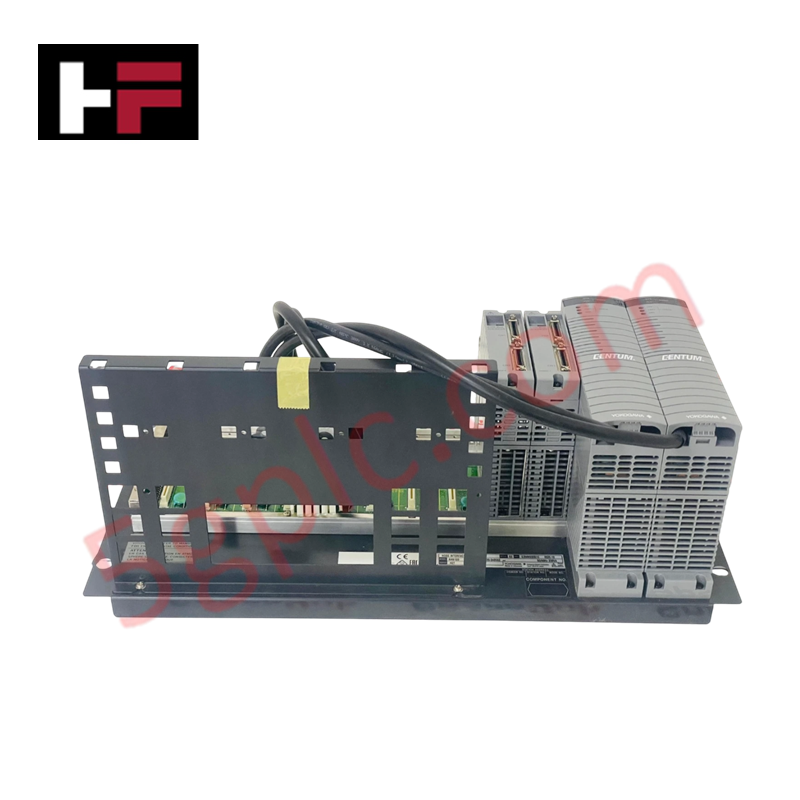
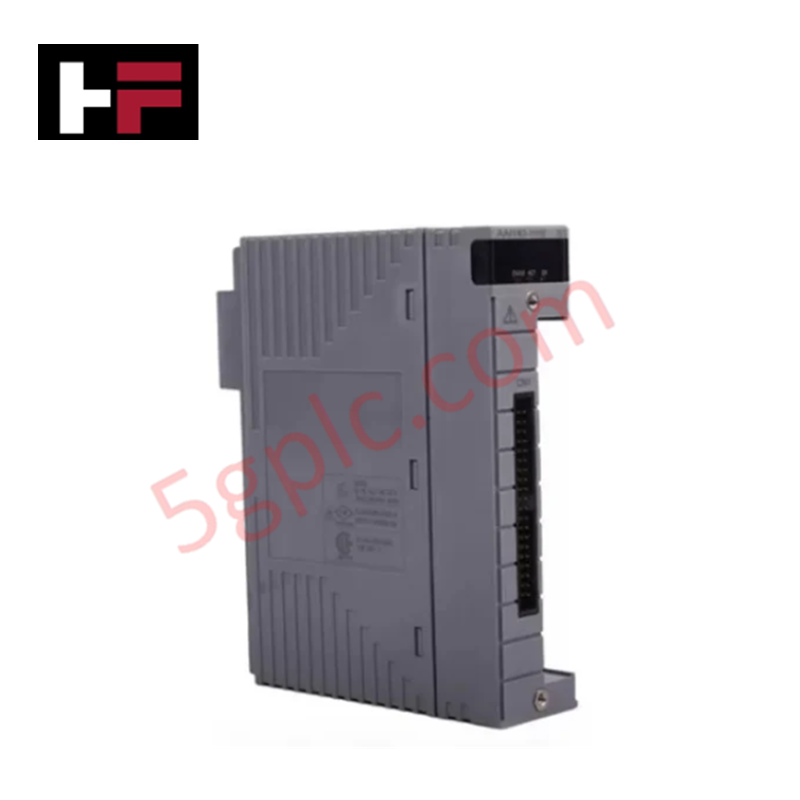
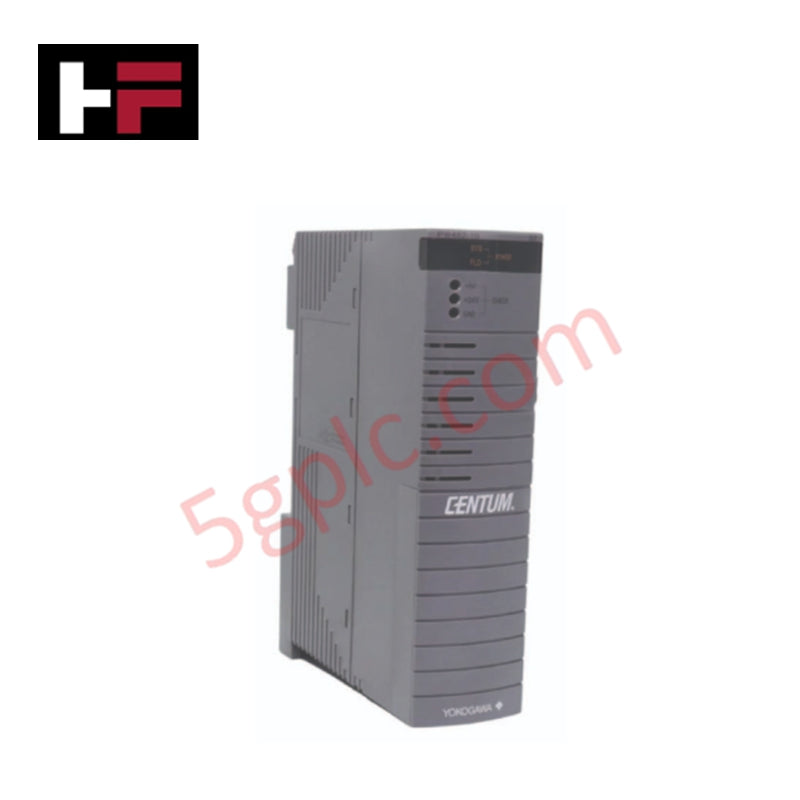
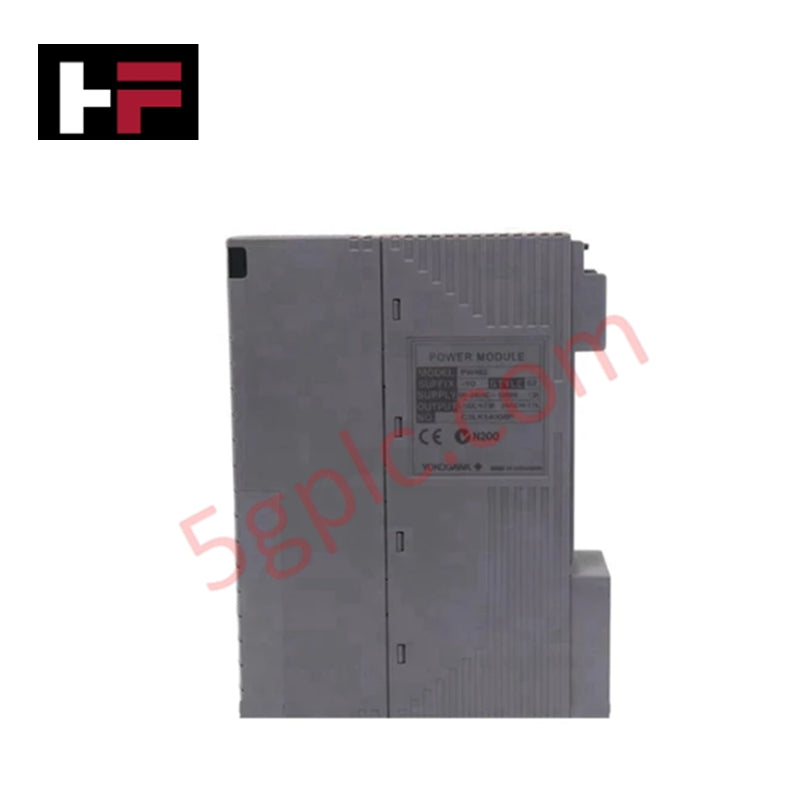
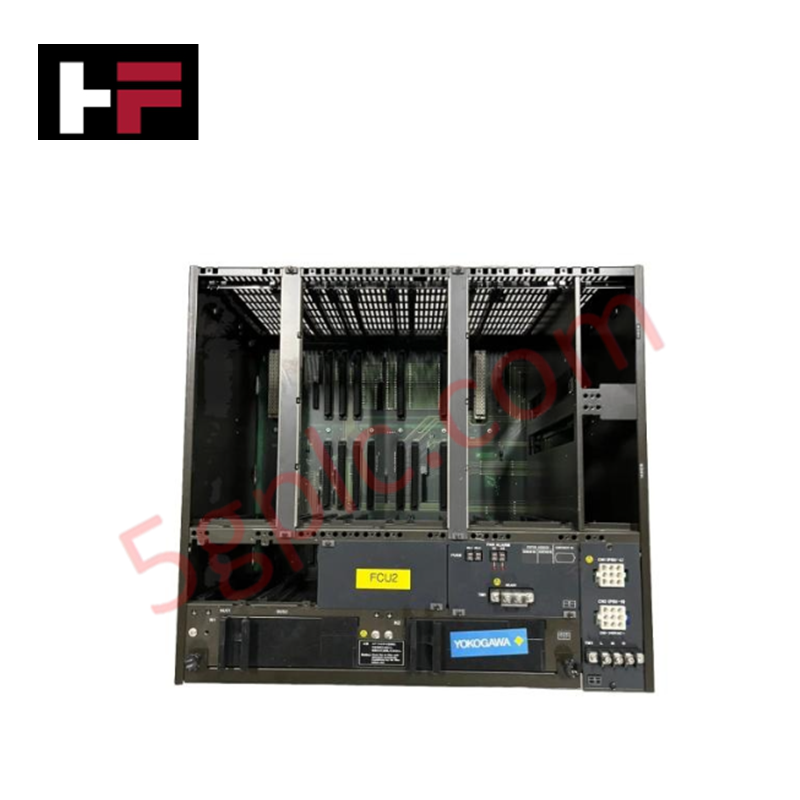
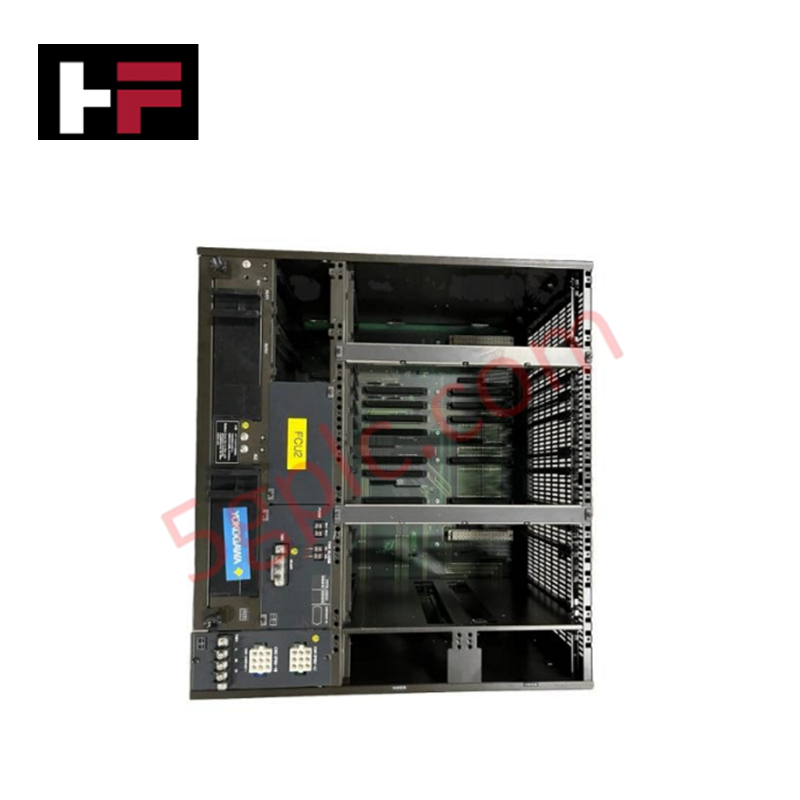
The Yokogawa ANB10D-415/CU2T serves as a high-performance expansion node for the CENTUM VP distributed control system. This unit facilitates mission-critical data exchange between Field Control Units (FCU) and I/O modules via a dual-redundant Extended Serial Backplane (ESB) bus. Designed for high-availability environments, it maintains continuous process control even during cable damage or power fluctuations. We offer this unit as 100% Brand New and Original, ensuring full manufacturer specifications and long-term field reliability.
Part Number Breakdown
The suffix and option codes for the ANB10D series define its specific electrical and communication architecture:
Technical Specifications
This node unit provides the physical and logical backbone for up to 8 I/O modules in a standard cabinet layout.
-
Communication Type: Dual-Redundant ESB Bus
-
Voltage Range: 100 to 120 V AC (50/60 Hz)
-
Power Redundancy: Two independent power modules (Standard)
-
Termination: Integrated CU2T interface (Requires no external resistors)
-
Capacity: 8 I/O module slots
-
Mounting: 19-inch rack mount
-
Signal Integrity: Maintains deterministic data acquisition across the ESB chain
Engineering Advantages
-
Eliminate Single Points of Failure: The dual-redundant ESB bus architecture ensures that the control system remains online if one communication line fails. This hardware redundancy prevents costly unplanned shutdowns in continuous process industries.
-
Streamlined End-of-Line Setup: The /CU2T option integrates the bus terminator directly into the connector unit. This design eliminates the need for separate termination modules, reducing cabinet clutter and simplifying the wiring of the final node in the bus chain.
-
Enhanced Thermal Stability: The chassis design promotes natural convection, allowing the unit to host high-density I/O modules without exceeding thermal thresholds in standard 19-inch rack enclosures.
-
Hot-Swappable Power Logic: The dual power supply configuration allows maintenance teams to replace a faulty power module while the system remains energized, ensuring zero downtime during hardware servicing.
FAQs
-
Does this unit support 220V AC power input? No. The suffix code "1" specifically designates a 100-120V AC power requirement. For 220V applications, you must utilize the ANB10D-42x variant.
-
Can I install this node in a hazardous area? The suffix "5" indicates a basic type without explosion protection. You should install this unit in a non-hazardous (safe) area or within a suitable purged enclosure that meets local safety regulations.
-
Is the /CU2T unit necessary for every node? You specifically require the /CU2T for the final node in the ESB bus chain to terminate the signal correctly. Intermediate nodes typically use the /CU2N (without terminator) option.
-
How many I/O modules can this unit hold? The ANB10D-415 provides slots for up to 8 Yokogawa I/O modules, providing a compact footprint for localized I/O expansion.
Additional Information
- 100% Genuine Parts: All products are original and authentic, ensuring reliable industrial performance.
- 30-Day Refund Guarantee: Return any in-stock item within 30 days in original, unopened packaging for a full refund (excluding shipping and fees).
- 12-Month Warranty: Covers defects in materials or workmanship; excludes misuse, normal wear, or unauthorized modifications.
- Worldwide Shipping: We ship via USPS, UPS, FedEx, and DHL. Delivery times vary by country and may be subject to customs or import fees.
- Support & Contact: Technical and warranty assistance is available anytime. Contact us here: Contact.
- Purchase Guidance: Check product specifications and compatibility carefully before ordering to ensure proper application.
Tech & Buying Guide
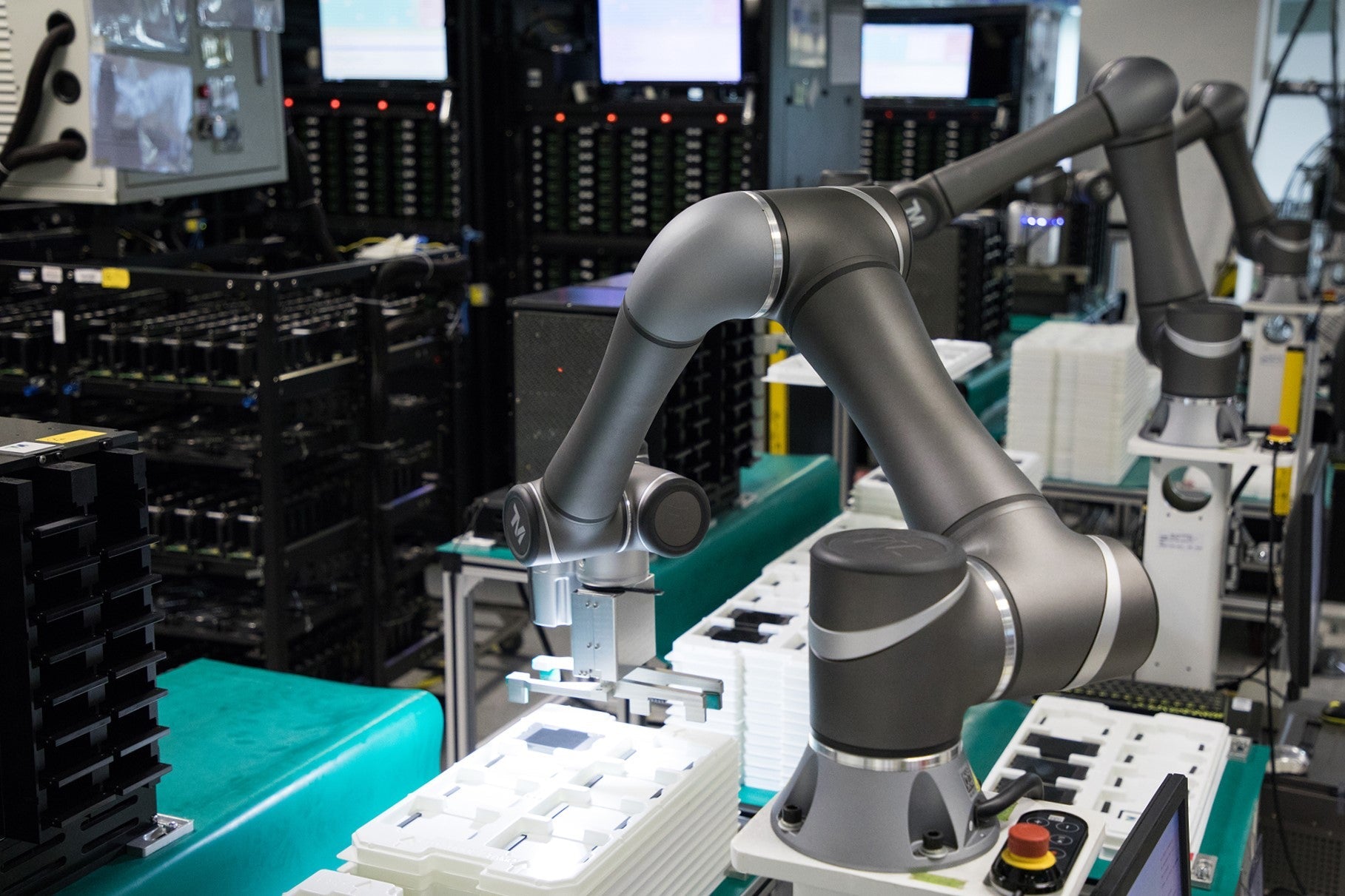
Redundant Automation Systems: Ensuring Continuous Uptime in Critical Control Infrastructure
System reliability directly determines operational profitability across high stakes process industries. Modern industrial automation platforms must eliminate single points of failure to prevent catastrophic shutdowns. Deploying fault tolerant architecture safeguards complex facilities against unexpected hardware glitches, network disruptions, and maintenance outages.

Understanding Types of Noise in Electronic Circuits and Control Systems
Signal integrity directly determines measurement accuracy and loop stability across industrial automation environments. Electronic noise introduces unwanted stochastic interference into analog loops, sensor feedback lines, and digital fieldbus networks. Understanding how intrinsic electronic noise and external electromagnetic interference manifest allows control engineers to optimize signal conditioning and shield sensitive instrumentation effectively.

Why 24V DC Power Supplies Standardize Modern Industrial Automation
Industrial control cabinets worldwide rely on 24V DC as the universal power standard for field instrumentation, sensors, and controllers. Walk into any manufacturing plant, and you will find PLCs, human-machine interfaces (HMIs), and smart actuators running on extra-low voltage DC. Standardizing on 24V DC enhances operational safety, lowers cabinet footprint, and maintains steady control performance across factory networks.