Product Details
Overview:
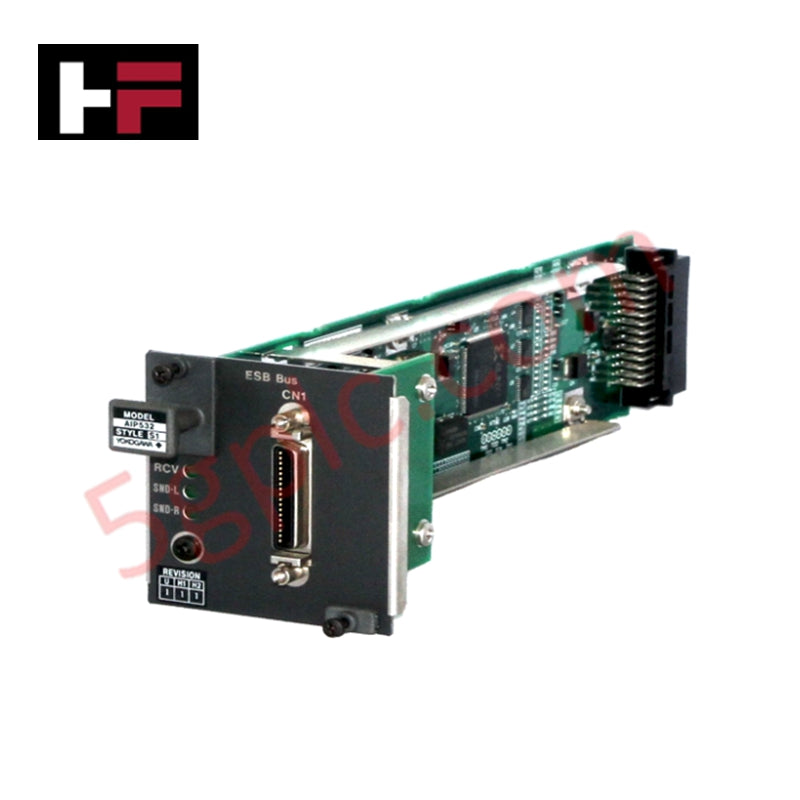
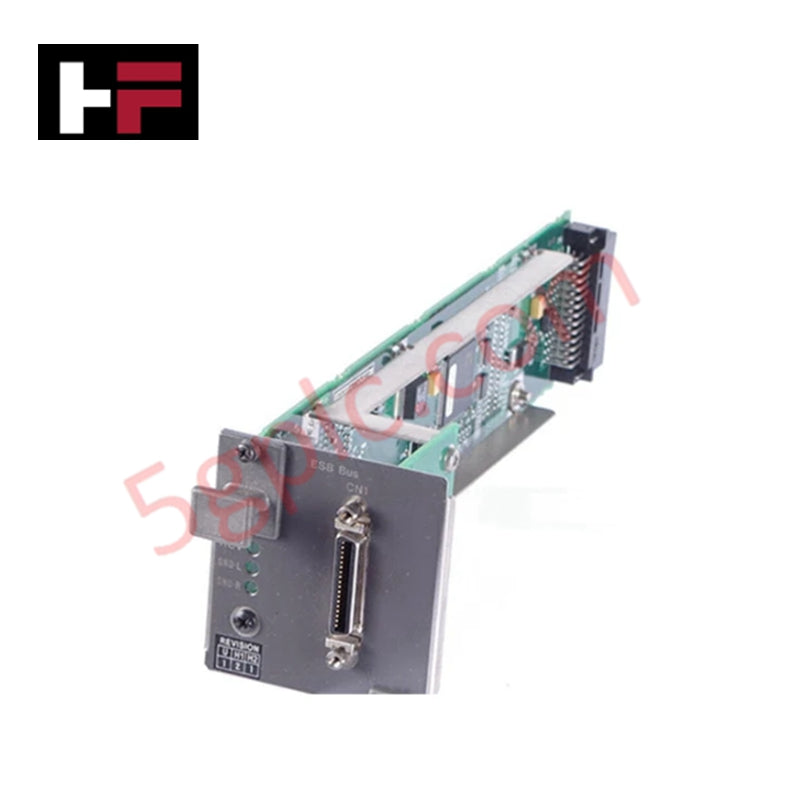
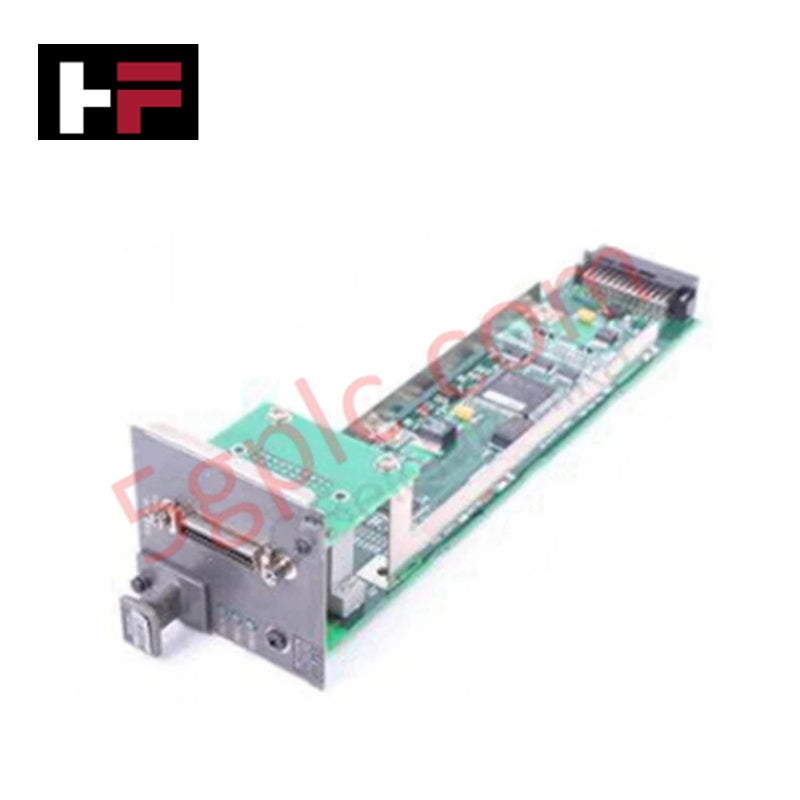
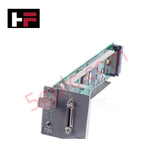
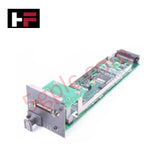
The Yokogawa AIP532 ESB Bus Coupler Unit serves as the critical communication backbone for Yokogawa CENTUM VP and CS 1000 Distributed Control Systems (DCS). Designed to eliminate data latency and single points of failure in high-stakes environments, this dual-ported module ensures seamless integration between the control station and a vast array of field devices. By facilitating robust 10 Mbps data transfer over standard twisted pair cabling, the AIP532 maintains uninterrupted process visibility in power generation, oil and gas refining, and pharmaceutical manufacturing, even during active maintenance cycles.
Technical Specifications
|
Parameter |
Specification |
|---|---|
|
Product Type |
ESB Bus Coupler Unit |
|
Model Number |
AIP532 |
|
Manufacturer |
Yokogawa Electric Corporation |
|
System Compatibility |
CENTUM VP, CS 1000 DCS |
|
Port Configuration |
Dual-ported (Redundant) |
|
Communication Speed |
10 Mbps |
|
Transmission Media |
Twisted Pair Cable |
|
Power Requirement |
24 VDC |
|
Hot-Swapping |
Supported (Non-disruptive replacement) |
|
Primary Applications |
Process Control, Power Gen, Oil & Gas, Water/Wastewater, F&B, Pharma |
|
Reliability Feature |
Enhanced flexibility via dual-port architecture |
Model Code Decomposition
Unlike complex sensor assemblies that require lengthy suffix breakdowns for length or agency approvals, the Yokogawa AIP532 follows a streamlined industrial naming convention typical of CENTUM VP I/O and communication modules. The identifier is fixed to ensure system compatibility.
Part Number: AIP532
-
AI: Denotes the specific series within the Yokogawa CENTUM VP hardware architecture.
-
P: Indicates the function category, specifically relating to Processor or Communication interface units within the bus structure.
-
532: The unique designator for the ESB (Enhanced Serial Bus) Coupler Unit. This numeric sequence confirms the module's capability for 10 Mbps dual-ported communication and 24 VDC operation.
-
Suffix Logic: This unit is shipped as a standard configuration. Unlike variable-length cables or region-specific sensor probes, the AIP532 does not utilize variable alphanumeric suffixes for length or mounting options in standard procurement. Any revision levels (e.g., /S1, /R1) would indicate minor firmware or hardware revisions managed directly through Yokogawa's engineering change notices, but the base part number AIP532 remains the definitive identifier for procurement and system mapping.
Installation Recommendations and Wiring Guidelines
Proper installation of the AIP532 is vital for maintaining the integrity of the ESB network. As a hot-swappable unit, it allows for replacement without shutting down the CENTUM VP node, provided strict protocols are followed.
-
Power Verification: Before insertion, verify that the backplane supply is stable at 24 VDC. Fluctuations outside the specified tolerance can damage the coupler's internal logic.
-
ESB Cabling: Utilize high-quality shielded twisted pair cables for the ESB connection. Ensure termination resistors are correctly configured at the ends of the bus segment to prevent signal reflection, which can degrade the 10 Mbps communication speed.
-
Dual-Port Redundancy: Connect both ports to separate segments of the ESB network if redundancy is required. This configuration ensures that a single cable break does not isolate the field devices from the control station.
-
Hot-Swap Procedure: When replacing a faulty unit, ensure the locking levers on adjacent modules are secure. Gently slide the AIP532 into the slot until the connectors engage fully; the system should automatically recognize the module and resume data polling without operator intervention.
-
Grounding: Ensure the DCS rack is properly grounded to minimize electromagnetic interference (EMI), particularly in heavy industrial settings like power plants or refineries.
Frequently Asked Questions (FAQ)
Q: Can the AIP532 be used with older CENTUM CS systems?
A: Yes, the AIP532 is explicitly designed to support both the modern CENTUM VP and the legacy CS 1000 DCS architectures, ensuring backward compatibility for system upgrades.
Q: What happens if one of the dual ports fails?
A: The dual-ported design provides inherent redundancy. If one port or cable path fails, the AIP532 automatically routes communication through the remaining active port, preventing process disruption.
Q: Is special software required to configure the AIP532?A: Configuration is typically handled within the CENTUM VP engineering environment (Vx-Toolset). The module parameters are defined during the system configuration phase to match the specific ESB network topology.
Q: Does this unit support long-distance communication?
A: Using standard twisted pair media, the ESB protocol supports reliable communication distances suitable for most plant floor layouts. For extended distances beyond standard limits, repeaters or fiber optic converters may be required depending on the specific network design.
Additional Information
- 100% Genuine Parts: All products are original and authentic, ensuring reliable industrial performance.
- 30-Day Refund Guarantee: Return any in-stock item within 30 days in original, unopened packaging for a full refund (excluding shipping and fees).
- 12-Month Warranty: Covers defects in materials or workmanship; excludes misuse, normal wear, or unauthorized modifications.
- Worldwide Shipping: We ship via USPS, UPS, FedEx, and DHL. Delivery times vary by country and may be subject to customs or import fees.
- Support & Contact: Technical and warranty assistance is available anytime. Contact us here: Contact.
- Purchase Guidance: Check product specifications and compatibility carefully before ordering to ensure proper application.


Tech & Buying Guide

Voice-Activated Industrial Automation: Integrating Speech Control into PLC and DCS Architectures
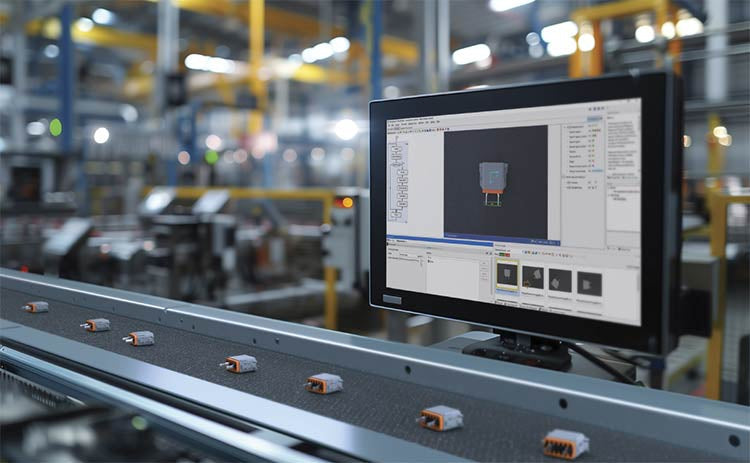
Industrial automation integrates speech recognition, IIoT protocols, and NLP with PLCs and DCS to streamline operations. By leveraging advanced edge computing, engineers enable real-time, hands-free control—allowing personnel to manage smart factory processes safely away from hazardous equipment.
Modern Industrial Automation: Transforming Safety and Efficiency in Mining Operations
Industrial automation has evolved from a simple manufacturing tool into the operational backbone of high-risk sectors. Modern mining operations increasingly rely on advanced control systems, programmable logic controllers (PLCs), distributed control systems (DCS), and artificial intelligence to address deep-underground hazards. By replacing manual labor in high-risk zones, factory automation technologies protect personnel while significantly boosting operational throughput.