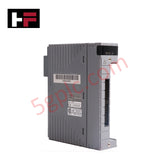
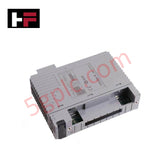
Product Details
Product Overview
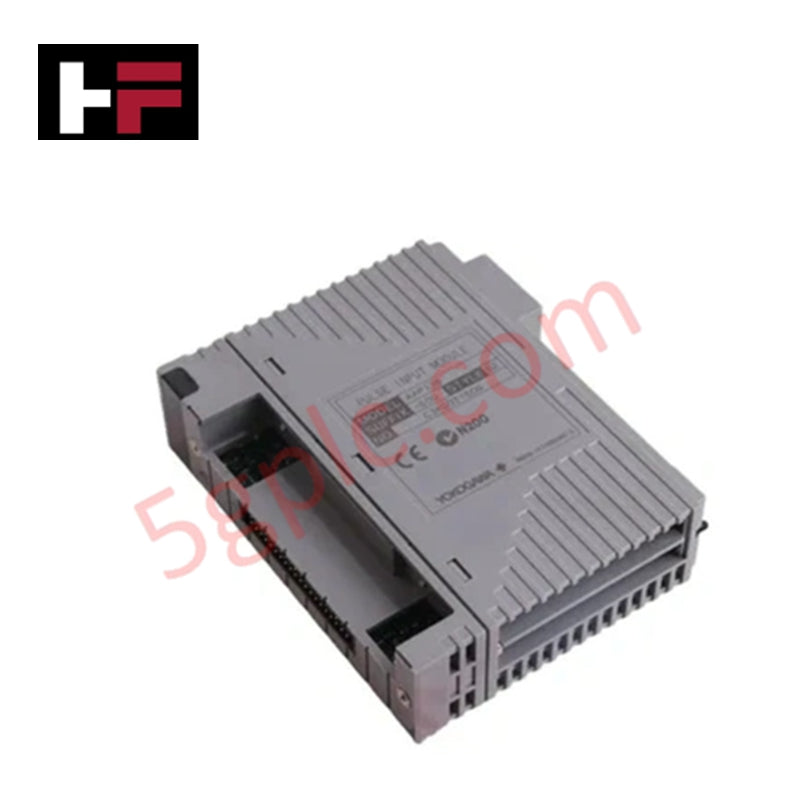
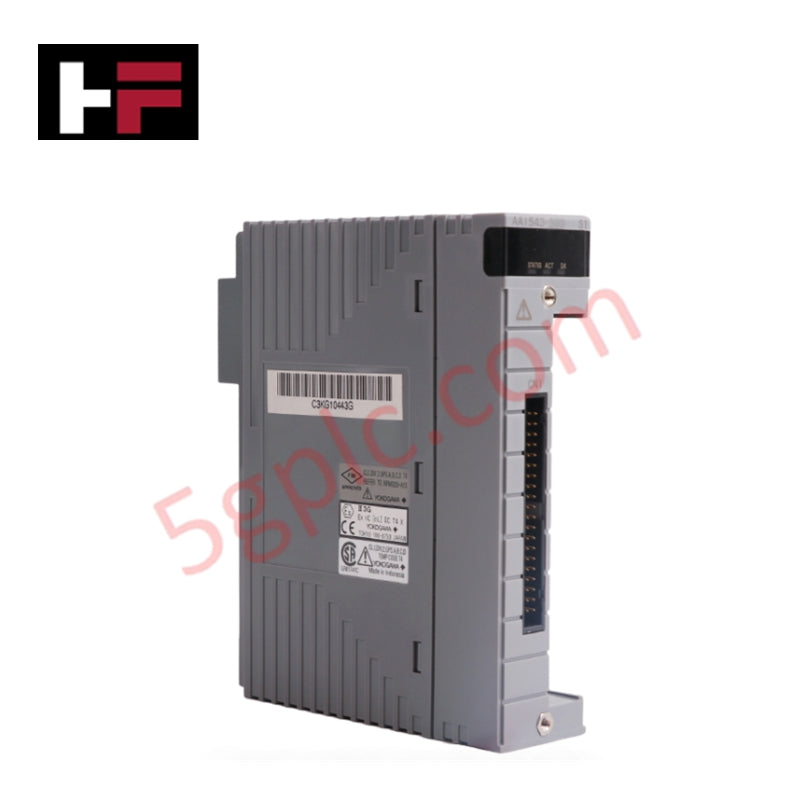
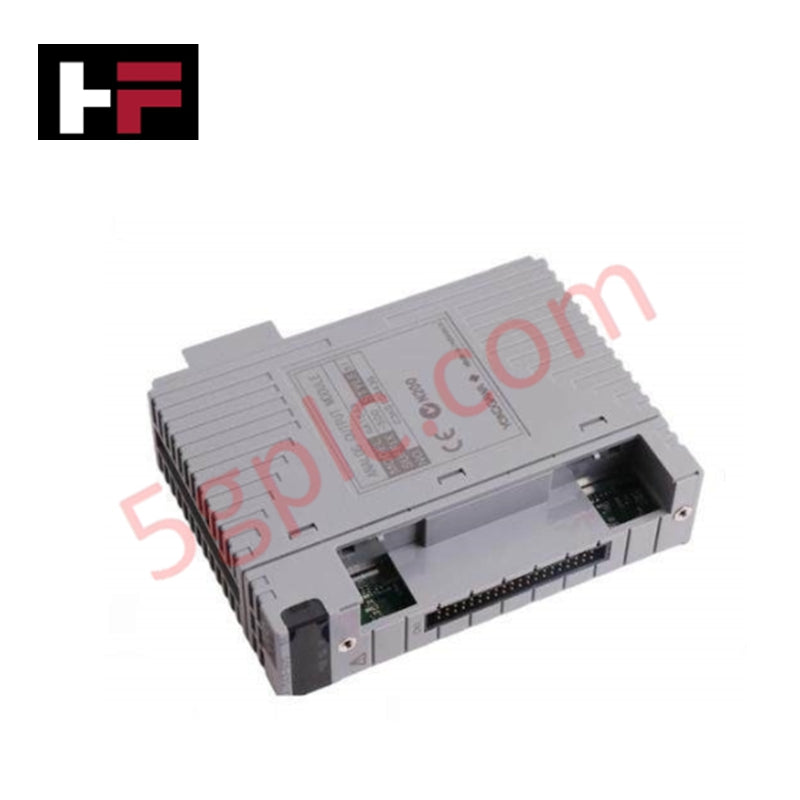
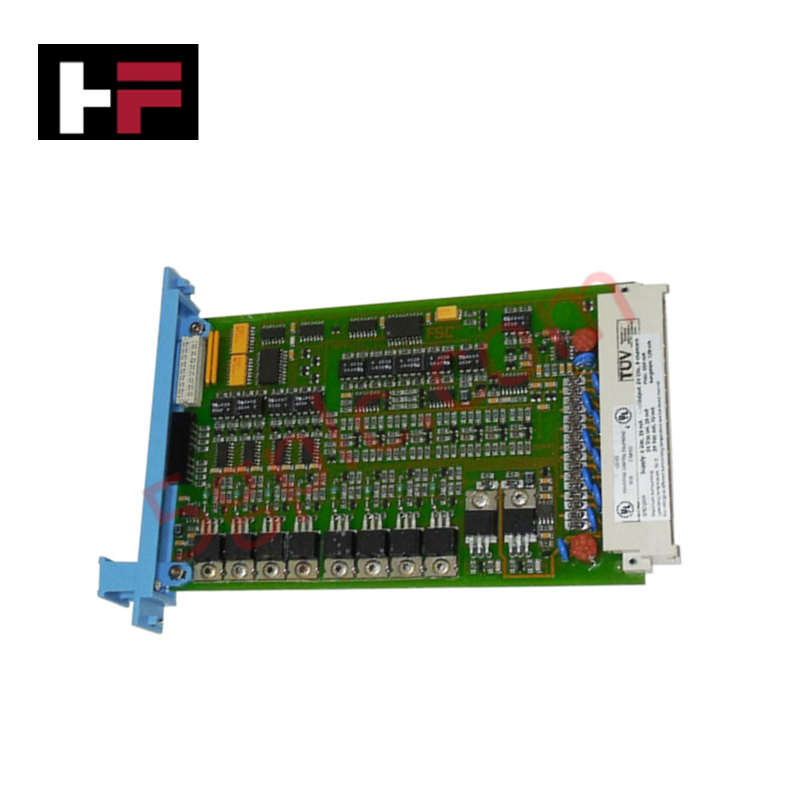
The Yokogawa AAI543-H10 serves as a high-density analog output interface for the CENTUM VP and CENTUM CS 3000 distributed control systems (DCS). This module provides 16 isolated channels of 4-20 mA current signals to drive final control elements such as pneumatic valves, actuators, and variable speed drives. By incorporating integrated HART communication capabilities, the AAI543-H10 allows the DCS to perform remote device configuration, continuous health monitoring, and advanced diagnostics on smart field instruments.
Condition: 100% Brand New and Original Factory Sealed.
Part Number Breakdown: AAI543-H10
Yokogawa utilizes a specific suffix logic to define module capabilities and protection levels:
-
AAI543: 16-Channel, 4-20 mA Analog Output Module.
-
-H: Supports HART Communication (HART 5/6/7).
-
1: Standard Type (Non-G3 Corrosive Resistance).
-
0: Basic Specification / No Option Codes.
Technical Specifications
The AAI543-H10 utilizes precision digital-to-analog conversion to ensure stable process control.
-
Number of Channels: 16, isolated
-
Output Signal: 4 to 20 mA DC
-
Communication: HART protocol (superimposed on 4-20 mA)
-
Allowable Load Resistance: 0 to 750 Ω
-
Accuracy: ±0.1% of full scale
-
Data Update Cycle: 10 ms
-
Maximum Current Consumption: 450 mA (5 V DC), 540 mA (24 V DC)
-
Weight: Approx. 0.35 kg
-
Mounting: Pressure-clamp or KS cable connection (depending on base plate)
Engineering Advantages
-
Seamless Smart Instrument Integration: The built-in HART functionality eliminates the need for external HART multiplexers. This allows maintenance teams to access valve positioner data and diagnostic alerts directly through the Yokogawa PRM (Plant Resource Manager) software.
-
High-Density Rack Efficiency: Packing 16 isolated channels into a single slot maximizes I/O density. This reduces the number of required nodes and subracks, lowering the total hardware footprint and simplifying cabinet thermal management.
-
Robust Signal Isolation: The module features channel-to-system isolation. This architecture protects the internal DCS bus from field-side electrical interference and grounding issues, preventing localized faults from disrupting the entire controller node.
-
Rapid Control Execution: With a 10 ms data update cycle, the AAI543-H10 provides the high-speed response necessary for critical pressure and flow control loops where process stability depends on instantaneous actuator adjustment.
FAQs
-
Can the AAI543-H10 replace an older AAI543-S00 module?
The AAI543-H10 adds HART functionality. While it is physically compatible with the same base plates, you must verify that your system software (CENTUM VP/CS 3000) and I/O definitions are updated to utilize the HART variables.
-
What is the maximum distance for the 4-20 mA signal?
Distance depends on the total loop resistance (cable + device). The AAI543-H10 supports up to 750 Ω. For a standard valve positioner (approx. 250 Ω), you have 500 Ω remaining for cabling, typically allowing for several kilometers of high-quality twisted-pair wire.
-
Does this module require a specific terminal block?
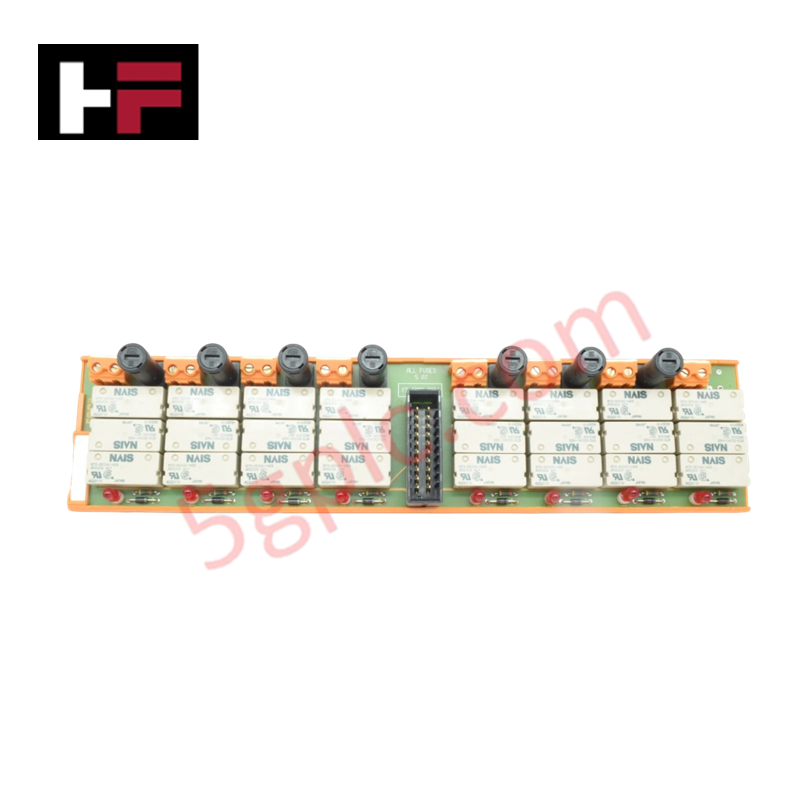
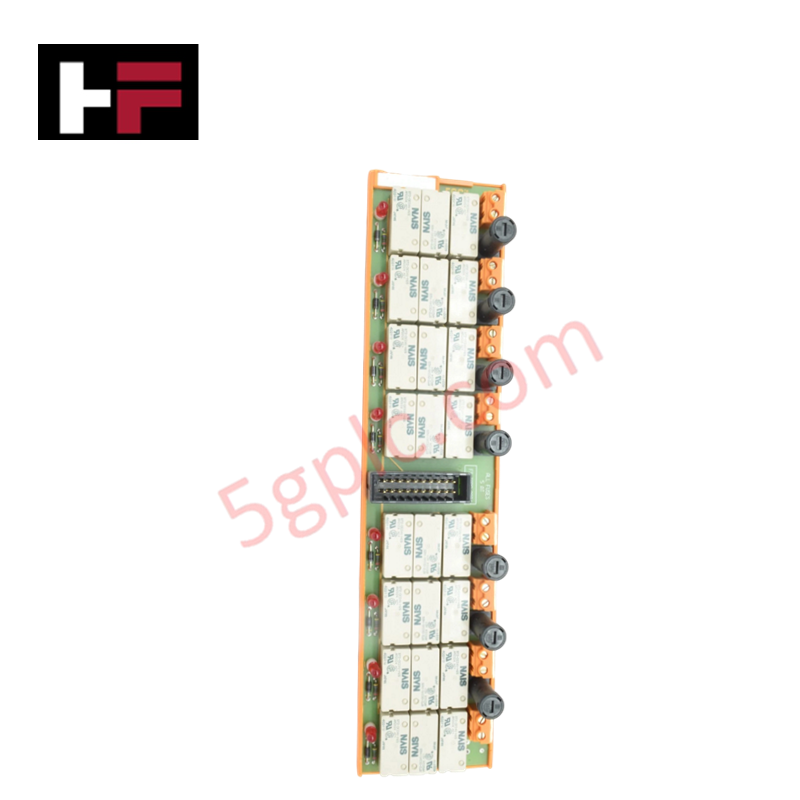
The AAI543-H10 typically installs onto a Yokogawa field wiring terminal board (such as the TEA16 or AET16). Ensure the terminal board matches the module's 16-channel pinout and supports HART signal transparency.
-
Is the module hot-swappable?
Yes, within a redundant CENTUM VP configuration, you can replace a module while the system is powered. However, the specific output loop will lose its signal during the swap unless you utilize a redundant I/O configuration.
Additional Information
- 100% Genuine Parts: All products are original and authentic, ensuring reliable industrial performance.
- 30-Day Refund Guarantee: Return any in-stock item within 30 days in original, unopened packaging for a full refund (excluding shipping and fees).
- 12-Month Warranty: Covers defects in materials or workmanship; excludes misuse, normal wear, or unauthorized modifications.
- Worldwide Shipping: We ship via USPS, UPS, FedEx, and DHL. Delivery times vary by country and may be subject to customs or import fees.
- Support & Contact: Technical and warranty assistance is available anytime. Contact us here: Contact.
- Purchase Guidance: Check product specifications and compatibility carefully before ordering to ensure proper application.



Tech & Buying Guide

Voice-Activated Industrial Automation: Integrating Speech Control into PLC and DCS Architectures
Industrial automation integrates speech recognition, IIoT protocols, and NLP with PLCs and DCS to streamline operations. By leveraging advanced edge computing, engineers enable real-time, hands-free control—allowing personnel to manage smart factory processes safely away from hazardous equipment.
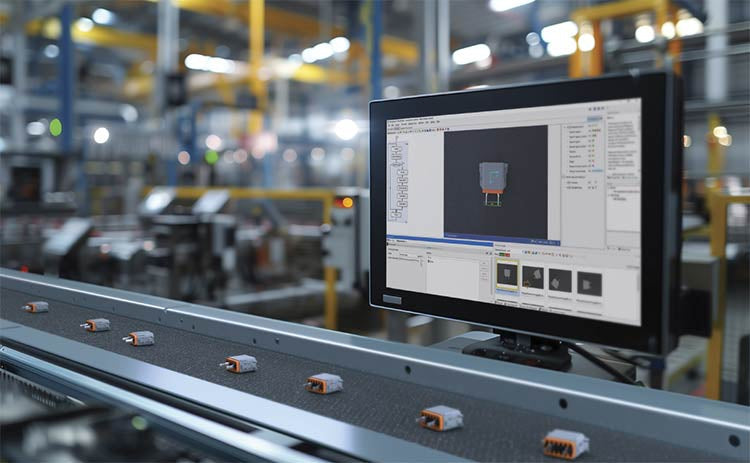
Modern Industrial Automation: Transforming Safety and Efficiency in Mining Operations
Industrial automation has evolved from a simple manufacturing tool into the operational backbone of high-risk sectors. Modern mining operations increasingly rely on advanced control systems, programmable logic controllers (PLCs), distributed control systems (DCS), and artificial intelligence to address deep-underground hazards. By replacing manual labor in high-risk zones, factory automation technologies protect personnel while significantly boosting operational throughput.