












Product Details
Technical Overview
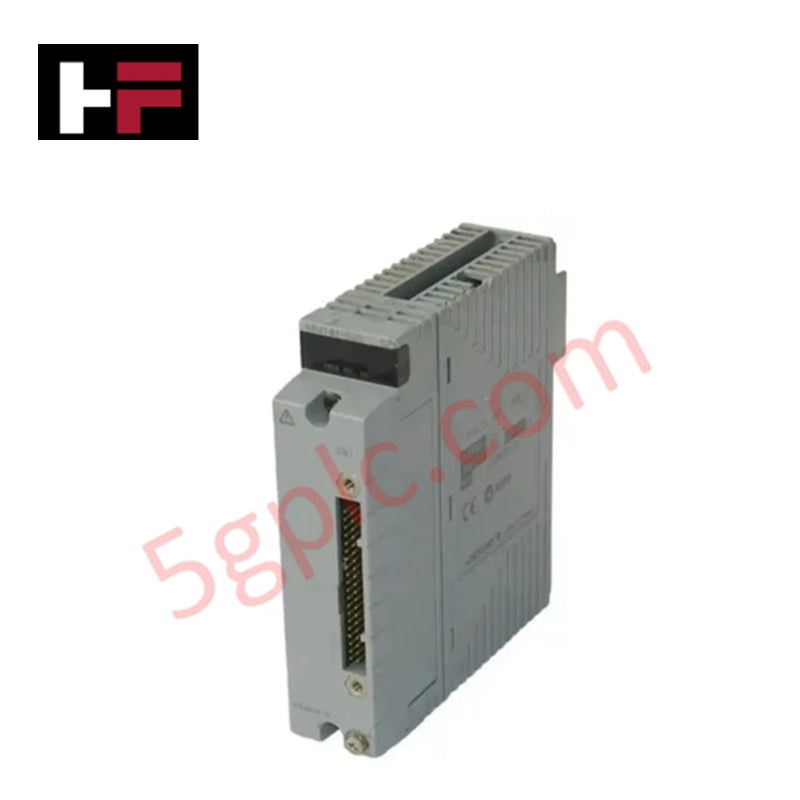
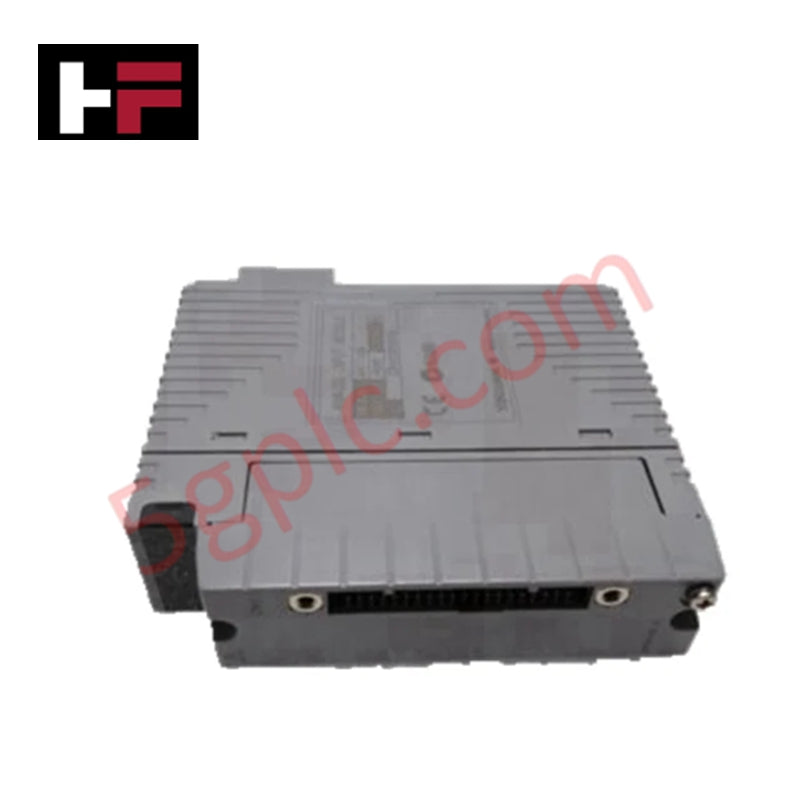
The AAI141-H50 is a high-density current input module optimized for the Yokogawa CENTUM VP and CS 3000 control systems. This unit supports 16 channels of 4 to 20 mA signals, specifically designed for applications where high-speed data acquisition is required across multiple loops. As an "H" suffix module, it features integrated HART digital communication, allowing the system to access diagnostic data from intelligent field transmitters without disrupting the analog signal.
The "S2" revision indicates enhanced reliability and updated hardware components to meet modern industrial standards. By utilizing a non-isolated architecture where all channels share a common ground, this module maximizes space efficiency within the I/O nest while providing an industry-leading 10 ms update cycle for real-time process monitoring.
Detailed Specifications
-
Module Identification: AAI141-H50
-
Input Configuration: 16-channel current input (Non-isolated/Common ground)
-
Signal Range: 4 to 20 mA DC
-
Digital Communication: HART Protocol support (Standard)
-
Measurement Accuracy: ±16 µA (High-precision sensing)
-
Data Refresh Period: 10 ms cycle
-
Input Resistance (Power ON): 250 Ω (Nominal)
-
Transmitter Power Supply: 14.8 V or higher (at 20 mA); 26.4 V or less (at 0 mA)
-
Maximum Input Current: 25 mA
-
Withstanding Voltage: 500 V AC between input and system (for 1 minute)
-
Temperature Stability: Drift of ±16 µA per 10 °C fluctuation
-
Connection Methods: Pressure clamp terminal, KS cable, or MIL connector interface
-
Power Requirements: Max 450 mA (5 V DC)
-
Module Weight: 1.3 kg
Module Comparison: AAI141 (Non-Isolated) vs. AAI143 (Isolated)
| Feature | AAI141-H50 | AAI143-H50 |
| Isolation | Common Ground | Channel-to-System Isolation |
| Density | High (16 Channels) | High (16 Channels) |
| Grounding Requirement | Shared field ground | Independent field ground |
| Best Application | Cost-effective local sensing | High-noise environments |
Frequently Asked Questions
-
Does the AAI141-H50 support 2-wire transmitters?
Yes, the module provides a built-in transmitter power supply (minimum 14.8 V at full load) to power standard loop-powered devices.
-
Can this module read HART diagnostics?
Yes, it is fully transparent to HART digital signals, enabling communication between the control system and HART-capable field instruments for maintenance and calibration.
Additional Information
- 100% Genuine Parts: All products are original and authentic, ensuring reliable industrial performance.
- 30-Day Refund Guarantee: Return any in-stock item within 30 days in original, unopened packaging for a full refund (excluding shipping and fees).
- 12-Month Warranty: Covers defects in materials or workmanship; excludes misuse, normal wear, or unauthorized modifications.
- Worldwide Shipping: We ship via USPS, UPS, FedEx, and DHL. Delivery times vary by country and may be subject to customs or import fees.
- Support & Contact: Technical and warranty assistance is available anytime. Contact us here: Contact.
- Purchase Guidance: Check product specifications and compatibility carefully before ordering to ensure proper application.




Tech & Buying Guide

Top 5 Operational Advantages of HMIs in Modern Factory Automation

Importance of Safety Barriers in PLC and DCS Control Systems
