










Product Details
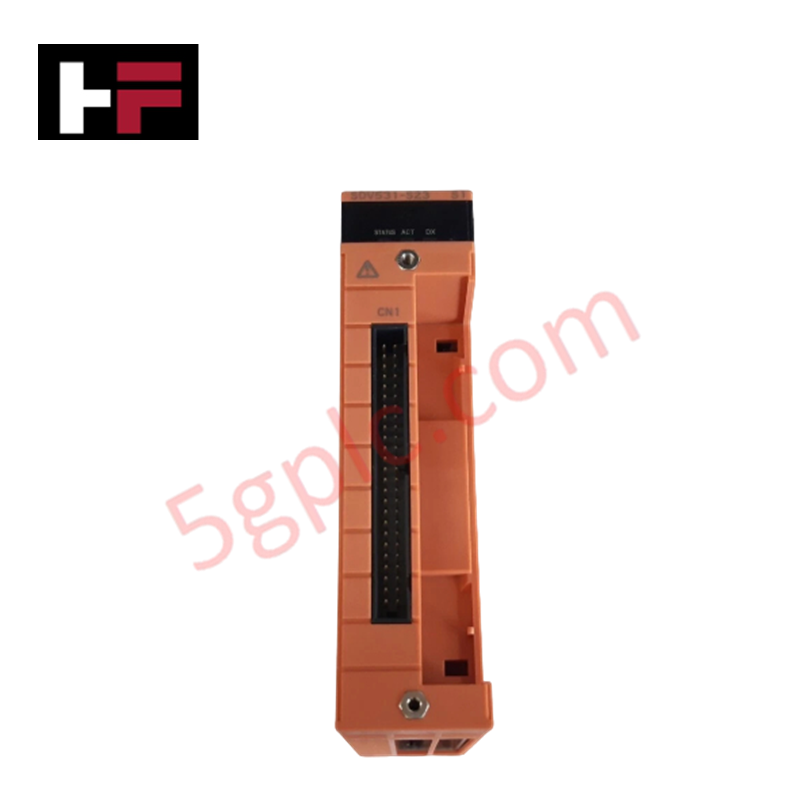
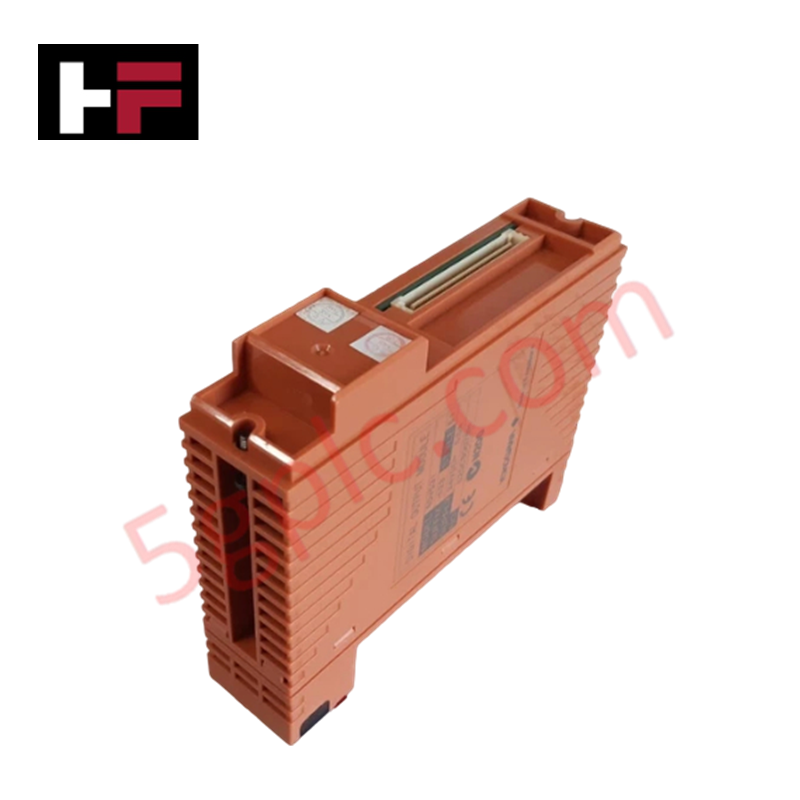
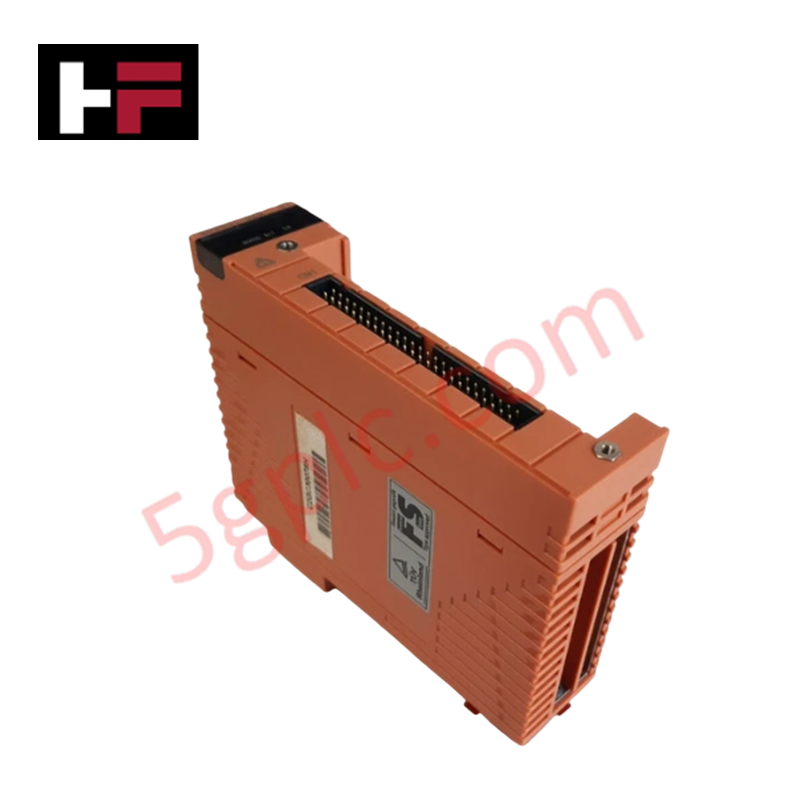
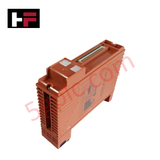
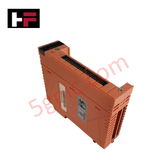
Configured for discrete field device actuation in ProSafe-RS safety instrumented system networks, the YOKOGAWA SDV531-S23 (SDV531 Digital Output Module) provides direct physical/electrical execution. The hardware operates eight independent output paths to route commands directly to final control elements while enforcing physical isolation boundaries.
Hardware Specifications
| Parameter | Specification |
|---|---|
| Model | SDV531-S23 |
| Brand | YOKOGAWA |
| Origin | Japan |
| Weight | 0.18 kg |
| Dimensions | 2.2 cm x 18.1 cm x 12.7 cm |
| Operating Temp | -40 to +70 deg C |
| Power Consumption | 24 VDC input voltage |
| Relay Outputs | 8 Form A (NPN) outputs |
| Current Rating | 5.5 A |
| Safety Certification | SIL 2 Certified |
| System Platform | ProSafe-RS Safety Instrumented System |
Channel-to-Channel Isolation
The module employs galvanic channel-to-channel isolation parameters to prevent fault propagation across the hardware architecture. Optical and transformer isolation barriers isolate individual field-side 24 VDC loops from the internal processor logic. This circuit topology mitigates cross-talk between adjacent channels and prevents external electrical faults from disrupting the logic processing core of the ProSafe-RS platform.
Frequently Asked Questions
Q: Does the module support online hot-swap operations during safety system execution?
A: Hot-swapping is permitted provided the corresponding logic loop is bypassed or placed in a manual safe state prior to extraction. The backplane connector prevents transient bus disruptions during insertion, but field-side load currents up to 5.5 A must be de-energized to prevent contact arcing at the terminal block.
Q: How do the Form A (NPN) outputs behave during a loss of logic communication?
A: Upon loss of backplane communication or internal processor fault, the internal logic executes a fail-safe shutdown routine, driving all 8 Form A outputs to their de-energized open state to isolate external control elements.
Field Installation Guidelines
- Chassis Integration: Mount the module vertically into the designated ProSafe-RS slot, tightening the retention mechanisms to verify backplane bus engagement. Ensure the ambient temperature inside the enclosure remains within -40 to +70 deg C limits.
- Shield Grounding and Cable Routing: All digital output field wiring must use shielded instrumentation cables. Field drain wires must be terminated exclusively at the cabinet single-point ground bar to block induced electromagnetic noise from altering safety diagnostics.
- Inductive Load Suppression: For DC inductive final control elements connected to the 5.5 A channels, external suppression diodes must be wired directly across the load terminals to prevent back-EMF voltage transients from degrading the solid-state output circuits.
Additional Information
- 100% Genuine Parts: All products are original and authentic, ensuring reliable industrial performance.
- 30-Day Refund Guarantee: Return any in-stock item within 30 days in original, unopened packaging for a full refund (excluding shipping and fees).
- 12-Month Warranty: Covers defects in materials or workmanship; excludes misuse, normal wear, or unauthorized modifications.
- Worldwide Shipping: We ship via USPS, UPS, FedEx, and DHL. Delivery times vary by country and may be subject to customs or import fees.
- Support & Contact: Technical and warranty assistance is available anytime. Contact us here: Contact.
- Purchase Guidance: Check product specifications and compatibility carefully before ordering to ensure proper application.


Tech & Buying Guide

Demystifying the DDE Protocol in Legacy Industrial Automation Systems
Modern control systems rely heavily on seamless interprocess communication to exchange operational data between software programs. Microsoft first introduced the Dynamic Data Exchange (DDE) protocol in 1987 to enable real-time data sharing. In factory automation, DDE served as an early bridge between control software and Windows desktop applications. Therefore, understanding DDE mechanics provides crucial insights into how legacy industrial networks established software-level connectivity.

Demystifying CPU Communication Ports in Siemens PLC Architectures
Industrial automation relies heavily on robust data exchange between devices. Without seamless connectivity, field instruments, network switches, human-machine interfaces, and programmable logic controllers cannot coordinate effectively. Therefore, understanding the various CPU communication ports available in Siemens hardware ensures efficient factory automation design and seamless system integration.

Mastering the Siemens PLC Scan Cycle: How the CPU Executes Automation Programs
Industrial automation relies heavily on programmable logic controllers (PLCs) to manage complex manufacturing processes. Many engineers dive straight into programming without mastering the underlying architecture. However, understanding how a PLC CPU executes a program ensures reliable system design. Therefore, mastering the scan cycle optimizes both performance and troubleshooting in modern control systems.