












Product Details
Engineering Overview
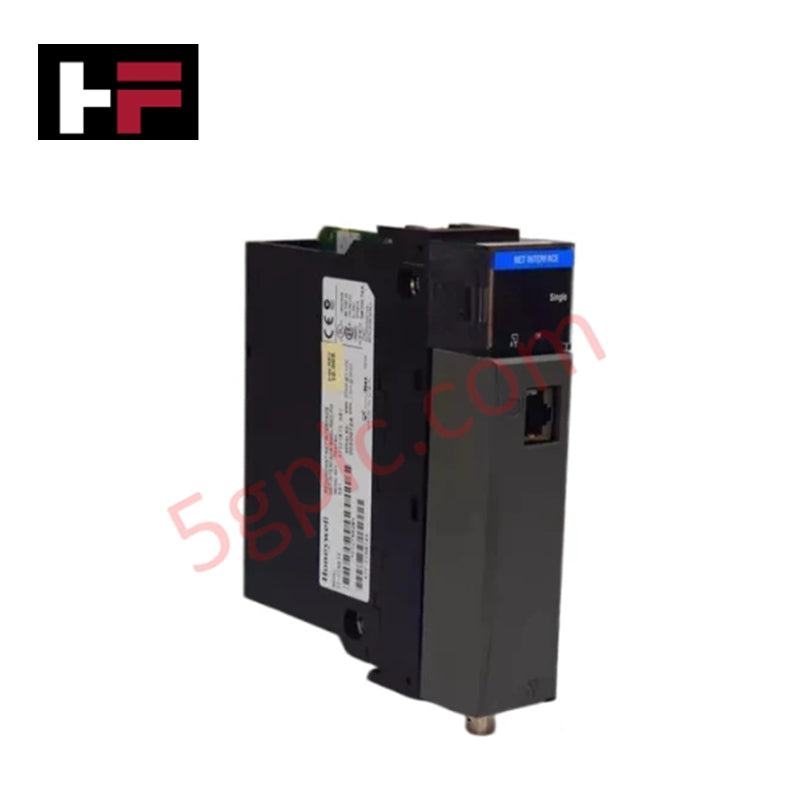
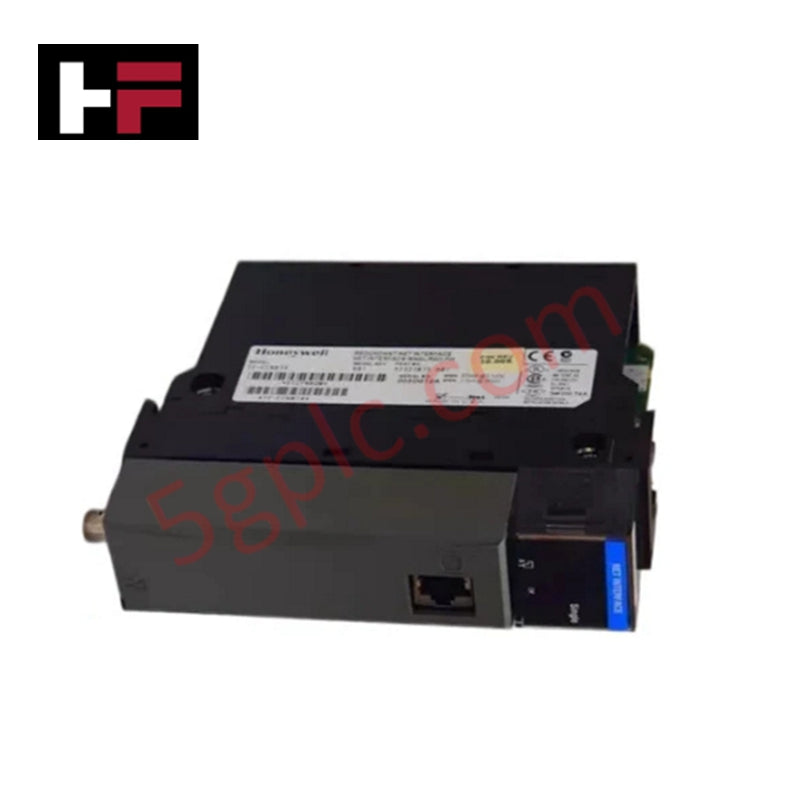
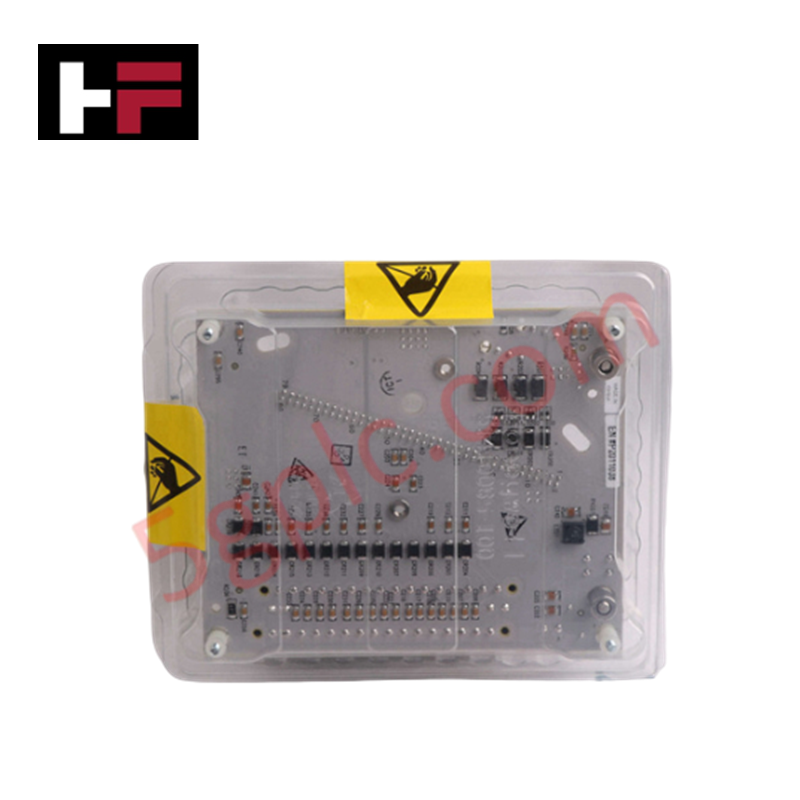
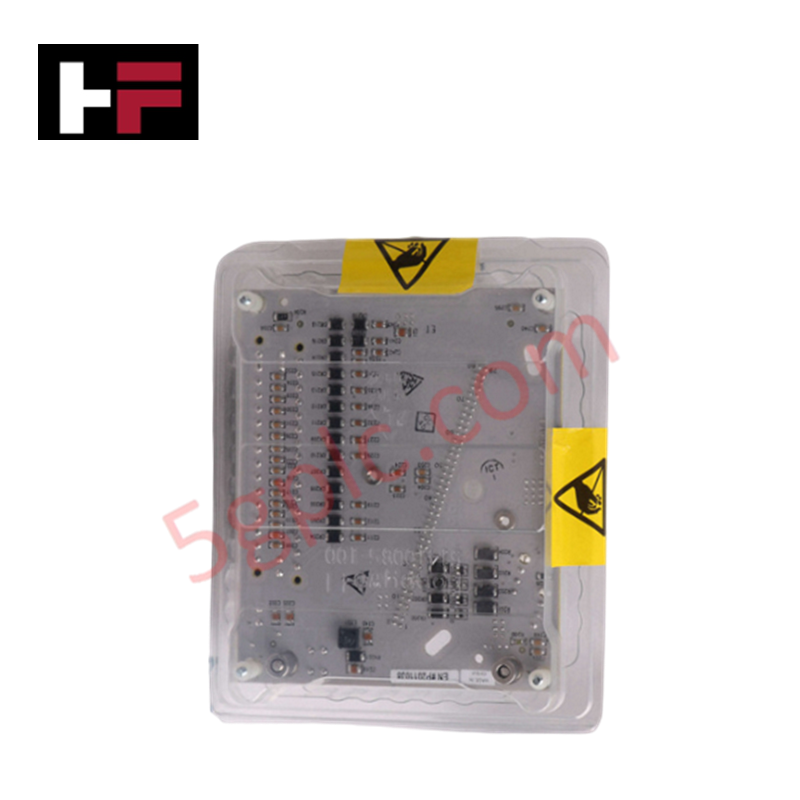
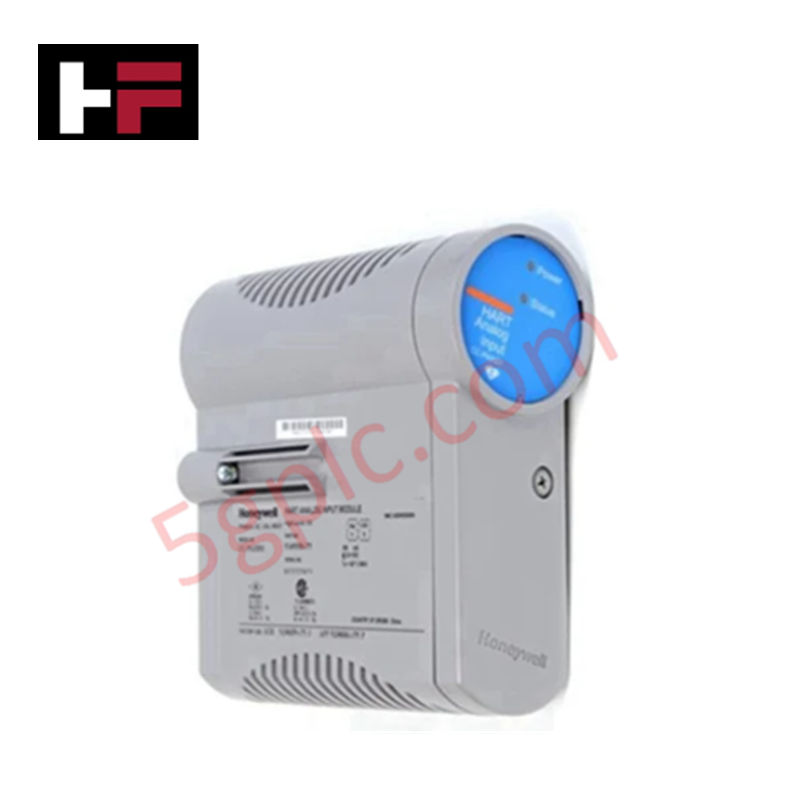
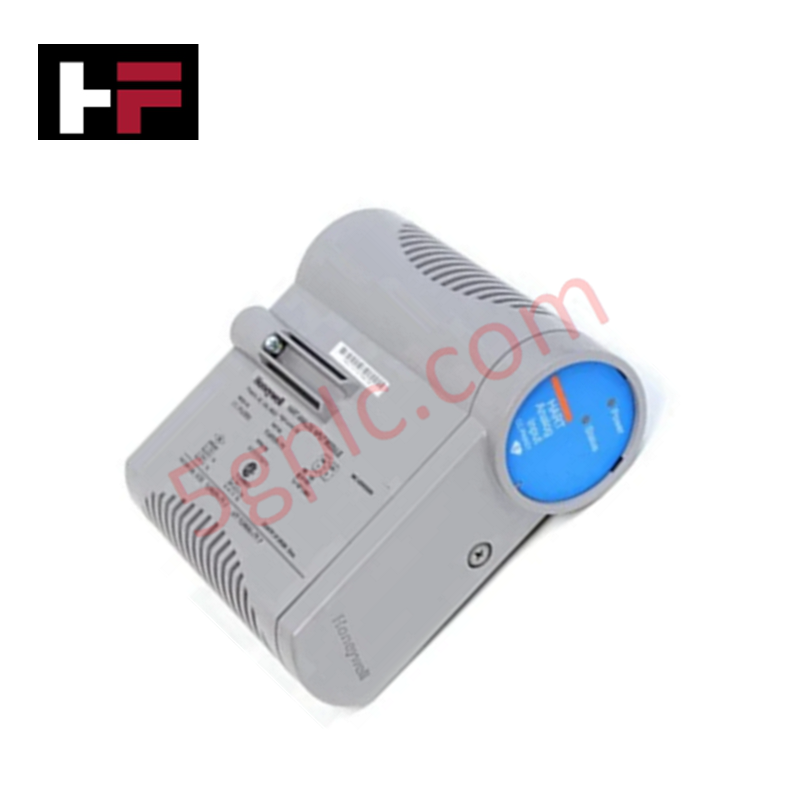
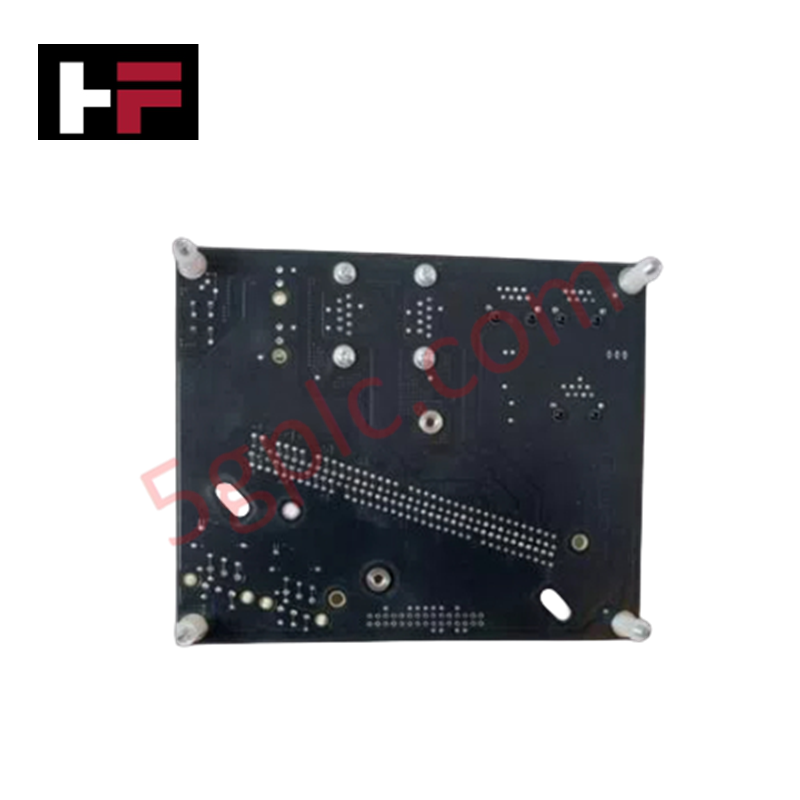
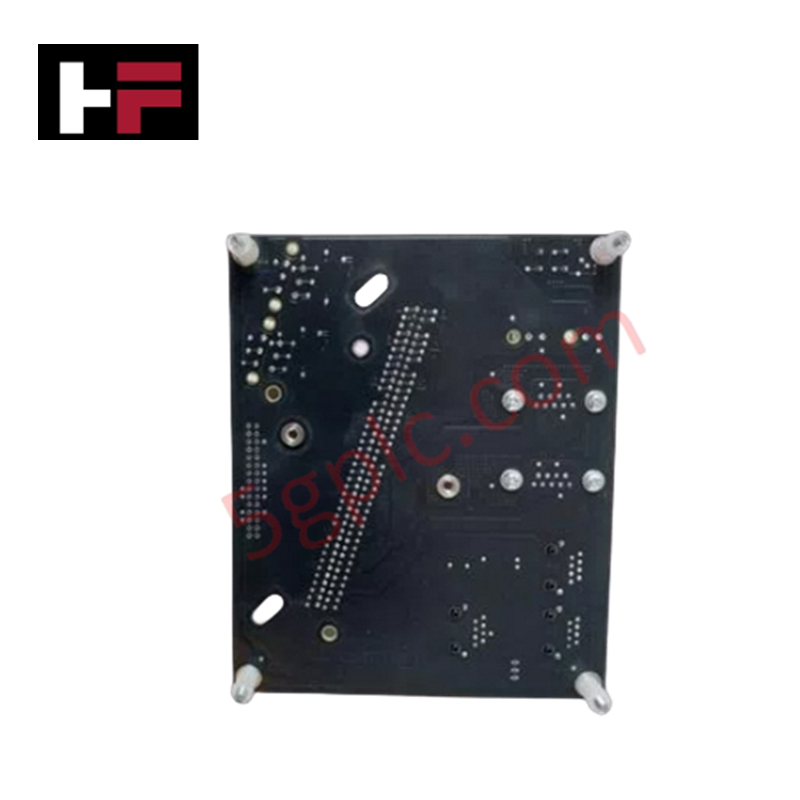
The SAI143-S33 (Part No. SAI143-S33) is a high-integrity analog input module specifically engineered for the Yokogawa ProSafe-RS safety instrumented system. This module is designed to provide precise data acquisition for 16 isolated channels, making it a critical component for safety-critical monitoring of 4 to 20 mA signals.
The "S33" designation indicates a standard communication version (non-HART) built for rugged industrial environments. It features an extended operating temperature range and is treated with a conformal coating that adheres to ISA Standard G3, protecting the internal circuitry from corrosive gases commonly found in chemical and offshore environments. The module facilitates a direct connection between field-side transmitters and the safety control logic, ensuring high-speed data sampling and robust signal purity.
Technical Specifications
The SAI143-S33 is defined by the following industrial performance parameters:
-
Manufacturer: Yokogawa Electric Corporation
-
Model Identification: SAI143-S33
-
I/O Type: Analog Input (Current Input)
-
Channel Count: 16 Channels, fully isolated
-
Input Signal Range: 4 to 20 mA DC
-
Update Frequency: 40 ms (Data refresh cycle)
-
Dielectric Strength: 1.5 kV AC between input and system logic
-
Transmitter Power Supply: Built-in capability for 2-wire transmitter loops
-
Environmental Protection: ISA G3 Conformal Coating (Corrosion Resistant)
-
Operating Temperature: -20°C to +70°C (Extended range)
-
Physical Footprint: 51 mm x 127 mm x 127 mm
-
Net Weight: 0.34 kg
-
System Compatibility: FIO (Field I/O) nodes for ProSafe-RS
Operational Implementation and Reliability
Designed for high-availability systems, the SAI143-S33 (SAI143-S33) is typically deployed in gas treatment plants, refineries, and thermal power stations. The module’s 1.5 kV isolation prevents electrical surges from propagating into the system backplane, safeguarding the entire control station. Unlike standard commercial I/O, this module is rated for extreme temperature swings, maintaining accuracy within tight tolerances even in non-climate-controlled cabinets.
Frequently Asked Questions
What is the difference between the SAI143-S33 and the SAI143-H33?
The primary difference is the communication protocol. The SAI143-S33 is a standard (S) version focused on pure 4-20 mA acquisition, whereas the H33 version includes HART digital signal pass-through for advanced device diagnostics.
Is the SAI143-S33 suitable for redundant configurations?
Yes. In a ProSafe-RS architecture, two SAI143-S33 modules can be installed in a redundant pair. If one module detects a self-diagnostic fault, the system immediately switches to the standby module to ensure the safety loop remains closed.
Additional Information
- 100% Genuine Parts: All products are original and authentic, ensuring reliable industrial performance.
- 30-Day Refund Guarantee: Return any in-stock item within 30 days in original, unopened packaging for a full refund (excluding shipping and fees).
- 12-Month Warranty: Covers defects in materials or workmanship; excludes misuse, normal wear, or unauthorized modifications.
- Worldwide Shipping: We ship via USPS, UPS, FedEx, and DHL. Delivery times vary by country and may be subject to customs or import fees.
- Support & Contact: Technical and warranty assistance is available anytime. Contact us here: Contact.
- Purchase Guidance: Check product specifications and compatibility carefully before ordering to ensure proper application.


Tech & Buying Guide

Top 5 Operational Advantages of HMIs in Modern Factory Automation

Importance of Safety Barriers in PLC and DCS Control Systems
