



Product Details
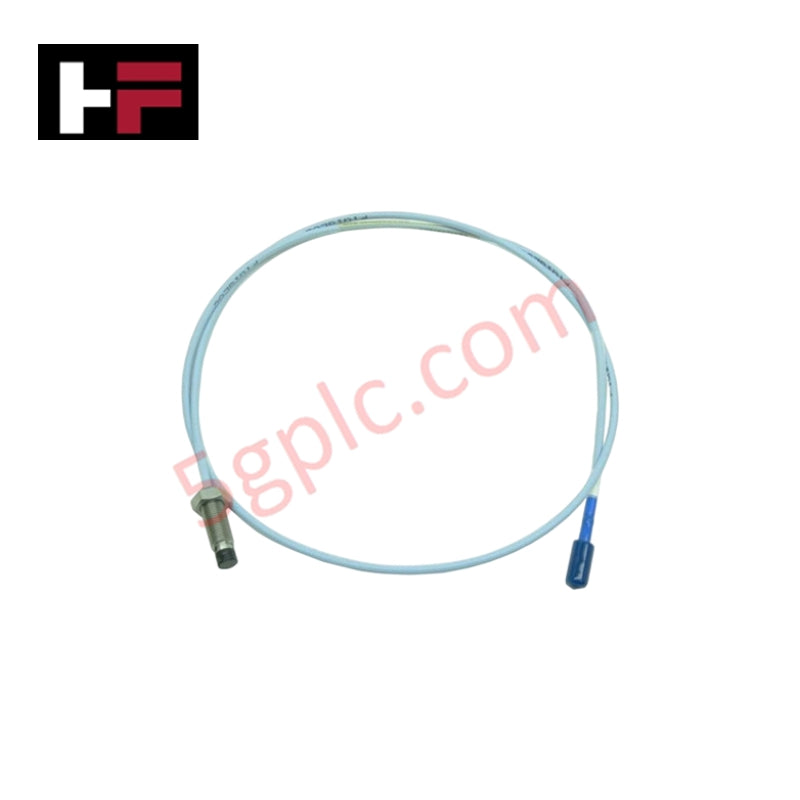
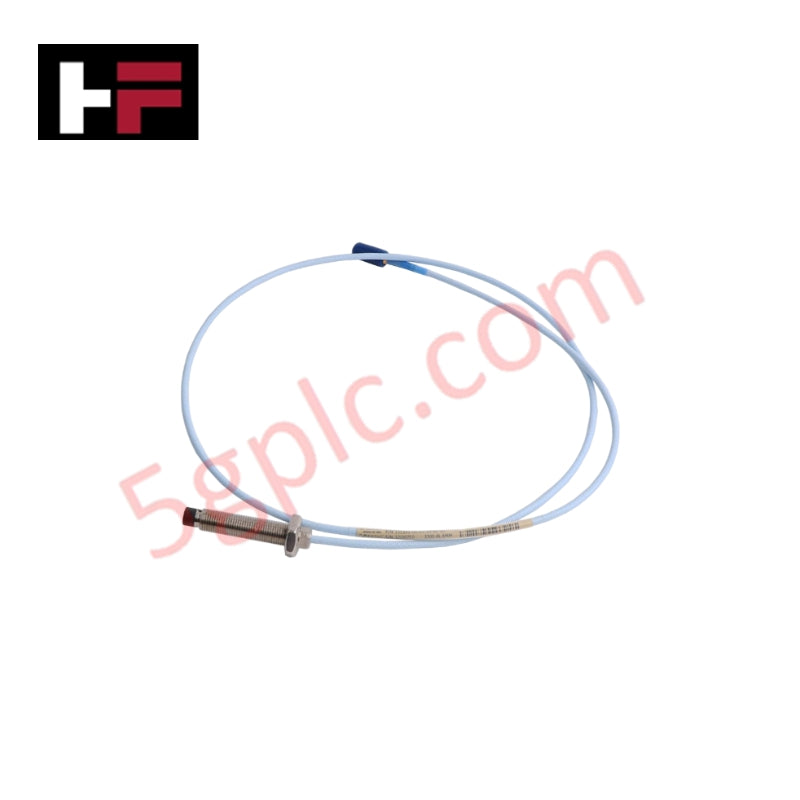
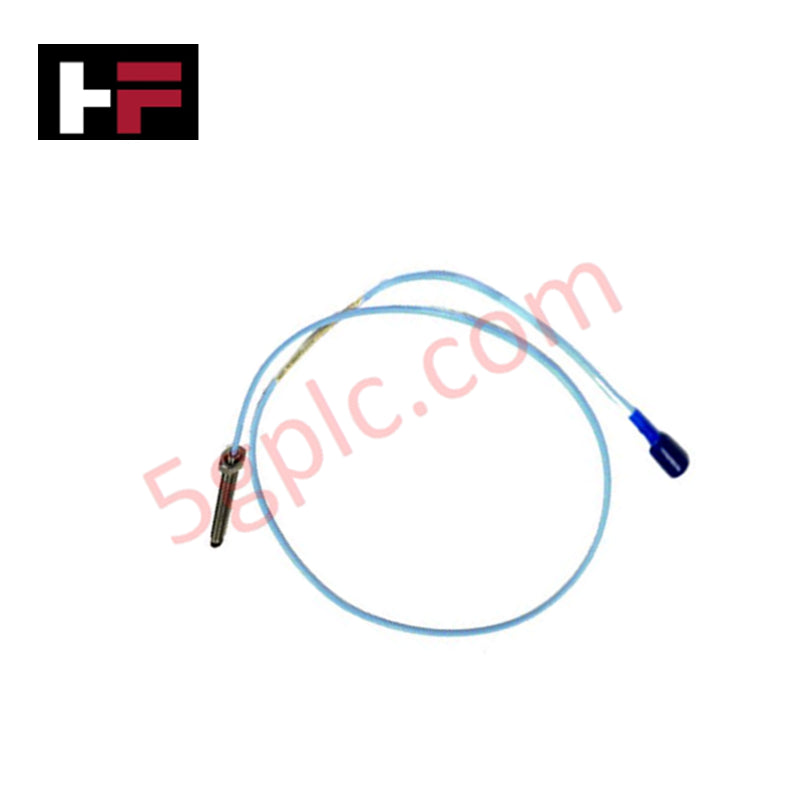
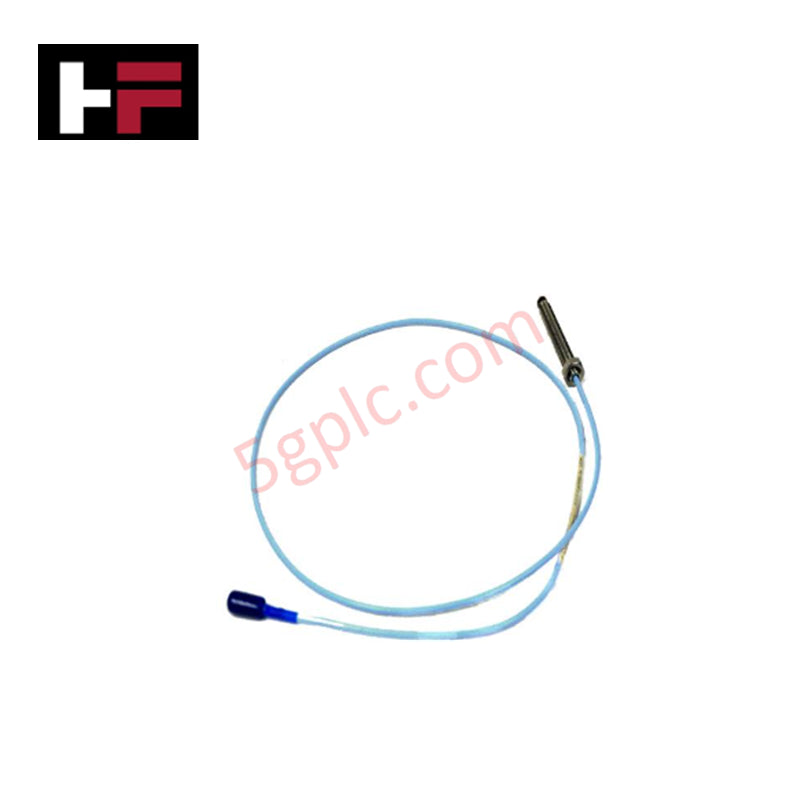
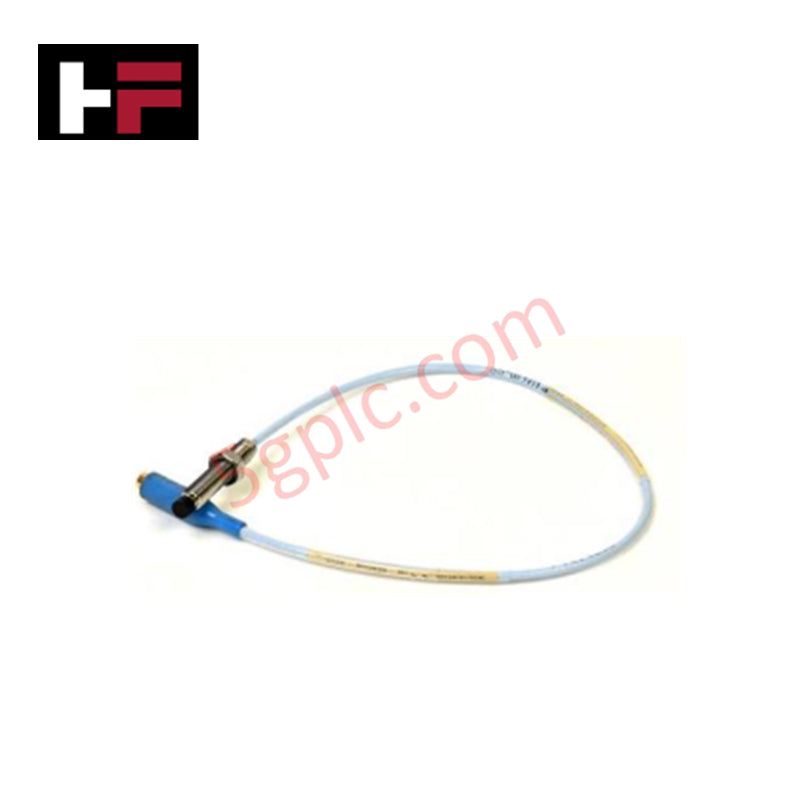
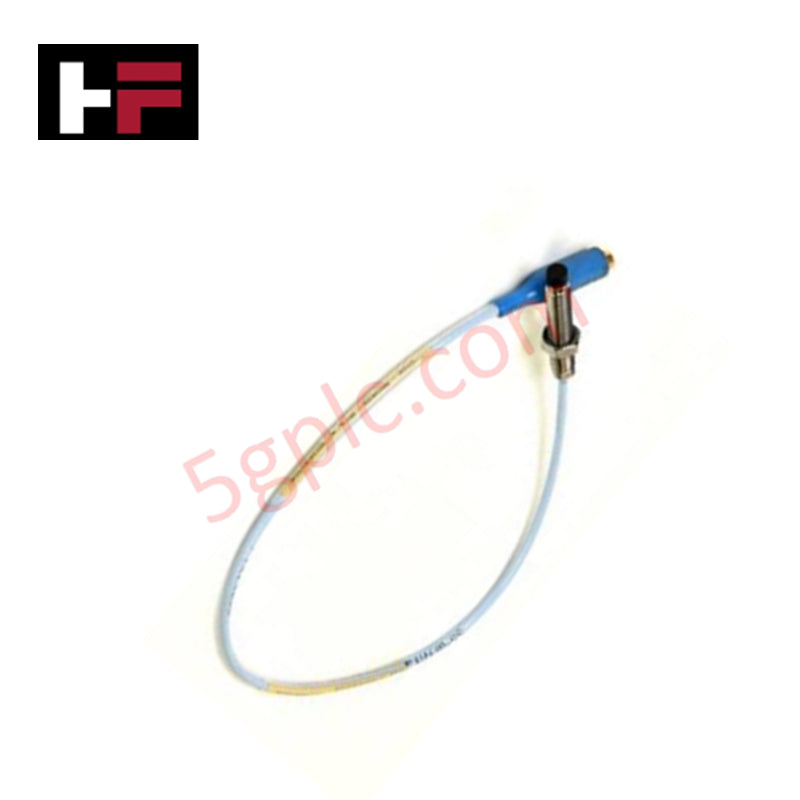
The 330102-20-65-10-11-05 is a Bently Nevada 3300 XL 8 mm Proximity Probe designed for non-contact measurement of shaft displacement and vibration. It features a 3/8-24 UNF threaded, armored construction, a 1.0 m FluidLoc cable, and a miniature coaxial ClickLoc connector with connector protector. This configuration also carries CSA, ATEX, and IECEx approvals.
Technical Specifications
| Parameter | Specification |
|---|---|
| Model | 330102-20-65-10-11-05 |
| Brand | Bently Nevada |
| Product Type | 3300 XL 8 mm Proximity Probe |
| Base Model | 330102 |
| Thread Type | 3/8-24 UNF |
| Probe Construction | Armored |
| Unthreaded Length | 2.0 in |
| Overall Case Length | 6.5 in |
| Total Cable Length | 1.0 m (3.3 ft) |
| Connector Type | Miniature coaxial ClickLoc connector |
| Connector Protection | Connector protector |
| Cable Type | FluidLoc cable |
| Agency Approvals | CSA, ATEX, IECEx |
| Probe Tip Material | Polyphenylene sulfide (PPS) |
| Probe Case Material | AISI 303 or 304 stainless steel (SST) |
| Operating Temperature | -51 °C to +177 °C (-60 °F to +351 °F) |
| Storage Temperature | -51 °C to +177 °C (-60 °F to +351 °F) |
| Net Weight | 0.323 kg |
| Shipping Weight | 1.3 kg |
| Country of Origin | USA |
Measurement Function
The 3300 XL 8 mm proximity probe uses eddy-current sensing to detect changes in the distance between its probe tip and a conductive target, typically a rotating machinery shaft. The resulting displacement signal supports shaft vibration and relative position measurements when the probe is connected to a compatible proximity sensor and monitoring system.
The probe serves as the sensing element rather than a standalone measurement instrument. Its electrical output must be conditioned by the appropriate proximity sensor before it can be processed by machinery monitoring equipment.
Mechanical Construction and Thread Configuration
The 330102 base model features a 3/8-24 UNF threaded and armored construction. The threaded case provides a defined mounting interface, while the armored cable configuration adds mechanical protection to the cable assembly.
The specified 2.0 in unthreaded length and 6.5 in overall case length are important when checking mounting clearance, probe positioning, and replacement compatibility. These dimensions should be matched against the existing installation rather than selected by thread size alone.
Cable and Connector Configuration
This version uses a 1.0 m FluidLoc cable terminated with a miniature coaxial ClickLoc connector and connector protector. The connector protector provides additional physical protection for the connection area, while the FluidLoc cable identifies the specified cable construction.
When replacing an installed probe, verify the cable length, connector arrangement, and compatibility with the existing extension cable and proximity sensor. A matching 8 mm probe designation alone does not establish complete system compatibility.
Materials and Operating Conditions
The probe tip uses polyphenylene sulfide (PPS), and the case is manufactured from AISI 303 or 304 stainless steel. The specified operating and storage temperature range is -51 °C to +177 °C, covering both measurement operation and non-operating storage conditions.
These temperature limits describe the probe specification and should not automatically be applied to associated extension cables, connectors, or proximity sensors, which may have separate environmental ratings.
Agency Approvals
The -05 configuration specifies CSA, ATEX, and IECEx approvals. These approval designations are relevant when selecting equipment for installations subject to electrical and hazardous-area requirements.
The applicable certificate numbers, protection concepts, gas or dust classifications, and installation conditions are not included in the supplied data. Verify these details against the relevant product certificates before specifying the probe for a particular hazardous-area installation.
Frequently Asked Questions
Q: What is the difference between the 330102 base model and the complete 330102-20-65-10-11-05 part number?
A: The 330102 identifies the basic 3300 XL 8 mm armored probe with a 3/8-24 UNF thread. The complete part number specifies the individual configuration, including the 2.0 in unthreaded length, 6.5 in overall case length, 1.0 m FluidLoc cable, ClickLoc connector with protector, and agency approval option.
Q: Does this proximity probe use a FluidLoc cable?
A: Yes. The -11 configuration specifies a miniature coaxial ClickLoc connector with connector protector and FluidLoc cable. The total cable length is 1.0 m (3.3 ft).
Q: What temperature range is specified for this model?
A: Both operating and storage temperatures are specified from -51 °C to +177 °C (-60 °F to +351 °F). These limits apply to the probe specification and should not be assumed to cover all connected monitoring components.
Additional Information
- 100% Genuine Parts: All products are original and authentic, ensuring reliable industrial performance.
- 30-Day Refund Guarantee: Return any in-stock item within 30 days in original, unopened packaging for a full refund (excluding shipping and fees).
- 12-Month Warranty: Covers defects in materials or workmanship; excludes misuse, normal wear, or unauthorized modifications.
- Worldwide Shipping: We ship via USPS, UPS, FedEx, and DHL. Delivery times vary by country and may be subject to customs or import fees.
- Support & Contact: Technical and warranty assistance is available anytime. Contact us here: Contact.
- Purchase Guidance: Check product specifications and compatibility carefully before ordering to ensure proper application.

Tech & Buying Guide

Understanding Instrumentation Control Systems in Modern Industrial Automation
An instrumentation control system (ICS) serves as the central nervous system of modern manufacturing plants and processing facilities. Engineers classify these setups as Electrical, Electronic, or Programmable Electronic Systems (E/E/PES). In practice, an ICS bridges the physical world of industrial machinery with digital decision-making tools. Therefore, understanding its architecture is essential for anyone working in factory automation, process control, or plant safety.

Mastering Electrical Grounding Fundamentals in Industrial Automation and Control Systems
Electrical grounding is a complex engineering discipline. It requires deep knowledge of soil composition and conductor materials. National Electrical Code (NEC) Article 250 outlines these requirements clearly. Many engineers confuse grounding, earthing, and bonding. Grounding connects circuits to a common reference point. Earthing specifically links equipment directly to the planet. Bonding permanently joins metallic parts to ensure electrical continuity.

Architectural Blueprint of Industrial Automation and Control Systems (IACS): Standards, Safety, and Remote Operations
According to IEC 62443, Industrial Automation and Control Systems (IACS) integrate personnel, hardware, and software. These components collectively influence the safety and reliability of any industrial process. Modern control systems allow extensive remote monitoring and operation. However, enabling remote capabilities introduces complex cybersecurity challenges. Therefore, facility operators must evaluate system functions carefully before expanding connectivity.