


Product Details
Product Overview
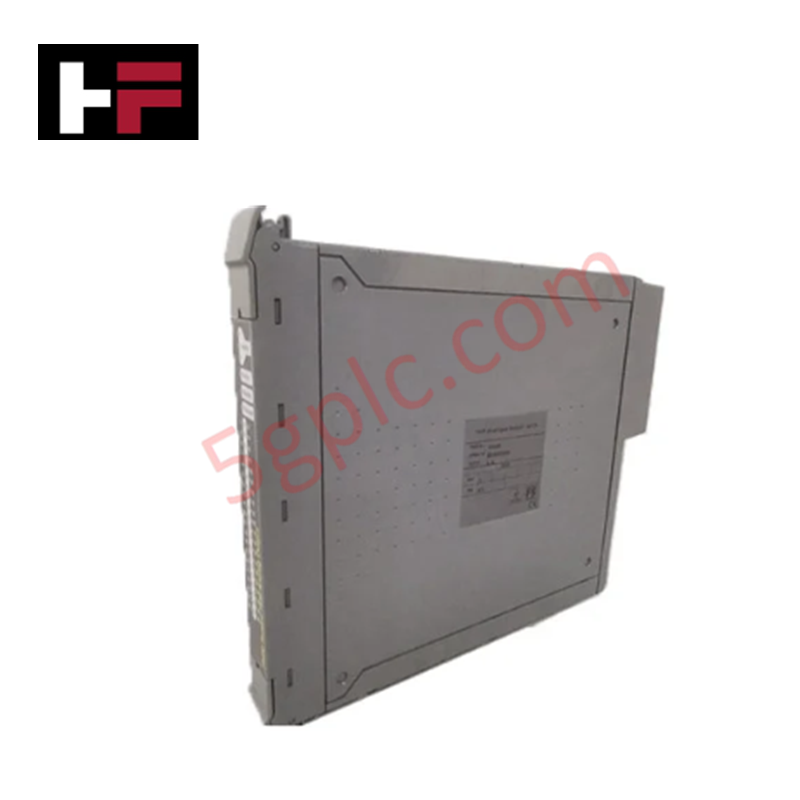
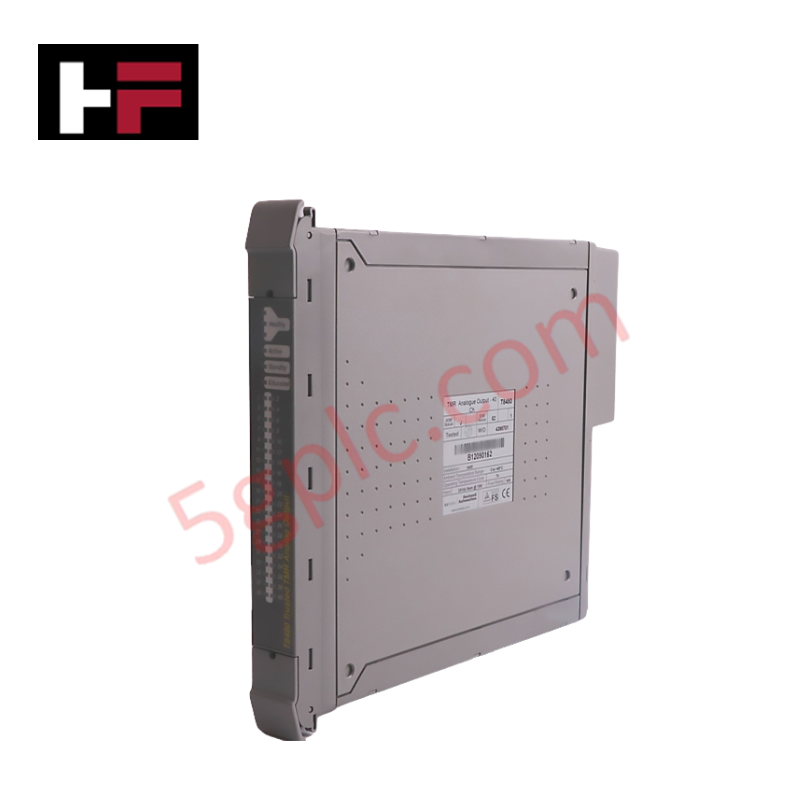
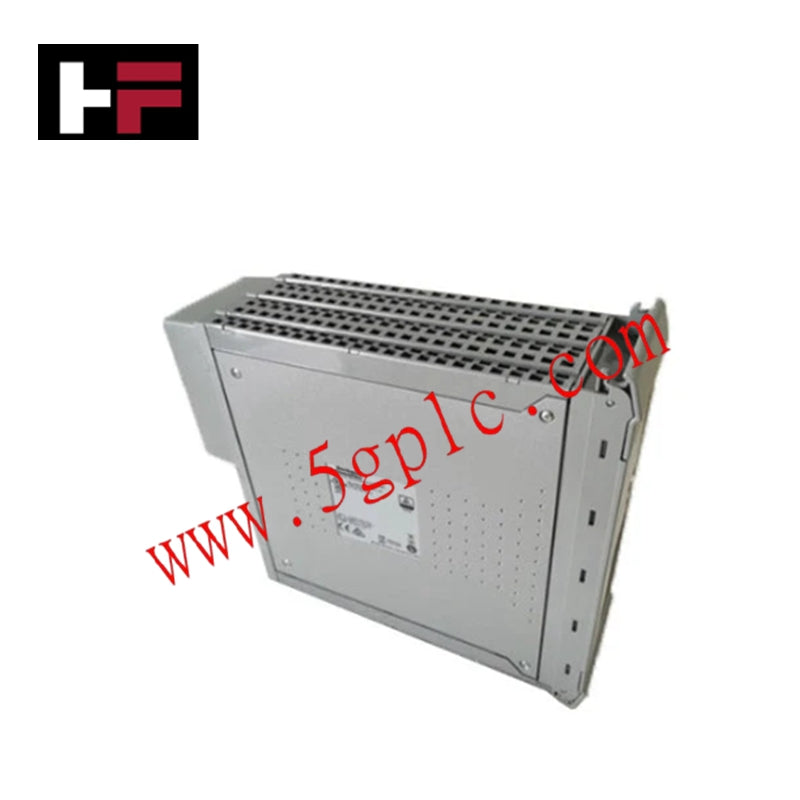
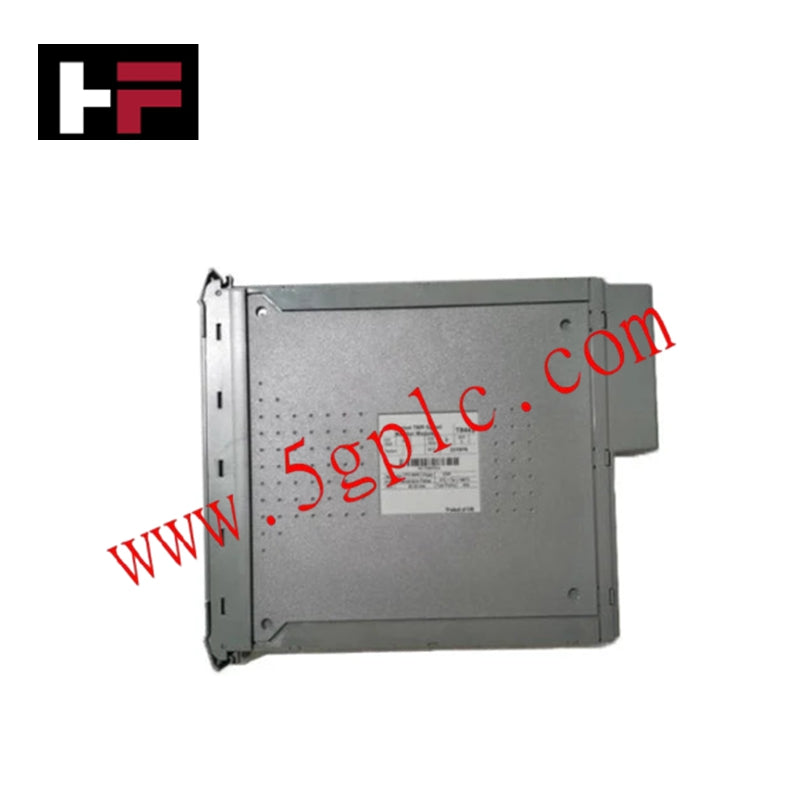
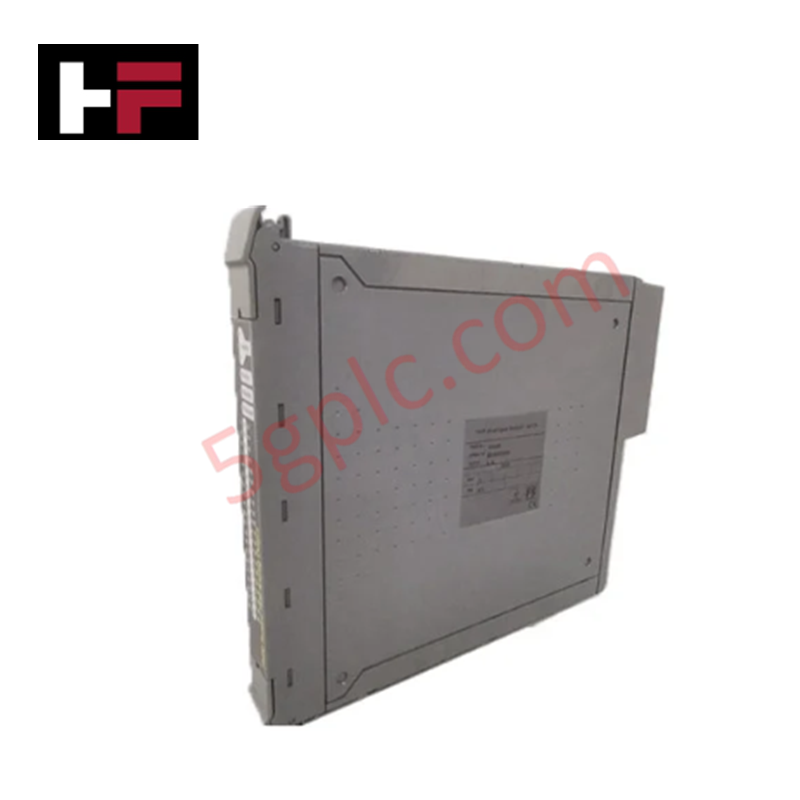
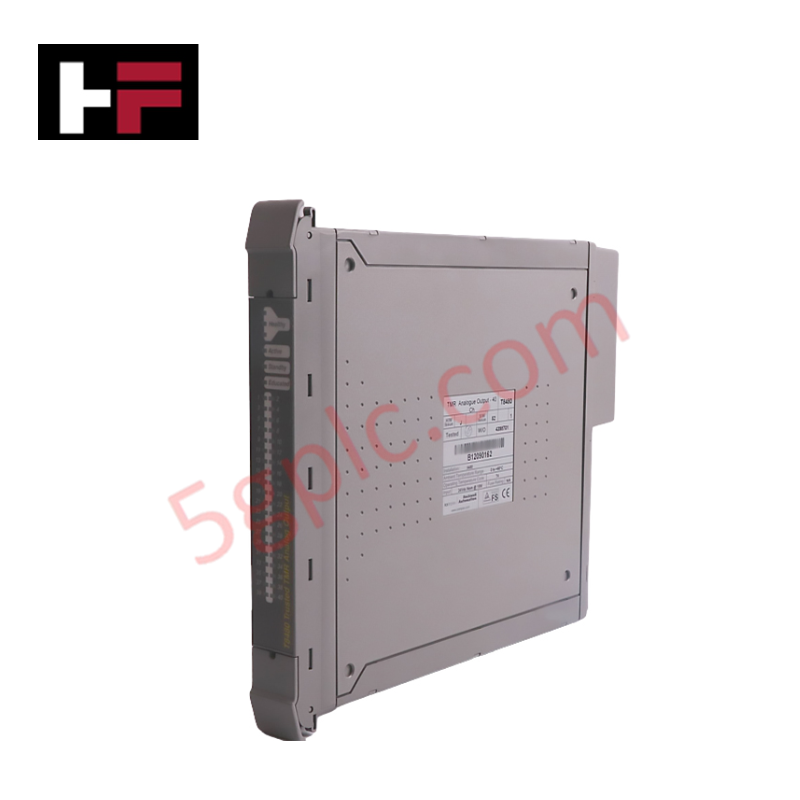
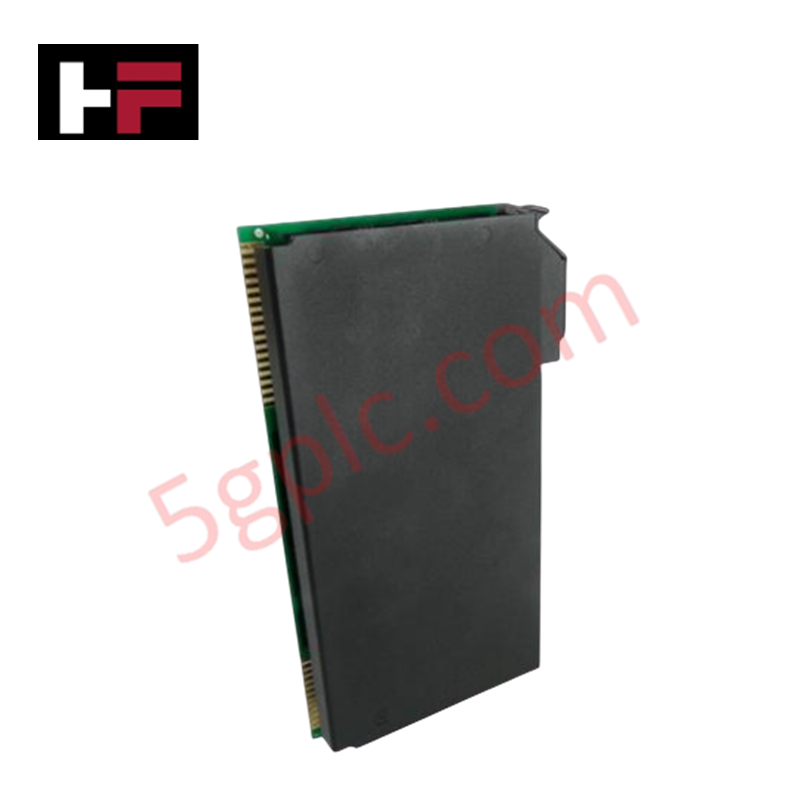
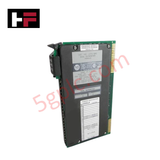
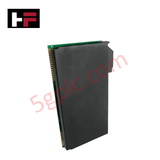
The Allen-Bradley 1771-QRC operates as a specialized Quad Rate Counter and Dual Ratemeter module for the 1771 Universal I/O platform. It provides high-precision pulse counting and frequency measurement capabilities for PLC-5 control systems. This module excels in liquid and gas flow monitoring applications where it translates rapid pulse inputs into actionable rate data. We offer this unit as 100% Brand New and Original, providing a critical replacement for legacy systems that require factory-certified accuracy and timing.
Technical Specifications
The 1771-QRC utilizes a high-speed backplane interface to deliver real-time counting metrics to the processor.
-
Manufacturer: Allen-Bradley / Rockwell Automation
-
Product Line: PLC-5 (1771 I/O)
-
Module Type: Quad Rate Counter / Dual Ratemeter
-
Counter Channels: 4 Independent Channels (Quad)
-
Rate Measurement: Dual Ratemeter functionality for pulse flow analysis
-
Output Channels: 2 Normally Open (N.O.) Relay Outputs
-
Backplane Current: 0.5 Amp at 5V DC
-
Application Compatibility: Pulse Flow, Frequency Measurement, Velocity Calculation
-
Chassis Slot Width: 1 Slot
-
Weight: 1.39 lbs (0.63 kg)
Engineering Advantages
-
Integrated Pulse Flow Analysis: The 1771-QRC integrates high-speed counting with ratemeter logic. This allows the hardware to calculate flow rates locally, offloading complex math instructions from the PLC-5 CPU and reducing overall scan time for the control program.
-
Hardware-Level Output Control: Two onboard N.O. relay outputs provide immediate response to specific count or rate thresholds. By bypassing the controller scan for critical limits, the module initiates safety shutdowns or valve triggers with microsecond precision.
-
Versatile Input Scaling: The module accommodates a wide range of pulse frequencies. Engineers can configure the dual ratemeter to scale raw pulses into engineering units (e.g., Liters/sec or RPM) directly within the module hardware, ensuring consistent data reporting across the network.
-
Seamless Chassis Integration: The unit installs into any standard 1771 I/O rack. It utilizes the robust mechanical keying of the PLC-5 system to prevent improper insertion, protecting internal components from voltage mismatches during maintenance cycles.
FAQs
-
How does the 1771-QRC handle data transfer with the PLC-5 processor?
-
The module utilizes Block-Transfer Read (BTR) and Block-Transfer Write (BTW) instructions. The processor uses a BTW to configure the rate thresholds and scaling factors, then executes a BTR to retrieve the current count and flow rate data from the module's internal registers.
-
Can I use the relay outputs for safety-critical interlocking?
-
Yes. The integrated relays respond directly to internal setpoints. This local execution ensures that even if the PLC processor enters a fault mode or the communication backplane experiences high traffic, the 1771-QRC can still toggle its outputs based on the pulse input frequency.
-
What type of sensors interface with the 1771-QRC?
-
This module typically interfaces with magnetic pickup sensors, optical encoders, and turbine flow meters. Ensure the pulse amplitude and signal type match the 1771-series input threshold requirements to avoid signal noise or missed counts.
-
Is this a refurbished or "new-old-stock" unit?
-
We guarantee this 1771-QRC is 100% Brand New and Original. It arrives in factory packaging, ensuring the relay contacts and internal timing circuits haven't suffered the degradation or mechanical wear typically found in used or refurbished surplus modules.
Additional Information
- 100% Genuine Parts: All products are original and authentic, ensuring reliable industrial performance.
- 30-Day Refund Guarantee: Return any in-stock item within 30 days in original, unopened packaging for a full refund (excluding shipping and fees).
- 12-Month Warranty: Covers defects in materials or workmanship; excludes misuse, normal wear, or unauthorized modifications.
- Worldwide Shipping: We ship via USPS, UPS, FedEx, and DHL. Delivery times vary by country and may be subject to customs or import fees.
- Support & Contact: Technical and warranty assistance is available anytime. Contact us here: Contact.
- Purchase Guidance: Check product specifications and compatibility carefully before ordering to ensure proper application.
Tech & Buying Guide

Mastering VFD Braking Theory and Mechanical Brake Sequencing in Industrial Automation
In industrial automation, variable frequency drives (VFDs) regulate motor speed and torque across manufacturing plants and material handling systems. However, certain heavy-duty applications experience external loads that can rotate the motor shaft without an active command. For instance, gravity pulls loads downward in unanchored hoisting equipment. Therefore, engineers integrate mechanical brakes with VFD logic to maintain absolute safety and prevent structural damage or personnel injury during shutdowns.

Optimizing Tank Level Control Using Proportional Algorithms in PLC Systems
Industrial automation engineers frequently encounter liquid level regulation challenges across diverse process plants. Traditional ON-OFF control mechanisms often disrupt system stability due to abrupt actuator switching. Therefore, upgrading to closed-loop architectures like proportional control yields smoother responses. In a typical PLC environment, such as Siemens TIA Portal, engineers utilize closed-loop feedback to minimize process errors without requiring full PID complexity.

Understanding Why Your PLC Enters Stop Mode: Causes and Troubleshooting
In industrial automation, programmable logic controllers (PLCs) serve as the core intelligence of modern factory automation and distributed control systems (DCS). Understanding how a PLC transitions between modes is vital for maintenance engineers. Typically, a PLC operates across four primary modes: Run, Stop, Start-Up, and Hold. When power is applied, the system immediately boots into Stop mode before initiating the Start-Up sequence. If the controller encounters a critical error during execution, it automatically reverts to Stop mode to prevent equipment damage. Therefore, monitoring these state transitions helps technicians maintain high system availability.