










Product Details
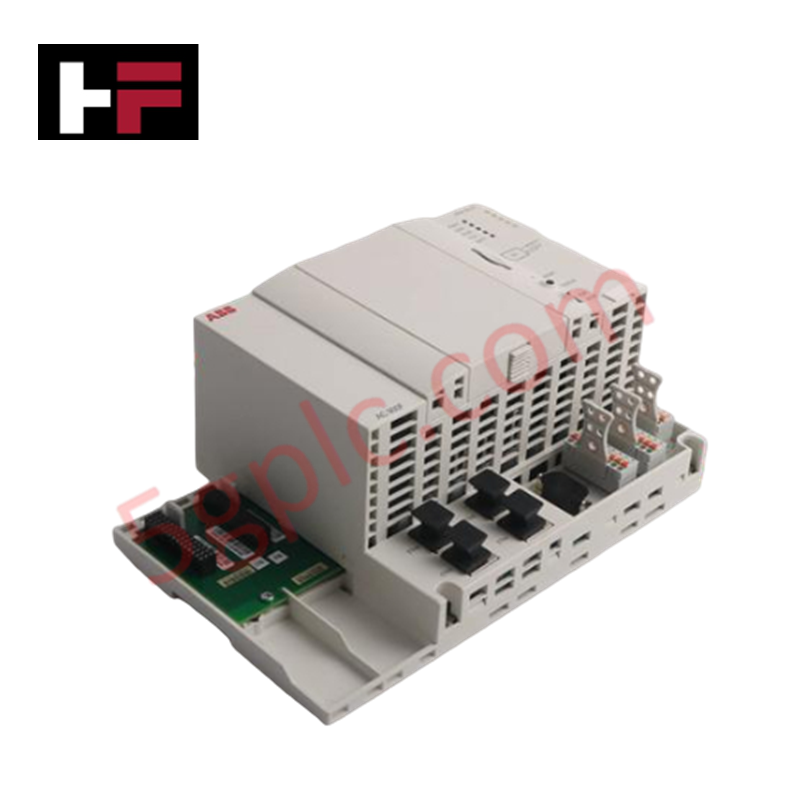
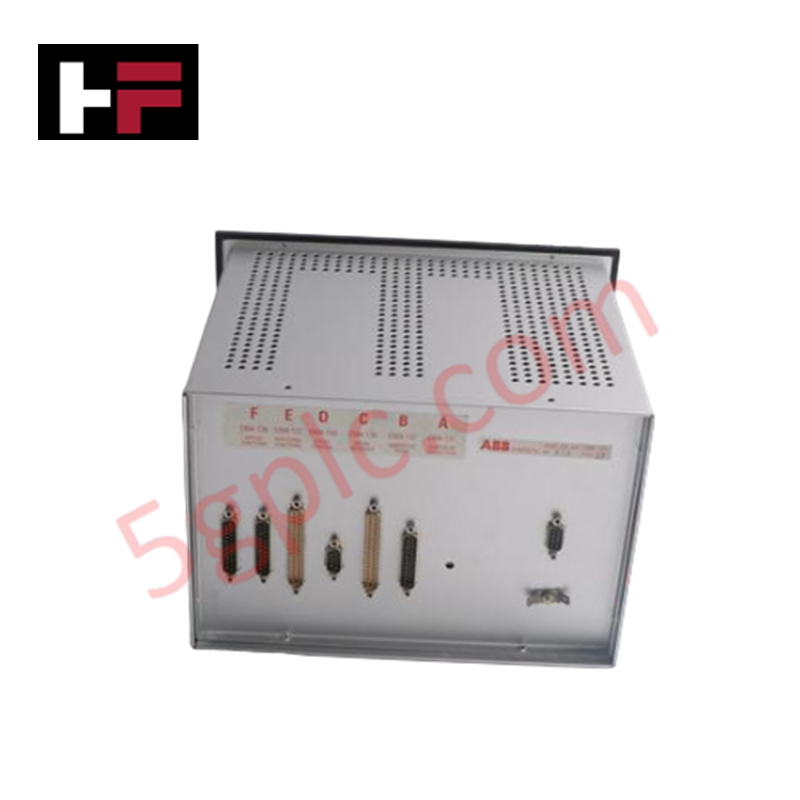
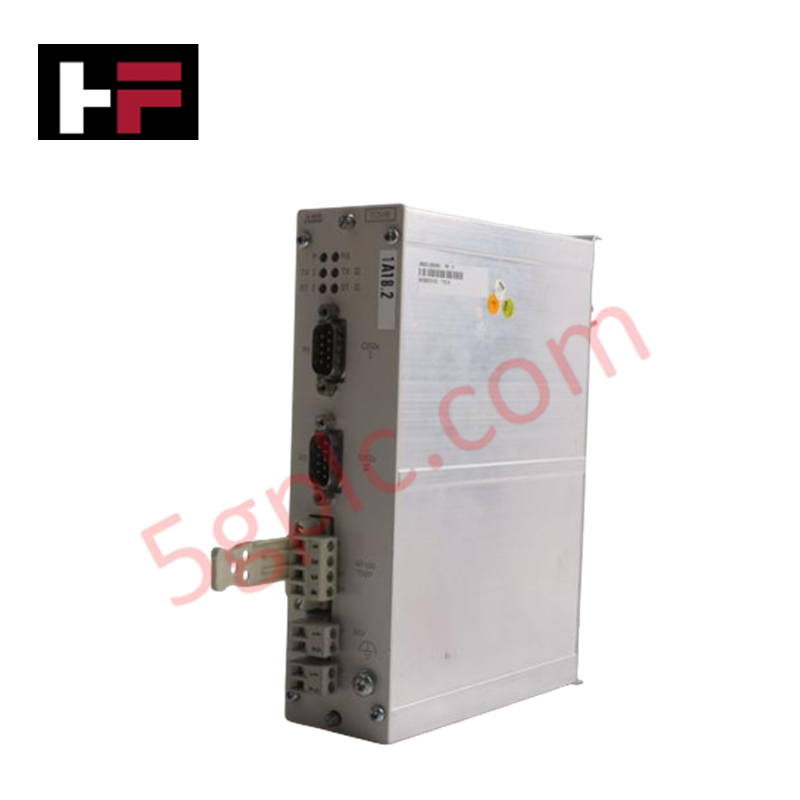
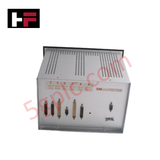
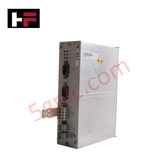
The ABB PFSK170, also cataloged as the PFSK170 Floppy Disk Drive, operates as a dedicated hardware component for legacy data storage and firmware retrieval within industrial control configurations. The physical module interfaces with central processing architectures to execute basic binary read/write patterns onto localized magnetic disk media. Operating as a component accessory, this sub-assembly manages binary patch application and logic file recovery sequences via its dedicated backplane data interface.
Hardware Specifications
| Parameter | Specification |
|---|---|
| Model | PFSK170 |
| Brand | ABB |
| Origin | Sweden |
| Weight | 0.2 kg |
| Dimensions | 10.2 cm x 4.5 cm x 11.9 cm |
| Operating Temp | +5 to +50 deg C (Standard industrial parameters apply) |
| Power Consumption | Subsystem loop dependent |
| Medium Type | Magnetic Disk Drive |
| Communication Interface | Legacy storage bus connection |
Firmware Flash Compatibility
The PFSK170 drive relies on explicit firmware flash compatibility matches implemented within the host controller operating system to decode incoming magnetic track orientations. The physical assembly passes raw bitstreams directly to internal system memory registers without applying independent formatting overrides. If unaligned revision sequences occur between the drive assembly and the host processor backplane, the data stream will experience CRC parsing failures, suppressing initialization routines and preventing successful operating system image boots.
Frequently Asked Questions
Q: Is hot-swapping permitted for the PFSK170 drive while the control system is powered?
A: No. Removing or inserting the ribbon cable or power interface while the host chassis bus is energized will cause data packet fragmentation, risk static destruction of the localized read/write controller chips, and may trigger an unrecoverable system backplane timeout halt.
Q: How does a mismatch in the drive's mechanical tracking affect industrial process registers?
A: Any mechanical alignment deviation prevents proper retrieval of configuration tables. The host controller interprets this as a media fault condition, forcing the automated control loop to default to local non-volatile parameters or drop out of operation entirely depending on application logic parameters.
Field Installation Guidelines
The PFSK170 must be installed horizontally or vertically into a dedicated internal bracket within a sealed, dust-protected industrial cabinet. Secure all mounting screws tightly to suppress mechanical vibrations from adjacent cooling fans or magnetic switches. The data interface cable must remain within standard length tolerances and must be routed separately from three-phase alternating current conductors to prevent electromagnetic noise injection. Ensure the equipment rack maintains ambient temperatures within the specified ranges to prevent thermal read-head drift or media deformation.
Additional Information
- 100% Genuine Parts: All products are original and authentic, ensuring reliable industrial performance.
- 30-Day Refund Guarantee: Return any in-stock item within 30 days in original, unopened packaging for a full refund (excluding shipping and fees).
- 12-Month Warranty: Covers defects in materials or workmanship; excludes misuse, normal wear, or unauthorized modifications.
- Worldwide Shipping: We ship via USPS, UPS, FedEx, and DHL. Delivery times vary by country and may be subject to customs or import fees.
- Support & Contact: Technical and warranty assistance is available anytime. Contact us here: Contact.
- Purchase Guidance: Check product specifications and compatibility carefully before ordering to ensure proper application.






Tech & Buying Guide

Will PLCs Become Obsolete? The Future of Control Systems in Industry 4.0
Modern manufacturing is undergoing a rapid technological transformation driven by Industry 4.0 innovations. Technologies like Artificial Intelligence (AI), Machine Learning (ML), and the Industrial Internet of Things (IIoT) are dominating discussions across the factory automation sector. Consequently, many engineers wonder if these advanced digital tools will eventually replace traditional Programmable Logic Controllers (PLCs). However, evaluating the core physics of industrial operations reveals a very different reality for control systems.

Demystifying Open Platform Communication (OPC): The Backbone of Industrial Interoperability
Interoperability remains a cornerstone requirement for modern smart factories and process automation. Open Platform Communication (OPC) bridges the gap between disparate hardware platforms, control systems, and visualization software. By establishing a universal communication standard, OPC allows field controllers, SCADA platforms, and enterprise software from different vendors to exchange real-time data seamlessly.

Understanding Siemens PLC Memory Cards: MMC, SMC, and SD Solutions in Industrial Automation
Memory management plays a pivotal role in maintaining control system reliability across modern manufacturing plants. Industrial control systems rely on specialized memory cards to store project logic, firmware updates, and retentive system data. Siemens uses several memory architectures, including Micro Memory Cards (MMC) and SIMATIC Memory Cards (SMC). Engineers must understand these hardware variations to ensure zero data loss and minimize downtime during maintenance routines.