

Product Details
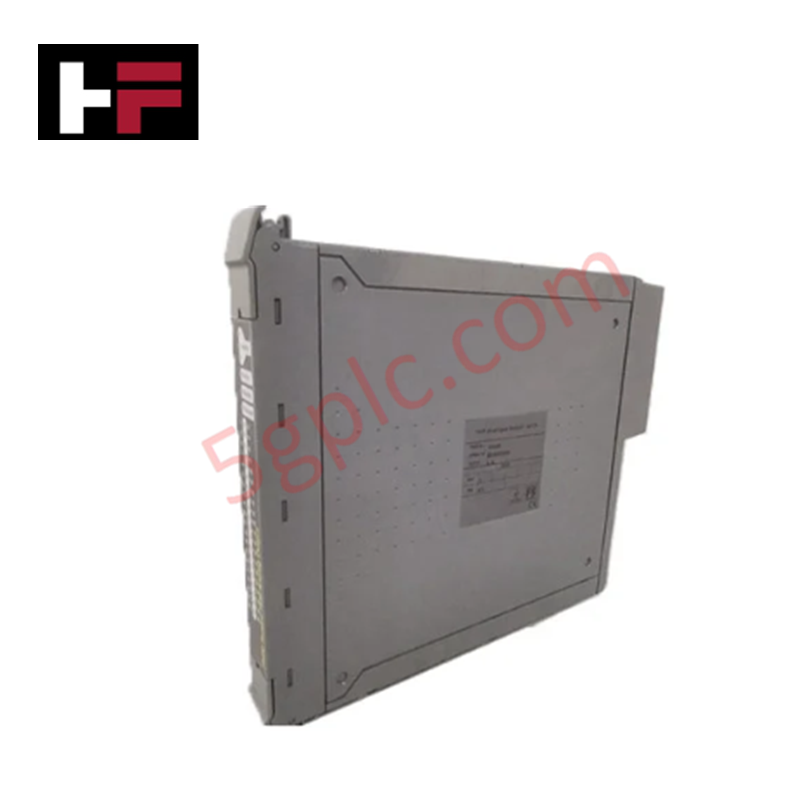
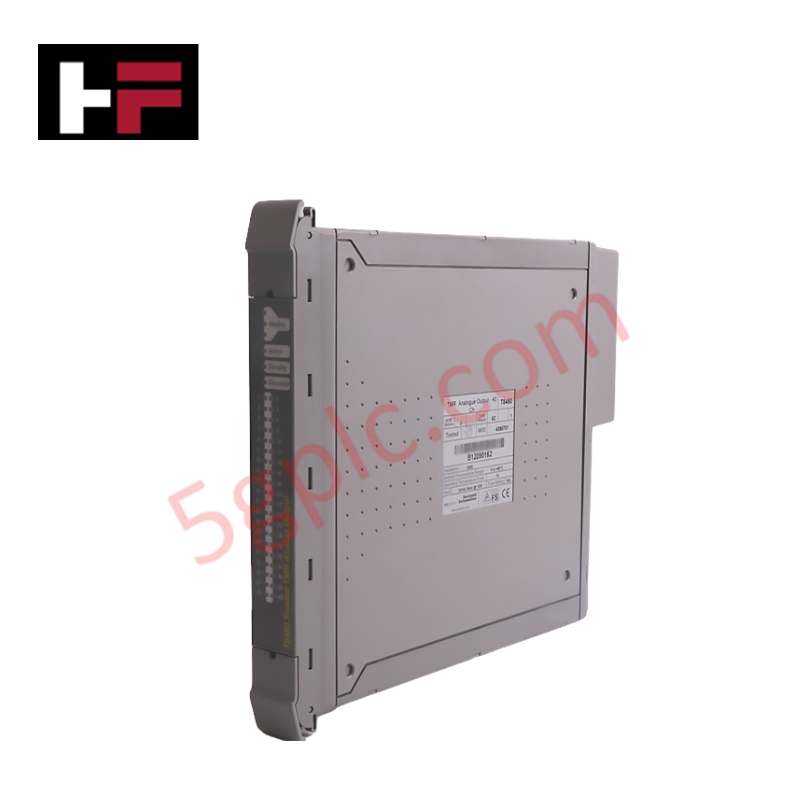
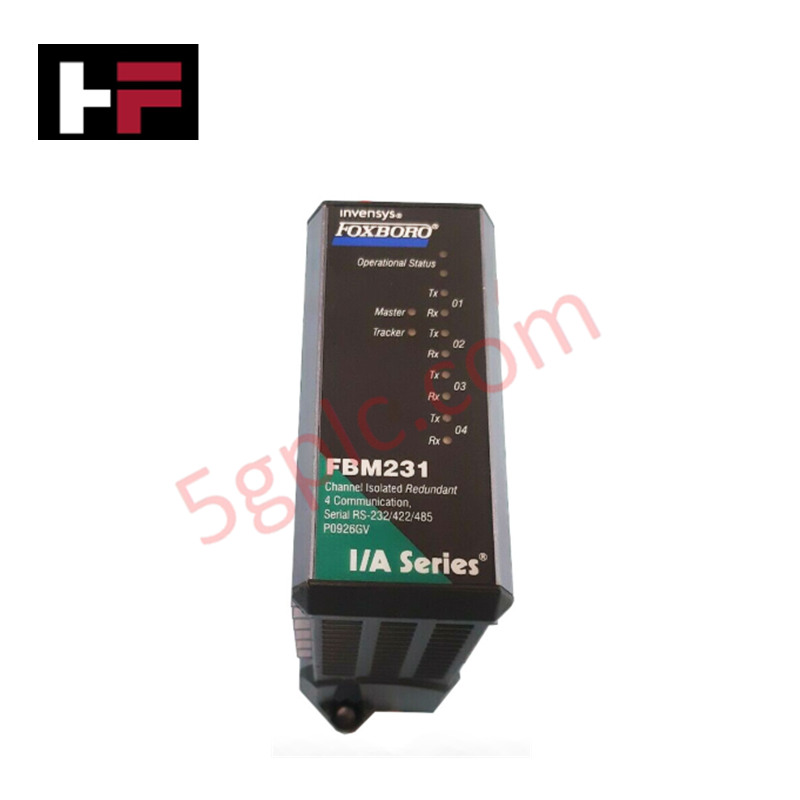
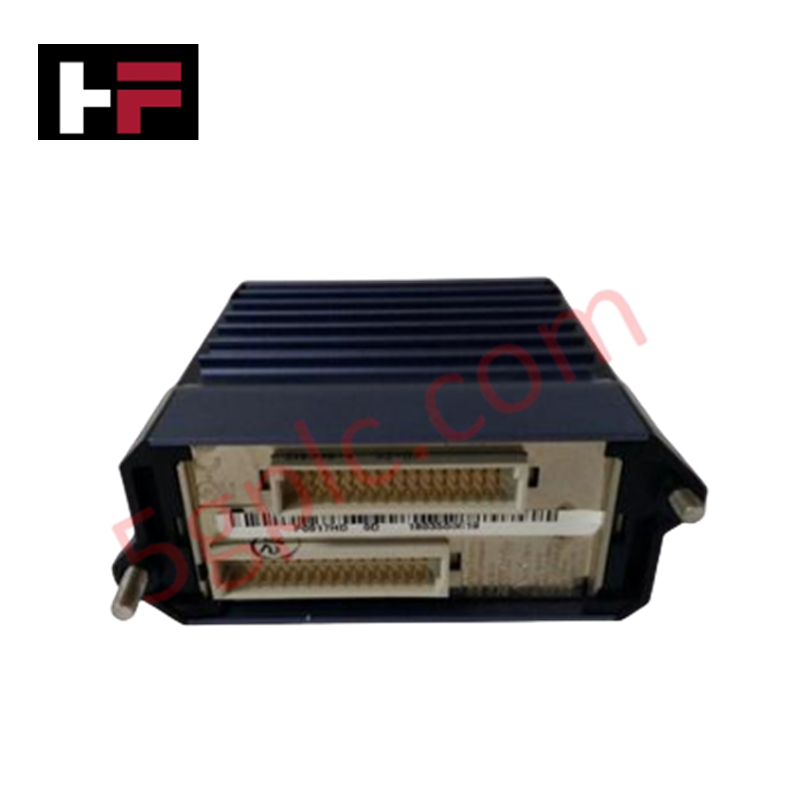
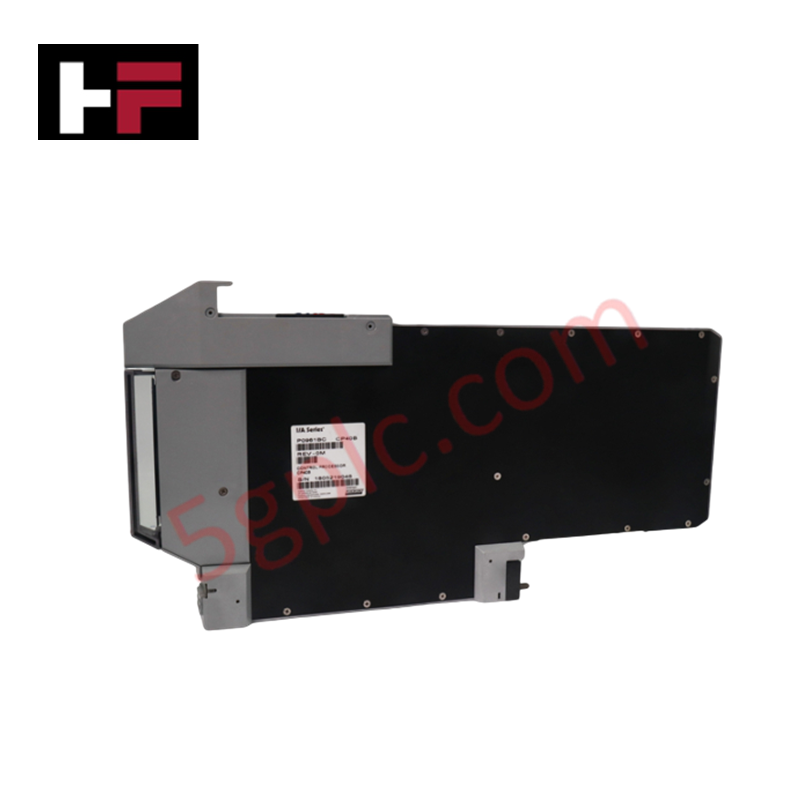
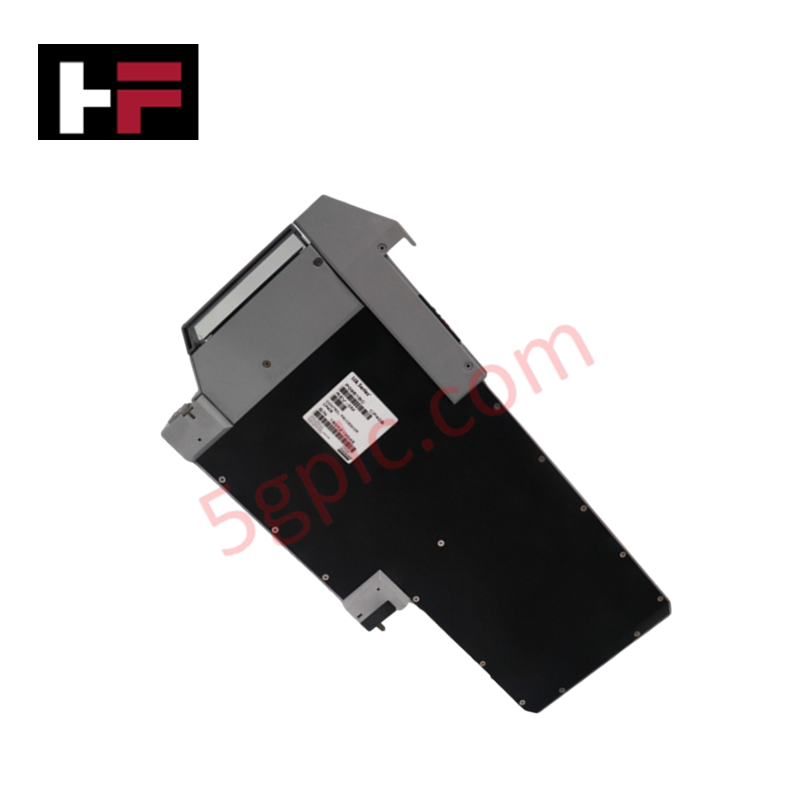
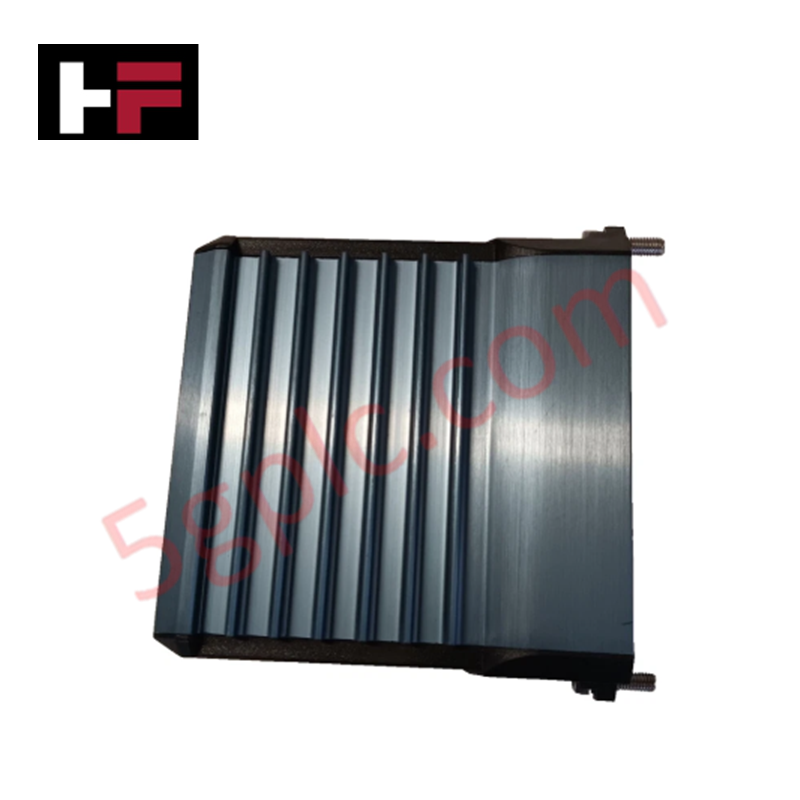
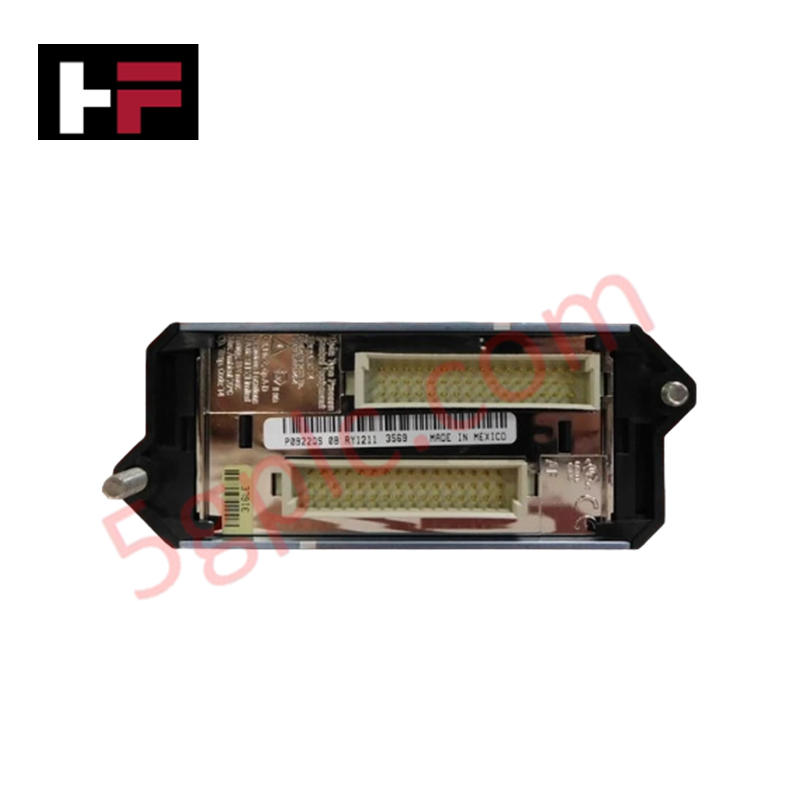
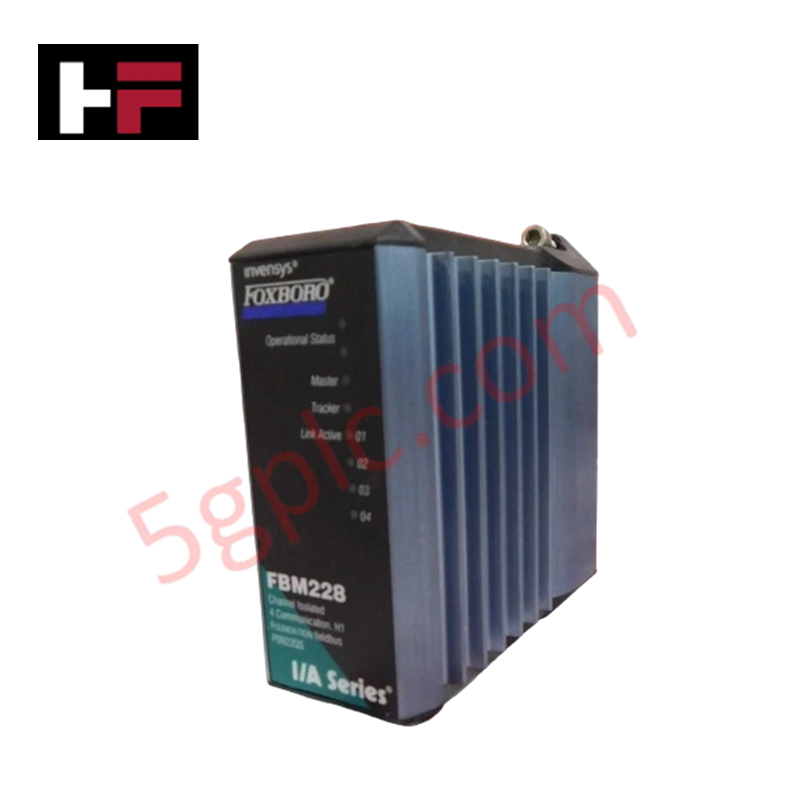
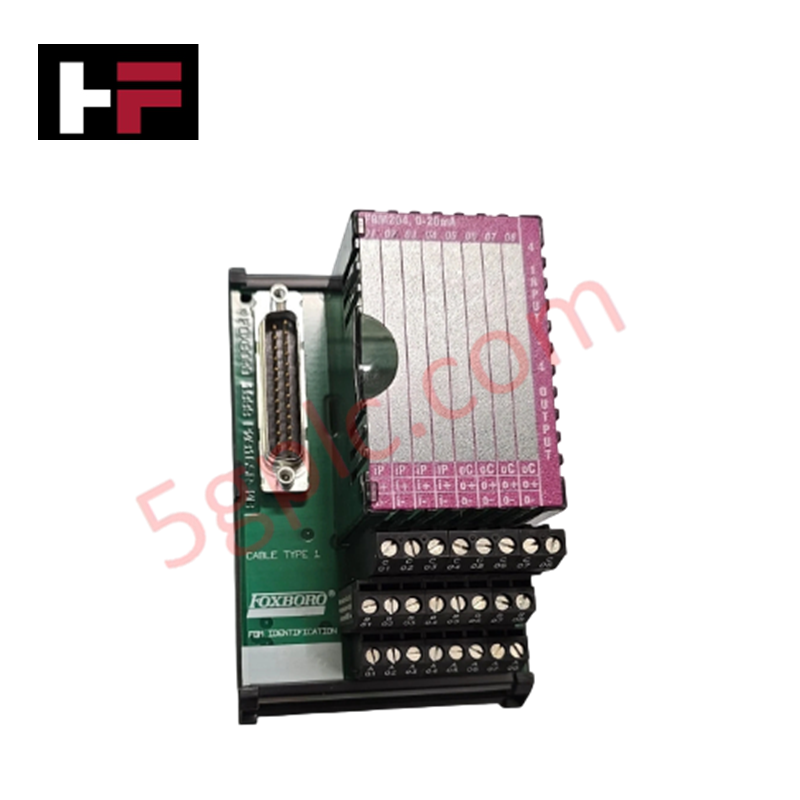
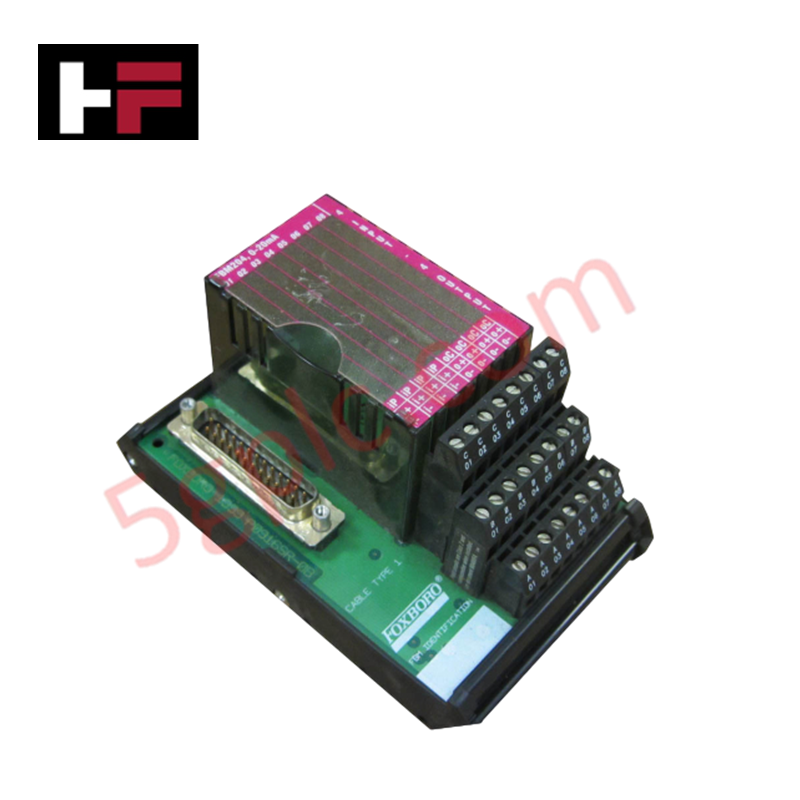
The Foxboro P0922BD serves as the primary P0922BD Distributed Control Processor utilized to execute real-time PID control loops and sequential logic execution across Foxboro I/A Series DCS platforms. It executes deterministic control algorithms, alarm management, and process data conditioning via a 24 VDC supply rail.
Hardware Specifications
| Parameter | Specification |
|---|---|
| Model | P0922BD |
| Brand | Foxboro |
| Origin | USA |
| Weight | 0.71 kg |
| Dimensions | 130 mm x 30 mm x 160 mm |
| Operating Temp | -40 deg C to +70 deg C |
| Power Consumption | Approx. 10 W |
| Supply Voltage | 24 VDC |
| Real-Time Functions | PID loop control, Boolean/sequential logic, alarm management |
| Vibration Resistance | 0.5 g RMS (5-500 Hz) |
| Shock Resistance | 15 g, 20 ms half-sine |
| Storage Temp | -40 deg C to +85 deg C |
| Operating Humidity | 0% to 95% non-condensing |
Channel-to-Channel Isolation and FOUNDATION Fieldbus Integration
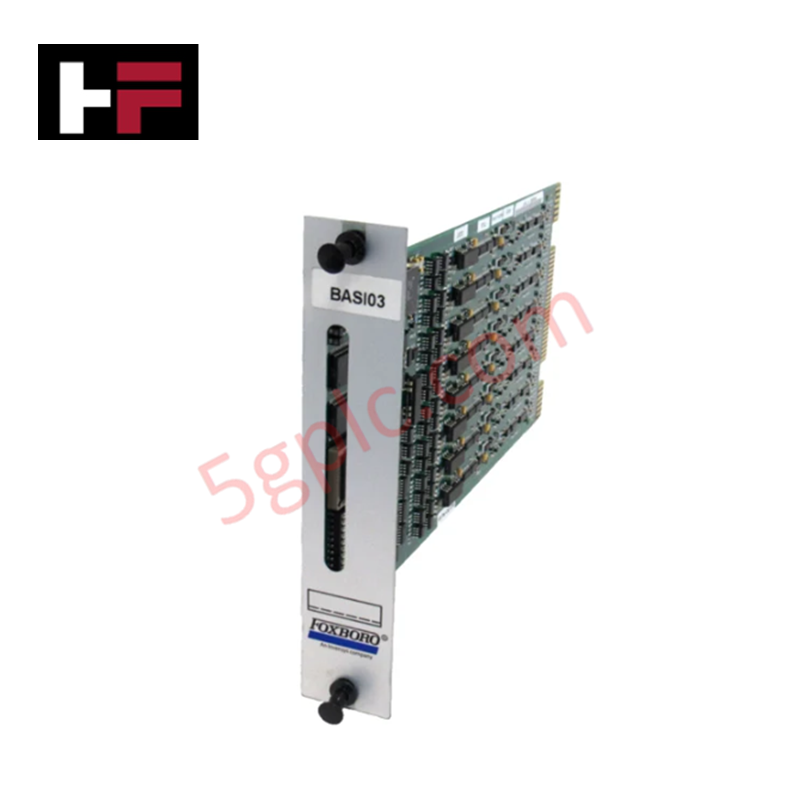
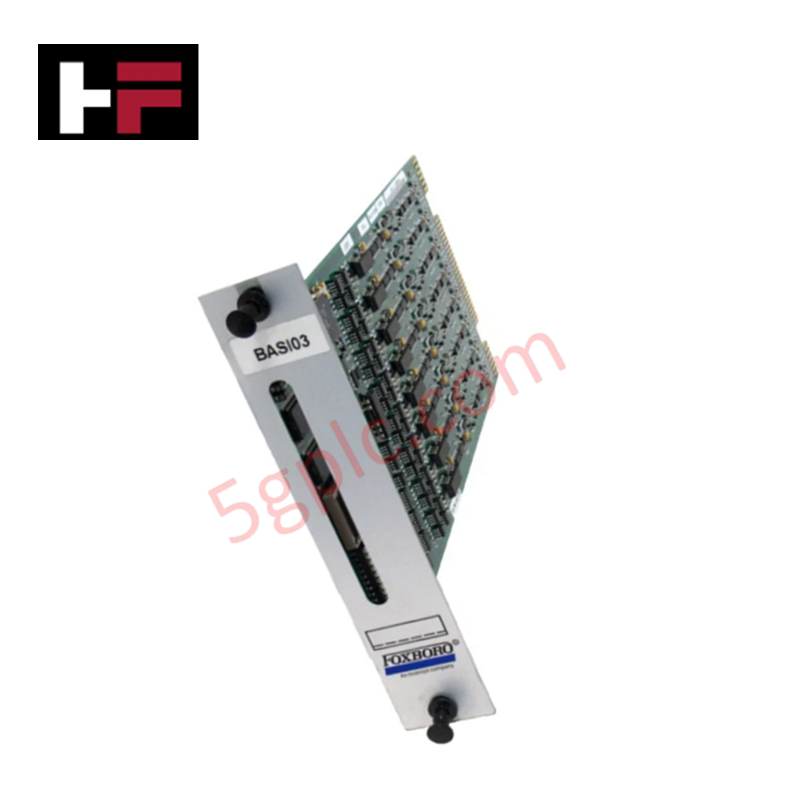
The Foxboro P0922BD features high-density bus interface electronics with channel-to-channel isolation to isolate processing circuits from field ground noise. This isolation maintains loop stability across downstream 4-20 mA HART loop protocol transmitters and FOUNDATION Fieldbus / Profibus PA networks connected to the controller architecture.
Frequently Asked Questions
Q: What power parameters are required for operating the P0922BD module?
A: The P0922BD requires a 24 VDC supply voltage and draws approximately 10 W during active loop execution.
Q: How does the P0922BD maintain operational stability in high-vibration cabinet layouts?
A: The unit is rated for vibration resistance up to 0.5 g RMS (5 to 500 Hz) and shock resistance up to 15 g (20 ms half-sine).
Field Installation Guidelines
Position the P0922BD processor vertically in the designated rack enclosure slot. Press firmly until the rear connector seats into the backplane, and tighten top/bottom retaining screws to prevent displacement from shock and vibration.
Ensure 24 VDC power lines are de-energized prior to installation. Maintain physical separation between high-voltage power conduits and low-voltage system cables within the enclosure. Connect cable shielding directly to the panel earth bus. For cabinet entries, ensure threaded NPT conduit fittings achieve at least 5 full threads of engagement.
Additional Information
- 100% Genuine Parts: All products are original and authentic, ensuring reliable industrial performance.
- 30-Day Refund Guarantee: Return any in-stock item within 30 days in original, unopened packaging for a full refund (excluding shipping and fees).
- 12-Month Warranty: Covers defects in materials or workmanship; excludes misuse, normal wear, or unauthorized modifications.
- Worldwide Shipping: We ship via USPS, UPS, FedEx, and DHL. Delivery times vary by country and may be subject to customs or import fees.
- Support & Contact: Technical and warranty assistance is available anytime. Contact us here: Contact.
- Purchase Guidance: Check product specifications and compatibility carefully before ordering to ensure proper application.
Tech & Buying Guide
Managed Switch vs. Unmanaged Switch: Industrial Ethernet Architecture

Hot Standby vs. Cold Standby Redundancy in Industrial Automation
System availability determines process safety and productivity in industrial automation. Control engineers deploy redundancy to eliminate single points of failure. This technical guide evaluates Hot Standby vs. Cold Standby architectures, comparing failover speeds, memory sync, cost trade-offs, and field selection criteria.