










Product Details
Product Overview
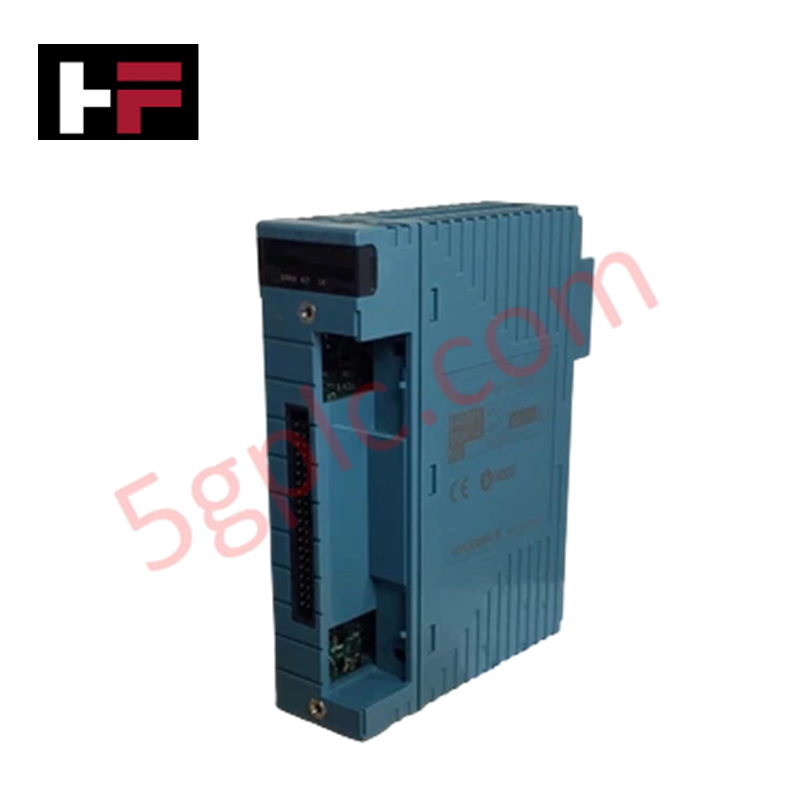
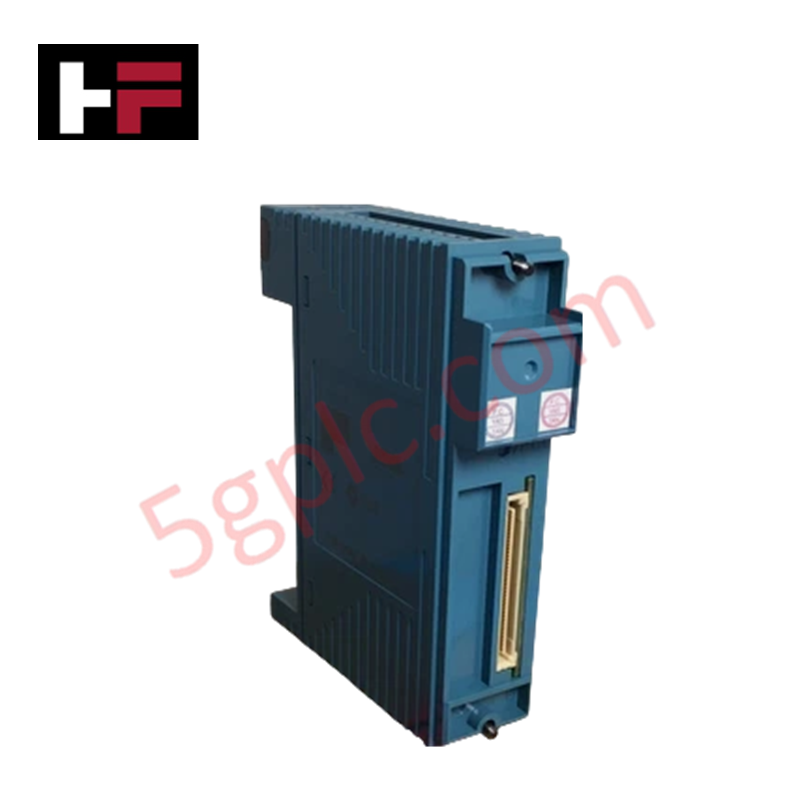
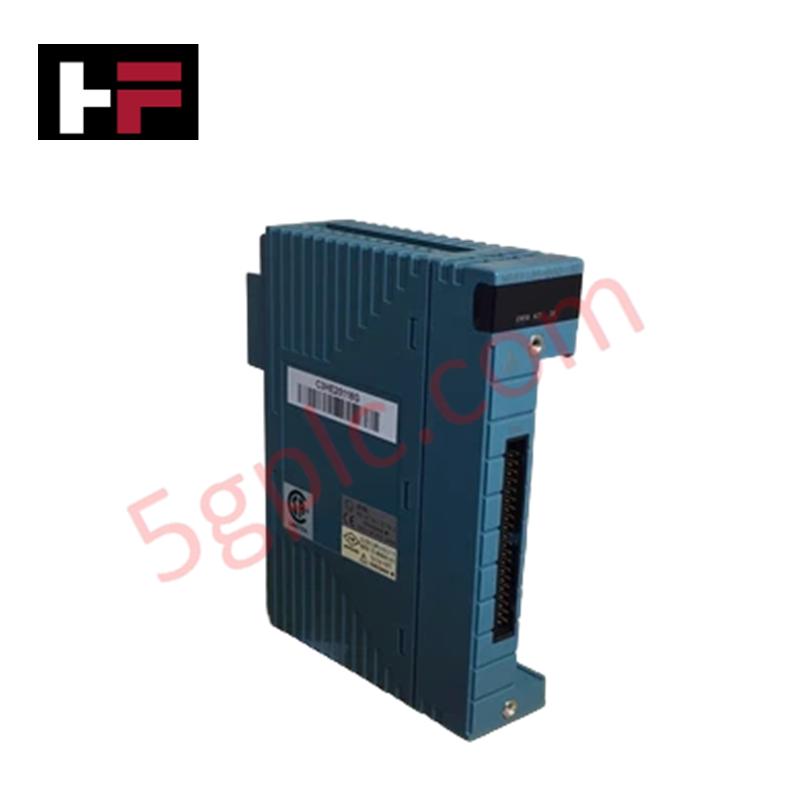
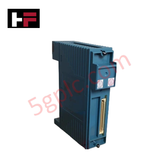
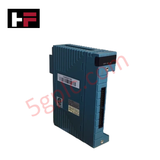
The Yokogawa NFAI135-S00 functions as a high-density analog input interface for the CENTUM VP Distributed Control System (DCS). This module captures 16 channels of field data from various transmitters, converting environmental variables into precise digital values for control computation. We supply this module as 100% Brand New and Original, ensuring seamless integration into your current control station architecture while maintaining the highest levels of data accuracy.
Part Number Breakdown
The NFAI135 series utilizes specific suffix codes to define the hardware configuration and application scope:
-
NFAI135: Analog Input Module (4 to 20 mA, 16-Channel).
-
-S: Standard type for general industrial use.
-
0: Always 0 (Basic specification).
-
0: Basic type without specialized options.
Technical Specifications
The NFAI135-S00 utilizes a non-isolated architecture to provide high-speed signal sampling across multiple channels.
| Feature | Specification Details |
| Input Channels | 16 Inputs |
| Input Signal Ranges | 4-20 mA DC / 1-5 V DC |
| Architecture | Non-isolated |
| Transmitter Support | 2-wire and 4-wire transmitters |
| System Compatibility | CENTUM VP / CENTUM CS 3000 |
| Redundancy | Supports dual-redundant configurations |
| Data Update Period | 10 ms |
| Condition | 100% Brand New Original |
Engineering Advantages
-
High-Density Signal Processing: The 16-channel design maximizes cabinet space efficiency. By consolidating more inputs into a single module slot, this unit reduces the total hardware footprint and lowers the overall cost per point in large-scale plant deployments.
-
Dual-Redundant Stability: This module natively supports dual-redundant layouts. When paired with a second NFAI135-S00, the system ensures continuous process monitoring. If one module encounters a fault, the backup unit assumes control immediately without interrupting the process loop.
-
Flexible Transmitter Interfacing: The circuitry accommodates both 2-wire and 4-wire transmitters. This flexibility allows engineers to standardize on a single module type regardless of the field instrument power configuration, simplifying spare parts inventory and wiring schematics.
-
Optimized Data Refresh Rate: The module updates process data every 10 ms. This rapid refresh rate enables the DCS to execute high-speed control logic, which is essential for maintaining stability in fast-reacting process loops such as pressure or flow control.
FAQs
Can the NFAI135-S00 supply power to field transmitters?
Yes. For 2-wire transmitters, the module provides the necessary loop power. For 4-wire transmitters, the module acts as a passive receiver of the 4-20 mA or 1-5 V DC signal.
What is the benefit of the non-isolated architecture?
Non-isolated modules typically offer higher density and faster response times at a lower cost per channel. They excel in environments where the field signals share a common ground or where external isolation barriers already exist in the signal path.
How do I confirm the module is 100% Brand New?
We ship every NFAI135-S00 in its original Yokogawa factory-sealed anti-static packaging. Each unit features a verifiable serial number and manufacturer's label, guaranteeing it has never been used in field service or refurbished.
Does this module support hot-swapping?
When used in a dual-redundant configuration within a CENTUM VP station, you can replace a faulty module without shutting down the system. However, always follow the specific safety procedures outlined in the Yokogawa Hardware Instruction Manual to prevent accidental system trips.
Additional Information
- 100% Genuine Parts: All products are original and authentic, ensuring reliable industrial performance.
- 30-Day Refund Guarantee: Return any in-stock item within 30 days in original, unopened packaging for a full refund (excluding shipping and fees).
- 12-Month Warranty: Covers defects in materials or workmanship; excludes misuse, normal wear, or unauthorized modifications.
- Worldwide Shipping: We ship via USPS, UPS, FedEx, and DHL. Delivery times vary by country and may be subject to customs or import fees.
- Support & Contact: Technical and warranty assistance is available anytime. Contact us here: Contact.
- Purchase Guidance: Check product specifications and compatibility carefully before ordering to ensure proper application.




Tech & Buying Guide
Comprehensive Guide to PLC Types in Modern Industrial Automation
Modern industrial automation relies on programmable logic controllers to govern critical factory operations. System integrators classify PLCs based on scale, hardware architecture, and power supply design. Understanding these core categories enables automation engineers to select the right control system architecture. Consequently, proper hardware selection optimizes performance while minimizing long-term operational costs.

Demystifying the DDE Protocol in Legacy Industrial Automation Systems
Modern control systems rely heavily on seamless interprocess communication to exchange operational data between software programs. Microsoft first introduced the Dynamic Data Exchange (DDE) protocol in 1987 to enable real-time data sharing. In factory automation, DDE served as an early bridge between control software and Windows desktop applications. Therefore, understanding DDE mechanics provides crucial insights into how legacy industrial networks established software-level connectivity.

Demystifying CPU Communication Ports in Siemens PLC Architectures
Industrial automation relies heavily on robust data exchange between devices. Without seamless connectivity, field instruments, network switches, human-machine interfaces, and programmable logic controllers cannot coordinate effectively. Therefore, understanding the various CPU communication ports available in Siemens hardware ensures efficient factory automation design and seamless system integration.