
Product Details
Product Overview
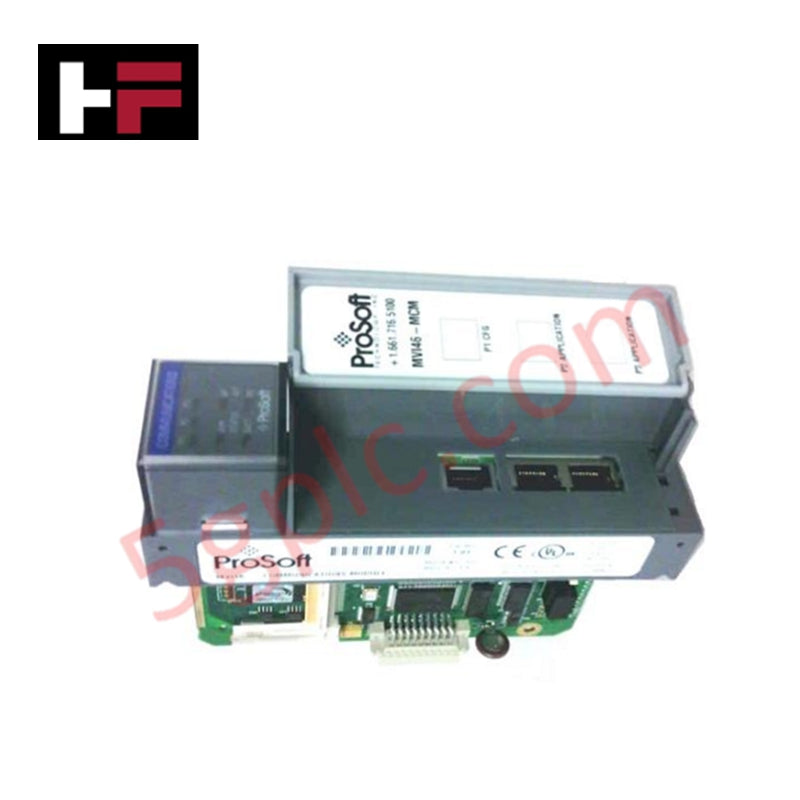
The MVI46-MCM is a ProSoft Technology module specifically engineered to integrate seamlessly with the Allen-Bradley SLC 500 platform. This single-slot solution functions as a gateway between the SLC backplane and Modbus serial networks. By acting as either a Modbus Master or Slave, the MVI46-MCM (PN: MVI46-MCM) enables modular processors to communicate with diverse field devices such as power monitors, variable frequency drives (VFDs), and remote terminal units (RTUs).
Technical Specifications
-
Manufacturer Allen-Bradley / ProSoft Technology
-
Product Series SLC 500 Modular Hardware
-
Model Number MVI46-MCM
-
Module Type Modbus Master/Slave Network Interface
-
Slot Requirement Single Slot (Local or Extended Racks)
-
Processor Compatibility SLC 5/02 or later (M0/M1 file capable)
-
Backplane Current Load 800 mA @ 5.1 VDC
-
Communication Ports Two (2) RJ45 RS-232/422/485 Application Ports
-
Configuration Port One (1) RJ45 (RS-232 only)
-
Maximum Registers 5000 16-bit registers
-
Command Capacity Up to 100 commands per port
-
Data Transfer Method Ladder Logic through M0/M1 files
-
Operating Temperature 32°F to 140°F (0°C to 60°C)
-
Vibration/Shock 30g Operational Shock
-
Relative Humidity 5% to 95% (Non-condensing)
-
Shipping Weight 3.00 lbs (1.36 kg)
Hardware Interface and Status
The module features a robust diagnostic display via front-panel LED indicators to assist in rapid troubleshooting:
-
Module Status Overall health and initialization
-
Backplane Transfer Data exchange status with the SLC CPU
-
Application Status Configuration and port-specific health
-
Serial Activity Real-time TX/RX monitoring and Error LEDs
Configuration and Integration
The MVI46-MCM requires specific setup within the RSLogix 500 environment. Because it utilizes M0 and M1 files for high-speed data transfer, the user must ensure the SLC processor supports these file types. The two application ports can be configured independently, allowing one port to operate as a Master while the other functions as a Slave on a completely separate Modbus network.
Frequently Asked Questions
-
Can the MVI46-MCM be placed in a remote I/O rack?
No, the module is only supported in local or extended local racks. It cannot be used in remote racks over 1747-ASB or similar remote I/O adapters.
-
What cable is required for the configuration port?
The module typically ships with an RJ45 to DB-9M cable specifically wired for RS-232 configuration tasks.
-
How many Modbus devices can I connect to a single port?
In RS-485 mode, you can connect up to 32 nodes without a repeater. With repeaters, the Modbus protocol supports up to 247 slave addresses.
Additional Information
- 100% Genuine Parts: All products are original and authentic, ensuring reliable industrial performance.
- 30-Day Refund Guarantee: Return any in-stock item within 30 days in original, unopened packaging for a full refund (excluding shipping and fees).
- 12-Month Warranty: Covers defects in materials or workmanship; excludes misuse, normal wear, or unauthorized modifications.
- Worldwide Shipping: We ship via USPS, UPS, FedEx, and DHL. Delivery times vary by country and may be subject to customs or import fees.
- Support & Contact: Technical and warranty assistance is available anytime. Contact us here: Contact.
- Purchase Guidance: Check product specifications and compatibility carefully before ordering to ensure proper application.
Tech & Buying Guide

Importance of Safety Barriers in PLC and DCS Control Systems

Static UPS vs. Rotary UPS: Technical Evaluation for Industrial Automation