










Product Details
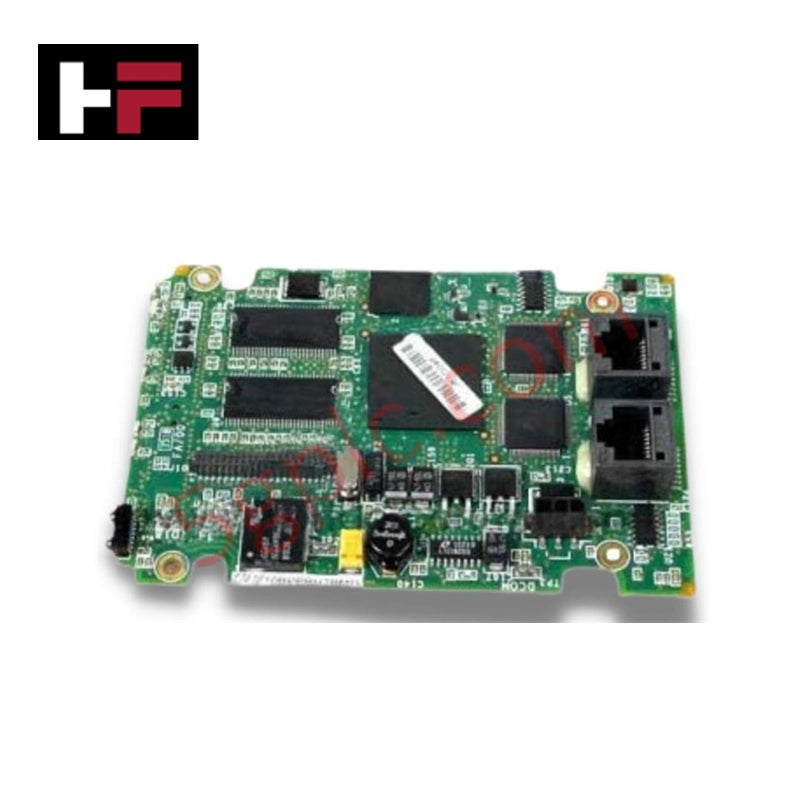
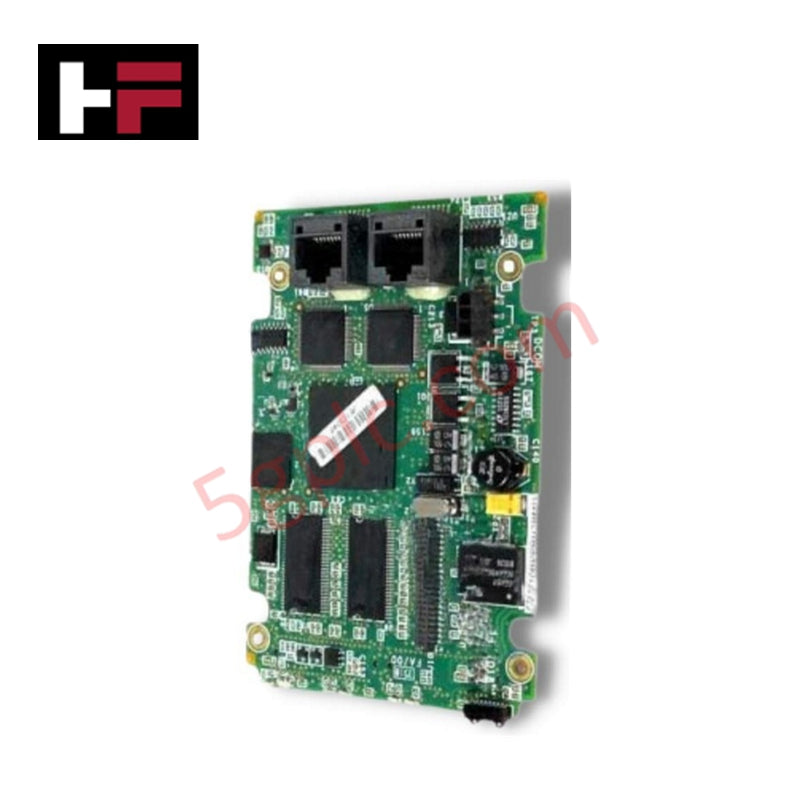
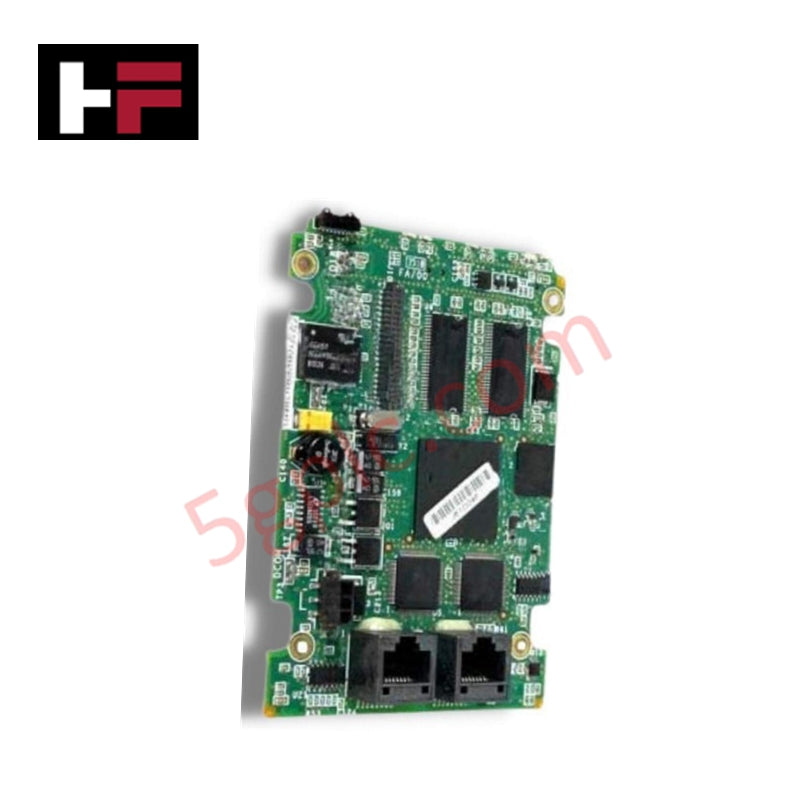
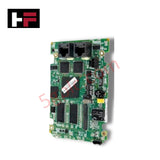
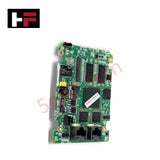
The GE IS210BPPBH2BGB, also cataloged as the IS210BPPBH2B Printed Circuit Board, operates as a dedicated hardware component for auxiliary processing and signal management within Mark VI Speedtronic platforms.
Hardware Specifications
| Parameter | Specification |
|---|---|
| Model | IS210BPPBH2BGB |
| Brand | General Electric |
| Origin | USA |
| Weight | 0.35 kg |
| Dimensions | 150 x 100 x 25 mm |
| Operating Temp | 0 to 60 deg C |
| Power Consumption | 5 W |
| Board Coating | Conformal Coating |
| Functional Revision | Revision Grade B |
| Assembly Type | Auxiliary Daughterboard (secures via 4 corner standoffs) |
| Onboard Components | Transistors, Inductor, Transformer, Crystal Oscillator, Integrated Circuits |
| I/O & Interconnects | 2 x Female Jack Connectors, 1 x Multi-position Plug, 1 x 3-position Plug |
| Status Indicators | 2 x Edge-Mounted LED Components |
Backplane Bus Communication Velocity and Firmware Flash Compatibility
The IS210BPPBH2BGB attaches directly to the primary WETA parent board, interfacing through multi-position board-to-board interconnects. The onboard crystal oscillator delivers deterministic clock timing required for high-frequency signal processing and backplane communication velocity. Embedded integrated circuits execute localized control functions while maintaining firmware flash compatibility across Mark VI Speedtronic rack assemblies. Onboard test points (TP) allow direct physical voltage and waveform verification during diagnostic execution.
Frequently Asked Questions
Q: How is the IS210BPPBH2BGB physically mounted to its parent board?
A: The module functions as a daughterboard, securing to the primary PCB via four screws threaded into corner standoffs through factory-drilled mounting holes.
Q: What onboard hardware provides status diagnostics during operation?
A: Two edge-mounted LEDs positioned side-by-side provide real-time visual status indications for operational state monitoring.
Q: Does the conformal coating affect physical test point access?
A: Integrated TP test points remain accessible for probe instruments to verify localized power rail levels and frequency signal behavior without removing protective board coating.
Field Installation Guidelines
Power down the host turbine control module and isolate all connected power distribution buses prior to handling board hardware. Attach an ESD grounding wrist strap to a verified chassis ground point to prevent static discharge to sensitive integrated circuits and transistors. Position the daughterboard over the parent WETA board standoffs, align the multi-position male and female connectors, and press evenly until seated. Secure the four corner mounting screws to hand-tight torque specifications to prevent mechanical distortion. Route all inter-module wiring clear of sharp board cutouts and high-voltage conductors.
Additional Information
- 100% Genuine Parts: All products are original and authentic, ensuring reliable industrial performance.
- 30-Day Refund Guarantee: Return any in-stock item within 30 days in original, unopened packaging for a full refund (excluding shipping and fees).
- 12-Month Warranty: Covers defects in materials or workmanship; excludes misuse, normal wear, or unauthorized modifications.
- Worldwide Shipping: We ship via USPS, UPS, FedEx, and DHL. Delivery times vary by country and may be subject to customs or import fees.
- Support & Contact: Technical and warranty assistance is available anytime. Contact us here: Contact.
- Purchase Guidance: Check product specifications and compatibility carefully before ordering to ensure proper application.


Tech & Buying Guide

Mastering the Siemens PLC Scan Cycle: How the CPU Executes Automation Programs
Industrial automation relies heavily on programmable logic controllers (PLCs) to manage complex manufacturing processes. Many engineers dive straight into programming without mastering the underlying architecture. However, understanding how a PLC CPU executes a program ensures reliable system design. Therefore, mastering the scan cycle optimizes both performance and troubleshooting in modern control systems.

How to Connect to Siemens S7 PLCs: 5 Essential Communication Methods
Establishing a reliable hardware link between a programming terminal and a Siemens SIMATIC controller is essential for engineering workflows. Field engineers rely on distinct physical layers, ranging from legacy serial connections to high-speed Industrial Ethernet protocols. Modern factory automation environments prioritize fast data transfer and seamless driver integration. Selecting the correct connection method simplifies program downloads, online monitoring, and system troubleshooting in complex control systems.

Will PLCs Become Obsolete? The Future of Control Systems in Industry 4.0
Modern manufacturing is undergoing a rapid technological transformation driven by Industry 4.0 innovations. Technologies like Artificial Intelligence (AI), Machine Learning (ML), and the Industrial Internet of Things (IIoT) are dominating discussions across the factory automation sector. Consequently, many engineers wonder if these advanced digital tools will eventually replace traditional Programmable Logic Controllers (PLCs). However, evaluating the core physics of industrial operations reveals a very different reality for control systems.