










Product Details
Product Description
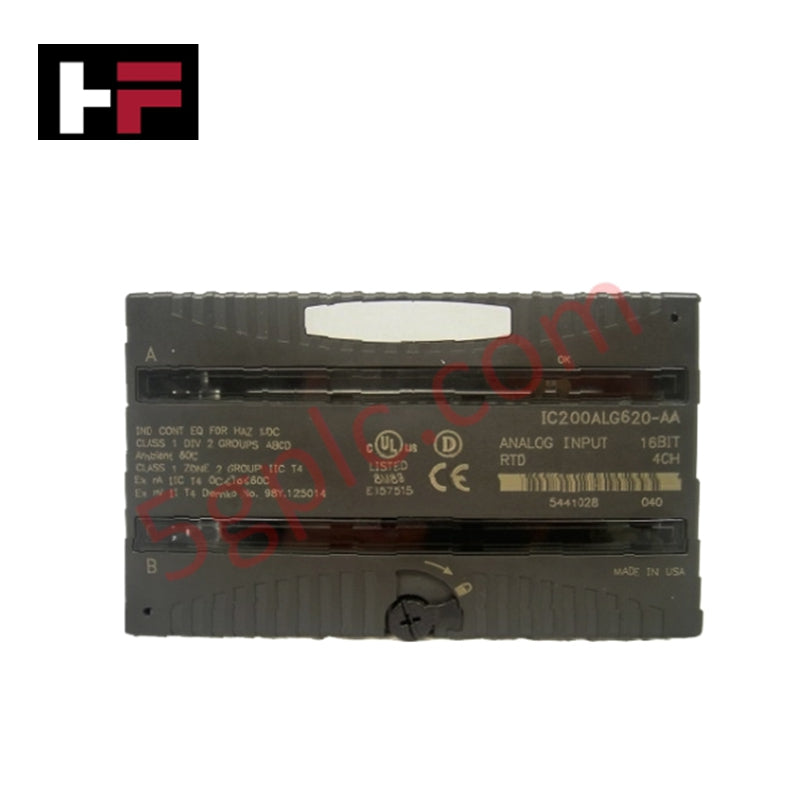
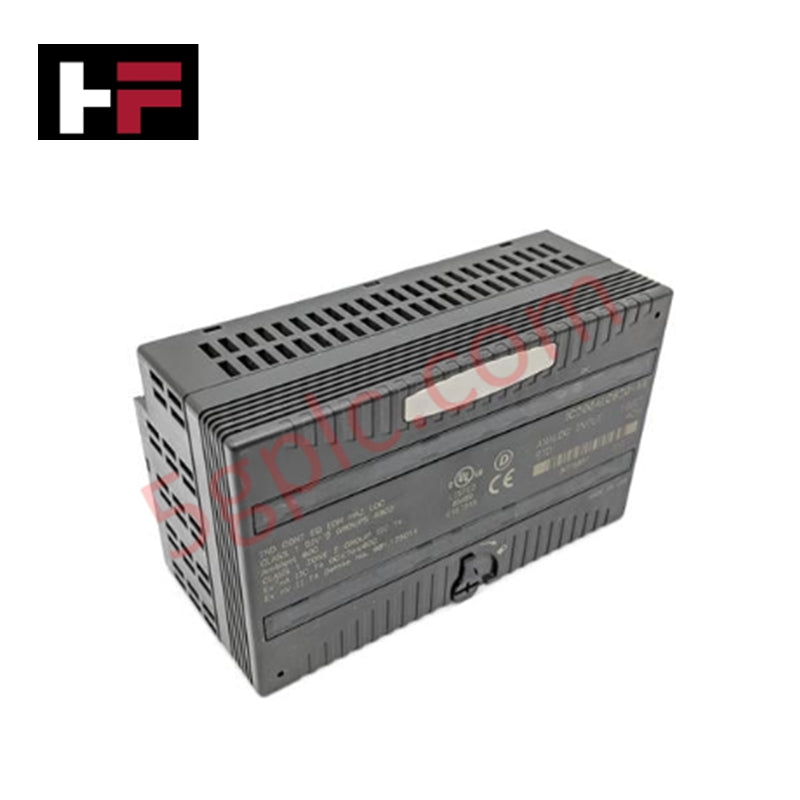
The GE Fanuc VersaMax IC200ALG620 Analog Input Module is designed for precision resistance and RTD measurement in industrial automation systems. With four input channels, high-resolution conversion, and advanced diagnostics, it ensures accurate temperature and resistance monitoring across a wide range of sensor types.
Technical Specifications
-
Model / Part Number IC200ALG620
-
Manufacturer GE Fanuc Emerson
-
Product Line VersaMax
-
Type Analog Input Module
-
Weight 0.88 lbs (0.40 kg)
-
Input Channels 4 RTD / resistance inputs
-
Supported RTD Sensors Platinum (25, 100, 1000 Ω), Copper (10, 50, 100 Ω), Nickel (100, 120 Ω), Nickel/Iron (604 Ω)
-
Wiring Types 3-wire and 4-wire RTDs
-
Resistance Input Range 0–500 Ω and 0–3000 Ω
-
Resolution 16-bit (digital resolution: 15 bits plus sign)
-
Update Rate Approximately 210 ms per channel at 60 Hz, 230 ms at 50 Hz
-
Accuracy at 25°C ±0.15% for resistance and RTD measurements
-
Temperature Sensitivity (0–60°C) ±0.004% of reading, ±1.5 µV per °C referred to input
-
Isolation (Input to Frame) 1500 VAC
-
Isolation (Input to Logic) 250 VAC
-
Bus Voltage 5 VDC
-
Backplane Current Consumption 5 V output: 125 mA max; 3.3 V output: 125 mA max
-
Diagnostics Open RTD, input short, underrange, overrange, wiring fault, non-volatile memory fault, high/low alarm
-
Operating Temperature Range 0–60°C ambient
-
Maximum Lead Resistance 5 Ω per lead
-
Frequency 50–60 Hz
Application Scenarios
-
Precision temperature monitoring in industrial process control
-
Resistance measurement for specialized sensors in manufacturing environments
-
Multi-channel RTD integration for distributed automation systems
FAQ
Q: What types of RTD sensors are supported? A: The module supports platinum, copper, nickel, and nickel/iron RTDs across multiple resistance ranges.
Q: What is the resolution of the IC200ALG620? A: It provides 16-bit resolution, ensuring highly accurate measurements.
Q: Does the module include diagnostics? A: Yes, it detects open RTD, short circuits, wiring faults, and provides high/low alarms.
Q: What is the maximum lead resistance supported? A: Up to 5 Ω per lead.
Comparison with Similar Models
-
IC200ALG320: 4-channel current output, 12-bit resolution, fast update rate
-
IC200ALG326: 8-channel current output, 15-bit resolution, configurable range
-
IC200ALG430: 4 analog inputs + 2 analog outputs, 12-bit resolution, mixed functionality
-
IC200ALG620-JF: 4-channel RTD/resistance input, 16-bit resolution, advanced diagnostics
Additional Information
- 100% Genuine Parts: All products are original and authentic, ensuring reliable industrial performance.
- 30-Day Refund Guarantee: Return any in-stock item within 30 days in original, unopened packaging for a full refund (excluding shipping and fees).
- 12-Month Warranty: Covers defects in materials or workmanship; excludes misuse, normal wear, or unauthorized modifications.
- Worldwide Shipping: We ship via USPS, UPS, FedEx, and DHL. Delivery times vary by country and may be subject to customs or import fees.
- Support & Contact: Technical and warranty assistance is available anytime. Contact us here: Contact.
- Purchase Guidance: Check product specifications and compatibility carefully before ordering to ensure proper application.




Tech & Buying Guide

Site Acceptance Testing (SAT) for PLC Control Systems: An Engineering Execution Guide
The Site Acceptance Test (SAT) represents the definitive handover stage in industrial automation projects. While the Factory Acceptance Test confirms cabinet hardware assembly off-site, the SAT validates real-world performance under live site conditions. Consequently, a structured execution strategy prevents equipment damage and guarantees seamless integration into plant operations.

Mastering the Factory Acceptance Test (FAT) for PLC Control Panels: An Expert Guide
The Factory Acceptance Test (FAT) is a vital milestone in industrial automation that ensures custom PLC panels meet exact design specifications before dispatch. This guide outlines the step-by-step FAT procedure and key industry best practices to prevent costly site delays and ensure long-term operational success.

Redundant Automation Systems: Ensuring Continuous Uptime in Critical Control Infrastructure
System reliability directly determines operational profitability across high stakes process industries. Modern industrial automation platforms must eliminate single points of failure to prevent catastrophic shutdowns. Deploying fault tolerant architecture safeguards complex facilities against unexpected hardware glitches, network disruptions, and maintenance outages.