












Product Details
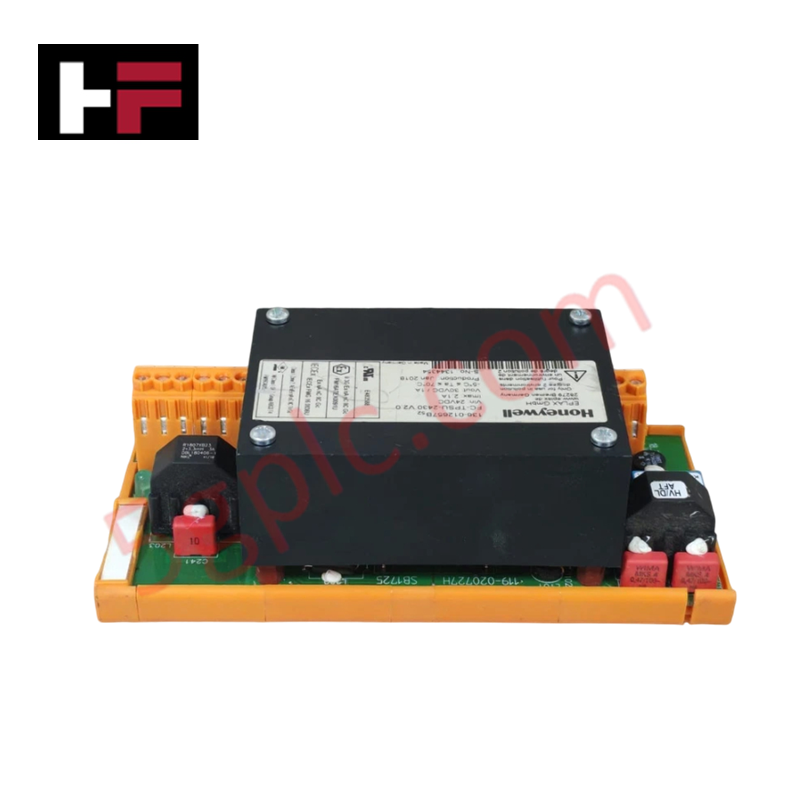
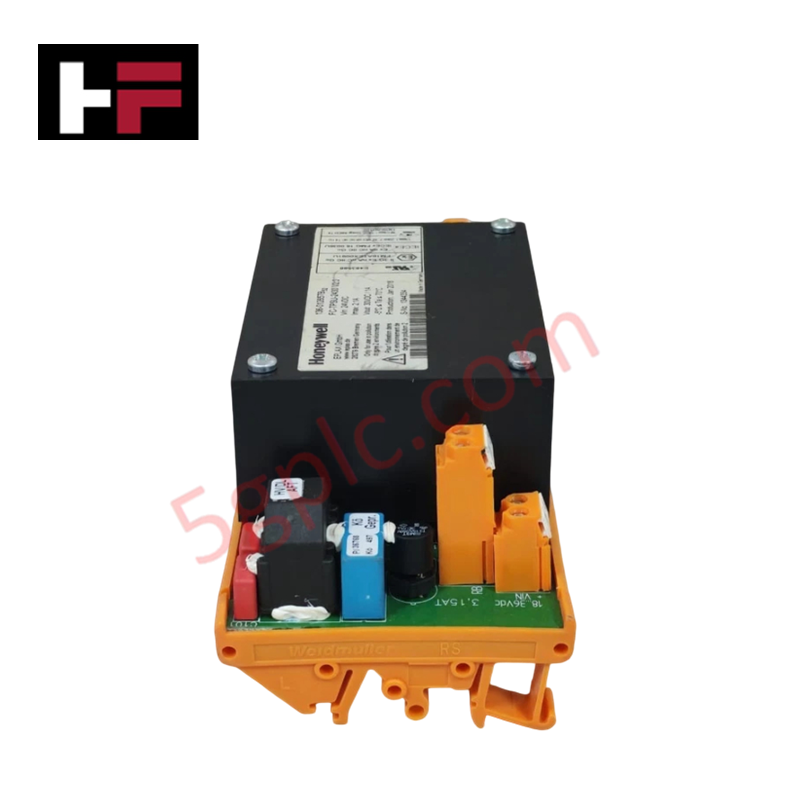
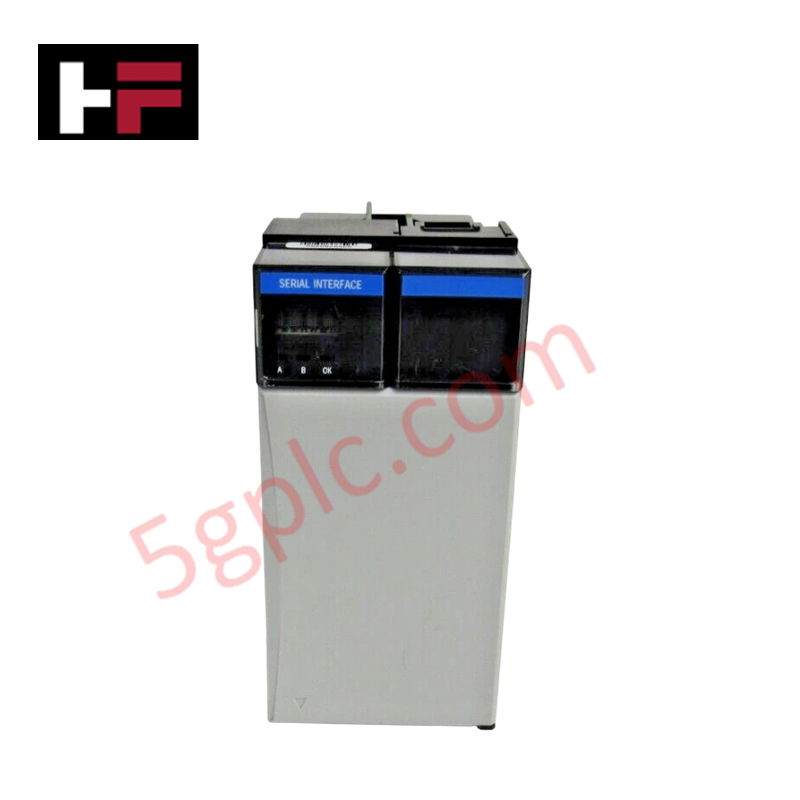
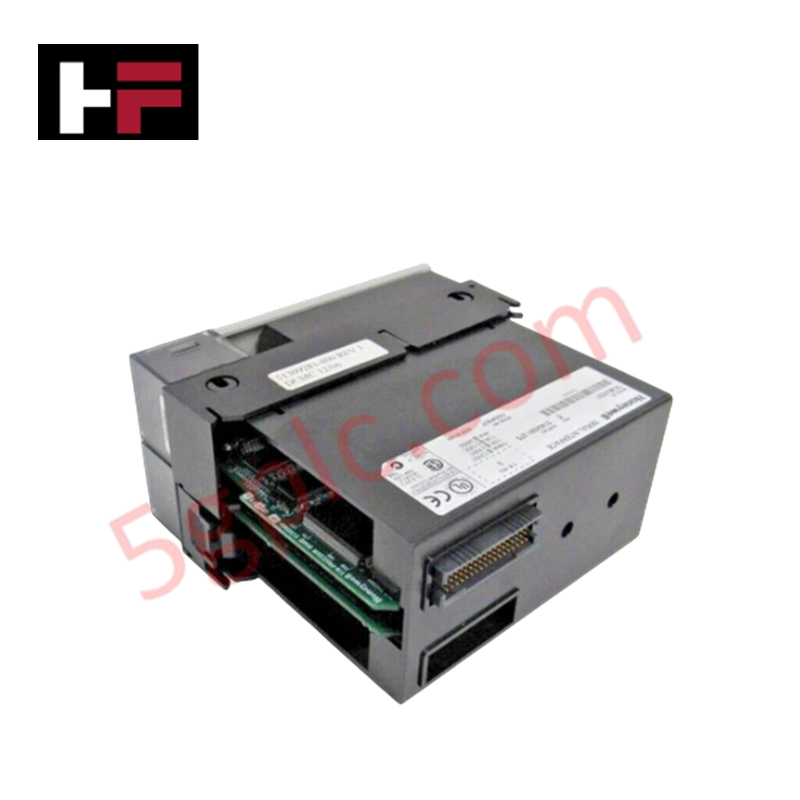
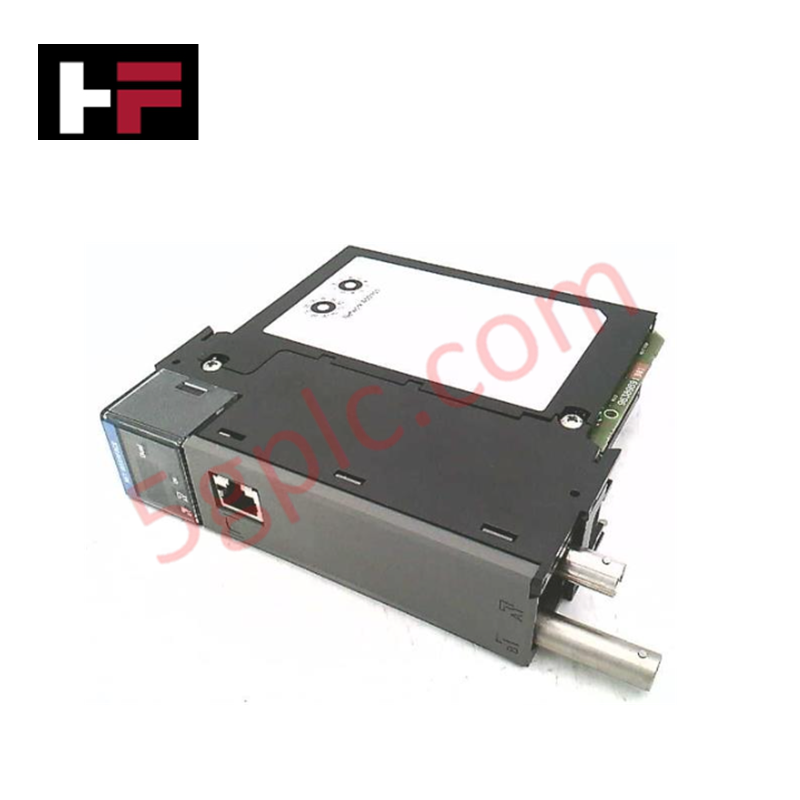
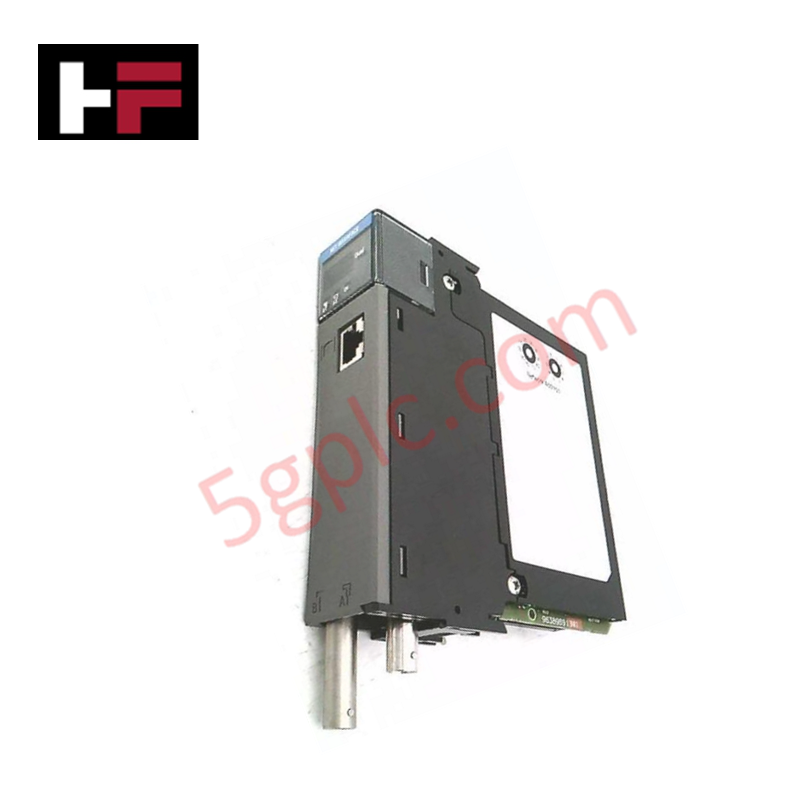
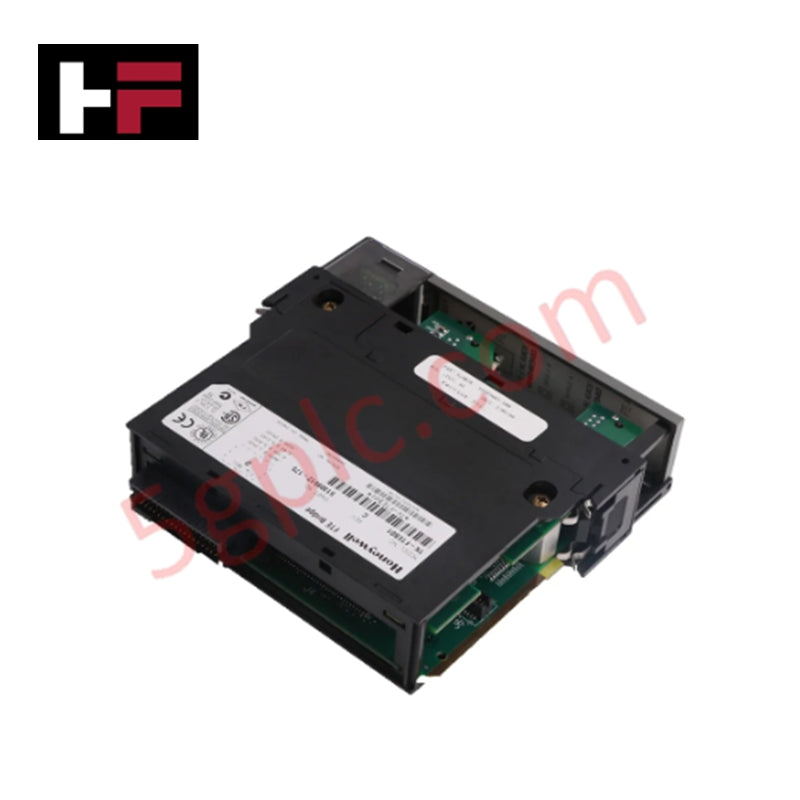
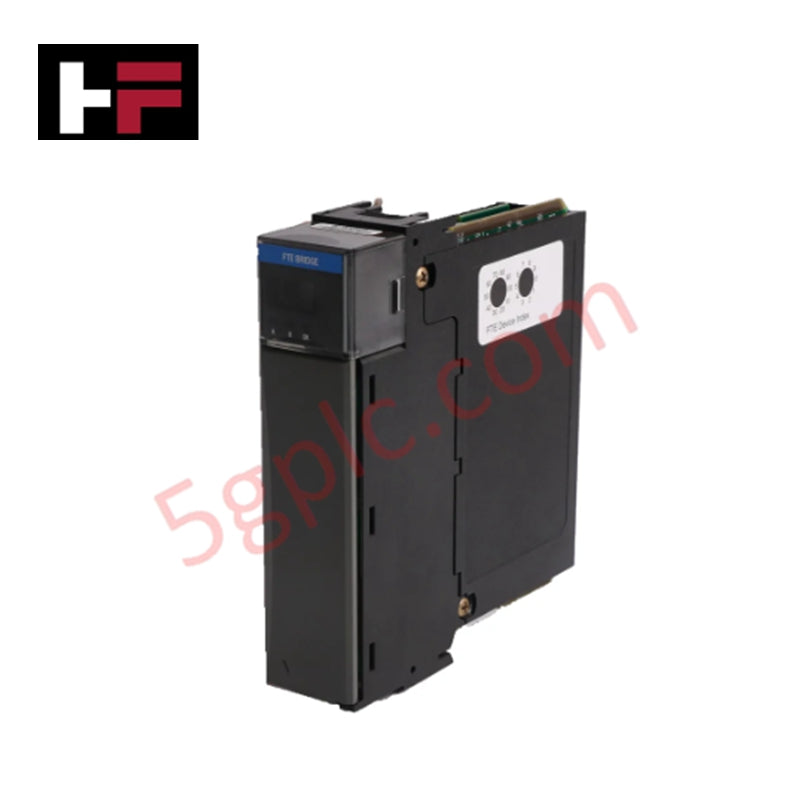
The Honeywell RM7840L1018, also cataloged as the RM7840L 1018 Burner Control Module, operates as a dedicated hardware component for microprocessor-based burner primary safety control and sequence execution within industrial flame safeguard system platforms.
Hardware Specifications
| Parameter | Specification |
|---|---|
| Model | RM7840L1018 / RM7840L 1018 |
| Brand | Honeywell |
| Origin | USA |
| Weight | 0.7 kg (1 lb 10 oz) module |
| Dimensions | 127 mm x 127 mm x 133 mm (with Q7800A Subbase) / 155 mm deep (with Q7800B Subbase) |
| Operating Temp | -40 deg C to +60 deg C (-40 deg F to +140 deg F) |
| Power Consumption | 120 Vac (+10%, -15%), 50/60 Hz (+/-10%) |
| Application | Microprocessor-Based Burner Program Control |
| PrePurge Period | Determined by ST7800A Purge Timer Card |
| PostPurge Period | Configurable / Model dependent |
| Flame Establishing Period | Pilot: 3 sec or 5 sec; Main: 3 sec, 5 sec, or Intermittent |
| Required Accessories | Q7800A/B Universal Subbase, ST7800A Timer Card, R78xx Flame Signal Amplifier |
| Approvals | UL Listed, FM Approved, CSA Certified |
Advanced Signal Isolation & Flame Loop Protection
Integrated with cold junction compensation (CJC) concepts for thermal stability and channel-to-channel isolation parameters, the device conditions raw flame detector voltages via interchangeable plug-in amplifiers (R7847, R7849, R7861, or R7886). The internal control logic continuously performs 4-20 mA HART loop protocol diagnostics and status evaluations during pre-purge, ignition sequence, and main flame operation. Nonvolatile EEPROM memory retains running history files and safety lockout status across full power loss events without requiring battery backup maintenance.
Frequently Asked Questions
Q: What modular components are required to complete an operational RM7840L1018 control assembly?
A: An operational assembly requires the RM7840L1018 module, a Q7800A or Q7800B Universal Wiring Subbase, an ST7800A Plug-in Purge Timer Card to set the pre-purge timing, and an R78xx series Flame Signal Amplifier module.
Q: How is pre-purge timing established on the RM7840L1018 module?
A: The pre-purge duration is dictated entirely by the hardware rating of the plugged-in ST7800A Purge Timer Card; changing purge timing requires swapping the physical timer card on the main unit interface.
Q: What happens to sequence records and fault diagnostics during a total AC power loss?
A: The unit utilizes internal nonvolatile EEPROM memory to preserve all fault histories, lockout status codes, and operating sequence logs permanently through power interruptions without data degradation.
Field Installation Guidelines
- Mount the module onto either a standard Q7800A or Q7800B universal subbase using the provided retaining screws, verifying 5-thread mechanical engagement prior to applying torque.
- Route high-voltage ignition leads in a dedicated metallic conduit isolated from low-voltage signal wires and flame detector sensor wiring to suppress EMI interference.
- Verify that terminal ground connections achieve low-impedance bond directly to the burner housing frame according to industrial field wiring standards.
- Ensure external test points remain accessible for voltage verification before energizing the 120 Vac input feed.
Additional Information
- 100% Genuine Parts: All products are original and authentic, ensuring reliable industrial performance.
- 30-Day Refund Guarantee: Return any in-stock item within 30 days in original, unopened packaging for a full refund (excluding shipping and fees).
- 12-Month Warranty: Covers defects in materials or workmanship; excludes misuse, normal wear, or unauthorized modifications.
- Worldwide Shipping: We ship via USPS, UPS, FedEx, and DHL. Delivery times vary by country and may be subject to customs or import fees.
- Support & Contact: Technical and warranty assistance is available anytime. Contact us here: Contact.
- Purchase Guidance: Check product specifications and compatibility carefully before ordering to ensure proper application.


Tech & Buying Guide

Comparing PID and Model Predictive Control (MPC) in Industrial Automation
Advanced process control strategies remain fundamental for maintaining optimal plant efficiency and product quality. Therefore, control engineers frequently evaluate whether a traditional Proportional-Integral-Derivative (PID) algorithm or a Model Predictive Control (MPC) strategy suits a given application. In my 15 years of commissioning distributed control systems (DCS) and factory automation networks, I have tuned thousands of PID loops while deploying complex MPC packages on multivariable distillation columns. Below, I break down the core operational differences between these two foundational control methodologies.
Mastering Time Synchronization in Industrial Automation Applications
Precise time synchronization remains vital for modern industrial automation, distributed control systems (DCS), and power protection networks. Therefore, control engineers must maintain uniform clocks across all controllers, human-machine interfaces (HMIs), and supervisory stations. In my 15 years of commissioning complex industrial automation projects, I have frequently investigated root-cause failures where misaligned timestamps obscured the true sequence of events. Below, I break down the core time synchronization protocols and methods essential for reliable factory automation.

Designing Robust SCADA Systems for Electrical Substation Automation
Electrical substation automation requires rigorous engineering standards to guarantee uninterrupted power distribution and grid stability. Therefore, control engineers must design supervisory control and data acquisition (SCADA) architectures with absolute precision. In my 15 years of commissioning power protection and substation automation systems, I have witnessed how meticulous SCADA design prevents catastrophic grid failures. Below, I outline the critical engineering practices required to build reliable substation SCADA solutions.