












Product Details
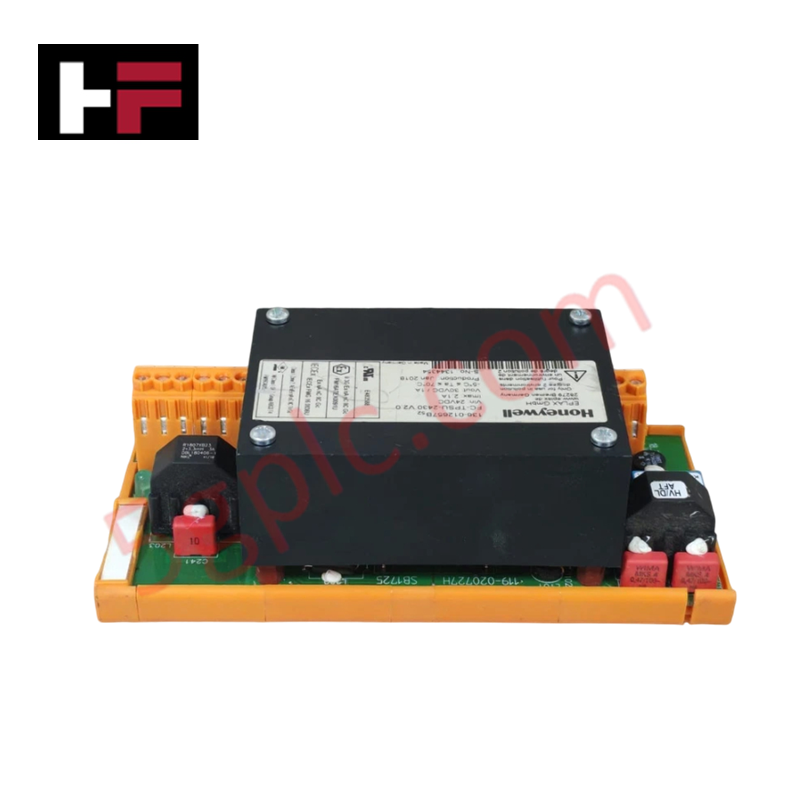
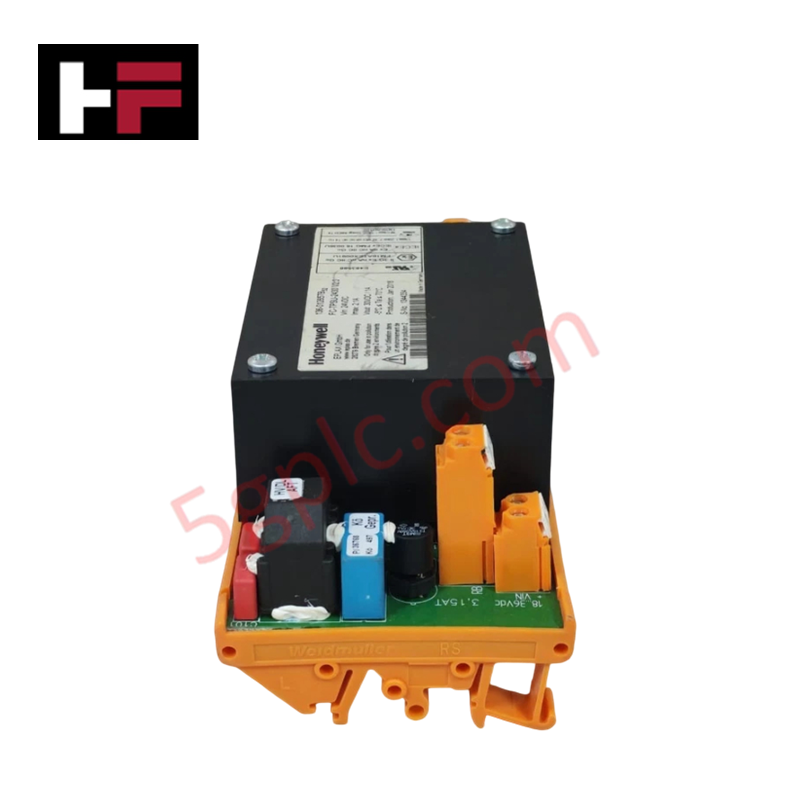
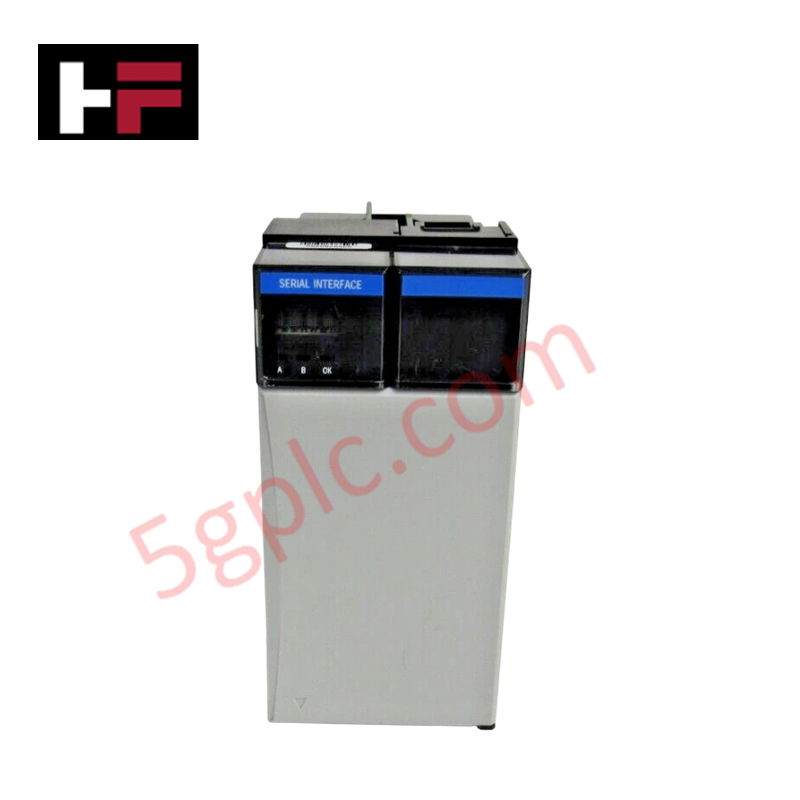
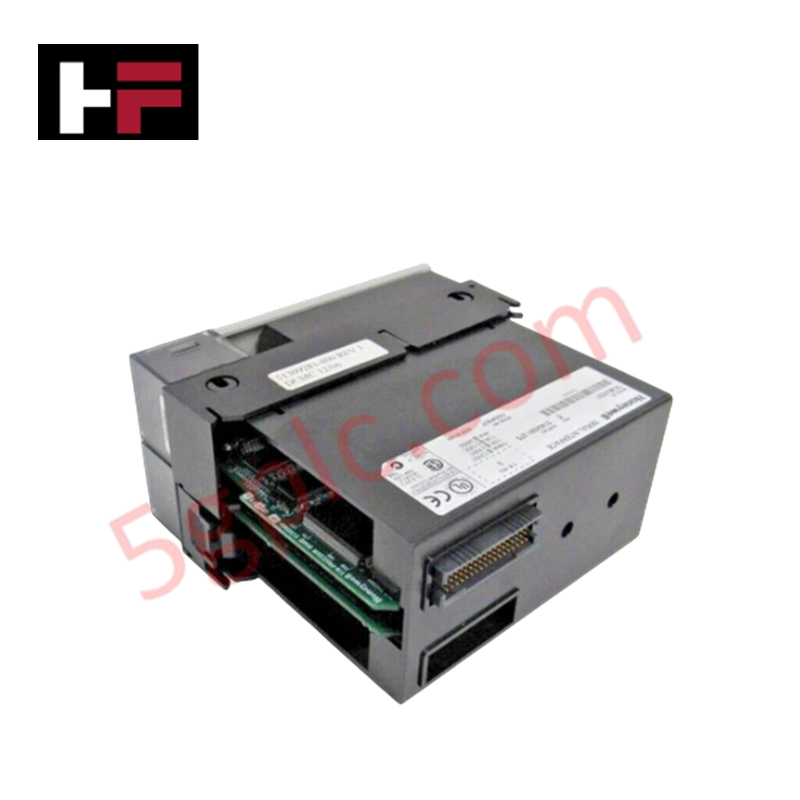
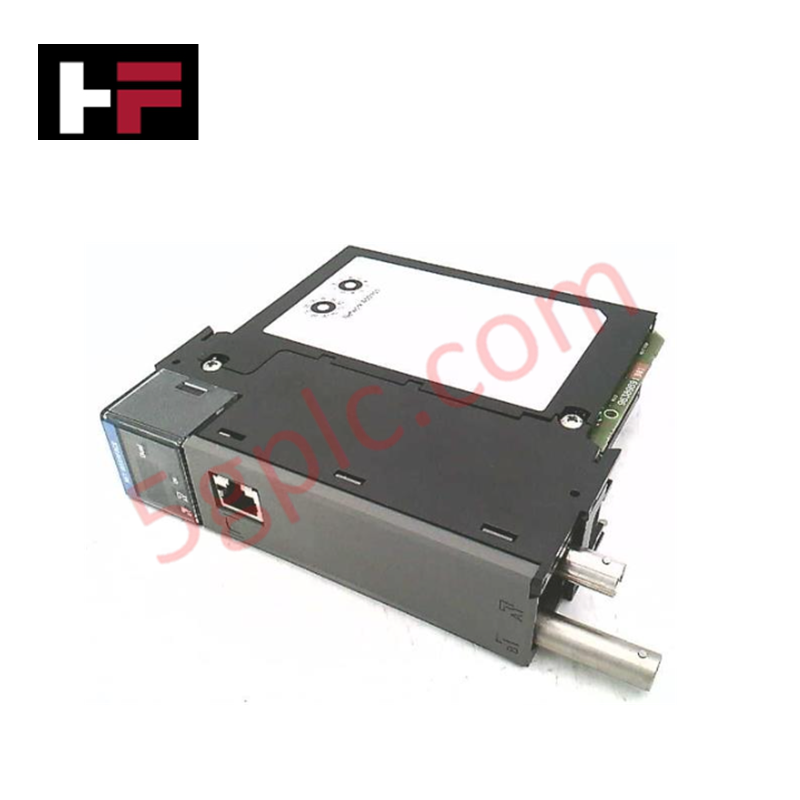
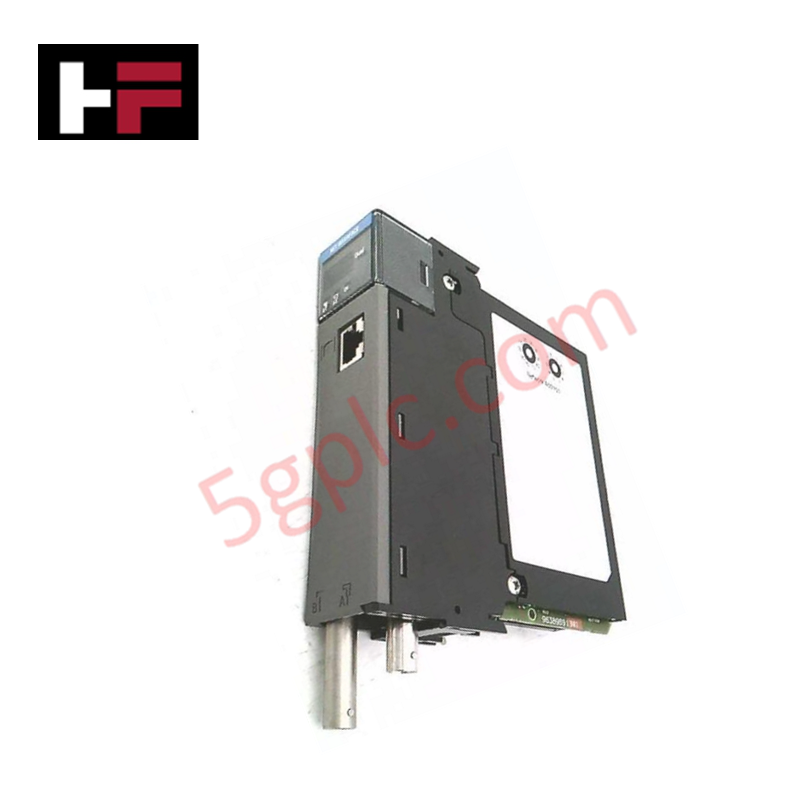
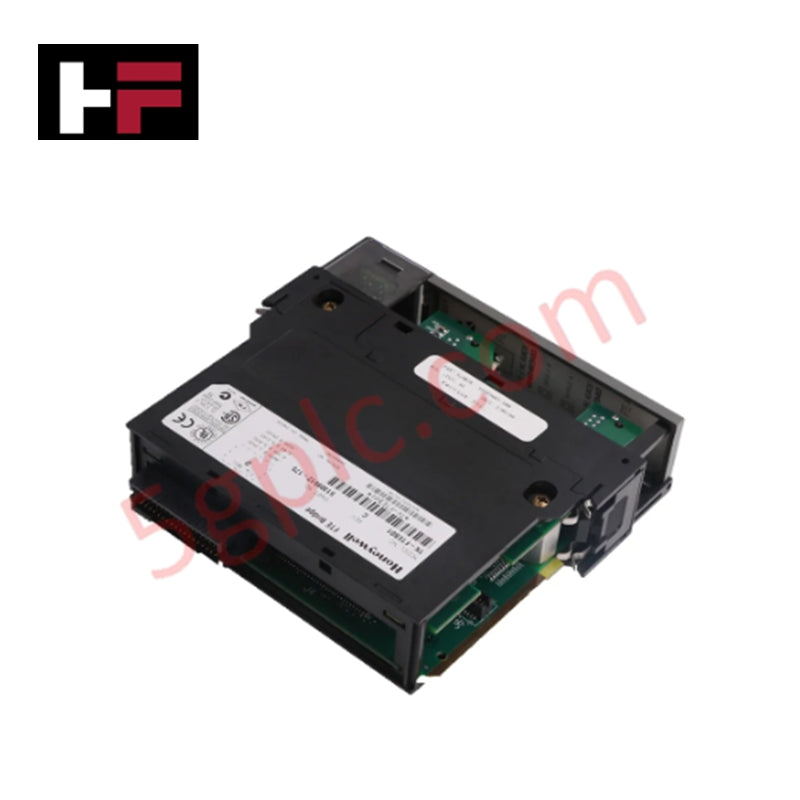
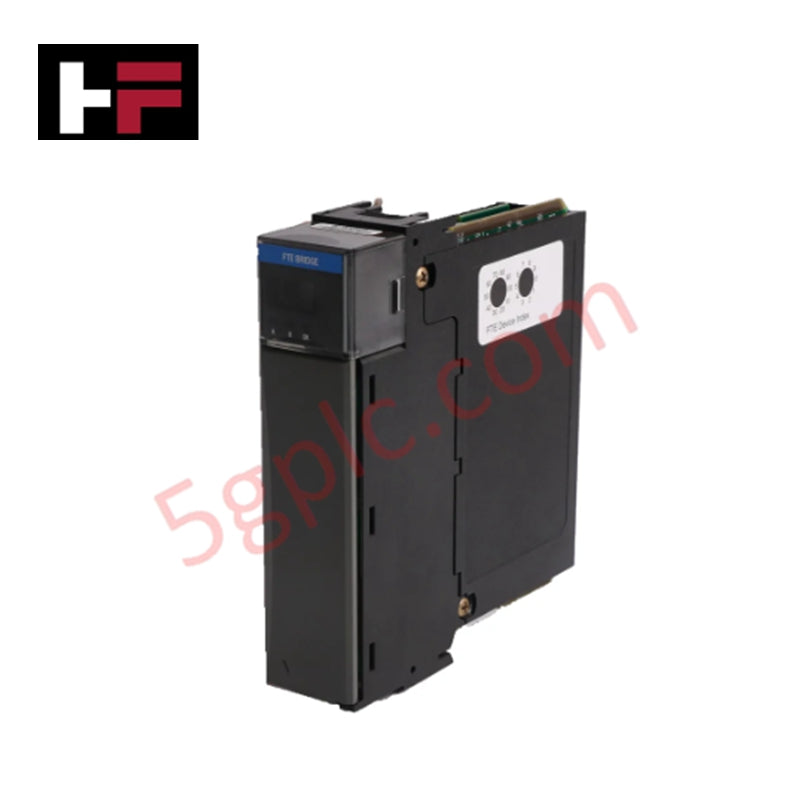
Configured for automated flame safeguard sequencing and valve output control in 7800 Series platforms, the Honeywell EC7810A1027 (EC7810A Burner Control Module) provides direct physical/electrical execution.
Hardware Specifications
| Parameter | Specification |
|---|---|
| Model | EC7810A1027 |
| Brand | Honeywell |
| Origin | USA |
| Weight | 10.01 lbs (4.54 kg) |
| Dimensions | 127 mm x 127 mm x 127 mm |
| Operating Temp | -40 deg C to +60 deg C |
| Power Consumption | 10 W nominal |
| Supply Voltage | 220 VAC to 240 VAC (+10% / -15%), 50 Hz / 60 Hz |
| Flame Response Timing | 0.8 s or 3.0 s (amplifier dependent) |
| Enclosure Rating | NEMA 1 (IP40 cabinet mount) |
Channel-to-Channel Isolation & Loop Protocol Integration
The module incorporates multi-channel optoelectronic channel-to-channel isolation between high-voltage line control terminals and low-voltage solid-state logic circuits. This architectural separation shields the central processing unit from transient electrical noise, field inductive surges, and floating ground potential offsets. When interfaced via standard 4-20 mA HART loop protocol adapters or remote communication modules, the unit outputs diagnostic telemetry including flame signal strength, lockout code history, and sequence state flags without compromising internal safety interlocks.
Frequently Asked Questions
Q: Does the EC7810A1027 module support hot-swapping during active burner operation?
A: No. Power must be fully disconnected from the subbase before inserting or removing the module to prevent electrical arcing across knife-blade terminals and potential firmware corruption.
Q: How does channel-to-channel isolation protect the module during field fault conditions?
A: Internal optical isolators decouple line-voltage relay drive tracks from low-voltage microcomputer buses, preventing high-voltage transients on external valve loops from breaching the central logic circuit.
Field Installation Guidelines
- Subbase Mounting: Seat the module onto a compatible 7800 Series 22-terminal subbase. Ensure the two captive mounting screws are fully engaged to maintain ground continuity.
- Conductor Separation: Route high-voltage ignition leads and motor power wiring in separate conduit pathways away from low-voltage flame signal runs and communication lines to mitigate electromagnetic interference.
- Shield Grounding: Connect flame detector wiring shields strictly at the earth terminal on the subbase. Maintain insulation at the sensor end to prevent circulating ground currents.
- Wiring Termination: Tighten all terminal screws on the subbase to 0.8 Nm to 1.1 Nm (7 to 10 lb-in). Verify solid mechanical contact to prevent thermal hot spots under full load conditions.
Additional Information
- 100% Genuine Parts: All products are original and authentic, ensuring reliable industrial performance.
- 30-Day Refund Guarantee: Return any in-stock item within 30 days in original, unopened packaging for a full refund (excluding shipping and fees).
- 12-Month Warranty: Covers defects in materials or workmanship; excludes misuse, normal wear, or unauthorized modifications.
- Worldwide Shipping: We ship via USPS, UPS, FedEx, and DHL. Delivery times vary by country and may be subject to customs or import fees.
- Support & Contact: Technical and warranty assistance is available anytime. Contact us here: Contact.
- Purchase Guidance: Check product specifications and compatibility carefully before ordering to ensure proper application.


Tech & Buying Guide

Comparing PID and Model Predictive Control (MPC) in Industrial Automation
Advanced process control strategies remain fundamental for maintaining optimal plant efficiency and product quality. Therefore, control engineers frequently evaluate whether a traditional Proportional-Integral-Derivative (PID) algorithm or a Model Predictive Control (MPC) strategy suits a given application. In my 15 years of commissioning distributed control systems (DCS) and factory automation networks, I have tuned thousands of PID loops while deploying complex MPC packages on multivariable distillation columns. Below, I break down the core operational differences between these two foundational control methodologies.
Mastering Time Synchronization in Industrial Automation Applications
Precise time synchronization remains vital for modern industrial automation, distributed control systems (DCS), and power protection networks. Therefore, control engineers must maintain uniform clocks across all controllers, human-machine interfaces (HMIs), and supervisory stations. In my 15 years of commissioning complex industrial automation projects, I have frequently investigated root-cause failures where misaligned timestamps obscured the true sequence of events. Below, I break down the core time synchronization protocols and methods essential for reliable factory automation.

Designing Robust SCADA Systems for Electrical Substation Automation
Electrical substation automation requires rigorous engineering standards to guarantee uninterrupted power distribution and grid stability. Therefore, control engineers must design supervisory control and data acquisition (SCADA) architectures with absolute precision. In my 15 years of commissioning power protection and substation automation systems, I have witnessed how meticulous SCADA design prevents catastrophic grid failures. Below, I outline the critical engineering practices required to build reliable substation SCADA solutions.