










Product Details
Product Overview
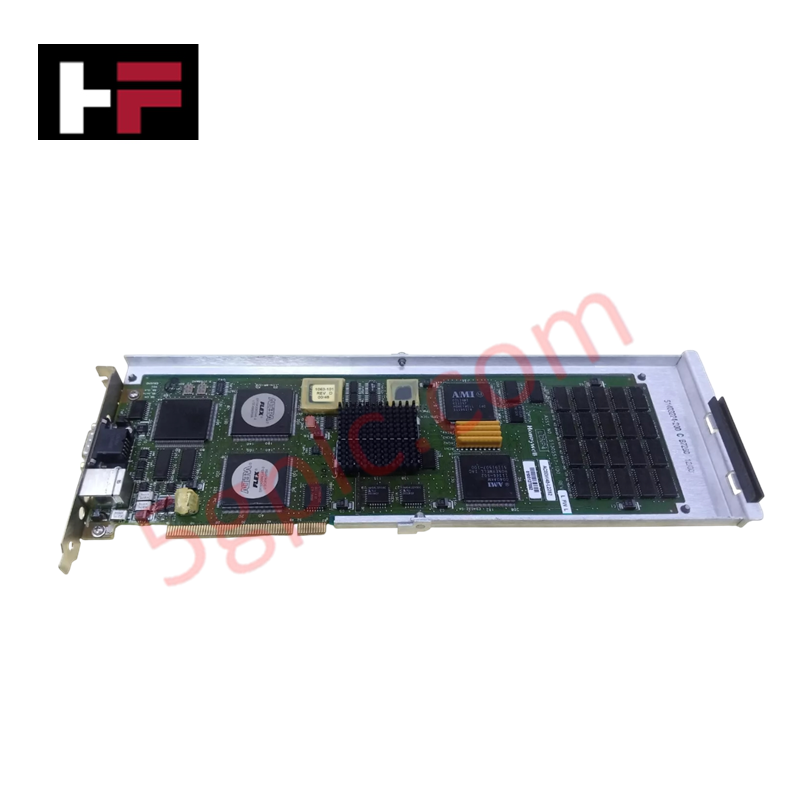
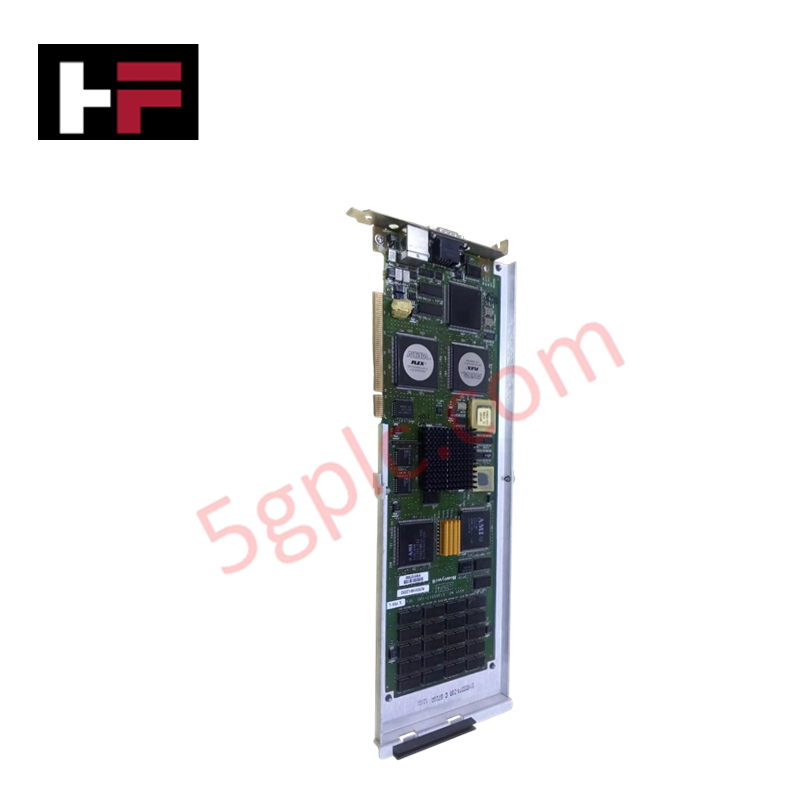
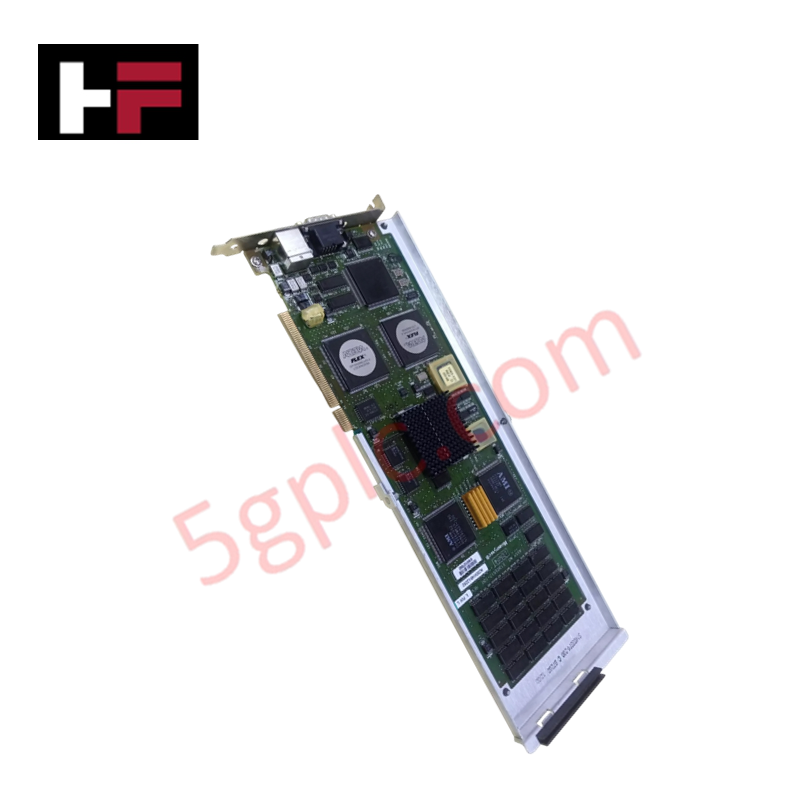
The Honeywell 51403299-200 operates as a high-capacity, heavy-duty Network Processor Board within complex industrial communication topologies. This module processes high-frequency data traffic, coordinates node synchronization, and runs critical control network tasks. We source and deliver this unit as a 100% brand new, original factory component to replace struggling network nodes and guarantee zero lag in high-throughput automation streams.
Technical Specifications
| Parameter | Specification |
| Brand / Manufacturer | Honeywell |
| Model Number | 51403299-200 |
| Board Type | Network Processor Board |
| Processor Speed | 2.4 GHz |
| CPU Core Count | 4 (Quad-Core) |
| Onboard Memory | 8 GB DDR4 |
| Solid-State Storage | 256 GB SSD |
| Required Input Voltage | $5.5\text{ VDC} \pm 5\%$ |
| Input Current Draw | 50 mA |
| Operating Temperature Range | -40 °C to +65 °C (-40 °F to +149 °F) |
| Product Condition | 100% Original Brand New |
Engineering Advantages
-
Eliminates Data Bottlenecks: The combination of a 2.4 GHz quad-core processor and 8 GB DDR4 RAM handles concurrent data packets smoothly. This advanced processing matrix completely eliminates signal buffering delays during heavy network interrogation sequences.
-
Survives Harsh Ambient Fluctuations: Specialized board components tolerate temperature extremes from -40 °C to +65 °C. This extreme-weather build allows deployment in unconditioned outdoor remote terminal units (RTUs) or high-heat foundry control panels without risking component delamination.
-
Ultra-Low Power Overhead: The module draws only 50 mA of current at a precise 5.5 VDC supply. This low consumption profile minimizes the thermal load generated inside dense control enclosures, saving power and protecting adjacent modules from heat stress.
FAQs
-
Does the 256 GB SSD arrive pre-loaded with an operating system?
This 100% brand new network processor board contains standard factory bootstrap code on its 256 GB SSD. System engineers must flash their plant's specific network firmware configuration before bringing the module online.
-
What power supply tolerances does this network board require?
The board requires a stable 5.5 VDC input voltage. It tolerates a strict variance of $\pm 5\%$. Exceeding this boundary triggers internal protective resets to safeguard the quad-core silicon.
-
How do technicians protect this processor during hardware replacement?
Technicians must strictly adhere to static-safe protocols. Disconnect the main chassis power supply, wear an ESD wrist strap, and guide the board into its slot without flexing the PCB assembly.
Additional Information
- 100% Genuine Parts: All products are original and authentic, ensuring reliable industrial performance.
- 30-Day Refund Guarantee: Return any in-stock item within 30 days in original, unopened packaging for a full refund (excluding shipping and fees).
- 12-Month Warranty: Covers defects in materials or workmanship; excludes misuse, normal wear, or unauthorized modifications.
- Worldwide Shipping: We ship via USPS, UPS, FedEx, and DHL. Delivery times vary by country and may be subject to customs or import fees.
- Support & Contact: Technical and warranty assistance is available anytime. Contact us here: Contact.
- Purchase Guidance: Check product specifications and compatibility carefully before ordering to ensure proper application.


Tech & Buying Guide
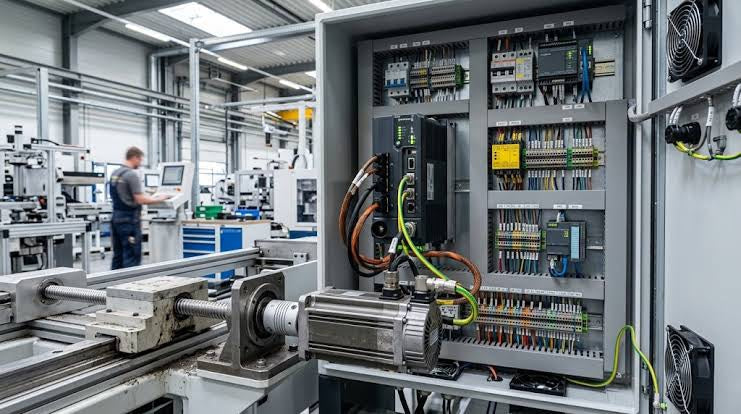
Demystifying Programmable Logic Controllers: Comprehensive Guide to PLC Classification and Selection in Industrial Automation
Modern industrial automation heavily relies on Programmable Logic Controllers (PLCs) to drive factory floor efficiency. Over my 15 years as an industrial automation expert working with DCS, TSI, and control systems, I have seen PLCs evolve into the central nervous system of modern manufacturing. Selecting the right controller requires a deep understanding of PLC types based on physical size, hardware architecture, and power supply configurations.

Comprehensive Guide to PLC Types in Modern Industrial Automation
Modern industrial automation relies on programmable logic controllers to govern critical factory operations. System integrators classify PLCs based on scale, hardware architecture, and power supply design. Understanding these core categories enables automation engineers to select the right control system architecture. Consequently, proper hardware selection optimizes performance while minimizing long-term operational costs.

Demystifying the DDE Protocol in Legacy Industrial Automation Systems
Modern control systems rely heavily on seamless interprocess communication to exchange operational data between software programs. Microsoft first introduced the Dynamic Data Exchange (DDE) protocol in 1987 to enable real-time data sharing. In factory automation, DDE served as an early bridge between control software and Windows desktop applications. Therefore, understanding DDE mechanics provides crucial insights into how legacy industrial networks established software-level connectivity.