










Product Details
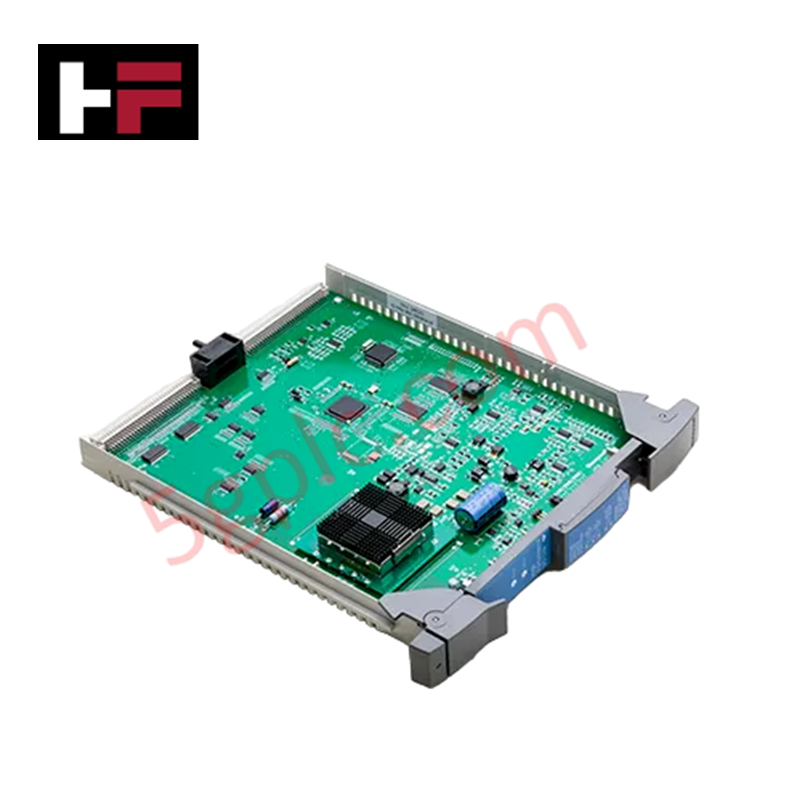
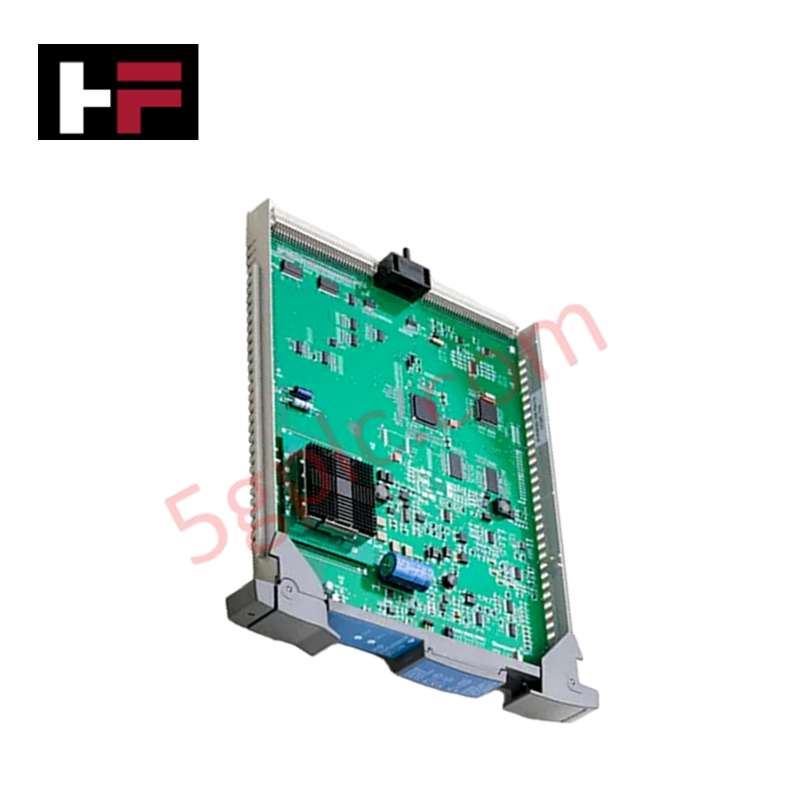
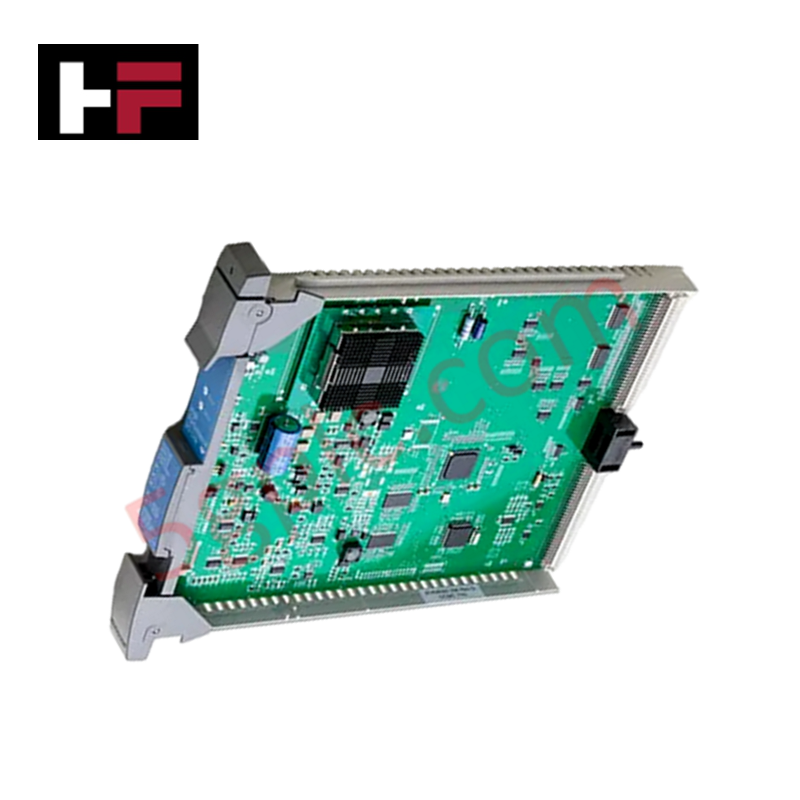
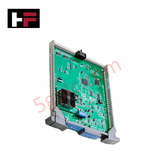
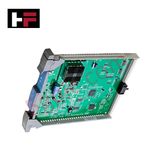
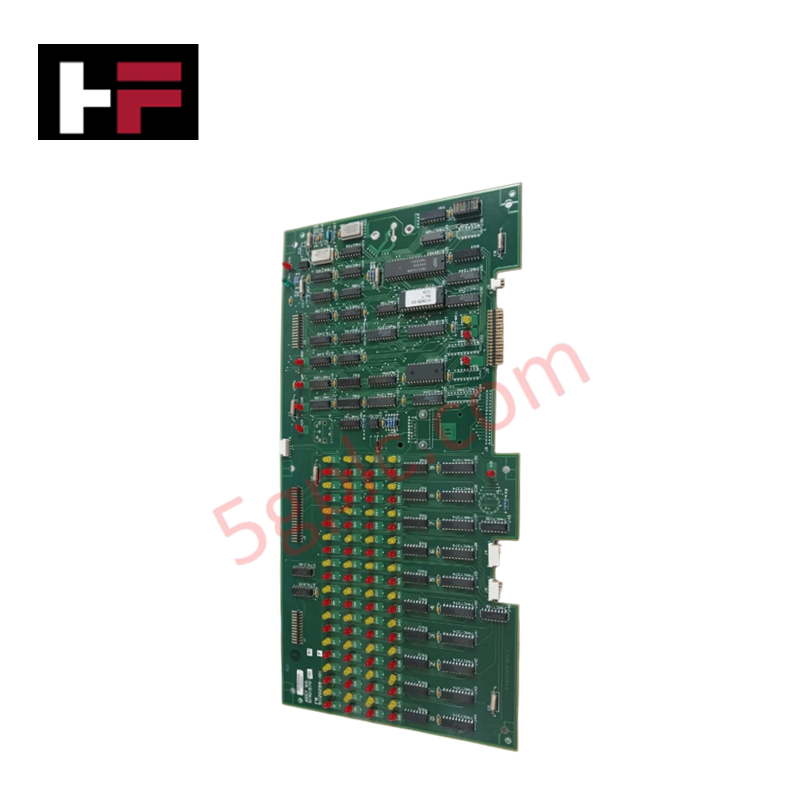
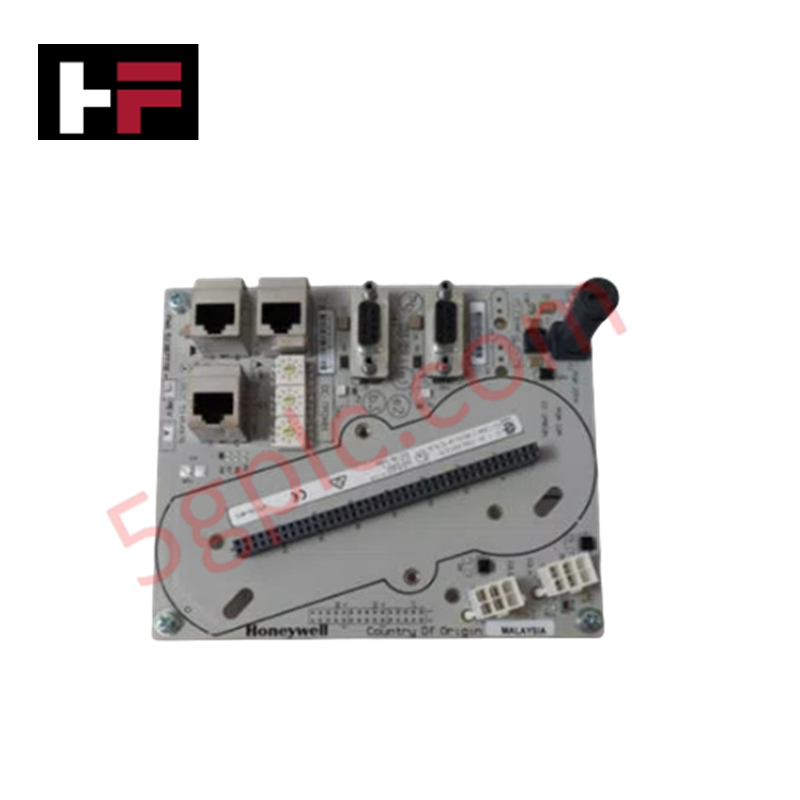
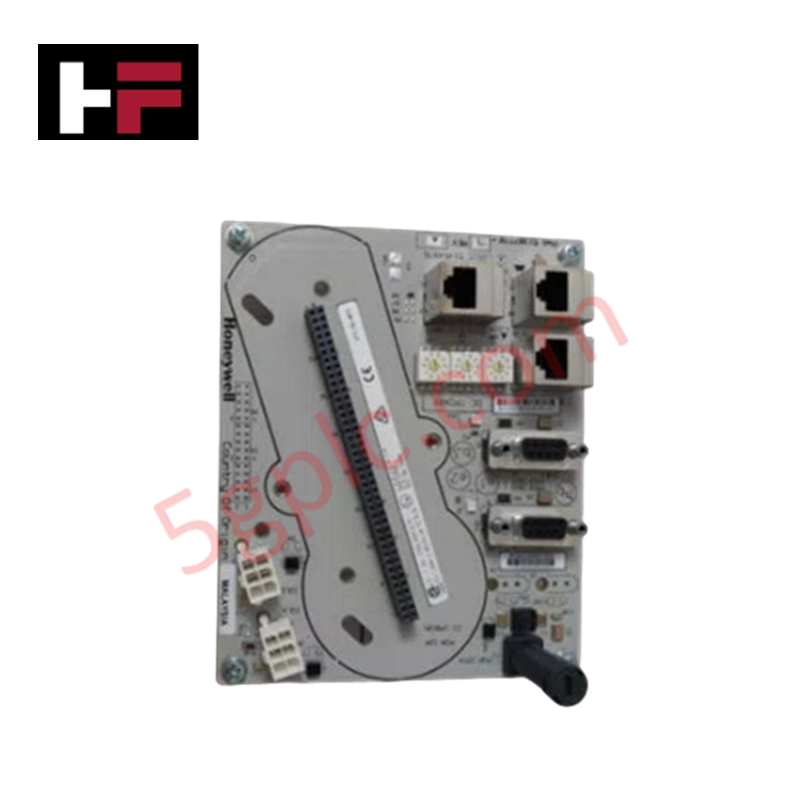
The Honeywell 51307190-150, also cataloged as the 51307190-150 High Performance I/O Link HPM Board, operates as a dedicated hardware component for high-speed I/O link bus communication within Honeywell High Performance Process Manager platforms.
Hardware Specifications
| Parameter | Specification |
|---|---|
| Model | 51307190-150 |
| Brand | Honeywell |
| Origin | USA / As indicated on product label |
| Weight | 0.2 kg |
| Dimensions | 2.5 cm x 12.7 cm x 20.3 cm |
| Operating Temp | 0 to +60 deg C |
| Power Consumption | Passive bus interface / 110 VAC fan module integration |
| Product Type | High Performance I/O Link Board |
| Signal Interface | Honeywell HPM I/O Link Protocol |
4-20 mA HART Loop & Channel-to-Channel Isolation Characteristics
Engineered for integration within High Performance Process Manager (HPM) chassis architectures, the board provides deterministic serialization across primary and redundant I/O link channels. The hardware architecture maintains galvanic channel-to-channel isolation parameters to prevent common-mode voltage spikes from corrupting connected 4-20 mA HART loop field instruments. High-density noise filtering on the communication bus preserves analog signal linearity and diagnostic packet transmission during transient electrical conditions.
Frequently Asked Questions
Q: Can the 51307190-150 board be replaced while the HPM rack is powered?
A: Live replacement depends on the redundant configuration of the HPM node; for non-redundant link topologies, the local I/O rack power must be isolated prior to board extraction.
Q: How does the interface prevent noise coupling into connected 4-20 mA HART loops?
A: Onboard isolation transformers and filtering networks decouple backplane communication signals from field-side loop circuitry, maintaining high signal-to-noise ratios.
Q: What power input supply is required when operating alongside auxiliary cooling modules in the cabinet?
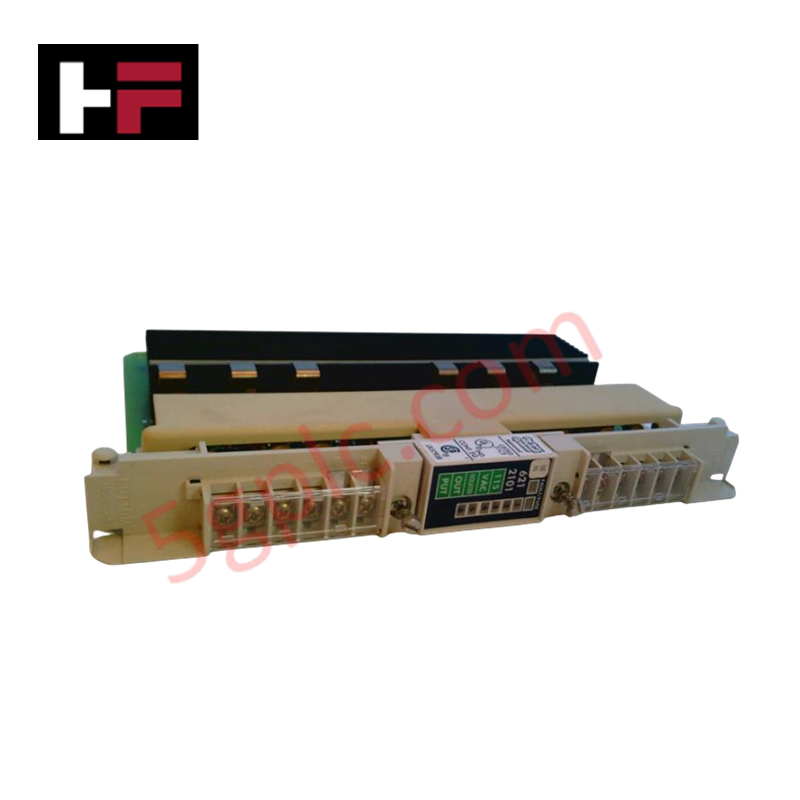
A: The main board receives power from the HPM chassis backplane, while auxiliary cabinet fan assemblies operate on standard 110 VAC utility power.
Field Installation Guidelines
- Power down the targeted rack or verify redundant I/O link failover state before inserting the module into the card slot.
- Align the board edges with the card guide rails inside the HPM cabinet and slide the unit firmly into the backplane connector.
- Tighten front panel retaining screws to ensure solid chassis earth grounding and prevent vibration loosening.
- Verify proper cable shielding connections on connected I/O link drop lines to prevent electromagnetic noise entry.
- Maintain clear airflow clearance around adjacent cabinet fan assemblies to ensure adequate thermal dissipation across cards.
Additional Information
- 100% Genuine Parts: All products are original and authentic, ensuring reliable industrial performance.
- 30-Day Refund Guarantee: Return any in-stock item within 30 days in original, unopened packaging for a full refund (excluding shipping and fees).
- 12-Month Warranty: Covers defects in materials or workmanship; excludes misuse, normal wear, or unauthorized modifications.
- Worldwide Shipping: We ship via USPS, UPS, FedEx, and DHL. Delivery times vary by country and may be subject to customs or import fees.
- Support & Contact: Technical and warranty assistance is available anytime. Contact us here: Contact.
- Purchase Guidance: Check product specifications and compatibility carefully before ordering to ensure proper application.

Tech & Buying Guide

PLC and DCS Control System Spares Strategy: Engineering Guidelines
Modern factory automation relies on high-speed fiber optic backbones to link distributed control systems across noise-intensive industrial environments. Unlike copper wiring, optical fibers transmit data via light pulses, making them completely immune to electromagnetic interference (EMI). Field engineers must master optical cable joining and fusion splicing techniques to guarantee low-loss data transmission across critical Programmable Logic Controller (PLC) and Distributed Control System (DCS) nodes.

PLC and DCS Control System Spares Strategy: Engineering Guidelines
Industrial automation lifecycle management requires robust spare parts planning for Programmable Logic Controller (PLC) and Distributed Control System (DCS) platforms. Plant engineers must correctly categorize spare components during front-end engineering design to maintain high system availability. Miscalculating spare requirements can lead to prolonged unscheduled downtime, project budget overruns, or delayed site commissioning.

Wellhead Control Panel (WHCP) Architecture in Oil and Gas Automation
Upstream oil and gas operations rely on specialized field control platforms to manage wellhead extraction safety and hydraulic actuation. A Wellhead Control Panel (WHCP) serves as a dedicated hydraulic and pneumatic power unit designed to operate critical Christmas Tree isolation valves. By interfacing field safety components directly with Programmable Logic Controller (PLC) architecture, a WHCP protects upstream extraction assets against overpressure, catastrophic leaks, and thermal emergencies.