










Product Details
Product Overview
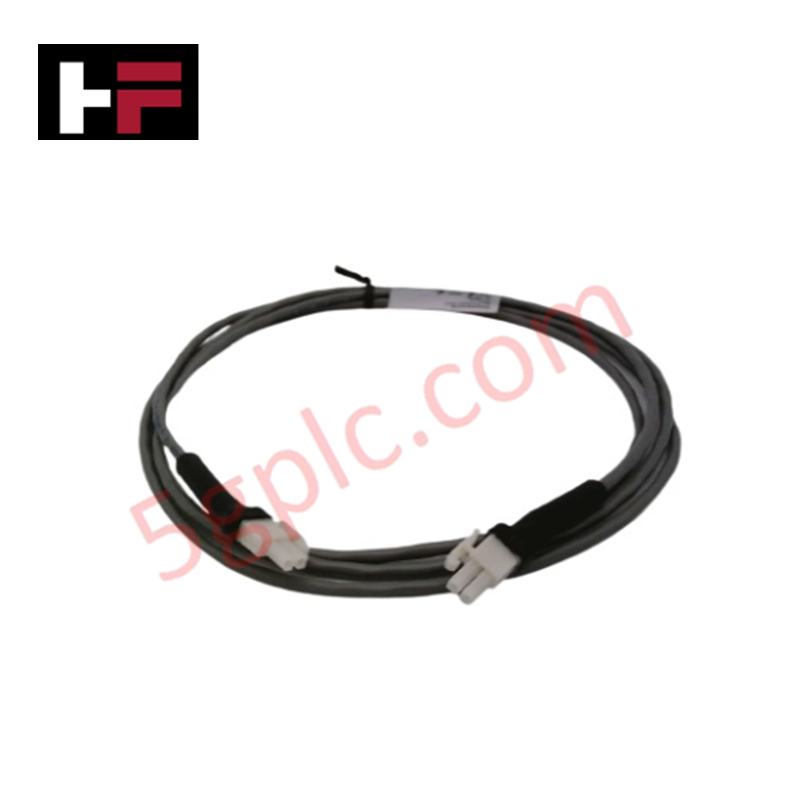
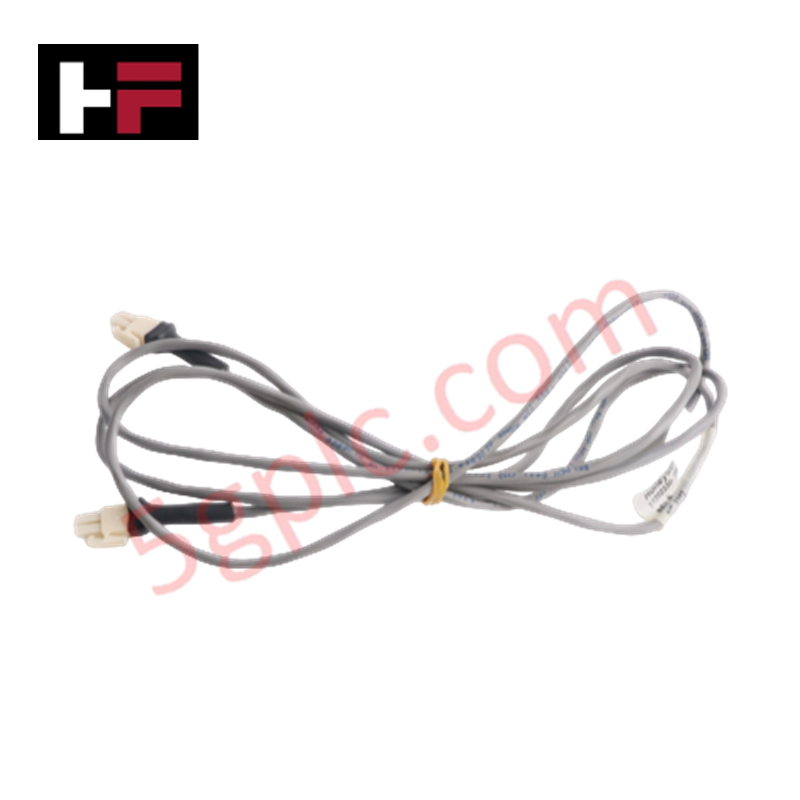
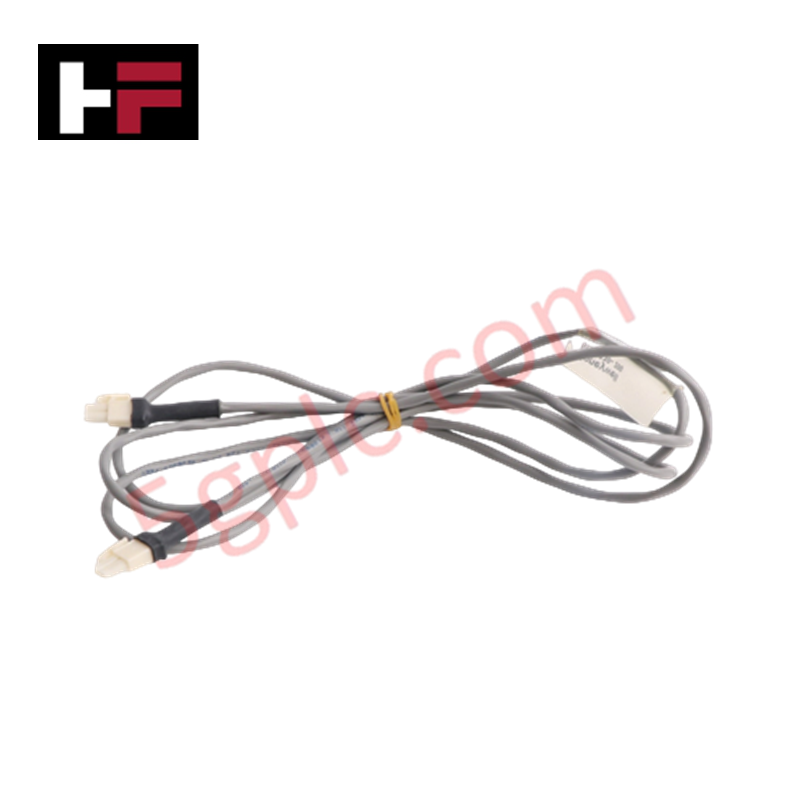
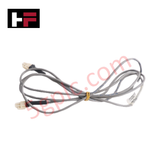
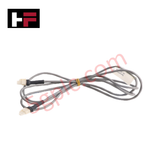
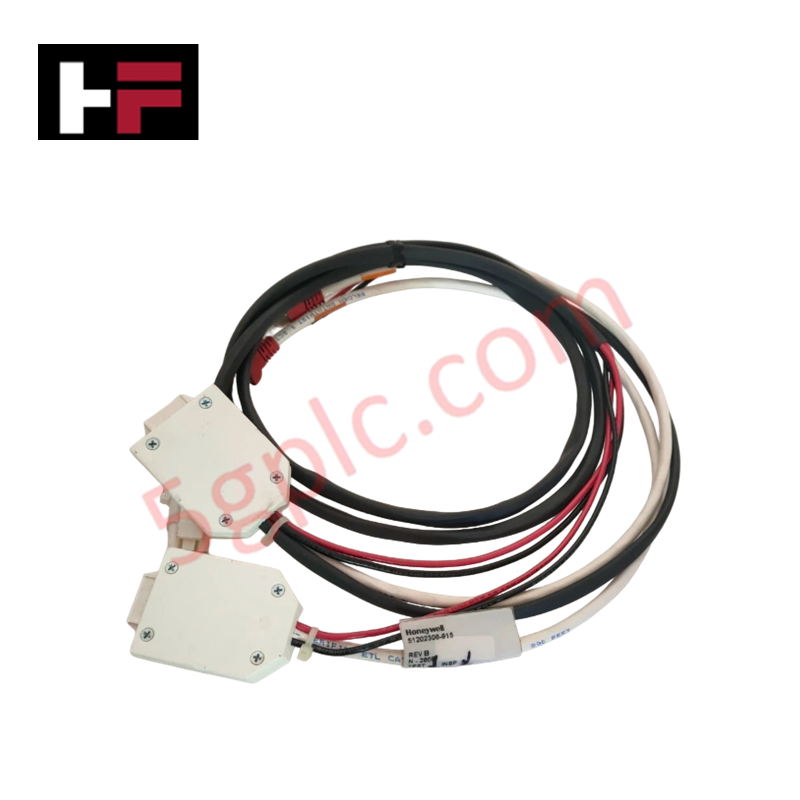
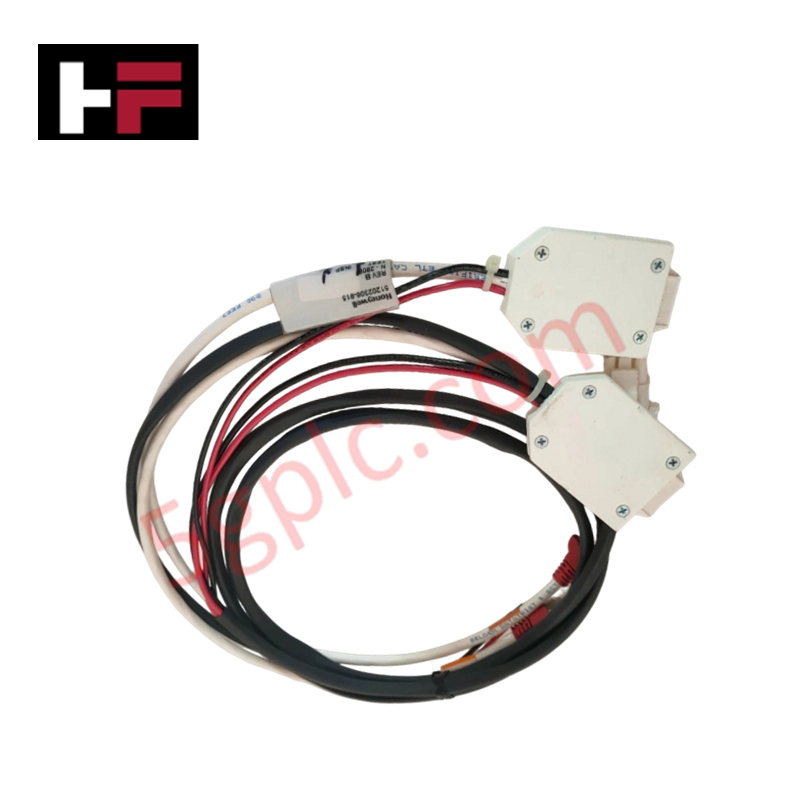
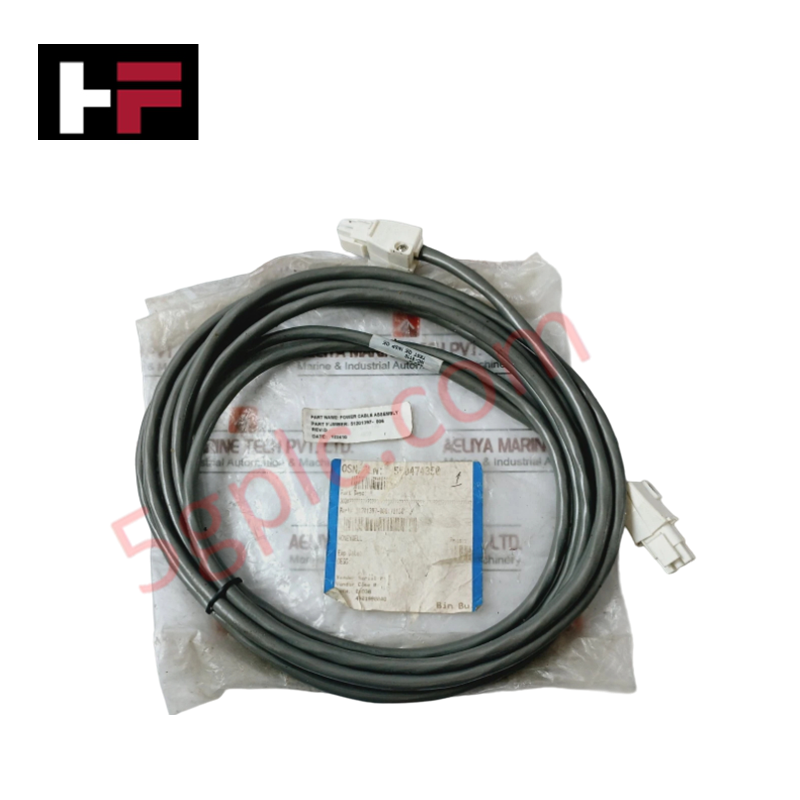
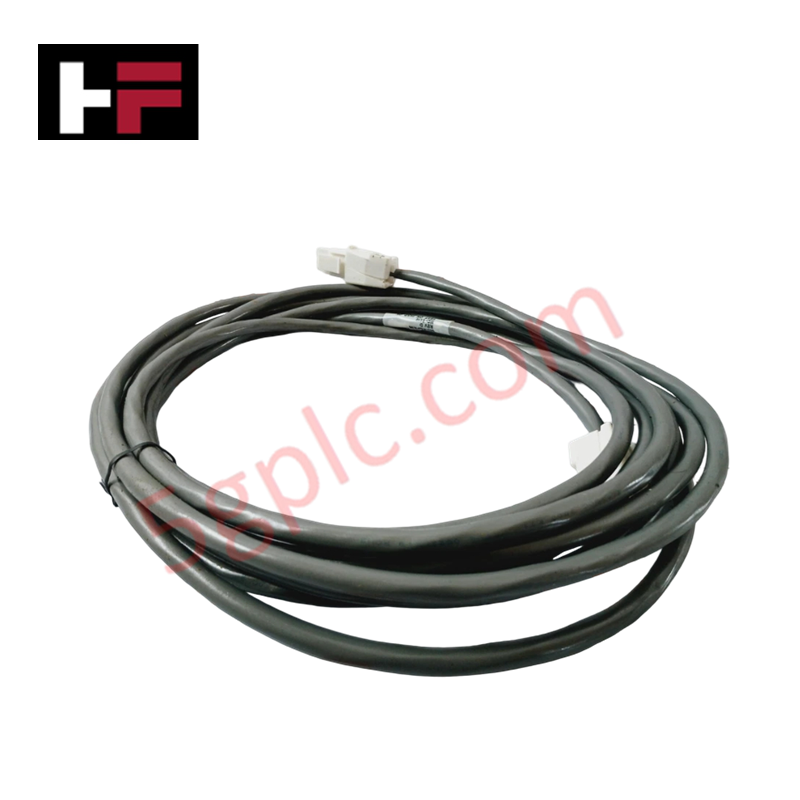
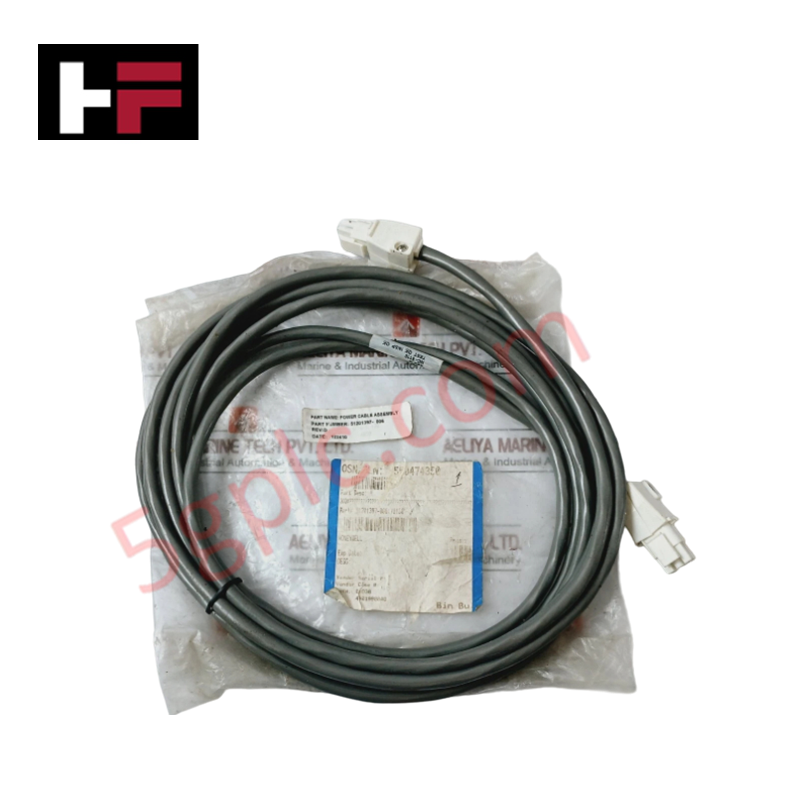
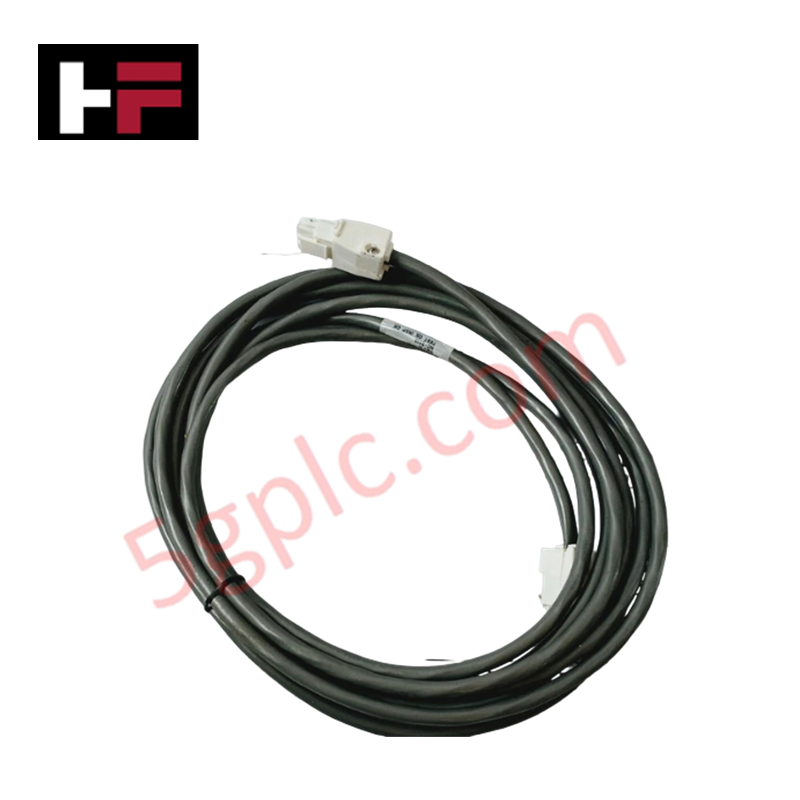
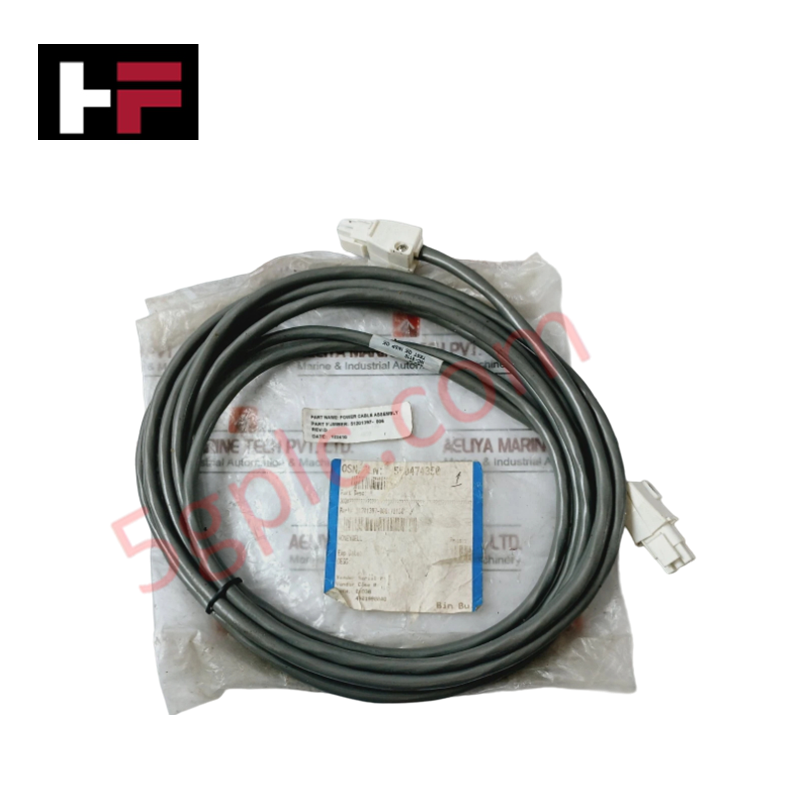
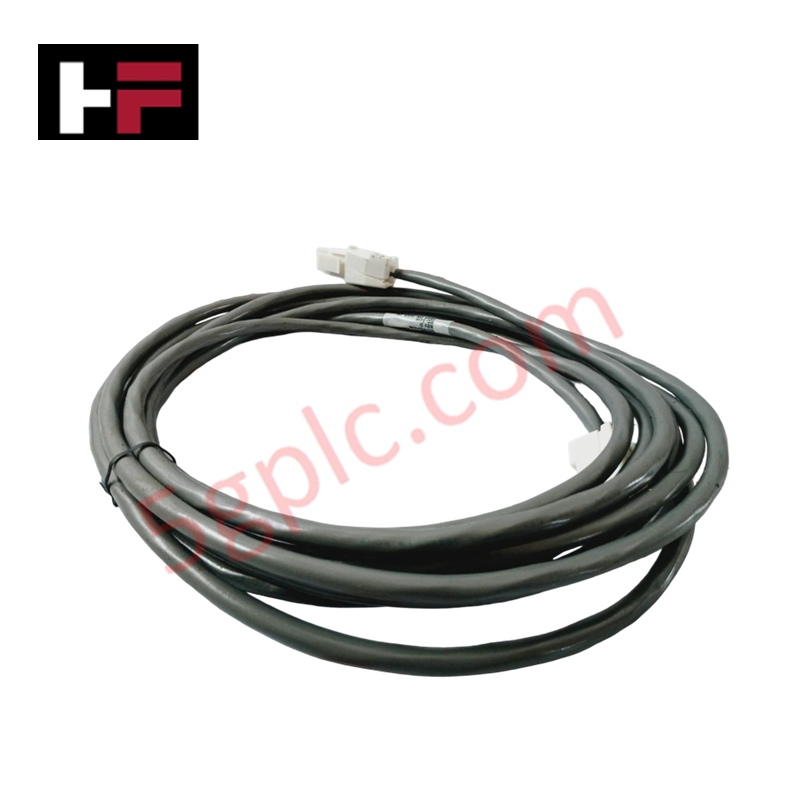
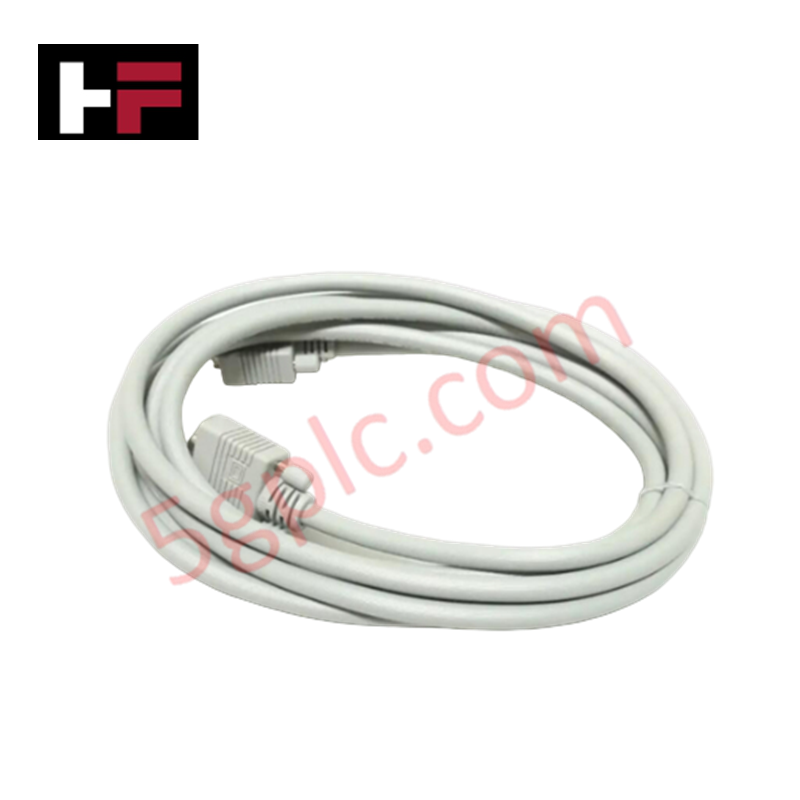
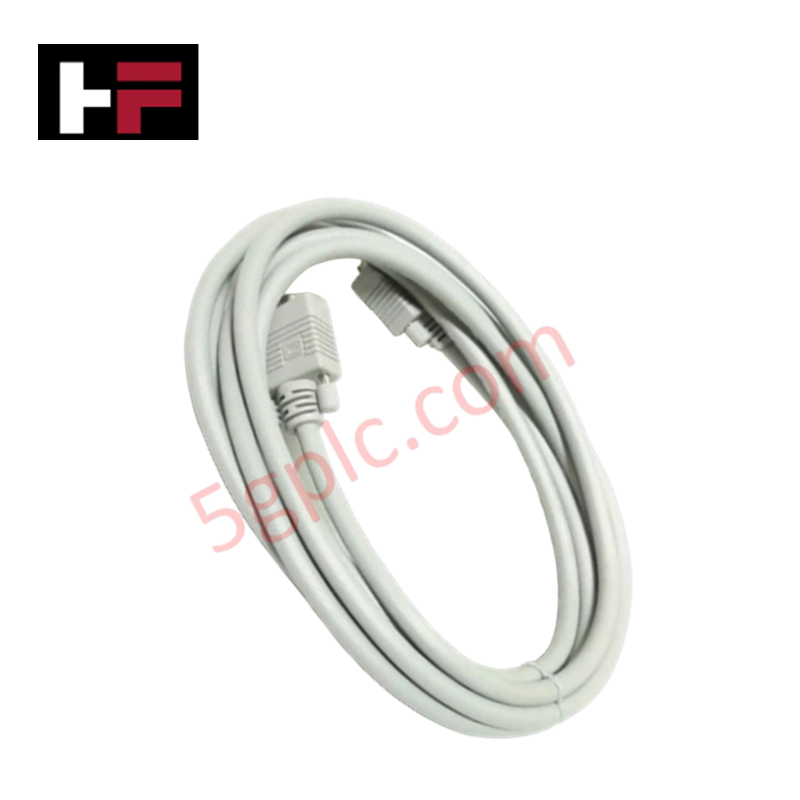
The Honeywell 51202330-200 serves as a critical communication backbone within the TotalPlant Solution (TPS) and TDC 3000 ecosystems. This high-performance I/O Link Cable facilitates seamless data transmission between I/O processors and field termination assemblies. We supply this component as 100% Brand New and Original, ensuring your control system maintains peak deterministic performance without the risks associated with refurbished or third-party alternatives.
Technical Specifications
This cable meets stringent industrial interference standards to prevent signal attenuation in high-density rack environments.
| Feature | Specification |
| Manufacturer | Honeywell |
| Part Number | 51202330-200 |
| Product Type | I/O Link Cable |
| Dimensions | 95 cm x 1.6 cm x 1.8 cm |
| Weight | 0.06 kg |
| Country of Origin | USA |
| Condition | Factory New Original |
| Compatibility | Honeywell TDC 3000 / TPS Systems |
Engineering Advantages
-
Signal Integrity in High-EMI Environments: The 51202330-200 utilizes advanced shielding to block electromagnetic interference. This design ensures that high-speed I/O data remains uncorrupted even when routed near high-voltage power lines or heavy machinery.
-
Precision Form Factor for Dense Racking: The slim 1.6 cm profile allows engineers to manage cable density efficiently within congested control cabinets. This compact footprint simplifies airflow management and reduces heat buildup around critical I/O modules.
-
Plug-and-Play Reliability: Honeywell engineers this cable with ruggedized connectors that provide a secure, vibration-resistant seating. This eliminates intermittent "Link Loss" errors that frequently plague lower-quality aftermarket cables in vibrating industrial settings.
-
Optimized Length for Reduced Latency: At 95 cm, the cable provides the ideal balance between routing flexibility and minimal signal propagation delay, specifically optimized for standard cabinet internal loops.
FAQs
Does this cable support both redundant and non-redundant I/O configurations?
Yes. You can deploy the 51202330-200 in both standard and redundant I/O Link architectures. In redundant setups, it ensures matched impedance across both primary and secondary paths to maintain synchronized data flow.
What are the specific installation requirements for the 51202330-200?
Engineers should respect the minimum bend radius to avoid internal conductor fatigue. Ensure the locking mechanisms on the I/O processor and the FTA (Field Termination Assembly) engage fully to prevent signal dropouts caused by cabinet vibration.
Is this part a direct replacement for older 5120 series link cables?
This specific -200 variant replaces legacy Honeywell link cables within the TDC 3000 series. Always verify your specific system topology and length requirements before hot-swapping cables in a live process environment.
Additional Information
- 100% Genuine Parts: All products are original and authentic, ensuring reliable industrial performance.
- 30-Day Refund Guarantee: Return any in-stock item within 30 days in original, unopened packaging for a full refund (excluding shipping and fees).
- 12-Month Warranty: Covers defects in materials or workmanship; excludes misuse, normal wear, or unauthorized modifications.
- Worldwide Shipping: We ship via USPS, UPS, FedEx, and DHL. Delivery times vary by country and may be subject to customs or import fees.
- Support & Contact: Technical and warranty assistance is available anytime. Contact us here: Contact.
- Purchase Guidance: Check product specifications and compatibility carefully before ordering to ensure proper application.
Tech & Buying Guide

Navigating Industrial Automation Failures: Types, Causes, and Mitigation Strategies
Modern manufacturing relies heavily on automated control systems to maximize throughput and maintain product quality. However, unplanned downtime in industrial automation can cost facility operators thousands of dollars per hour. Understanding how programmable logic controllers (PLCs), distributed control systems (DCS), and field instrumentation fail empowers engineering teams to implement robust preventive maintenance strategies.
Essential Motion Control Commands: A Practical Guide for Engineers
Automation engineers often rely on precise position and speed control to drive modern factory machinery. Modern industrial systems, such as Programmable Logic Controllers (PLCs) and Distributed Control Systems (DCS), depend heavily on standardized motion instructions. Mastering these commands ensures operational safety, protects mechanical components, and optimizes cycle times across production lines.

The Role of Intrinsic Safety Barriers in PLC and DCS Architectures
Implementing robust protection in hazardous industrial environments represents a fundamental safety requirement in factory automation. Process facilities often handle volatile gases, dusts, and chemical agents that pose significant combustion risks. Consequently, control system engineers must deploy energy-limiting interfaces to isolate safe-area control cabinets from hazardous-area field instrumentation. This article examines the function, selection, and electrical principles of intrinsic safety barriers within modern PLC and DCS networks.