












Product Details
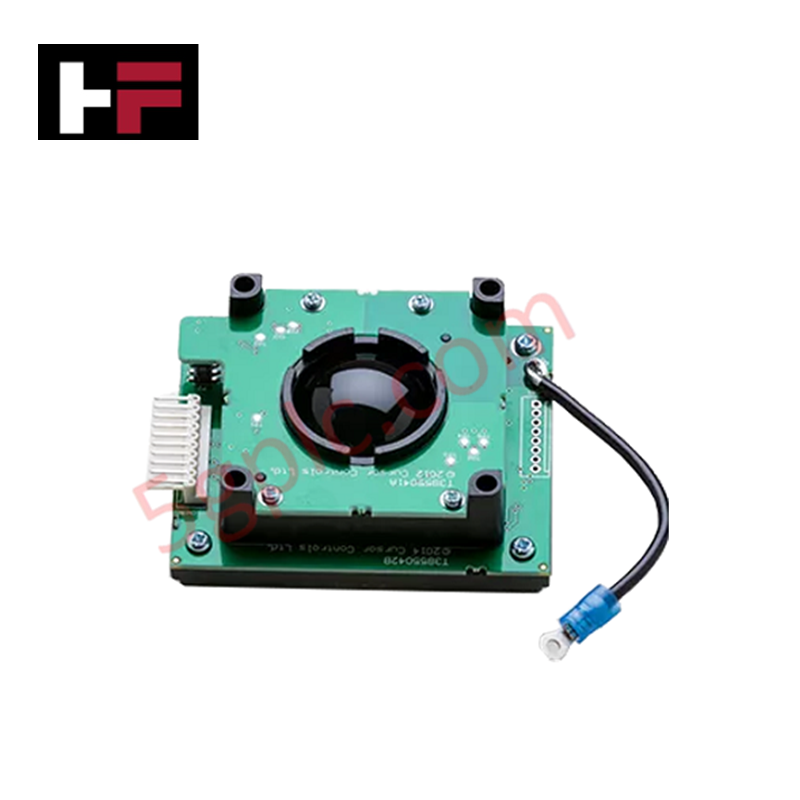
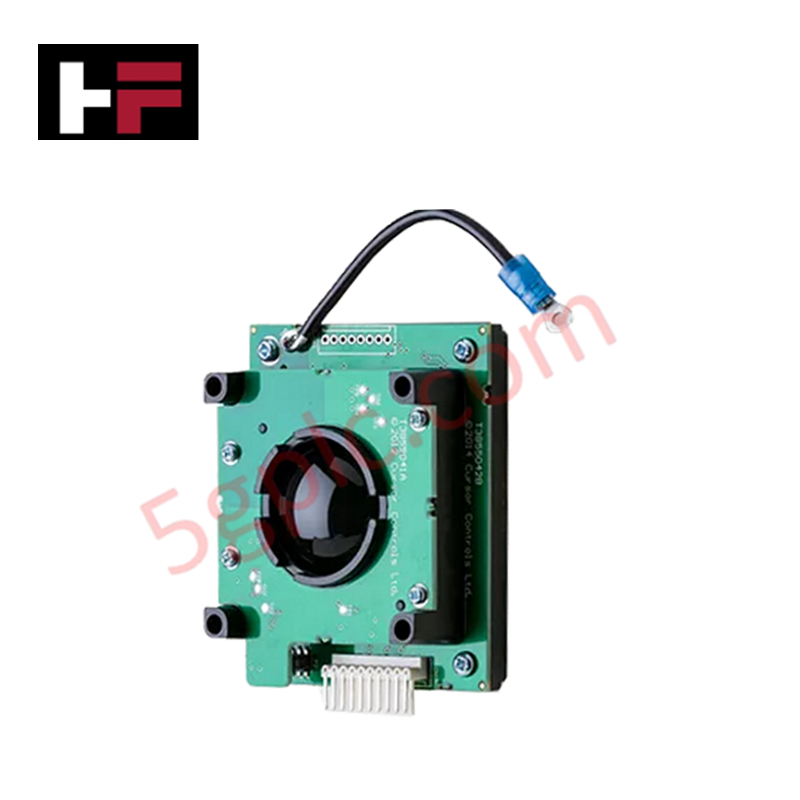
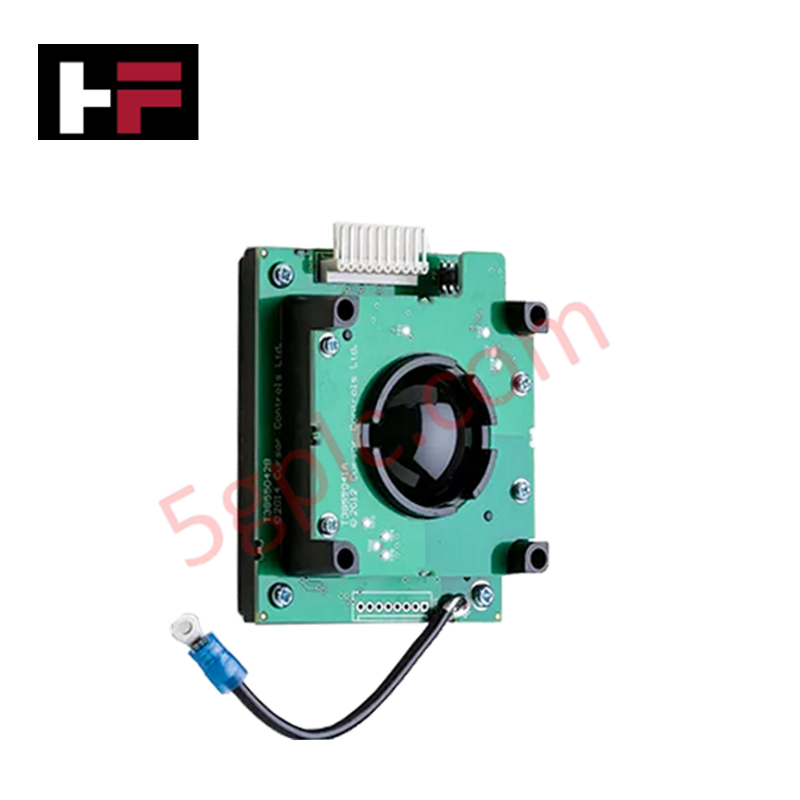
The Honeywell 51196694-901, also cataloged as the 51196694 Trackball Assembly, operates as a dedicated hardware component for human-machine operator interface navigation and cursor position execution within Honeywell TDC 3000 and Experion PKS operator consoles.
Hardware Specifications
| Parameter | Specification |
|---|---|
| Model | 51196694-901 |
| Brand | Honeywell |
| Origin | USA |
| Weight | 1.0 kg (Shipping Weight) |
| Dimensions | Standard Operator Console Panel Cutout |
| Operating Temp | 0 deg C to 50 deg C |
| Power Consumption | Powered via operator console interface bus |
| System Compatibility | Honeywell Universal Station / Experion Operator Consoles |
| Input Device Type | Industrial Trackball Pointer |
| Interface Type | Dedicated Console Bus / Serial Connection |
Operator Console Interface and Signal Integrity
Designed for continuous human-machine interaction on Honeywell DCS operator stations, the assembly translates mechanical ball rotation into incremental quadrature pulses or serial data packets. Channel-to-channel isolation on the internal interface PCB isolates low-voltage encoder circuitry from potential ESD spikes across the operator console chassis. This design prevents ground loops and electrical transient coupling into adjacent keyboard modules, 4-20 mA HART operator displays, or high-speed station bus communications during station operation.
Frequently Asked Questions
Q: How is power provided to the 51196694-901 trackball assembly?
A: Power is supplied directly through the operator console internal interface cable from the host station electronics backplane.
Q: What maintenance is recommended to prevent pointer drift or signal hesitation?
A: Periodic mechanical cleaning of the encoder rollers and optical sensors inside the trackball housing removes dust accumulation without requiring electrical recalibration.
Q: Can this unit be swapped while the operator console is powered on?
A: Physical replacement should follow Honeywell operator station servicing guidelines; powered hot-swapping depends on the specific console bus interface board connected to the assembly.
Field Installation Guidelines
- Mount the assembly into the operator panel cutout, ensuring a uniform seating seal to protect internal electronics against dust ingress.
- Route the interface ribbon/serial cable away from high-voltage AC wiring or panel power supplies to maintain signal integrity.
- Connect the chassis grounding conductor from the trackball housing to the console panel frame ground to prevent static electricity discharge damage.
- Inspect encoder connector pins for proper orientation before locking the wire harness into place.
Additional Information
- 100% Genuine Parts: All products are original and authentic, ensuring reliable industrial performance.
- 30-Day Refund Guarantee: Return any in-stock item within 30 days in original, unopened packaging for a full refund (excluding shipping and fees).
- 12-Month Warranty: Covers defects in materials or workmanship; excludes misuse, normal wear, or unauthorized modifications.
- Worldwide Shipping: We ship via USPS, UPS, FedEx, and DHL. Delivery times vary by country and may be subject to customs or import fees.
- Support & Contact: Technical and warranty assistance is available anytime. Contact us here: Contact.
- Purchase Guidance: Check product specifications and compatibility carefully before ordering to ensure proper application.
Tech & Buying Guide

Comprehensive Guide to Instrumentation and Control (I&C) Design Basis
Instrumentation and Control (I&C) Design Basis serves as the foundational technical document for modern plant engineering. Project teams rely on this master specification to govern engineering deliverables across front-end engineering design (FEED) and detailed execution phases. A well-constructed I&C design basis ensures seamless integration among field instrumentation, safety systems, and main control systems. Furthermore, establishing clear technical standards early mitigates execution risks and prevents costly re-engineering during plant commissioning.

The Shift to Flexible IO Modules in Modern Industrial Automation
Traditional control systems rely on dedicated Input Output (IO) cards for industrial automation. Each conventional module processes a single signal type, such as Digital Input (DI), Digital Output (DO), Analog Input (AI), or Analog Output (AO). A standard 16-channel card accepts only one specific channel type across all ports. This inflexible hardware design often creates severe engineering bottlenecks during project execution. Engineers frequently must install entirely new cards to accommodate a single extra sensor. Consequently, late design changes increase control cabinet space requirements and drive up project costs.
DCS Commissioning Steps in Industrial Automation Projects
Commissioning a Distributed Control System (DCS) represents a crucial milestone when deploying modern process automation infrastructure. Field engineers must execute systematic verification steps to transition complex control hardware from static installation to dynamic plant control. Proper commissioning ensures that controllers, I/O modules, network switches, and HMI software operate in strict compliance with engineering design specifications before introducing live process fluids.