










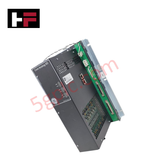
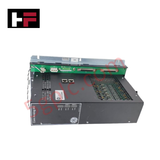
Product Details
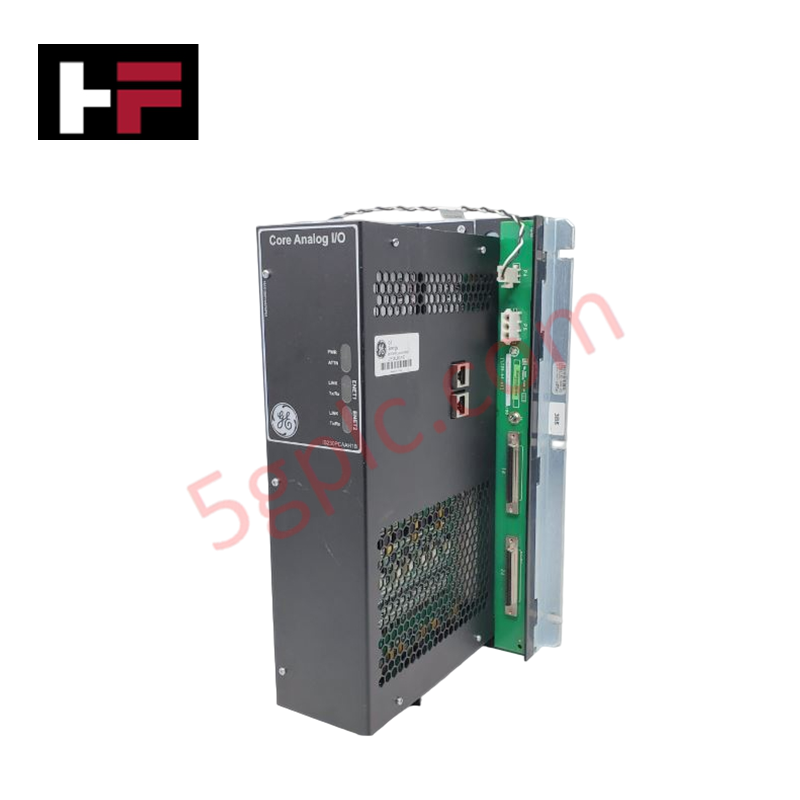
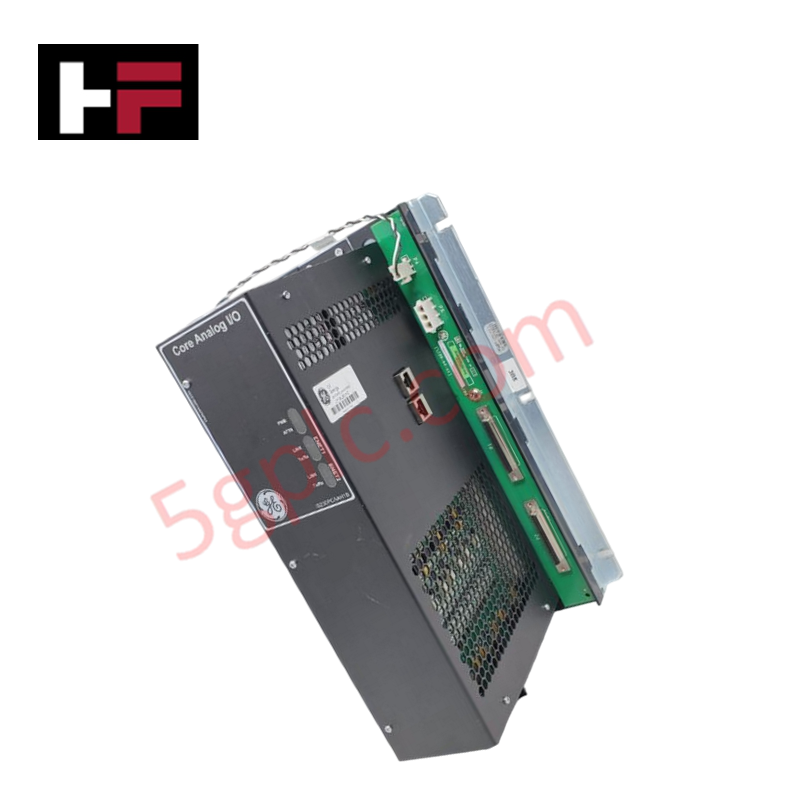
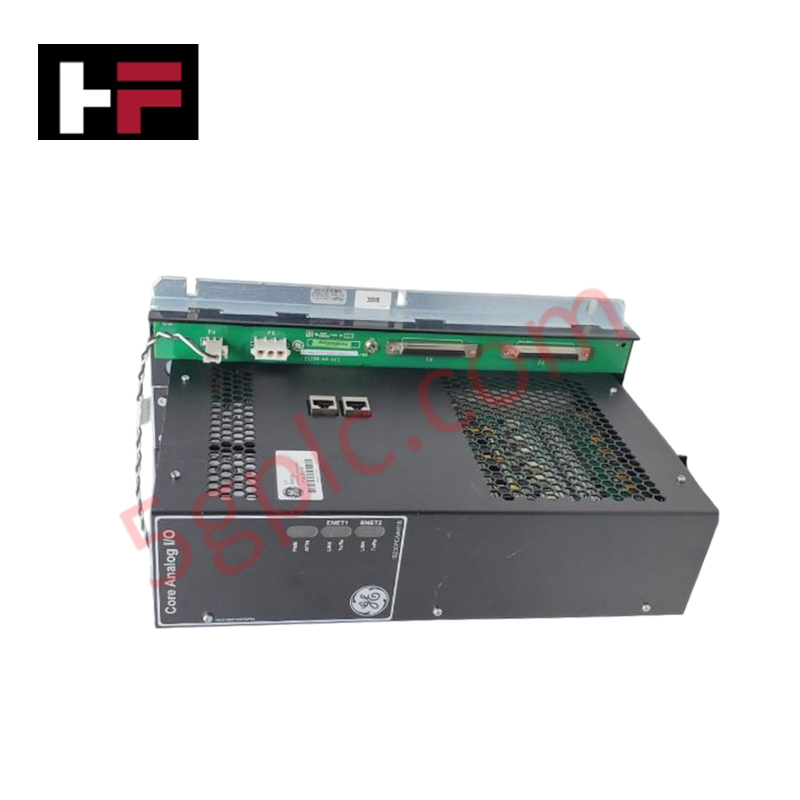
Configured for high-density analog signal processing in Mark VIe distributed control systems, the General Electric IS230PCAAH1B (IS230PCAAH1B I/O Module) provides direct physical/electrical execution of turbine control logic, including LVDT excitation, thermocouple monitoring, and servo coil output regulation.
Hardware Specifications
| Parameter | Specification |
|---|---|
| Model | IS230PCAAH1B |
| Brand | General Electric |
| Origin | U.S.A |
| Weight | Not specified |
| Dimensions | 33.02 cm H x 17.8 cm W |
| Operating Temp | -30 deg C to 65 deg C |
| Power Consumption | Not specified |
| Inputs | 25 total analog inputs |
| Output Range | 4-20 mA current loop and servo driver |
| Supply Voltage | 28 V dc +/- 5% |
Industrial Control and Firmware Integration
The IS230PCAAH1B operates within the Mark VIe I/O network to support complex analog interfaces. The module utilizes deterministic communication links to handle I/O density scaling across simplex, dual, and TMR configurations. Firmware flash compatibility is maintained to synchronize signal processing for LVDT excitation, thermocouple inputs, and servo-loop control. The module architecture is designed for integration with TCAT terminal boards, where signal fan-out is managed across single or multi-module PCAA stacks. Precise signal conversion is maintained for 0-10 V dc inputs and servo driver outputs, ensuring stability within the defined accuracy tolerances across the specified thermal operating range.
Frequently Asked Questions (FAQ)
Q: Can the IS230PCAAH1B be utilized in TMR (Triple Modular Redundant) system configurations?
A: Yes, the PCAA module is engineered for compatibility with simplex, dual, and TMR architectures, allowing for multi-module signal redundancy.
Q: How is the shield grounding managed for this module?
A: Shield grounding and 24 V field power are terminated at the adjacent JGPA board, which provides the necessary common-point ground connection for the signal cabling.
Field Installation Guidelines
- Mechanical Mounting: Mount the module within the designated Mark VIe rack, ensuring proper alignment with the backplane connectors. Verify that the TCAT terminal board is correctly linked for signal fan-out.
- Electrical Termination: Connect the 28 V dc supply to the designated input pins. Ensure the voltage is maintained within the +/- 5% tolerance to prevent erratic LVDT excitation or servo-driver output deviations.
- Signal Cabling: Use shielded cabling for all thermocouple and LVDT inputs. Terminate shields at the JGPA board to prevent electromagnetic interference (EMI) from affecting the analog measurement accuracy.
- Verification: Following installation, perform a diagnostic check via the control software to verify that the PCAA module is communicating correctly with the TCAT/TCAS terminal boards and that all analog channels report values within expected operational ranges.
Additional Information
- 100% Genuine Parts: All products are original and authentic, ensuring reliable industrial performance.
- 30-Day Refund Guarantee: Return any in-stock item within 30 days in original, unopened packaging for a full refund (excluding shipping and fees).
- 12-Month Warranty: Covers defects in materials or workmanship; excludes misuse, normal wear, or unauthorized modifications.
- Worldwide Shipping: We ship via USPS, UPS, FedEx, and DHL. Delivery times vary by country and may be subject to customs or import fees.
- Support & Contact: Technical and warranty assistance is available anytime. Contact us here: Contact.
- Purchase Guidance: Check product specifications and compatibility carefully before ordering to ensure proper application.


Tech & Buying Guide

Marshalling Cabinet Preventive Maintenance: Essential Healthiness Checks for PLC, DCS, and ESD Systems
Marshalling cabinets serve as the vital interface between field instrumentation and control room electronics in modern process facilities. Regular preventive maintenance of these cabinets ensures signal integrity across programmable logic controllers (PLCs), distributed control systems (DCS), and emergency shutdown (ESD) networks. System technicians must execute structured inspection protocols to mitigate environmental risks, identify loose wiring, and maintain continuous operational readiness.

Spatial Computing in Industrial Automation: Elevating PLC and DCS Operations with AR and VR
Industry 4.0 integrates digital intelligence into field operations, transforming factory automation landscapes worldwide. Spatial technologies—specifically Augmented Reality (AR) and Virtual Reality (VR)—redefine how engineers interact with industrial control systems. By bridging computer-generated CAD models with real-time operational technology (OT) data, immersive displays enable intuitive monitoring, rapid diagnostics, and safer maintenance across complex processing facilities.

Master Acceptance Testing: Understanding FAT and SAT in Industrial Control Systems
Factory Acceptance Testing (FAT) and Site Acceptance Testing (SAT) serve as critical quality assurance gateways in complex industrial control systems. Both procedures verify that programmable logic controllers (PLCs), distributed control systems (DCS), and associated field devices meet strict functional specifications. However, executing these tests effectively requires clear delineation between off-site staging and final field commissioning.