










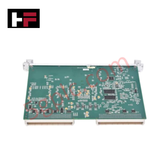
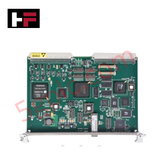
Product Details
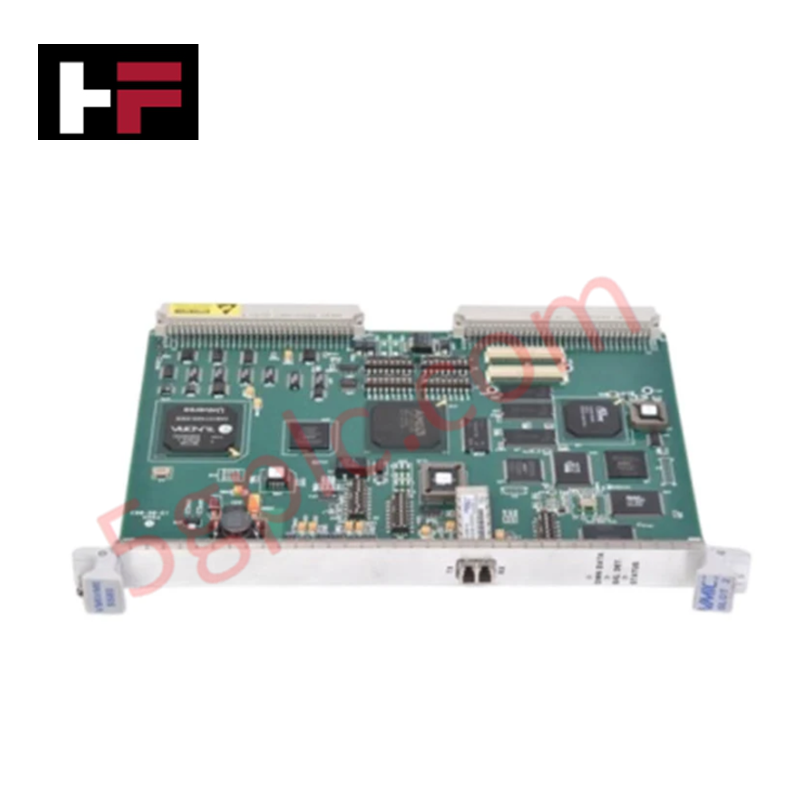
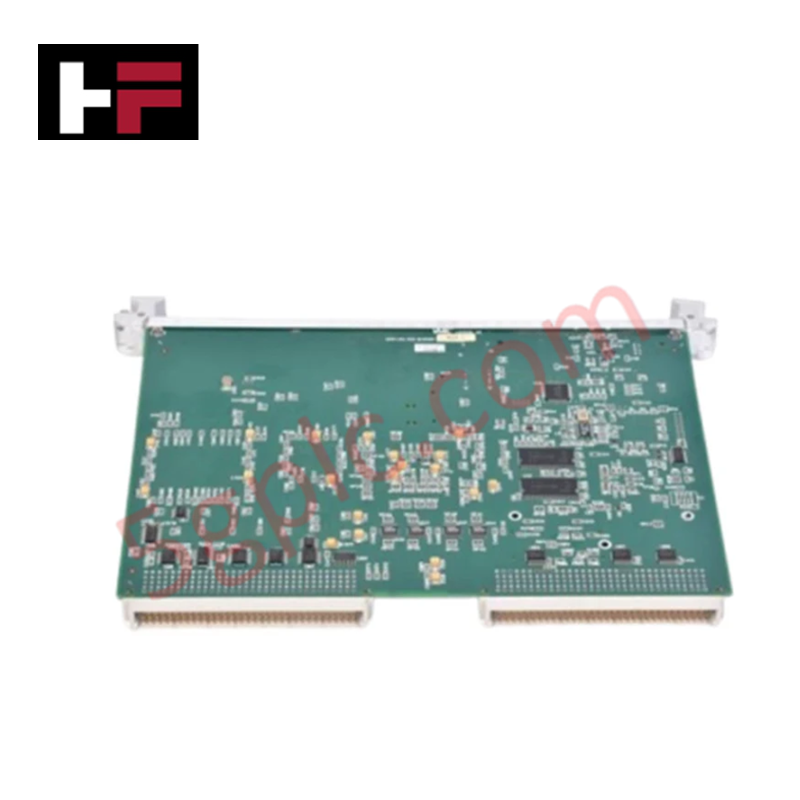
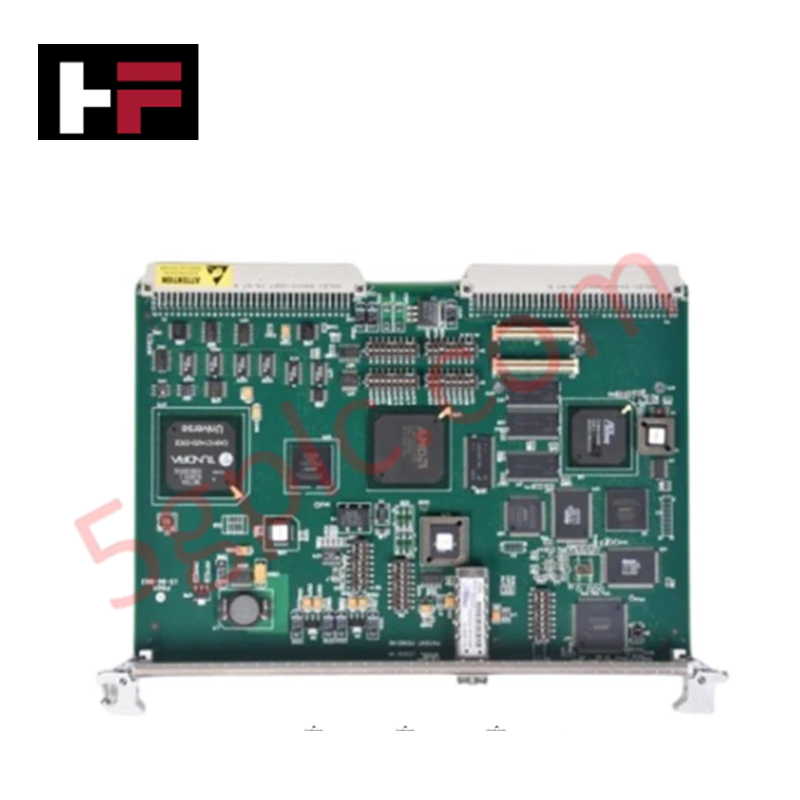
Configured for deterministic, high-speed shared memory communication in VMEbus-based networks, the GE VMIVME-5565-110000 (VMIVME-5565 Reflective Memory Node Card) provides direct physical/electrical execution of real-time data mirroring across distributed nodes via optical ring topology.
Hardware Specifications
| Parameter | Specification |
|---|---|
| Model | VMIVME-5565-110000 |
| Brand | GE (GE Fanuc / VMIC) |
| Origin | USA |
| Dimensions | Standard VMEbus form factor |
| Operating Temp | Standard industrial ambient |
| Serial Connection Speed | 2.12 Gbaud |
| On-board SRAM | 128 MB or 256 MB |
| Packet Size | 4 to 64 Bytes (Dynamic) |
Industrial Control Deterministic Network
The VMIVME-5565-110000 utilizes a high-speed optical ring for deterministic data propagation, ensuring low-latency updates regardless of the host operating system or secondary bus structures. The board eliminates software overhead by offloading data transmission to the onboard Reflective Memory node controller; write operations to the local SRAM are automatically broadcast across the fiber-optic network. Integration into VME environments requires compliance with bus master protocols and verification of backplane bus communication velocity to maintain synchronization across all nodes. The module supports interrupt transfers for any node, facilitating event-driven response within the distributed memory space.
Frequently Asked Questions
Q: Does the VMIVME-5565 support hot-swapping within the VME chassis?
A: No. The VMIVME-5565-110000 is not designed for hot-swap operations. The VME chassis must be de-energized before inserting or removing the card to prevent electrical damage to the backplane connectors and onboard active components.
Q: How does the card handle fiber-optic signal loss or node failure?
A: The card supports optional node bypass functionality to maintain ring integrity in the event of local node power failure or fiber break. Ensure that the bypass jumpers are correctly configured according to the network requirements to prevent entire network segment failure.
Field Installation Guidelines
- Optical Interface: Ensure the fiber-optic connectors are clean and free of contaminants. Use standard fiber cleaning tools before mating cables. Secure the fiber cables to minimize vibration at the port interface.
- Grounding: Ensure the VME chassis is correctly earth-grounded. The card relies on the chassis backplane for both power return and common reference potential.
- Configuration: Verify the onboard SRAM capacity (128 MB or 256 MB) matches the system memory mapping requirements. Ensure that node addressing and interrupt levels are set to avoid contention with other modules on the VME backplane.
- Cable Routing: Route fiber-optic cables through protected conduits, ensuring that the minimum bend radius is maintained to prevent signal attenuation or fiber stress.
Additional Information
- 100% Genuine Parts: All products are original and authentic, ensuring reliable industrial performance.
- 30-Day Refund Guarantee: Return any in-stock item within 30 days in original, unopened packaging for a full refund (excluding shipping and fees).
- 12-Month Warranty: Covers defects in materials or workmanship; excludes misuse, normal wear, or unauthorized modifications.
- Worldwide Shipping: We ship via USPS, UPS, FedEx, and DHL. Delivery times vary by country and may be subject to customs or import fees.
- Support & Contact: Technical and warranty assistance is available anytime. Contact us here: Contact.
- Purchase Guidance: Check product specifications and compatibility carefully before ordering to ensure proper application.


Tech & Buying Guide

Mastering the Siemens PLC Scan Cycle: How the CPU Executes Automation Programs
Industrial automation relies heavily on programmable logic controllers (PLCs) to manage complex manufacturing processes. Many engineers dive straight into programming without mastering the underlying architecture. However, understanding how a PLC CPU executes a program ensures reliable system design. Therefore, mastering the scan cycle optimizes both performance and troubleshooting in modern control systems.

How to Connect to Siemens S7 PLCs: 5 Essential Communication Methods
Establishing a reliable hardware link between a programming terminal and a Siemens SIMATIC controller is essential for engineering workflows. Field engineers rely on distinct physical layers, ranging from legacy serial connections to high-speed Industrial Ethernet protocols. Modern factory automation environments prioritize fast data transfer and seamless driver integration. Selecting the correct connection method simplifies program downloads, online monitoring, and system troubleshooting in complex control systems.

Will PLCs Become Obsolete? The Future of Control Systems in Industry 4.0
Modern manufacturing is undergoing a rapid technological transformation driven by Industry 4.0 innovations. Technologies like Artificial Intelligence (AI), Machine Learning (ML), and the Industrial Internet of Things (IIoT) are dominating discussions across the factory automation sector. Consequently, many engineers wonder if these advanced digital tools will eventually replace traditional Programmable Logic Controllers (PLCs). However, evaluating the core physics of industrial operations reveals a very different reality for control systems.