Product Details
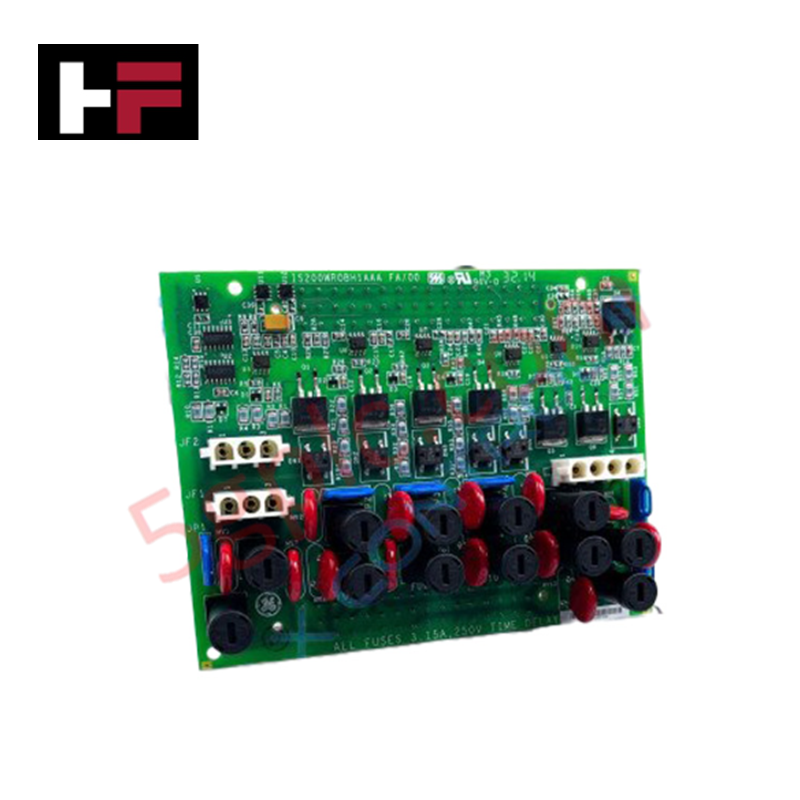
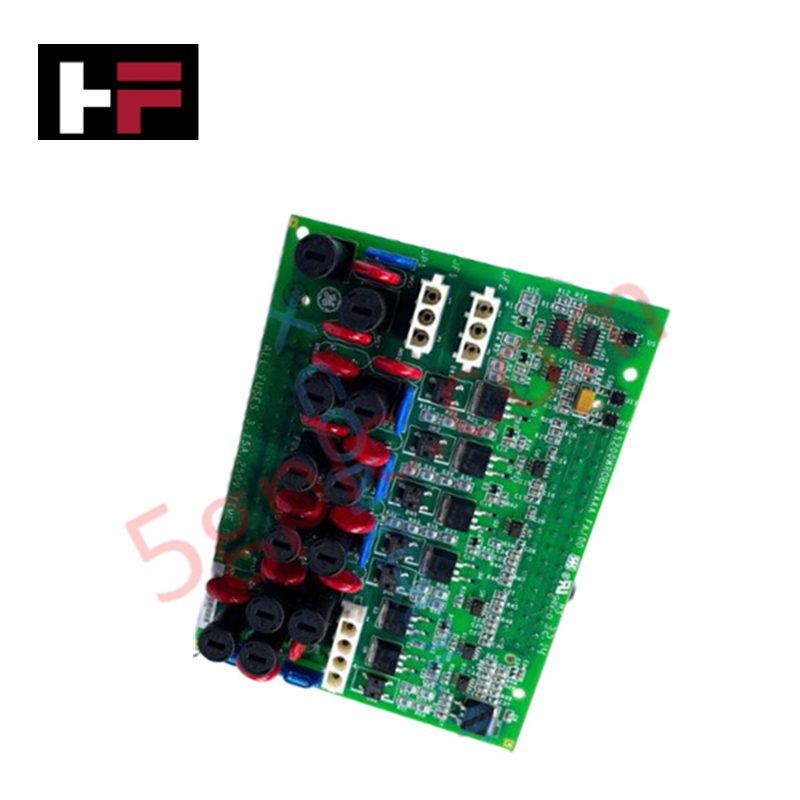
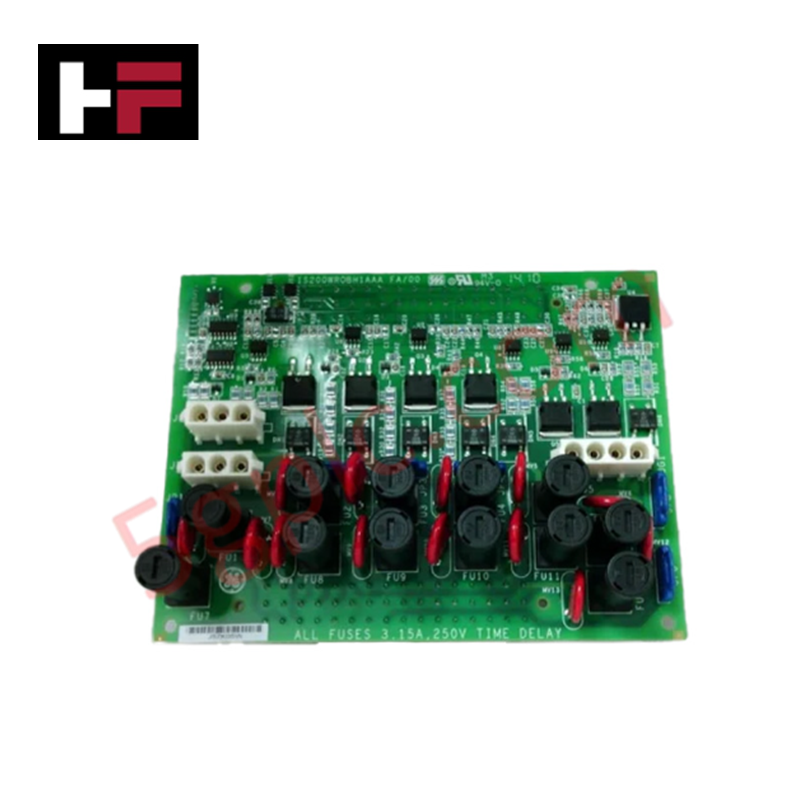
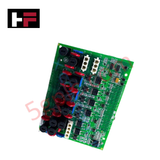
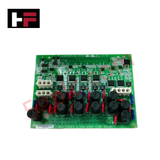
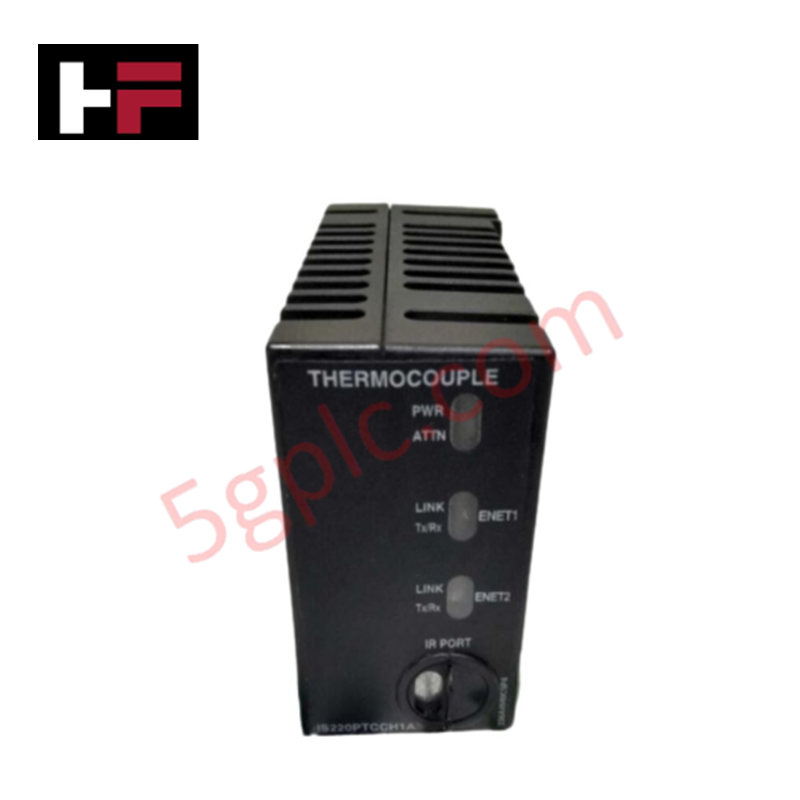
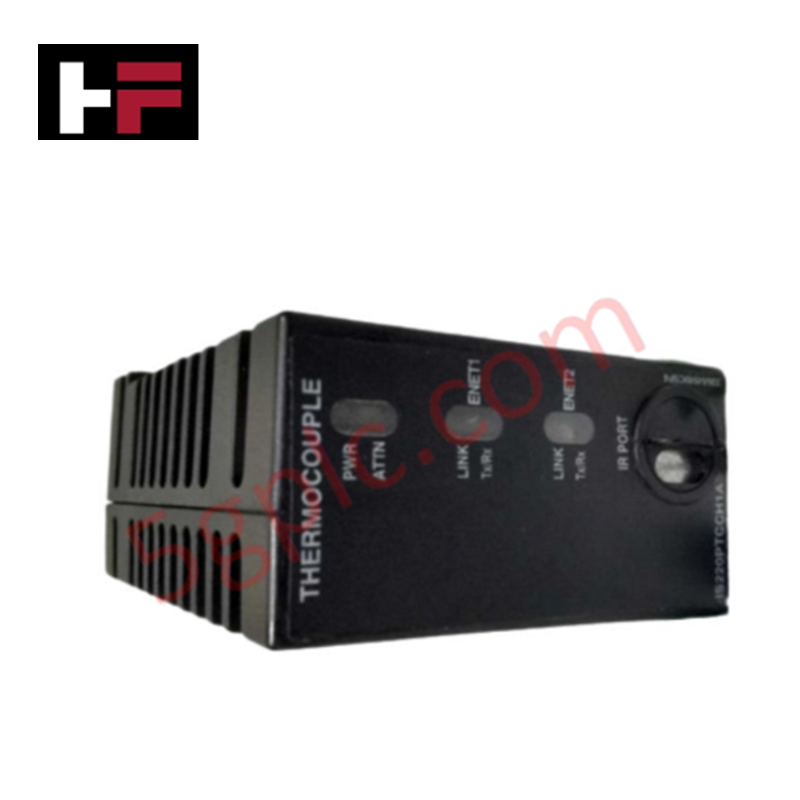
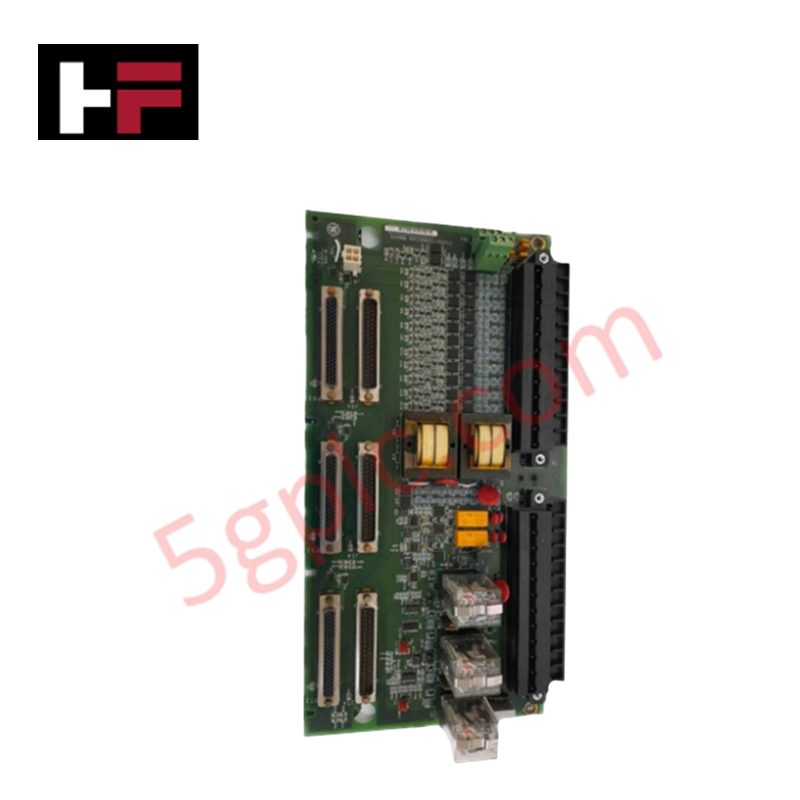
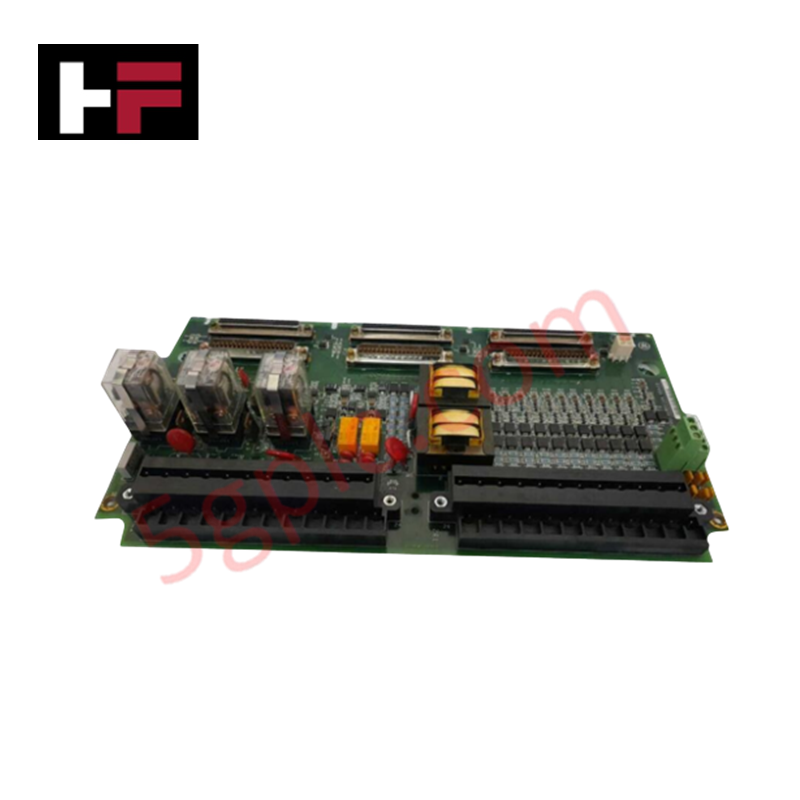
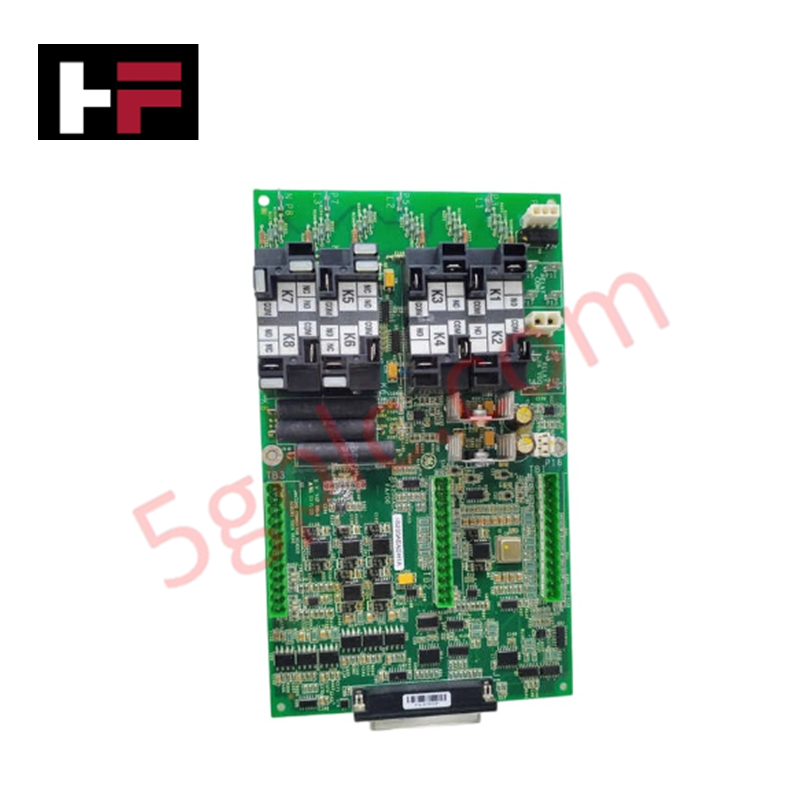
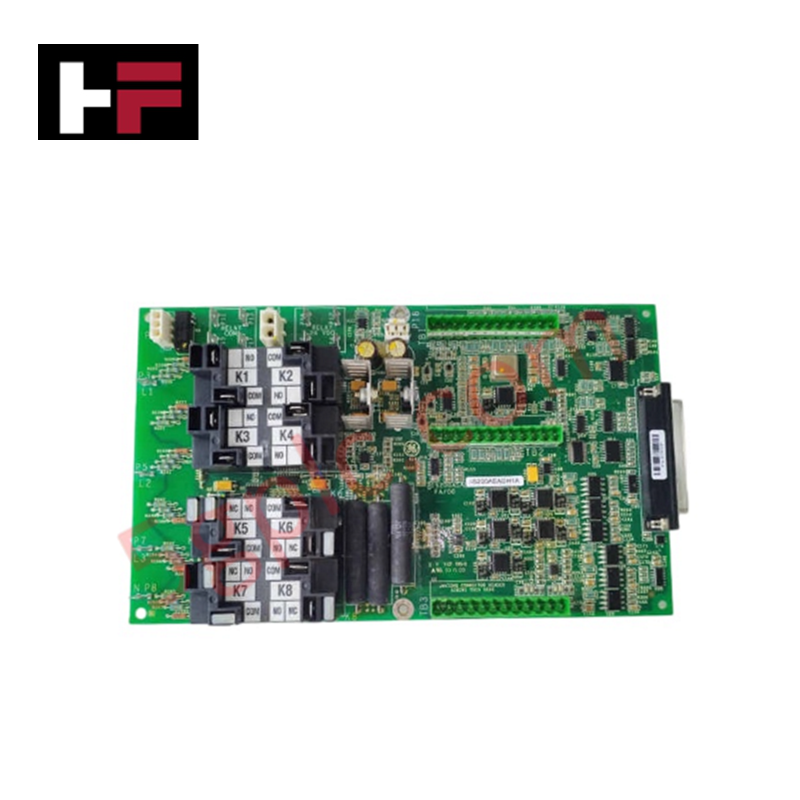
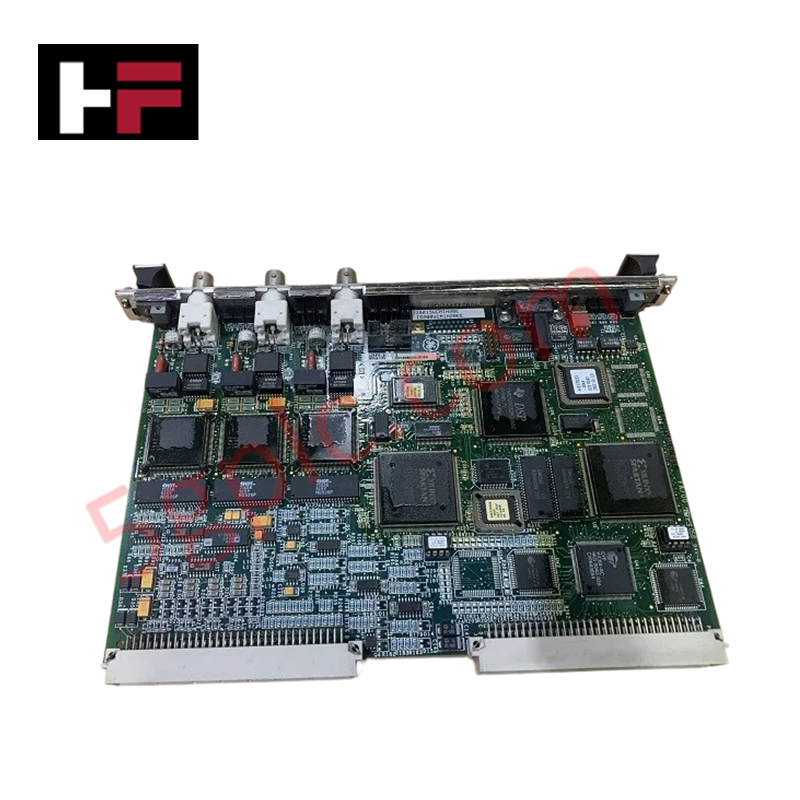
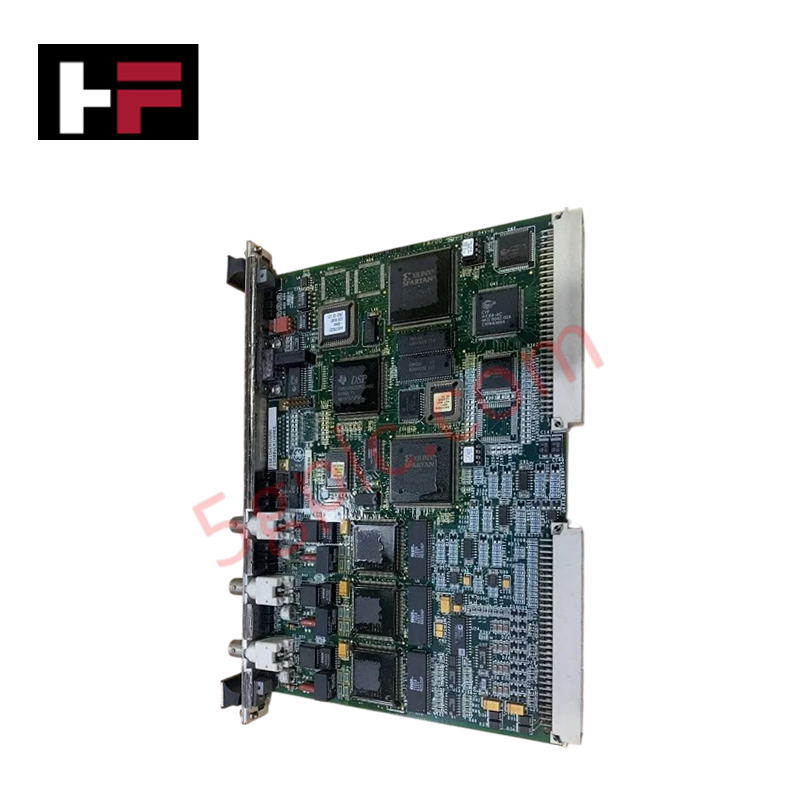
Configured for power distribution and circuit monitoring in Mark VI control platforms, the GE IS200WROBH1A (IS200WROBH1A Power Distribution Board) provides direct physical execution of branch circuit protection and feedback sensing. This hardware component serves as the primary WROB card utilized to execute current distribution and fuse monitoring across cabinet-level power management architectures.
Hardware Specifications
| Parameter | Specification |
|---|---|
| Model | IS200WROBH1A |
| Brand | GE |
| Origin | United States |
| Weight | Not specified |
| Dimensions | Standard PDM board form factor |
| Operating Temp | Standard industrial ambient range |
| Power Consumption | 125 V dc / 120-240 V ac system-dependent |
| Fuse Capacity | 12 x 3.15 A (rated 500 V ac / 400 V dc) |
Backplane Bus Communication and Deterministic Networks
The IS200WROBH1A integrates into the Power Distribution Module (PDM) to provide granular control over branch circuits within the Mark VI cabinet. The board features twelve onboard fuses, each rated for 3.15 A, to protect downstream instrumentation and control elements. Unlike the PPDA I/O pack, the WROB card utilizes autonomous feedback methods to report circuit status, ensuring that diagnostic data regarding fuse integrity is captured independently. Firmware flash compatibility and backplane bus communication velocity are coordinated through the PDM assembly to align with the overall system redundancy level, whether operating in simplex, dual, or TMR configurations. Proper management of these sensing circuits is required to ensure that fault detection remains deterministic during cabinet-level power transient events.
Frequently Asked Questions
Q: Does the IS200WROBH1A allow for hot-swapping individual fuses while the system is powered?
A: No. Although the fuses protect the circuit, the board itself should be isolated from the power source before attempting to replace fuses to prevent short-circuiting live rails or inducing noise into the power sensing feedback lines.
Q: Is the WROB feedback signal integrated into the PPDA I/O pack?
A: No. The IS200WROBH1A utilizes independent feedback methods to monitor the twelve branch circuits. These signals must be wired to the appropriate controller inputs according to the specific cabinet wiring diagrams.
Field Installation Guidelines
- Mounting: Ensure the board is properly seated within the PDM housing. Verify that the mounting hardware is secured to maintain a low-impedance ground path to the cabinet backplane.
- Wiring: Input and output connections must be routed according to the branch circuit layout. Ensure that wires connected to the fuse terminals are sized correctly for the 3.15 A rating to prevent excessive voltage drop or overheating.
- Fuse Maintenance: Only replace blown fuses with components matching the original 3.15 A, 500 V ac / 400 V dc specification. Using incorrect fuse ratings will compromise the protection scheme and may lead to component damage.
- Feedback Verification: Following installation, verify that the independent power sensing feedback signals are correctly mapping to the controller software inputs using the ToolboxST application.
Additional Information
- 100% Genuine Parts: All products are original and authentic, ensuring reliable industrial performance.
- 30-Day Refund Guarantee: Return any in-stock item within 30 days in original, unopened packaging for a full refund (excluding shipping and fees).
- 12-Month Warranty: Covers defects in materials or workmanship; excludes misuse, normal wear, or unauthorized modifications.
- Worldwide Shipping: We ship via USPS, UPS, FedEx, and DHL. Delivery times vary by country and may be subject to customs or import fees.
- Support & Contact: Technical and warranty assistance is available anytime. Contact us here: Contact.
- Purchase Guidance: Check product specifications and compatibility carefully before ordering to ensure proper application.
Tech & Buying Guide

Demystifying the 5 Levels of Industrial Automation Architecture
Modern manufacturing relies on structured communication hierarchy to bridge physical shop-floor hardware with enterprise management software. This framework, commonly known as the Automation Pyramid, establishes how data flows between field devices, logic controllers, and corporate IT networks. Understanding these five distinct levels helps engineers and plant managers optimize system operations, reduce downtime, and implement seamless factory automation solutions.

Transforming Shop Floor Data into Actionable Insights: A Deep Dive into MES
Manufacturing Execution Systems serve as the digital backbone of modern factory floors. Positioned at Level 3 of the ISA-95 automation pyramid, MES links enterprise resource planning with real-time shop floor control systems. Today, industrial operators rely on MES software to bridge operational strategy with physical production execution.