










Product Details
Overview
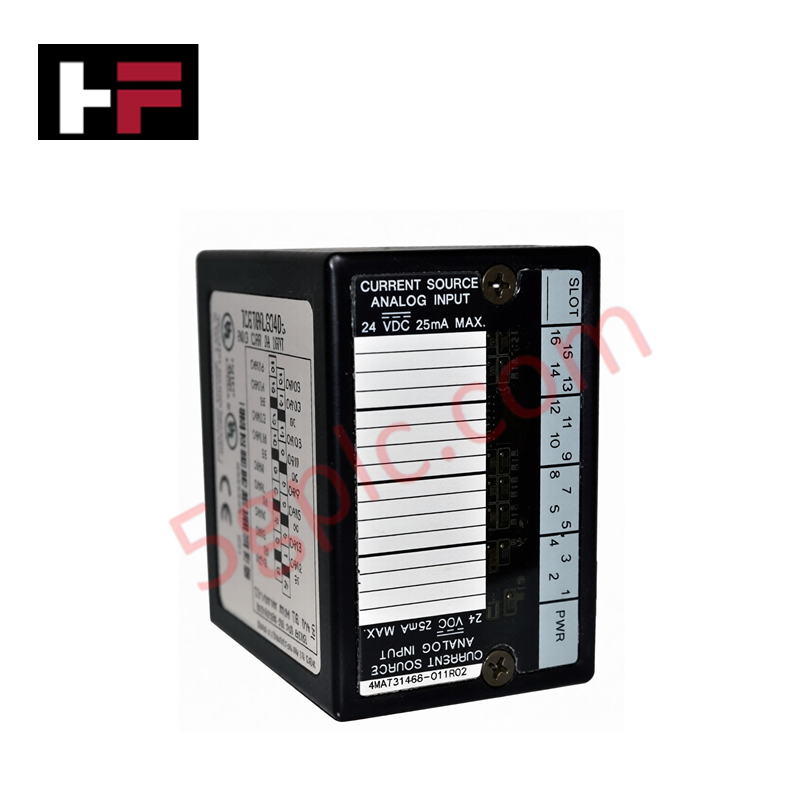
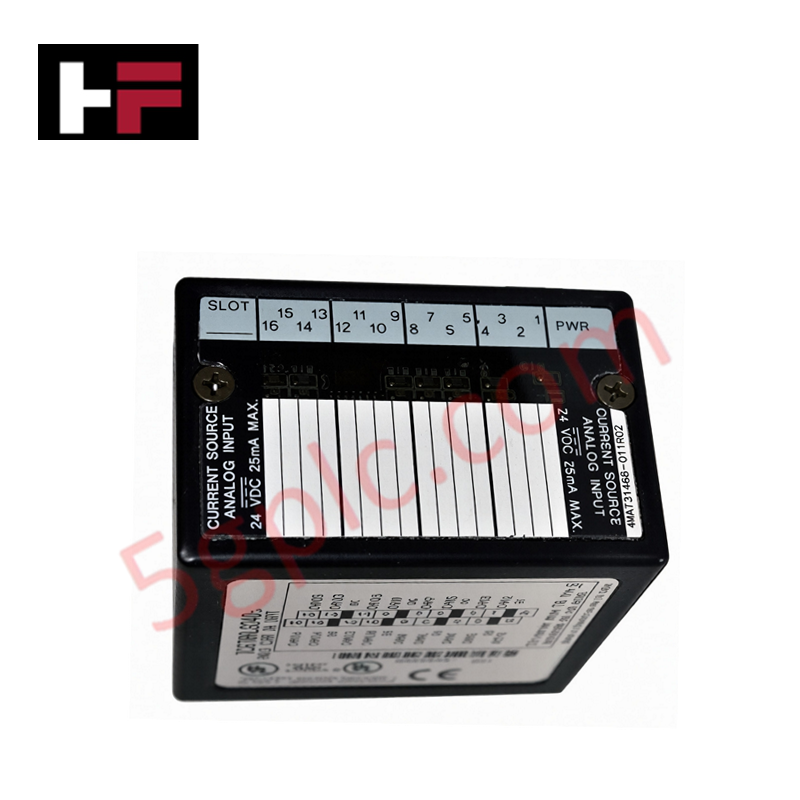
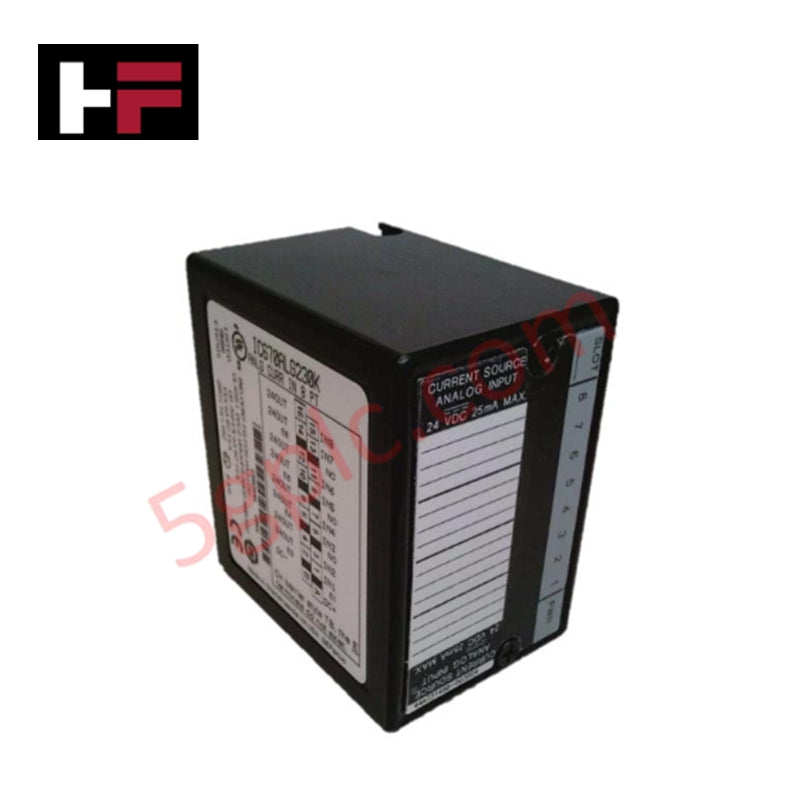
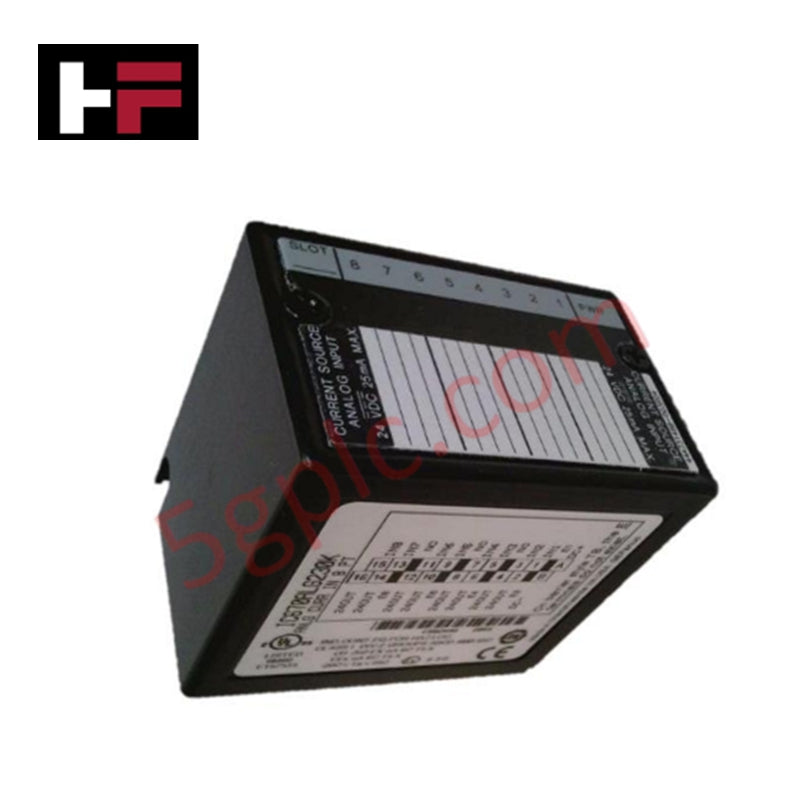
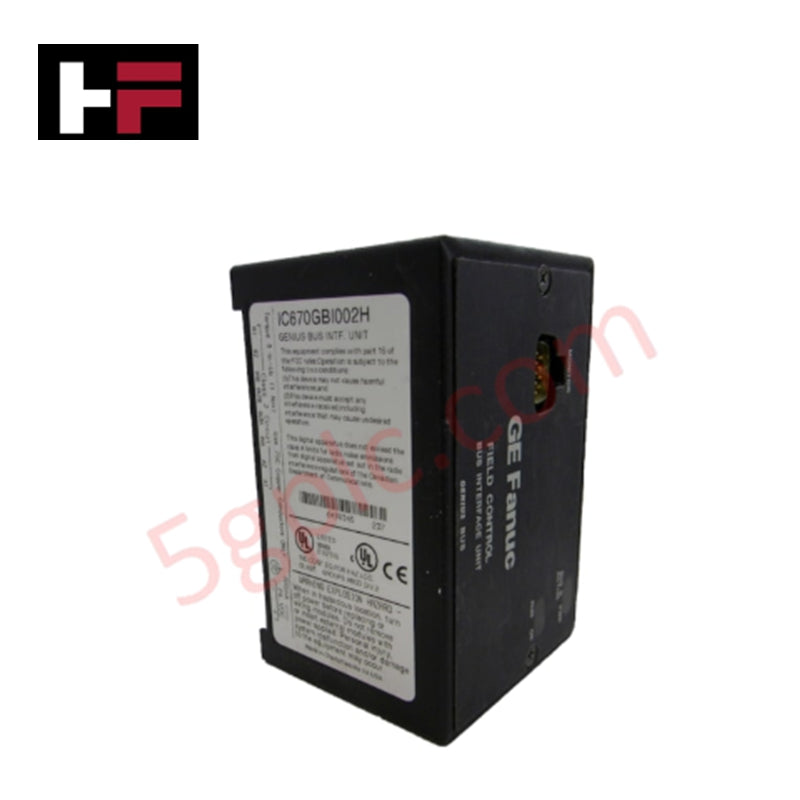
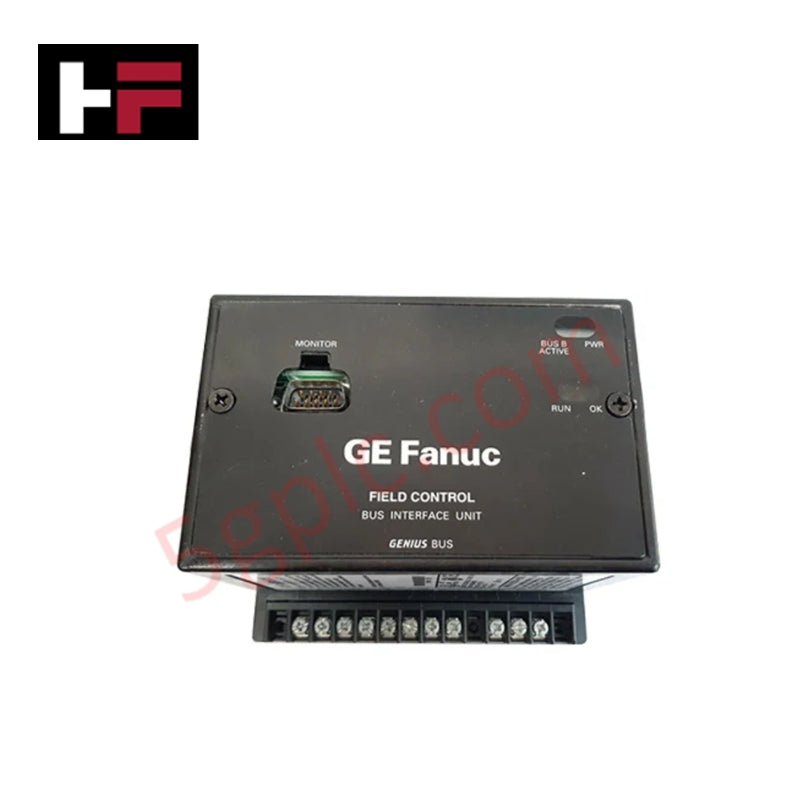
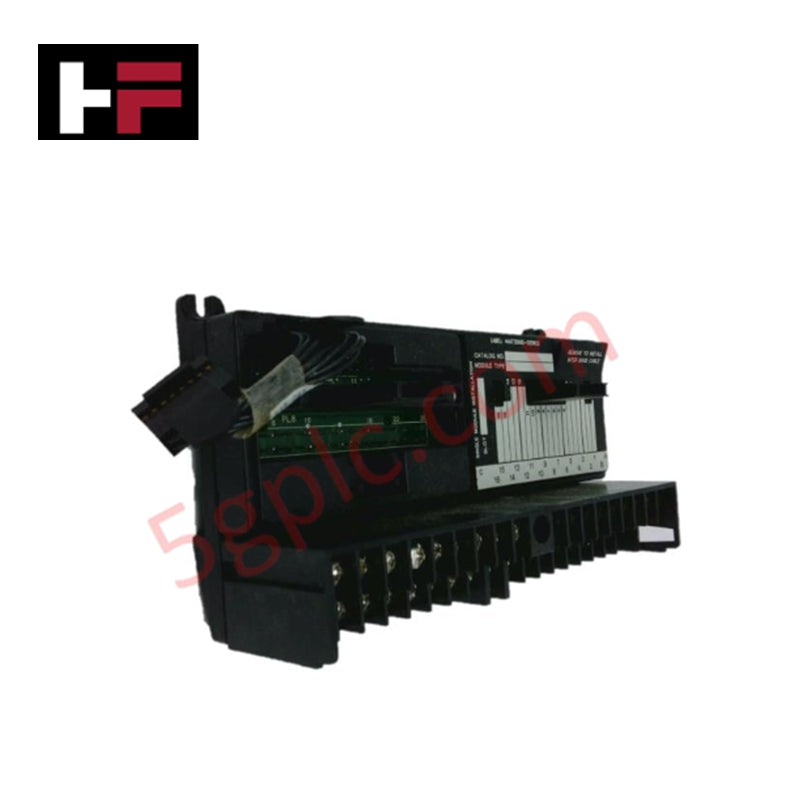
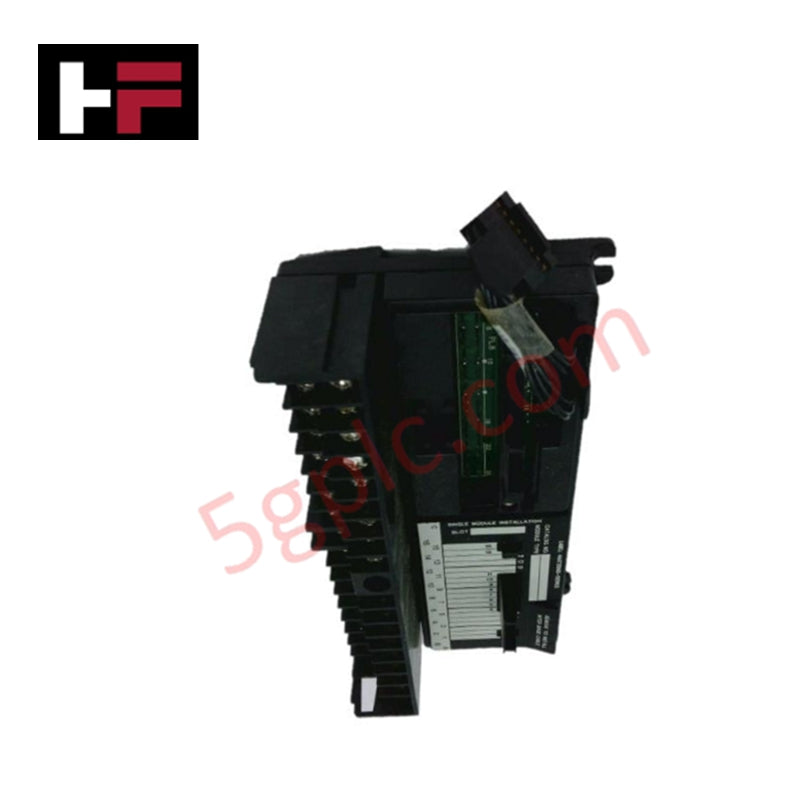
The IC670ALG240-CB from GE Fanuc is a high-performance 16-channel analog input module designed to convert industrial current loop signals (0–25 mA) into digital data for Field Control systems. It supports precise signal measurement, field calibration, and advanced diagnostics to ensure reliable monitoring in automation environments. This module is ideal for process control, manufacturing, and energy management systems requiring accurate current measurement and fault detection.
Technical Specifications
-
Model Number: IC670ALG240-CB
-
Manufacturer: GE Fanuc
-
Series: Field Control
-
Input Channels: 16 single-ended
-
Signal Range: 0–25 mA
-
Resolution: 16-bit (unscaled)
-
Converter LSB Weight: 381 nA typical
-
Overrange Capability: Up to 35 mA continuous without damage
-
Input Impedance: 250 Ω
-
Power Supply for Current Loops: 20–28 V nominal (10% ripple max)
-
BIU Power Draw: 251 mA maximum
-
Nonlinearity: ±1 µA or ±1 LSB
-
Temperature Coefficient: ±0.002% of reading per °C typical
-
Isolation: 1500 VAC for 1 minute, 250 VAC continuous
-
Common Mode Voltage: Not applicable (single-ended design)
-
Filter Type: 2nd-order active RC filter
-
Filter Cutoff Frequency: 10 Hz
-
Normal Mode Rejection: 25 dB (10 ms), 50 dB (20 ms)
-
Common Mode Rejection: Minimum 86 dB
-
Operating Temperature: 0 °C to +55 °C
-
Storage Temperature: -40 °C to +85 °C
-
Indicators:
-
ON: Module operating normally
-
Flashing: Diagnostic mode (inputs not updating)
-
OFF: Power loss or critical fault
Key Features
-
16 isolated analog current inputs for precise data acquisition
-
Supports both field recalibration and custom alarm threshold configuration
-
Integrated software and hardware filtering for noise suppression
-
Wide input range and overcurrent protection up to 35 mA
-
LED-based diagnostics for quick fault identification
-
Compact, durable module suitable for harsh industrial environments
Applications
The IC670ALG240-CB is suitable for:
-
Process automation and current signal monitoring
-
Energy and utilities instrumentation
-
Factory equipment control systems
-
Industrial current loop measurement in distributed I/O setups
FAQ
Q: What signal range does IC670ALG240-CB support?
A: The module measures 0–25 mA current loop inputs and can tolerate up to 35 mA continuous current.
Q: Is recalibration supported in the field?
A: Yes, the module supports field recalibration for enhanced accuracy.
Q: How does it indicate diagnostic faults?
A: LED indicators show power, normal operation, or diagnostic status (flashing).
Q: Can this module be integrated with existing Field Control systems?
A: Yes, it is fully compatible with GE Fanuc Field Control I/O platforms.
Additional Information
- 100% Genuine Parts: All products are original and authentic, ensuring reliable industrial performance.
- 30-Day Refund Guarantee: Return any in-stock item within 30 days in original, unopened packaging for a full refund (excluding shipping and fees).
- 12-Month Warranty: Covers defects in materials or workmanship; excludes misuse, normal wear, or unauthorized modifications.
- Worldwide Shipping: We ship via USPS, UPS, FedEx, and DHL. Delivery times vary by country and may be subject to customs or import fees.
- Support & Contact: Technical and warranty assistance is available anytime. Contact us here: Contact.
- Purchase Guidance: Check product specifications and compatibility carefully before ordering to ensure proper application.
Tech & Buying Guide

Preventing Emergency Stop Spurious Trips in Industrial Control Systems
Emergency Stop pushbuttons use Normally Closed contacts for fail-safe safety, but mechanical wear can cause costly spurious trips. This technical guide examines E-Stop contact failure root causes, redundant hardware setups, PLC logic monitoring, and maintenance strategies to maximize plant availability.

Why 24V DC Is the Universal Standard for Industrial Automation Power Supplies
Industrial manufacturing requires continuous uptime to prevent equipment damage. Unlike AC power, 24V DC circuits seamlessly integrate with UPS units and battery banks. During main grid failures, a 24V DC backup system instantly maintains PLC memory, instrument loops, and critical safety valves without interruption.

Site Acceptance Testing (SAT) for PLC Control Systems: An Engineering Execution Guide
The Site Acceptance Test (SAT) represents the definitive handover stage in industrial automation projects. While the Factory Acceptance Test confirms cabinet hardware assembly off-site, the SAT validates real-world performance under live site conditions. Consequently, a structured execution strategy prevents equipment damage and guarantees seamless integration into plant operations.