










Product Details
Product Overview
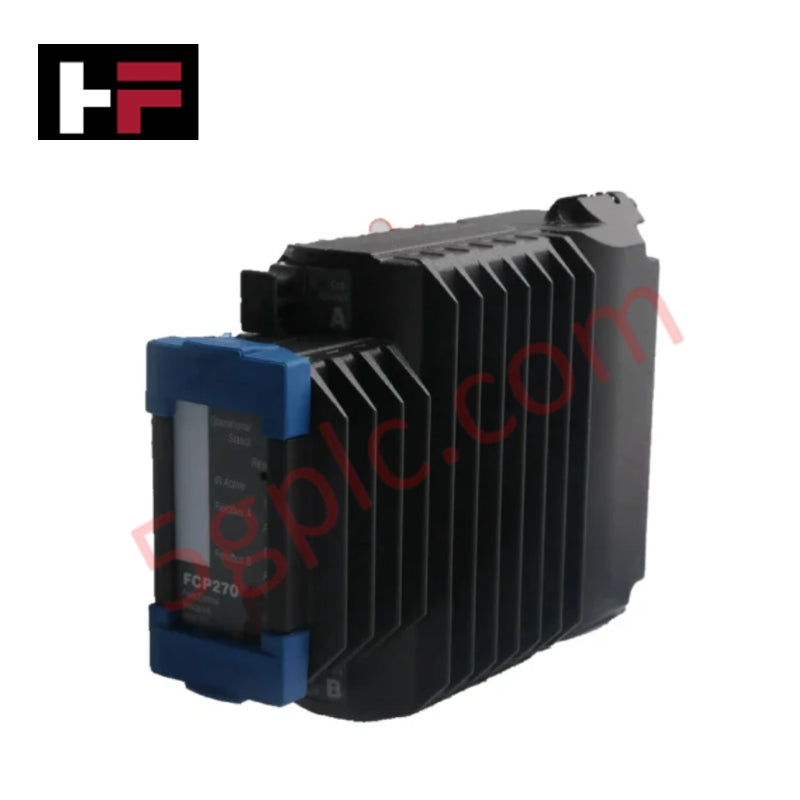
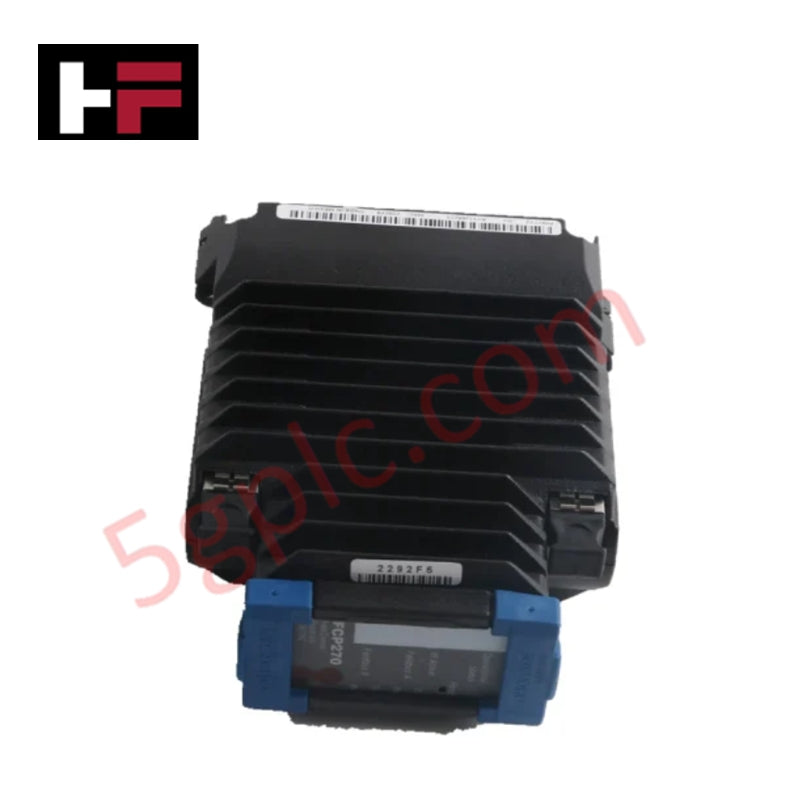
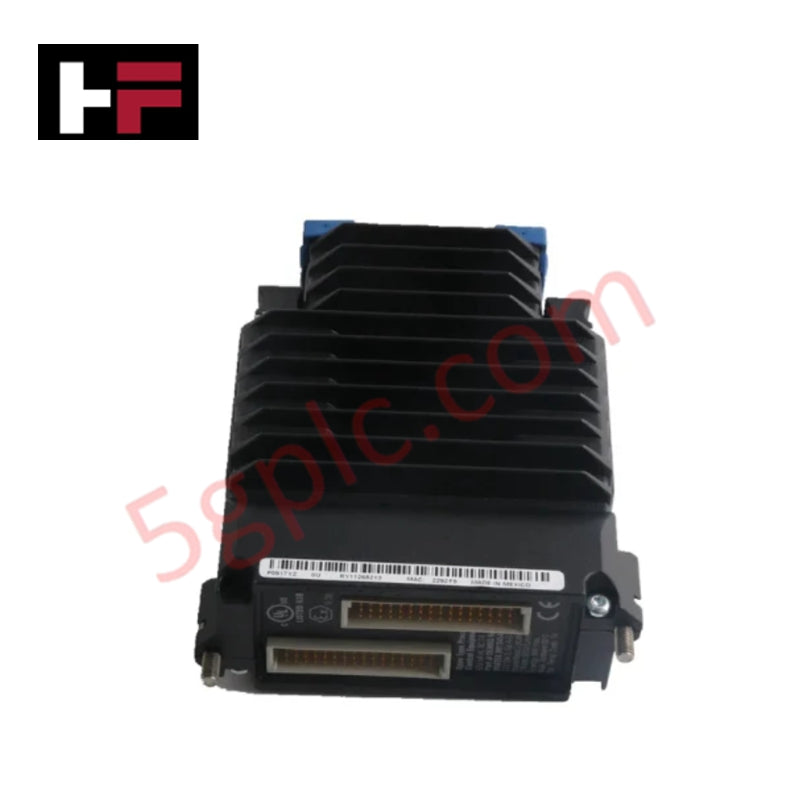
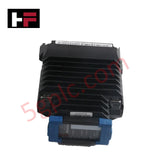
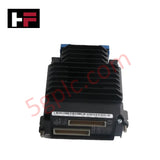
The Foxboro FCP270 P0926MX (Alternative Part Number: 0SC-1801L) functions as a critical passive optical interface within the Foxboro Evo and I/A Series Distributed Control Systems. It facilitates the seamless splitting and combining of optical signals for FCP270 fault-tolerant processor pairs. This kit ensures that both processors in a redundant configuration receive identical data streams simultaneously, maintaining synchronized control logic. We supply this product as 100% Brand New and Original, guaranteeing factory-spec attenuation levels for mission-critical network stability.
Technical Specifications
| Feature | Specification Details |
| Manufacturer | Foxboro (Schneider Electric) |
| Technology | Passive Optical Prism (Non-powered) |
| Wavelength | 850 nm / 1300 nm (Multi-mode) |
| Compatibility | FCP270 Fault-Tolerant Pairs |
| Housing Construction | Industrial-grade EMI/RFI Immune |
| Operating Temp | -20°C to +70°C |
| Storage Temp | -40°C to +85°C |
| Dimensions | 115 mm x 45 mm x 32 mm |
| Weight | 0.22 kg |
Engineering Advantages
The P0926MX addresses specific physical layer challenges in high-availability DCS environments:
-
Zero Latency Signal Distribution: The passive prism technology eliminates electronic processing delays. The hardware splits the light beam at the speed of light, ensuring the standby processor remains perfectly "in-step" with the primary unit.
-
Maintenance-Free Operation: Because this unit requires no external power source, it removes a potential point of failure from the control loop. It operates continuously without firmware updates or electrical components that could fail due to power surges.
-
Superior Signal Integrity: High-precision optical alignment minimizes insertion loss. This low-attenuation design prevents signal "jitter" or data packet loss over extended fiber runs between control cabinets.
-
Environmental Immunity: The industrial-grade housing shields the optical path from electromagnetic interference (EMI) and radio frequency interference (RFI), making it ideal for installation near heavy machinery or high-voltage switchgear.
FAQs
-
Does the P0926MX require a separate power supply? No. The P0926MX utilizes passive optical prism technology. It functions entirely on the light energy provided by the FCP270 fiber ports, requiring no electrical input.
-
Can I use this kit with single-mode fiber systems? This specific model optimizes performance for 850 nm and 1300 nm multi-mode fiber. Using it with single-mode fiber will result in excessive signal loss and potential communication failure.
-
How does the P0926MX facilitate fault tolerance? The kit splits the incoming fieldbus signal into two identical paths. One path feeds the Primary FCP270 while the other feeds the Shadow (Standby) FCP270. This allows the Shadow processor to monitor all inputs in real-time for an instantaneous bumpless transfer if the Primary fails.
-
Is this unit compatible with the 0SC-1801L part number? Yes, the P0926MX and 0SC-1801L are functionally identical. We provide these units in Brand New condition to replace existing worn or damaged optical splitters in Foxboro Evo systems.
Additional Information
- 100% Genuine Parts: All products are original and authentic, ensuring reliable industrial performance.
- 30-Day Refund Guarantee: Return any in-stock item within 30 days in original, unopened packaging for a full refund (excluding shipping and fees).
- 12-Month Warranty: Covers defects in materials or workmanship; excludes misuse, normal wear, or unauthorized modifications.
- Worldwide Shipping: We ship via USPS, UPS, FedEx, and DHL. Delivery times vary by country and may be subject to customs or import fees.
- Support & Contact: Technical and warranty assistance is available anytime. Contact us here: Contact.
- Purchase Guidance: Check product specifications and compatibility carefully before ordering to ensure proper application.


Tech & Buying Guide

Mastering the Siemens PLC Scan Cycle: How the CPU Executes Automation Programs
Industrial automation relies heavily on programmable logic controllers (PLCs) to manage complex manufacturing processes. Many engineers dive straight into programming without mastering the underlying architecture. However, understanding how a PLC CPU executes a program ensures reliable system design. Therefore, mastering the scan cycle optimizes both performance and troubleshooting in modern control systems.

How to Connect to Siemens S7 PLCs: 5 Essential Communication Methods
Establishing a reliable hardware link between a programming terminal and a Siemens SIMATIC controller is essential for engineering workflows. Field engineers rely on distinct physical layers, ranging from legacy serial connections to high-speed Industrial Ethernet protocols. Modern factory automation environments prioritize fast data transfer and seamless driver integration. Selecting the correct connection method simplifies program downloads, online monitoring, and system troubleshooting in complex control systems.

Will PLCs Become Obsolete? The Future of Control Systems in Industry 4.0
Modern manufacturing is undergoing a rapid technological transformation driven by Industry 4.0 innovations. Technologies like Artificial Intelligence (AI), Machine Learning (ML), and the Industrial Internet of Things (IIoT) are dominating discussions across the factory automation sector. Consequently, many engineers wonder if these advanced digital tools will eventually replace traditional Programmable Logic Controllers (PLCs). However, evaluating the core physics of industrial operations reveals a very different reality for control systems.