








Product Details
Product Overview
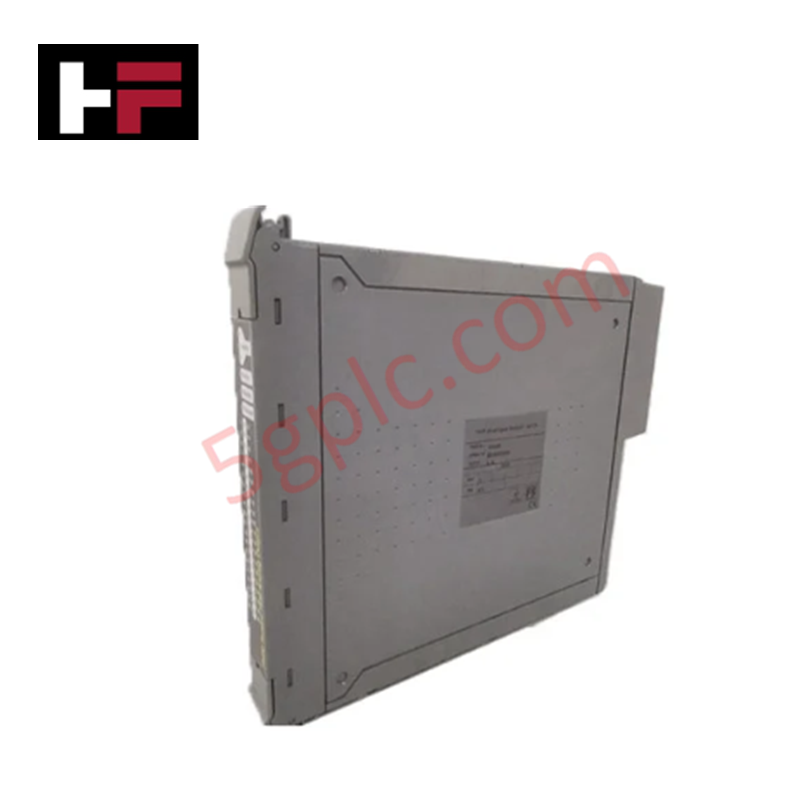
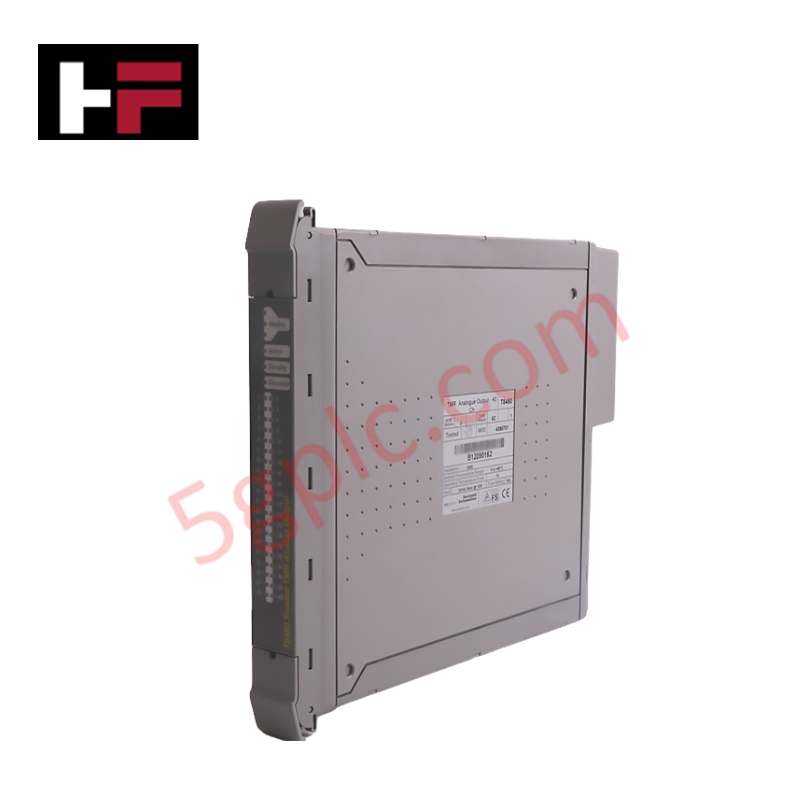
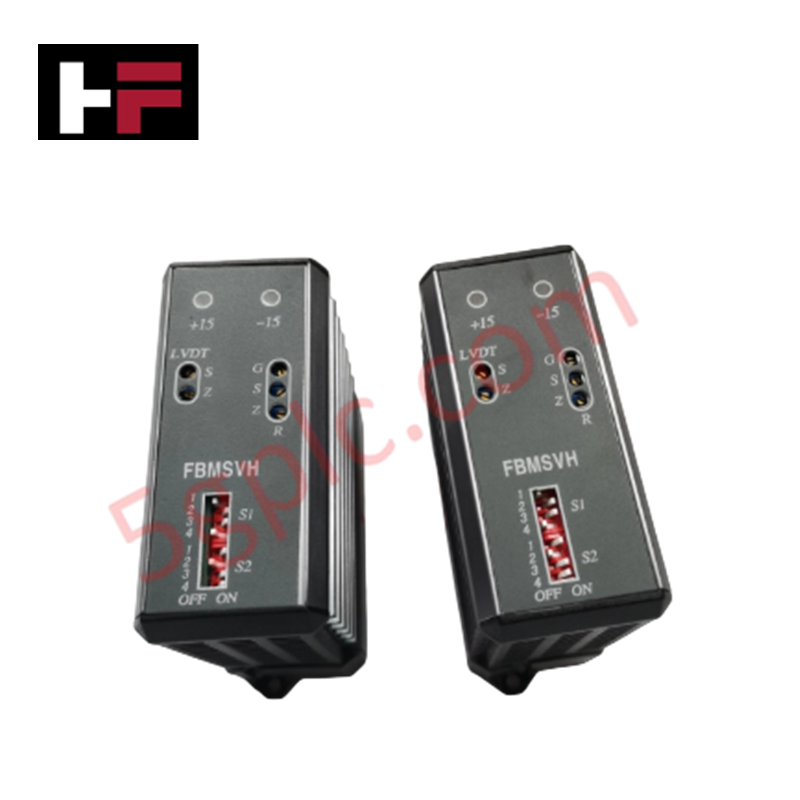
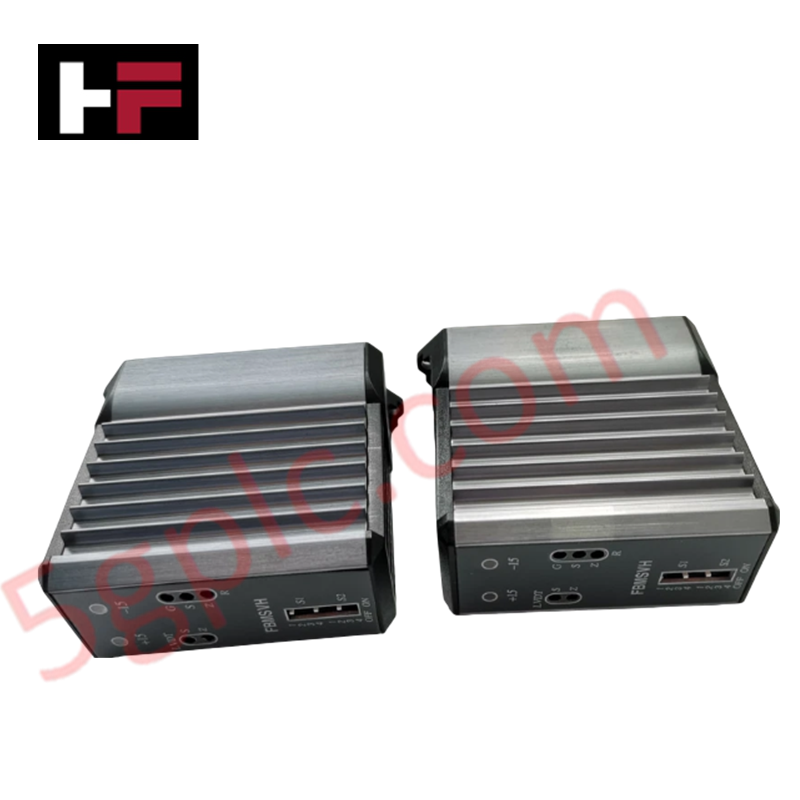
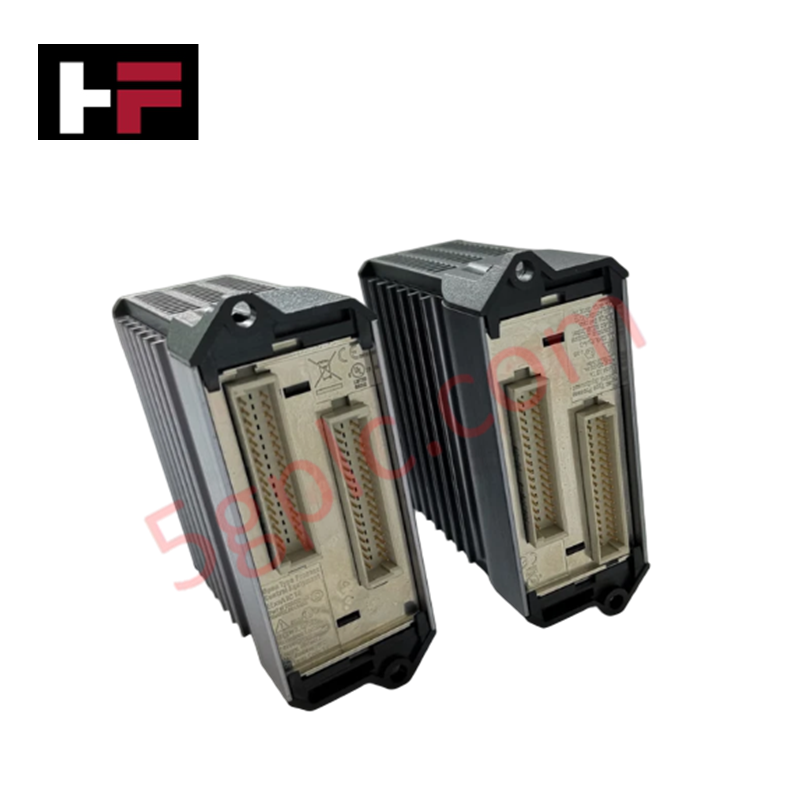
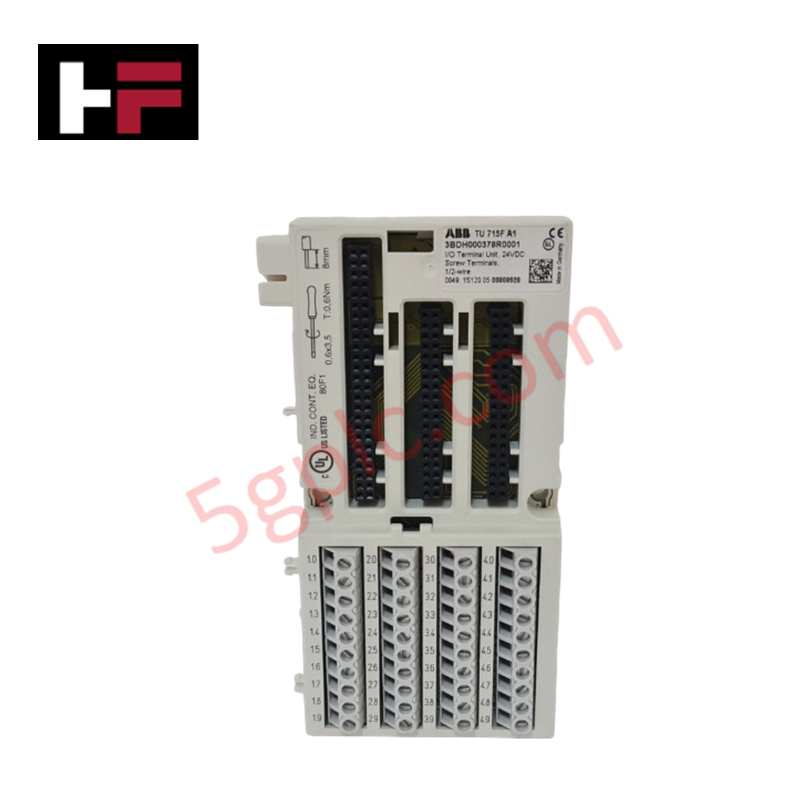
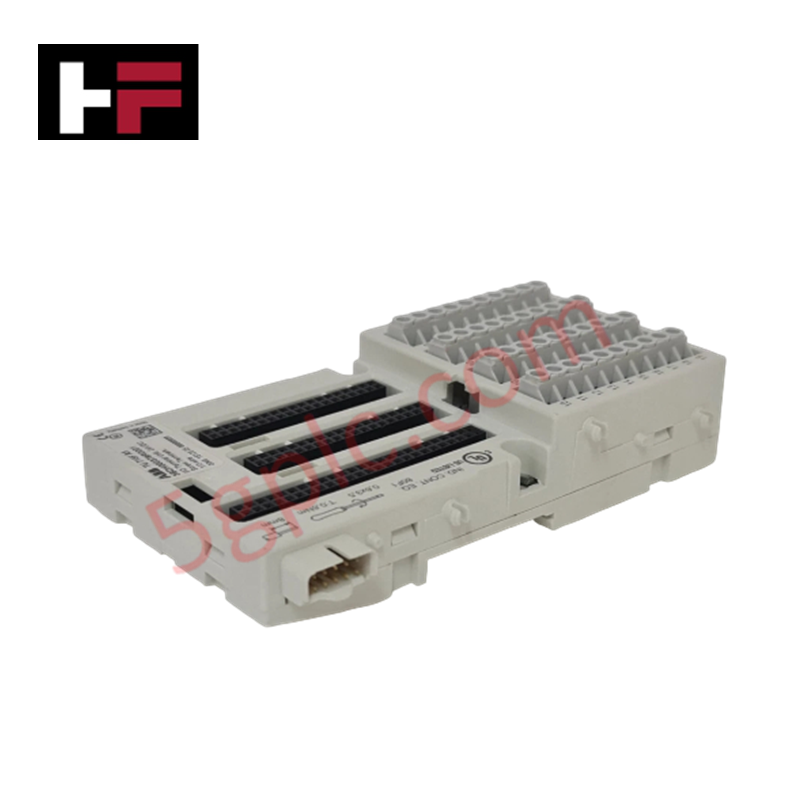
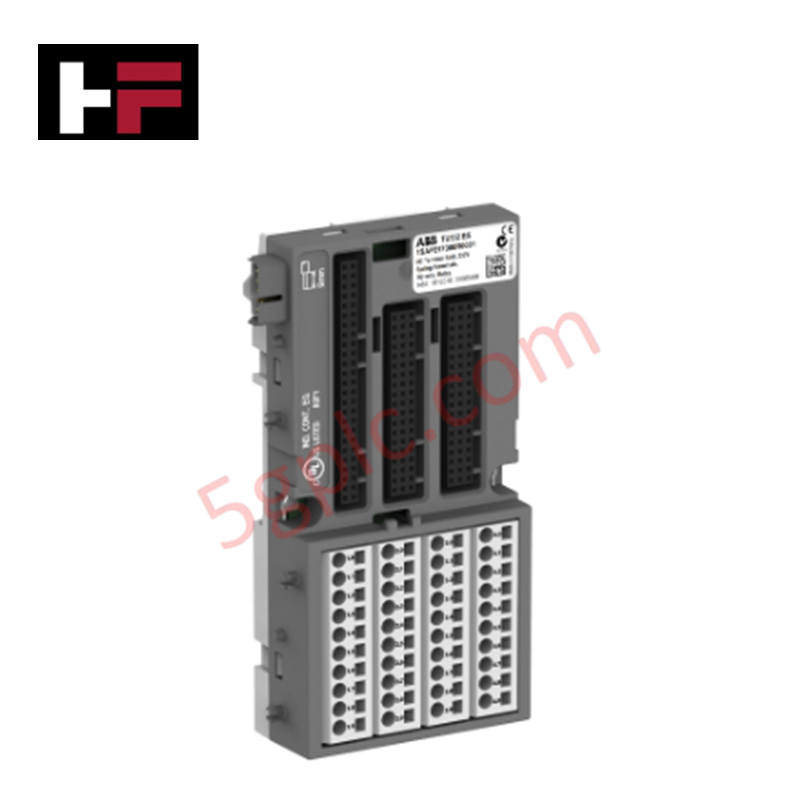
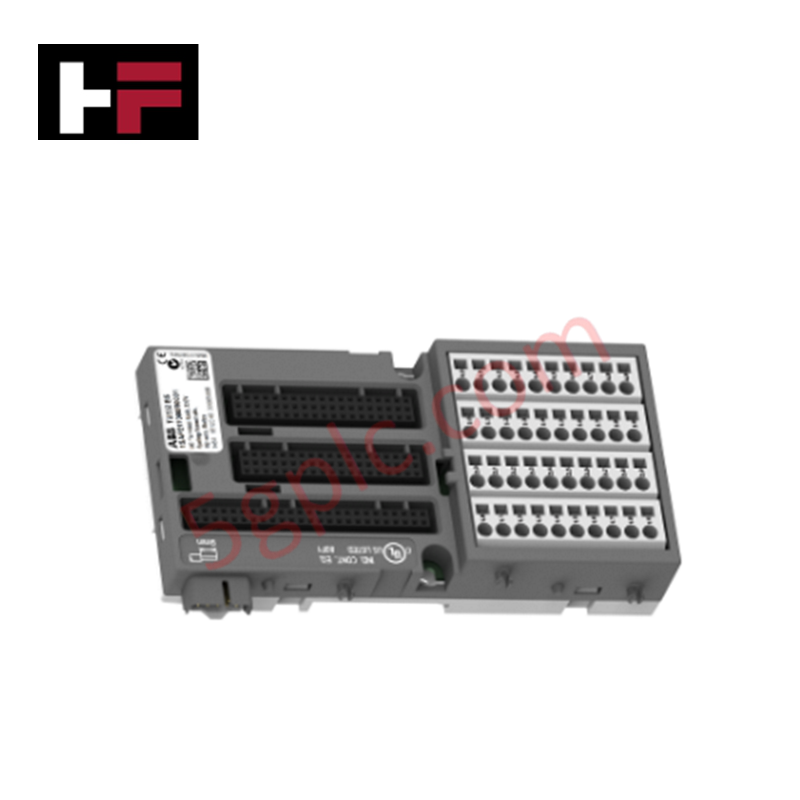
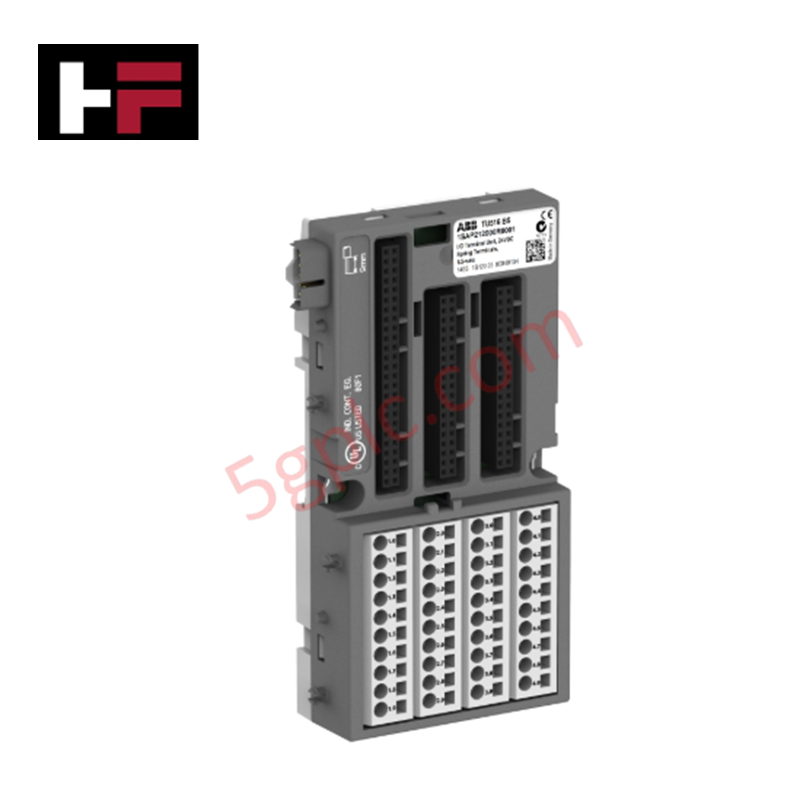
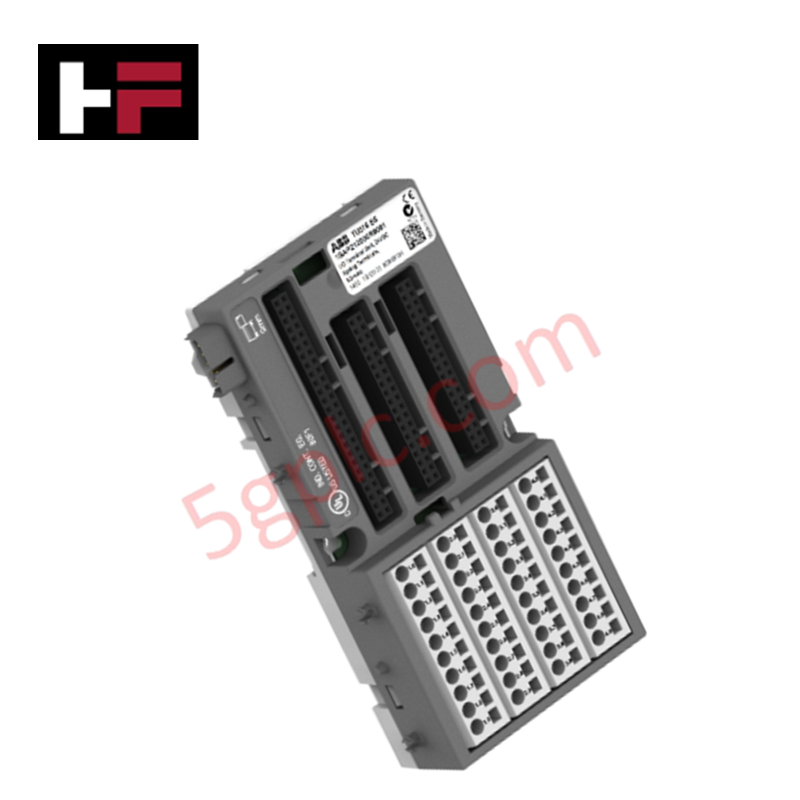
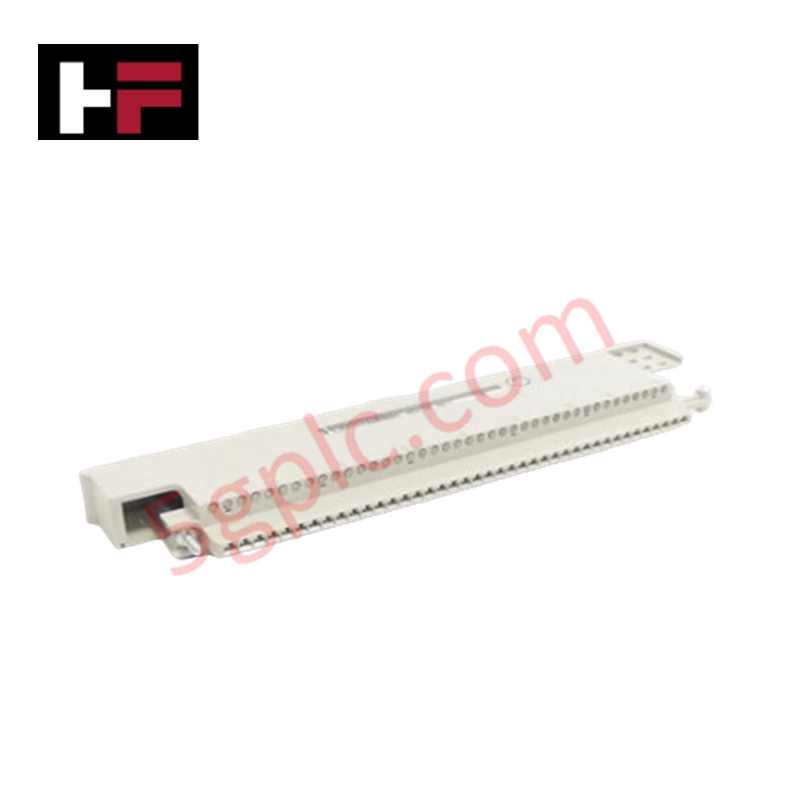
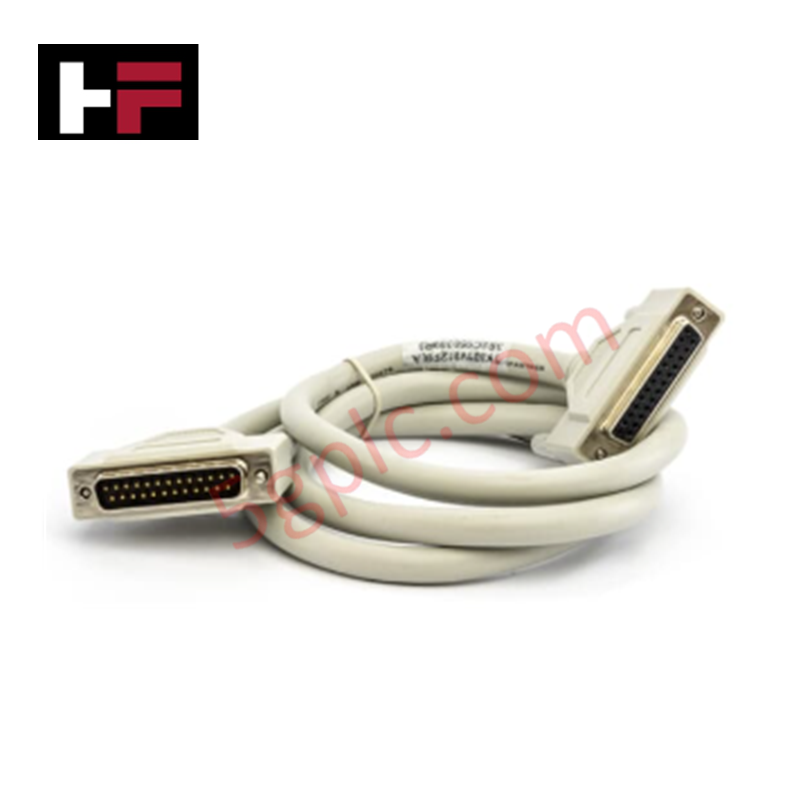
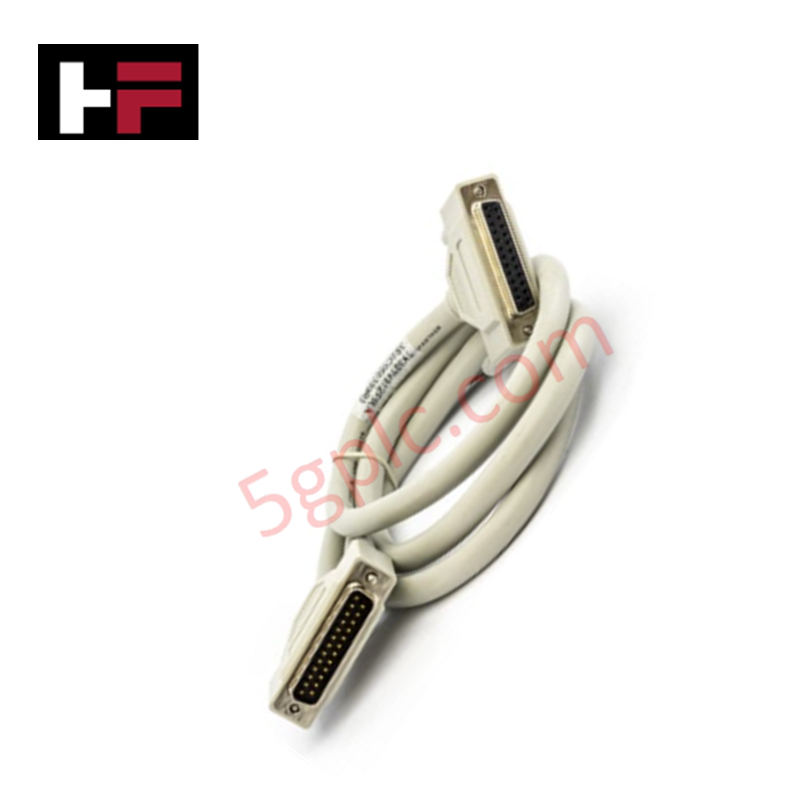
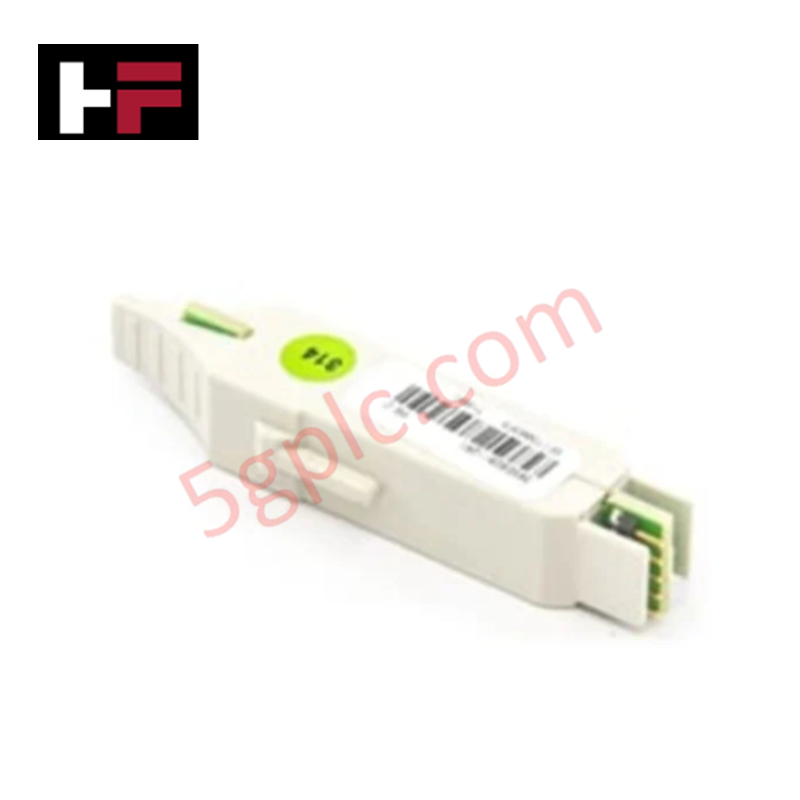
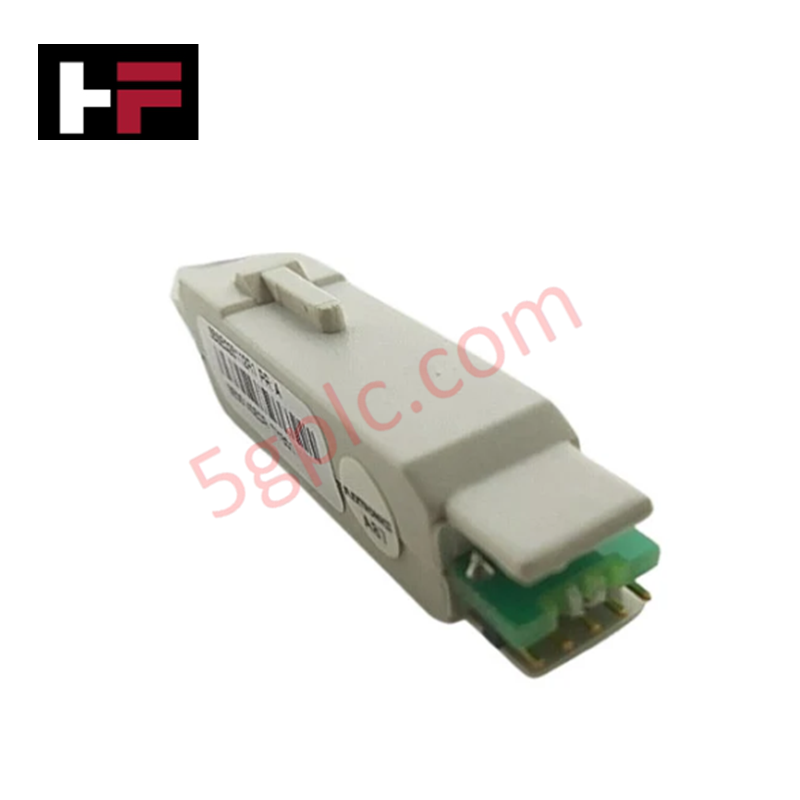
The Foxboro FBMSLT serves as a specialized Slim-Line Terminal interface within the Foxboro I/A Series and Foxboro Evo control architectures. This module optimizes fieldbus signal routing and power distribution for high-density I/O configurations. By utilizing a compact footprint, the FBMSLT enables engineers to maximize cabinet space without compromising signal integrity. We supply this unit as 100% Brand New and Original, ensuring your control system maintains peak availability and factory-certified performance from day one.
Technical Specifications
| Feature | Specification Details |
| Manufacturer | Foxboro (Schneider Electric) |
| Model Number | FBMSLT |
| Power Supply | 24V DC (Nominal) |
| Power Consumption | 15W (Typical) |
| Operating Temperature | -40°C to +70°C |
| Humidity Range | 0% to 95% RH (Non-condensing) |
| Form Factor | Slim-Line Modular Design |
| Dimensions (H x W x D) | 220 mm x 110 mm x 40 mm |
| Weight | 1.5 kg |
Engineering Advantages
The FBMSLT addresses critical installation and environmental challenges in modern industrial automation:
-
Extreme Thermal Resilience: While standard modules fail at 50°C, the FBMSLT operates reliably up to +70°C and down to -40°C. This eliminates the requirement for expensive cabinet cooling systems in desert environments or specialized heating in arctic processing plants.
-
Space-Efficient Slim-Line Design: The 40mm depth and narrow 110mm width allow for high-density mounting on baseplates. This allows engineers to fit more I/O points into a single marshalling cabinet, reducing the overall footprint of the DCS hardware.
-
Low-Power Architectural Efficiency: Drawing only 15W typically, the module minimizes the thermal load within the enclosure. This reduced heat dissipation extends the lifespan of adjacent electronic components and prevents localized hot spots.
-
Advanced Moisture Protection: The non-condensing design handles up to 95% relative humidity, protecting sensitive internal circuitry from the corrosive effects of humid tropical or coastal industrial air.
FAQs
-
Does the FBMSLT support redundant power configurations?
Yes. The FBMSLT integrates with the standard Foxboro redundant power bus, allowing the system to maintain communication even if one 24V DC supply line fails.
-
Is this module a direct replacement for legacy FBM terminals?
The FBMSLT specifically utilizes the Slim-Line form factor. Before replacement, verify that your current baseplate supports the 220mm height and 110mm width dimensions to ensure proper mechanical seating.
-
What mounting hardware does the FBMSLT require?
The module snaps directly into Foxboro modular baseplates. We recommend verifying the grounding path on your DIN rail or rack to ensure the unit achieves maximum EMI/RFI shielding.
-
Can I use this unit in outdoor enclosures?
The FBMSLT operates in a wide temperature range, but it carries an IP rating suitable for enclosure mounting. For outdoor use, you must house the FBMSLT in a NEMA 4 or IP65-rated cabinet to protect against direct water ingress and airborne contaminants.
Additional Information
- 100% Genuine Parts: All products are original and authentic, ensuring reliable industrial performance.
- 30-Day Refund Guarantee: Return any in-stock item within 30 days in original, unopened packaging for a full refund (excluding shipping and fees).
- 12-Month Warranty: Covers defects in materials or workmanship; excludes misuse, normal wear, or unauthorized modifications.
- Worldwide Shipping: We ship via USPS, UPS, FedEx, and DHL. Delivery times vary by country and may be subject to customs or import fees.
- Support & Contact: Technical and warranty assistance is available anytime. Contact us here: Contact.
- Purchase Guidance: Check product specifications and compatibility carefully before ordering to ensure proper application.
Tech & Buying Guide

Redundant Automation Systems: Core Architecture, Business Value, and Technical Advantages
Unplanned downtime poses a major financial threat to process manufacturing. To prevent costly interruptions, engineers deploy redundant PLC and DCS architectures that ensure continuous operation when hardware fails. This technical guide explores redundancy principles, critical system nodes, and real-world scenarios.

Preventing Emergency Stop Spurious Trips in Industrial Control Systems
Emergency Stop pushbuttons use Normally Closed contacts for fail-safe safety, but mechanical wear can cause costly spurious trips. This technical guide examines E-Stop contact failure root causes, redundant hardware setups, PLC logic monitoring, and maintenance strategies to maximize plant availability.

Why 24V DC Is the Universal Standard for Industrial Automation Power Supplies
Industrial manufacturing requires continuous uptime to prevent equipment damage. Unlike AC power, 24V DC circuits seamlessly integrate with UPS units and battery banks. During main grid failures, a 24V DC backup system instantly maintains PLC memory, instrument loops, and critical safety valves without interruption.