








Product Details
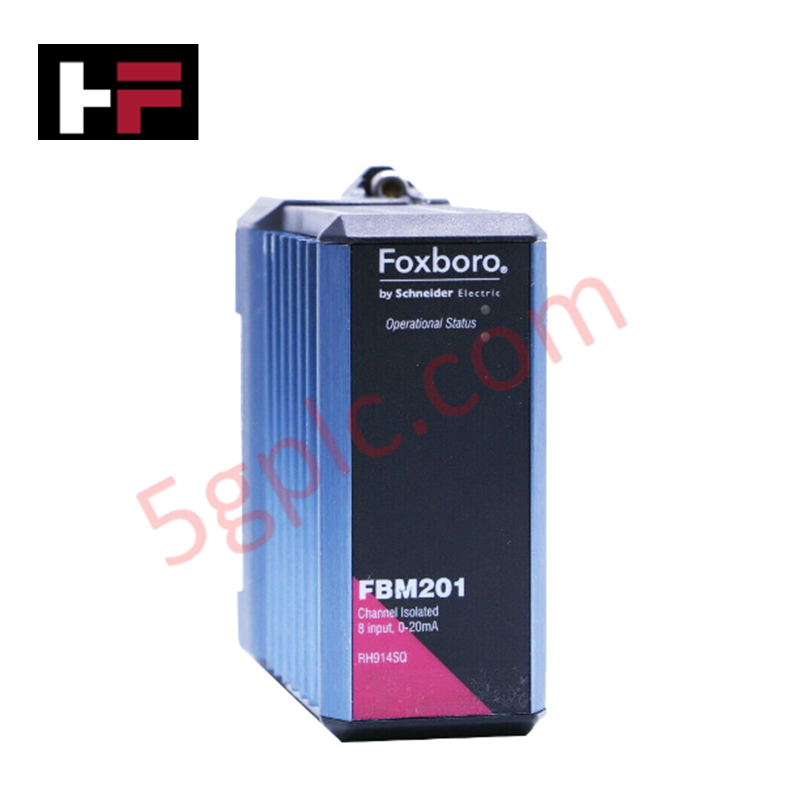
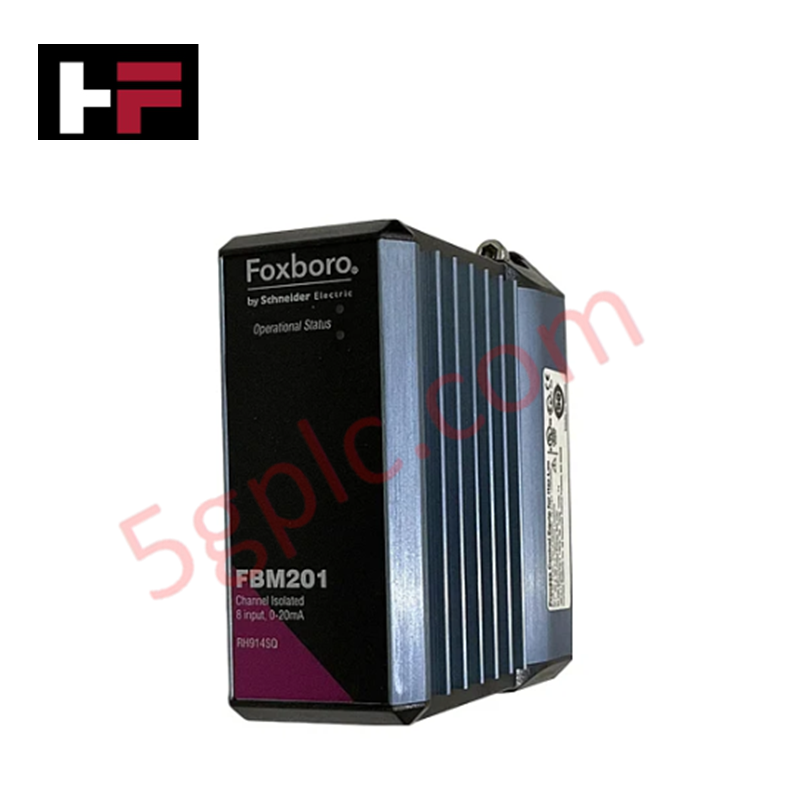
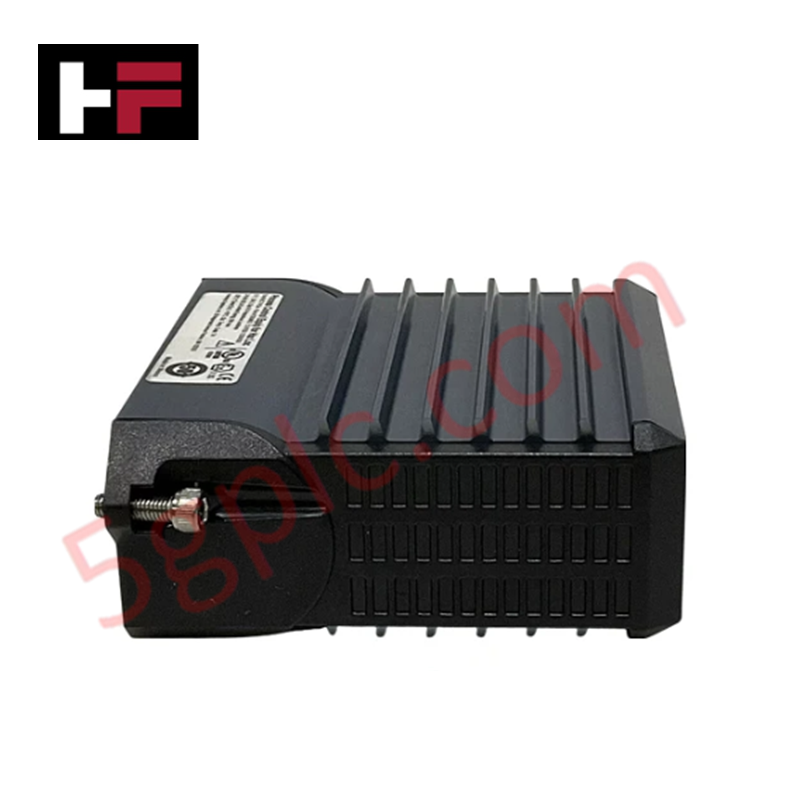
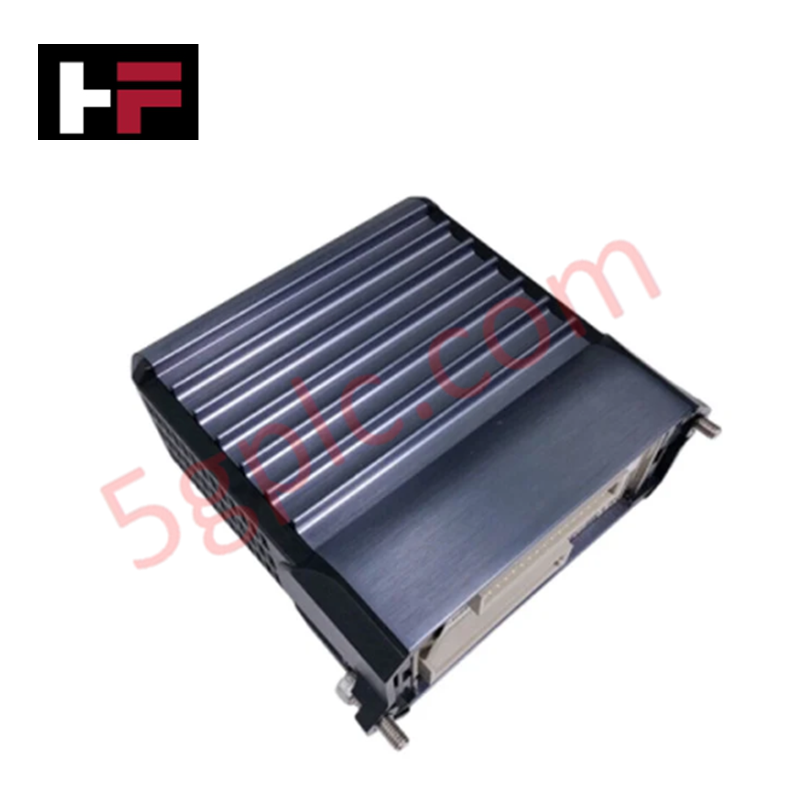
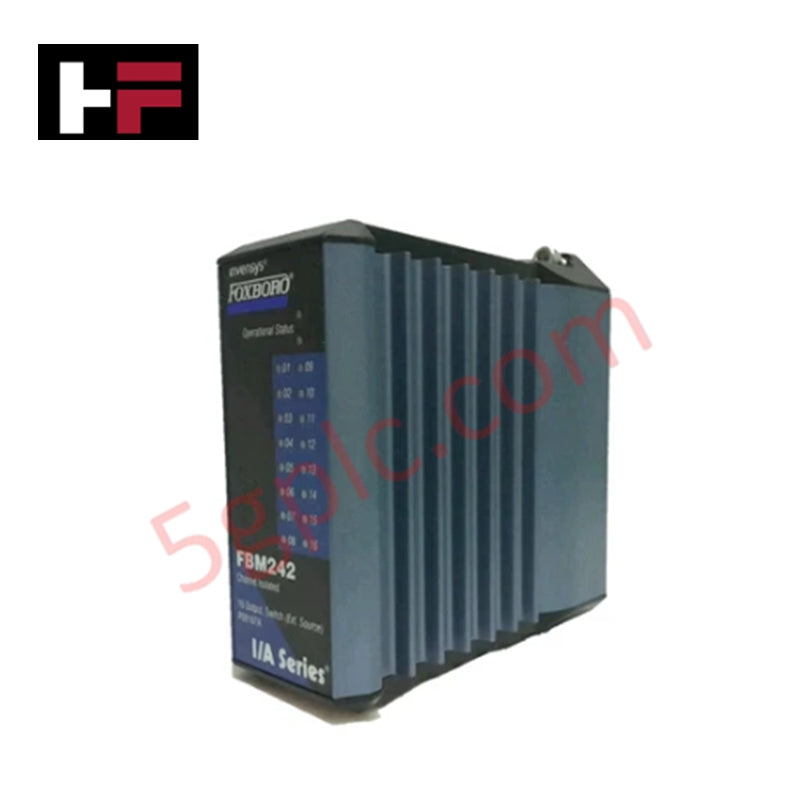
Configured for high-density analog signal acquisition within DCS platforms, the Foxboro FBM201 RH914SQ, also cataloged as the FBM201 Analog Input Interface Module, provides direct physical and electrical execution for 0-20 mA dc sensor inputs. This module processes 8 independent, galvanically isolated channels using Sigma-Delta conversion to ensure high-precision data integration across the redundant 2 Mbps module Fieldbus.
Hardware Specifications
| Parameter | Specification |
|---|---|
| Model | FBM201 RH914SQ |
| Brand | Foxboro |
| Weight | 0.284 kg |
| Dimensions | 10.4 cm x 4.5 cm x 11.4 cm |
| Operating Temp | -40 deg C to +70 deg C |
| Power Consumption | 7 W (maximum) |
| I/O Channels | 8 isolated and independent channels |
| Accuracy | Sigma-Delta conversion |
Process Control and Galvanic Isolation
The FBM201 design prioritizes signal integrity through robust galvanic isolation of each input channel from both other channels and the system ground. This architecture effectively mitigates common-mode noise and prevents ground loops in complex field environments. The module supports configurable integration times and rate-of-change limits, allowing for precise tuning of analog application programs. Internal circuitry is rated for Class G3 (harsh) environments, ensuring operation in facilities with high levels of atmospheric contaminants.
Frequently Asked Questions
Q: Does the FBM201 require periodic calibration of the module or termination assembly?
A: No. The internal Sigma-Delta conversion architecture and precision reference components eliminate the requirement for field-based calibration of the module or its associated Termination Assembly (TA).
Q: Is this module compatible with both internally and externally loop-powered transmitters?
A: Yes. The module supports Termination Assemblies that facilitate both internal and external loop power configurations, providing flexibility for varying transmitter requirements.
Field Installation Guidelines
- Ensure the module is fully seated within the mounting base to establish a solid connection to the redundant 2 Mbps module Fieldbus and the local power bus.
- Utilize the specified Termination Assembly (TA) for all field wiring to ensure proper impedance and signal termination for the 0-20 mA dc range.
- Verify that all shield drain wires from the field instrumentation are terminated at the designated ground lug on the TA to maintain electromagnetic compatibility.
- Maintain proper spacing between signal cabling and high-voltage power conduits to minimize electromagnetic interference (EMI).
- In high-vibration applications, confirm that the module retention hardware is fully engaged to prevent intermittent backplane bus communication.
Additional Information
- 100% Genuine Parts: All products are original and authentic, ensuring reliable industrial performance.
- 30-Day Refund Guarantee: Return any in-stock item within 30 days in original, unopened packaging for a full refund (excluding shipping and fees).
- 12-Month Warranty: Covers defects in materials or workmanship; excludes misuse, normal wear, or unauthorized modifications.
- Worldwide Shipping: We ship via USPS, UPS, FedEx, and DHL. Delivery times vary by country and may be subject to customs or import fees.
- Support & Contact: Technical and warranty assistance is available anytime. Contact us here: Contact.
- Purchase Guidance: Check product specifications and compatibility carefully before ordering to ensure proper application.
Tech & Buying Guide

Engineering a Process Control System Philosophy: Principles and Operational Impact
A Process Control System (PCS) Philosophy serves as the foundational blueprint for modern plant engineering. During the design and construction phases, this document establishes clear guidelines for instrumentation and control (I&C) teams. Consequently, a well-defined philosophy directly dictates overall operational stability, maintenance efficiency, and future expansion capabilities across heavy process industries.

Engineering MCC Signal Interface Terminations in Modern Process Automation
Industrial manufacturing plants rely on Motor Control Centers (MCC) to drive critical electrical loads. Plant engineers must interface these MCC motor starters and drives with central control systems. Standardizing the Signal Interface Termination (SIT) architecture ensures seamless command delivery and feedback monitoring between field equipment and process automation platforms.

Layer-2 vs. Layer-3 Network Switches in Industrial Control Systems
Modern factory automation relies heavily on robust Industrial Ethernet communications. Control system engineers deploy managed Ethernet switches to connect programmable logic controllers (PLCs), distributed control systems (DCS), human-machine interfaces (HMIs), and field I/O devices. Selecting between Layer-2 and Layer-3 switching architecture directly impacts network throughput, routing capabilities, and overall cybersecurity defense in operational technology (OT) networks.