










Product Details
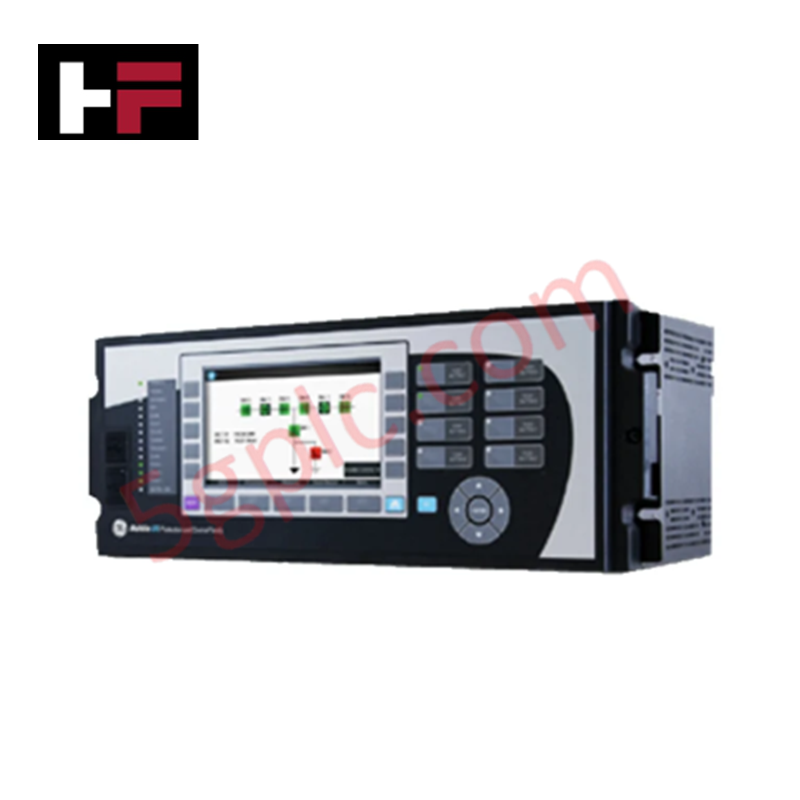
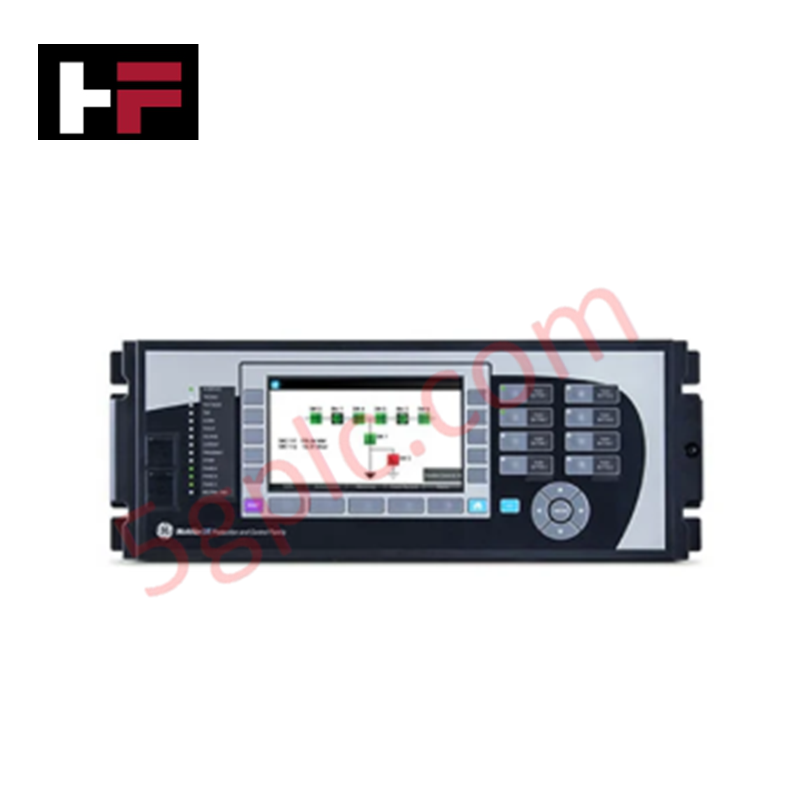
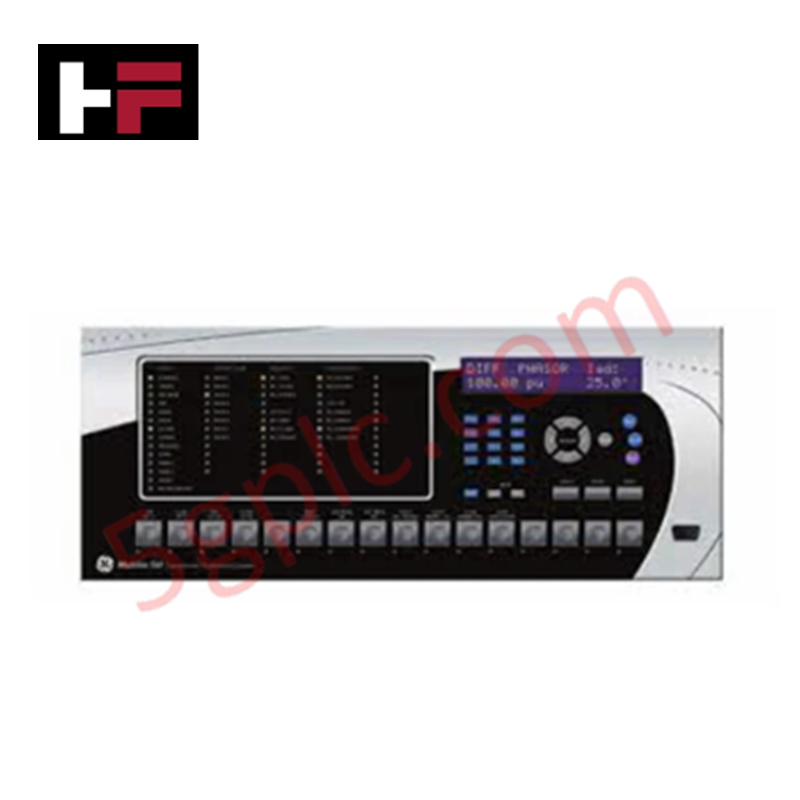
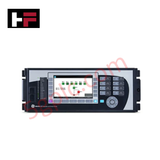
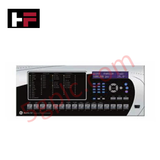
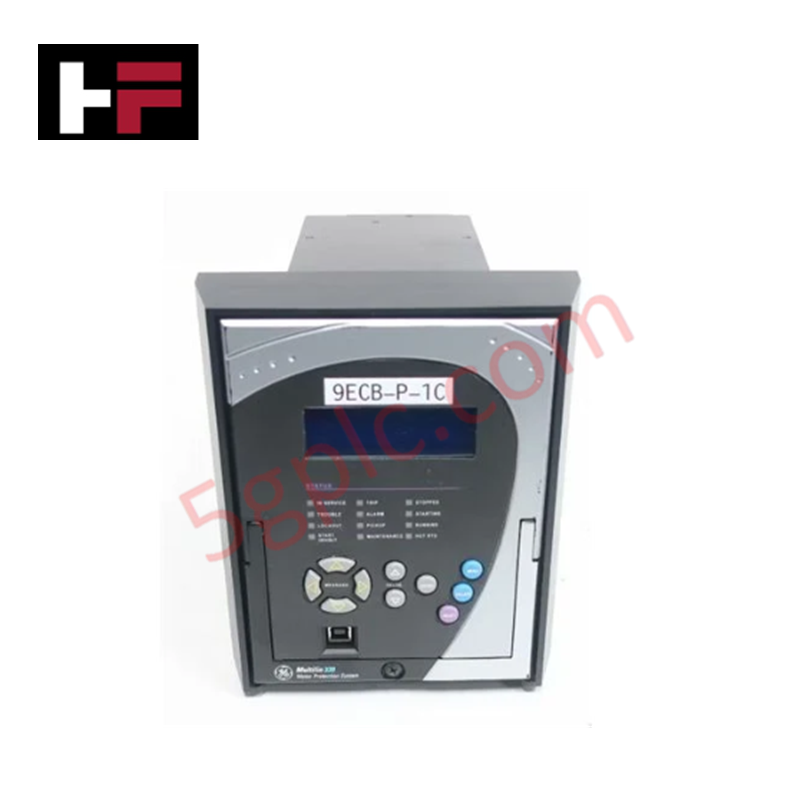
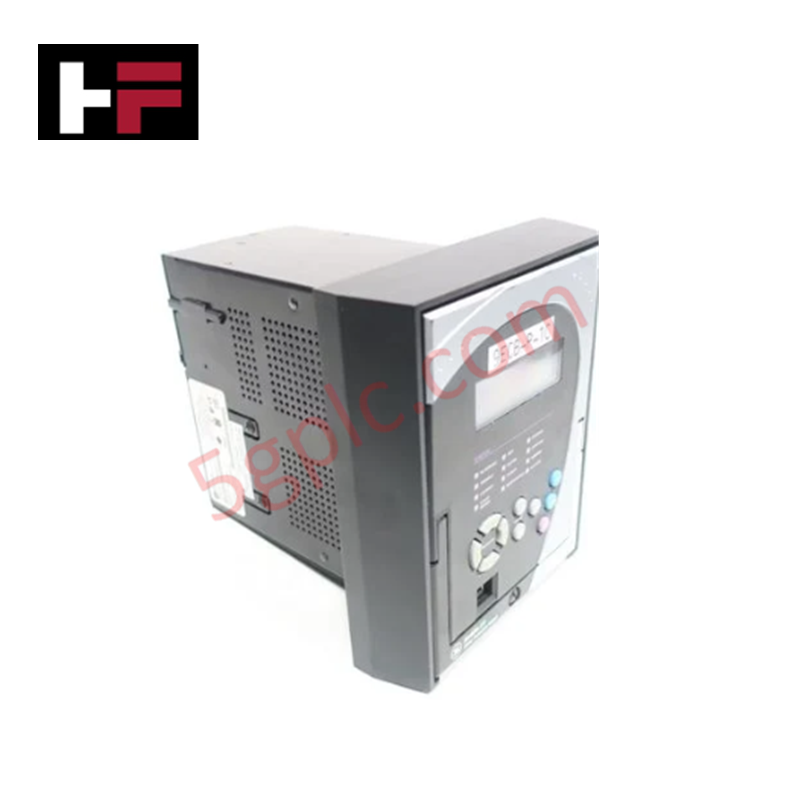
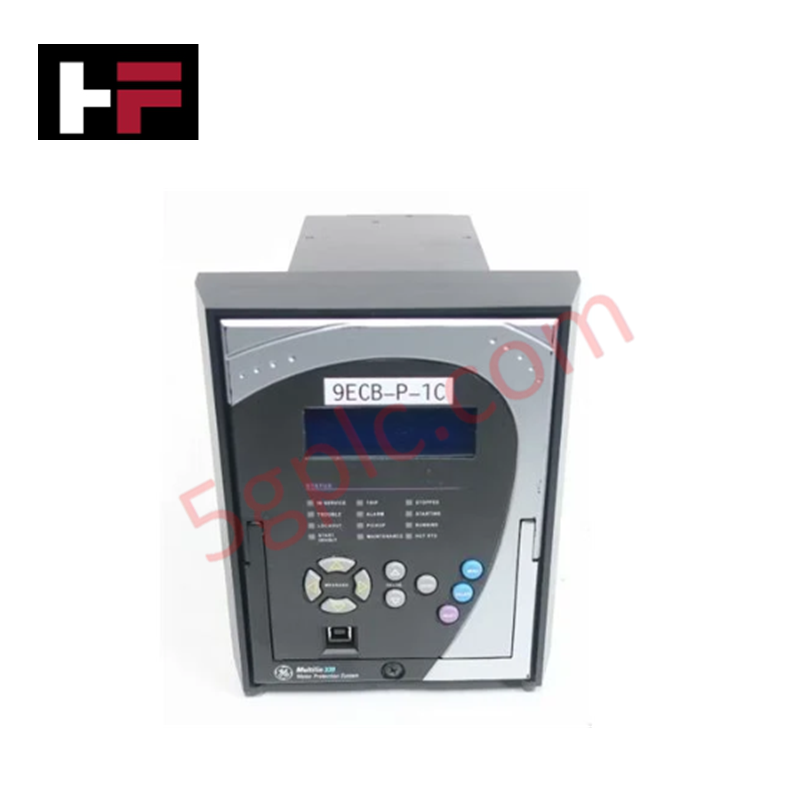
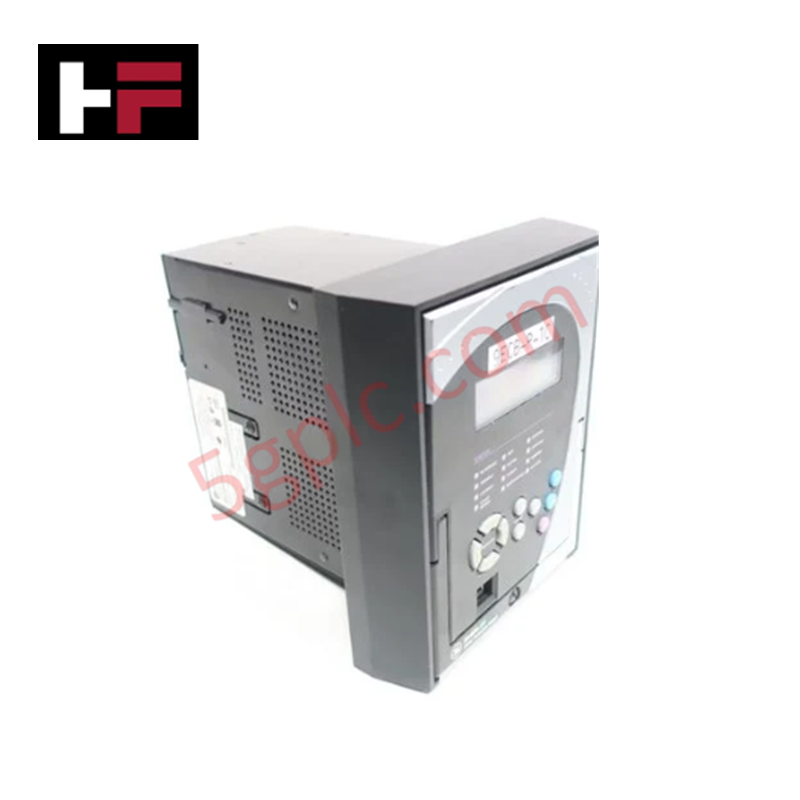
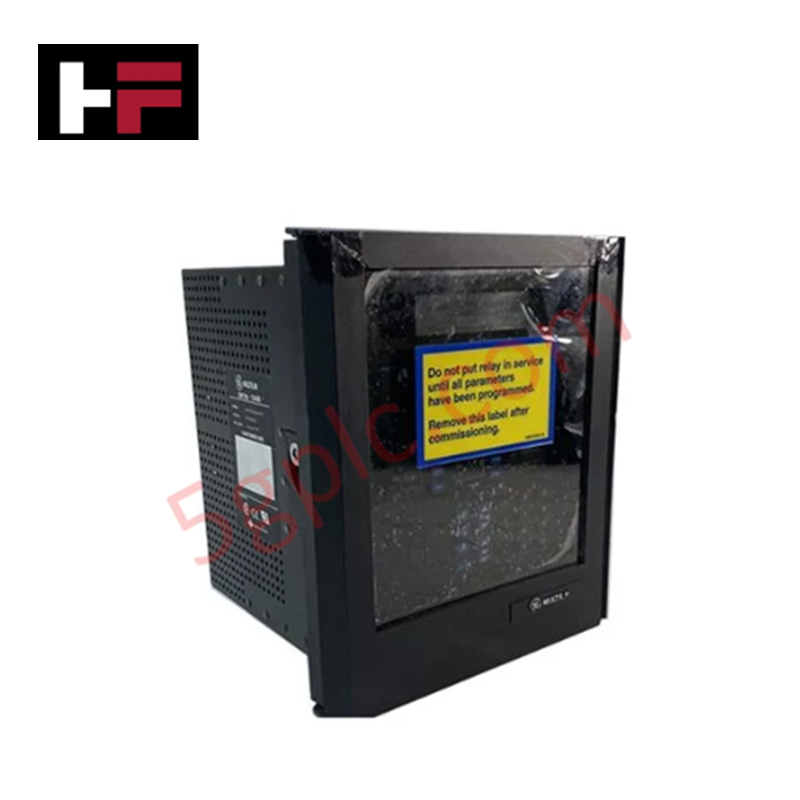
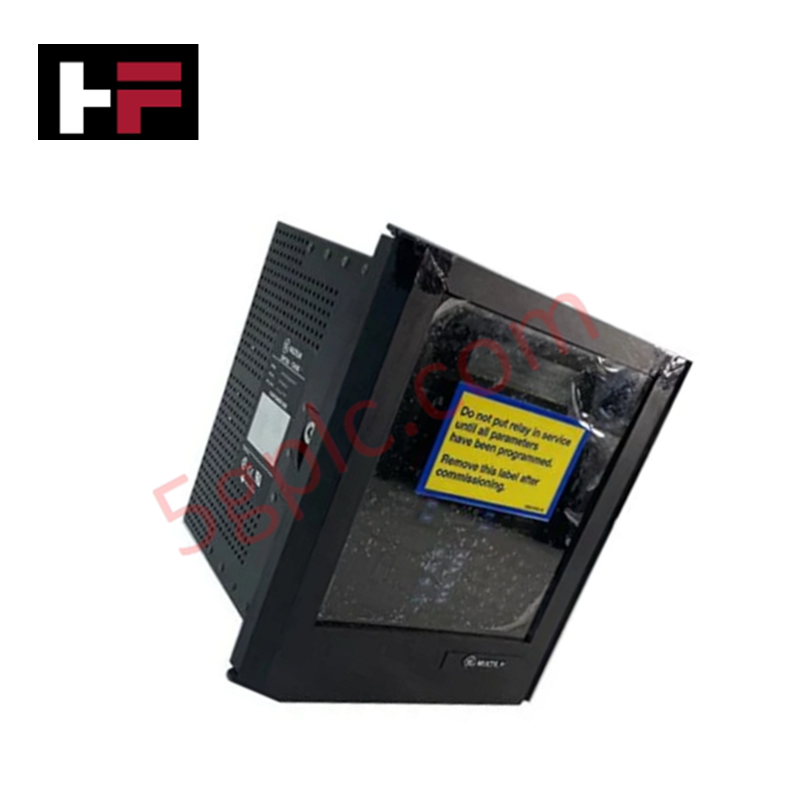
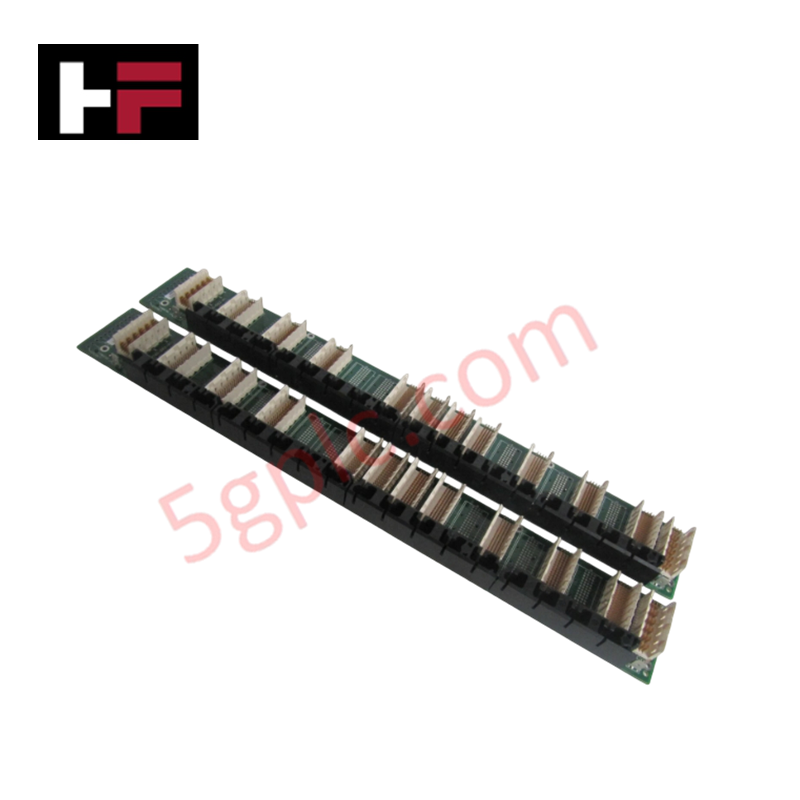
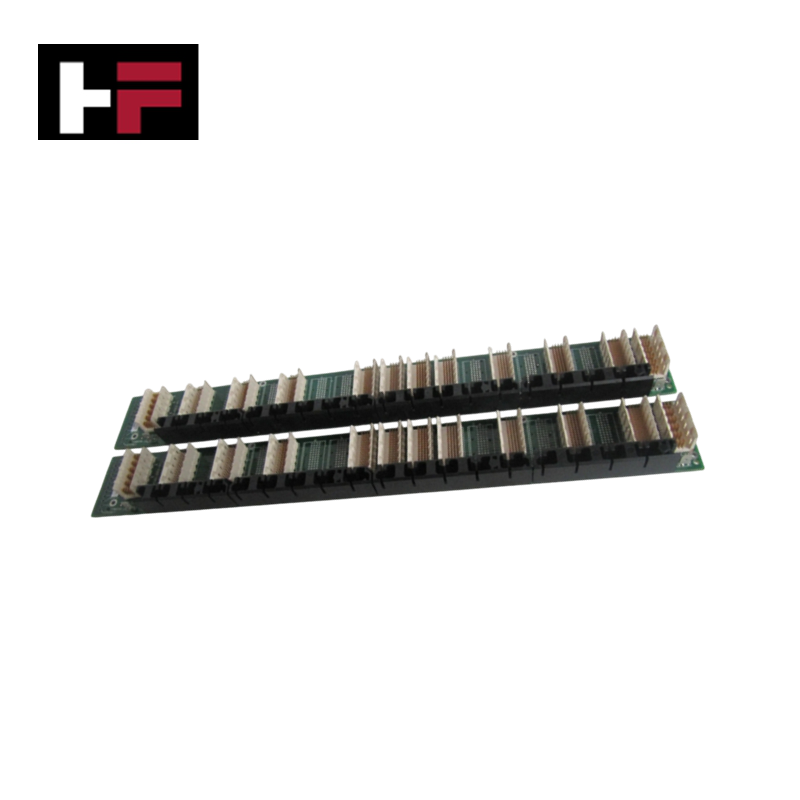
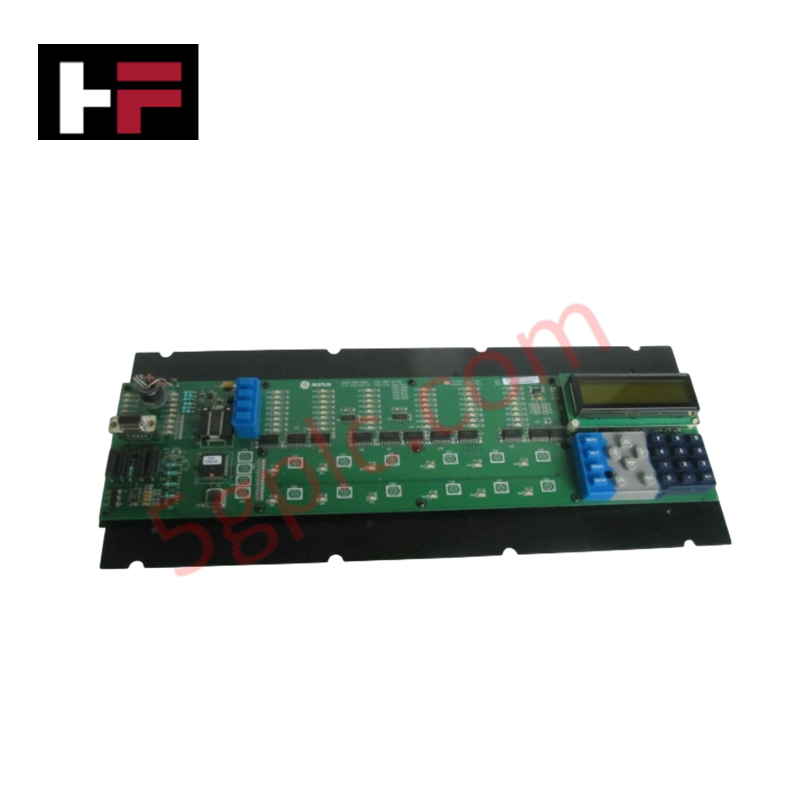
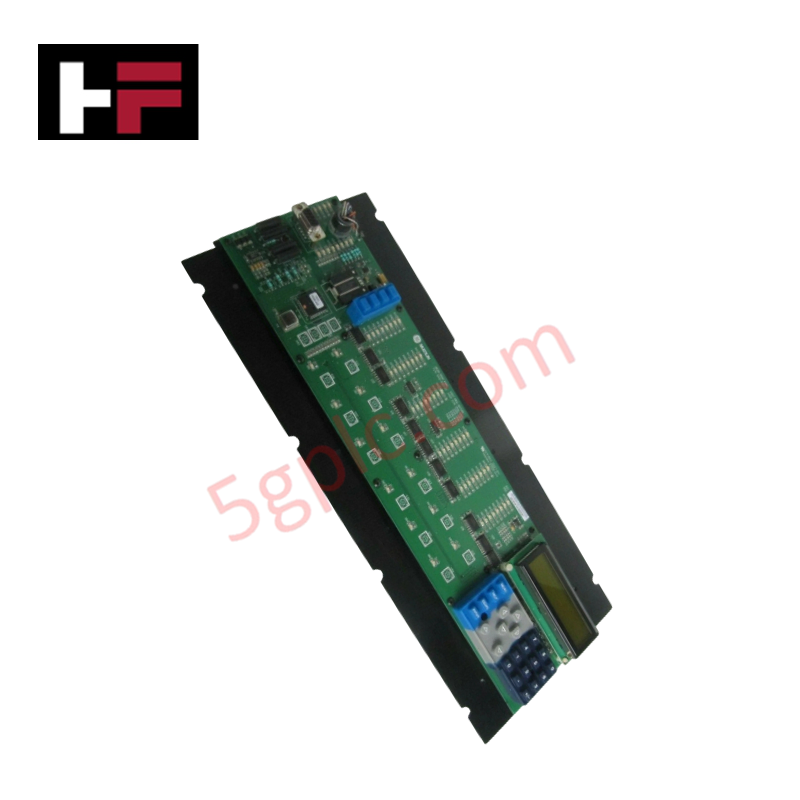
The GE F35N00HKHF8LH67MXXPXXU8LWXX serves as the primary F35N00HK Afterburning Turbofan (Navy Variant) Engine Module utilized to execute high-performance propulsion tracking across marine aviation platforms. It processes digital actuation sequences, throttle profiles, and multi-sensor feedback parameters natively at the machinery tier to maintain thrust vector execution parallel to master control network platforms under carrier-based maritime operation constraints.
Hardware Specifications
| Parameter | Specification |
|---|---|
| Model | F35N00HKHF8LH67MXXPXXU8LWXX |
| Brand | General Electric Aviation Systems |
| Origin | United States |
| Weight | Specialized marine configuration weight matrix |
| Dimensions | Standard variant structural footprint parameters |
| Operating Temp | Calibrated for sustained operation in tropical maritime climates |
| Power Consumption | Determined by active actuator draw and FADEC bus loads |
| Product Type | Afterburning Turbofan (Navy Variant) Engine Module |
| Control Architecture | Full Authority Digital Engine Control (FADEC) |
| Push Configuration | Variable Geometry Vectorization Capability |
| Diagnostic System | Integrated Health Monitoring & Prognostics |
| Operating Environment | Carrier-Based Operations (Maritime/Seawater Exposure Certified) |
Profinet / EtherNet/IP Deterministic Networks Mapping
The embedded Full Authority Digital Engine Control (FADEC) system calculates combustion vectors and nozzle angles using isolated processing lines. It executes localized control loops within microsecond margins, ensuring that dynamic throttle changes do not limit backplane bus communication velocity properties assigned to auxiliary deck telemetry networks. Real-time health states, vibration metrics, and nozzle position indicators tracked by the integrated sensors are converted into cyclic data packets. This arrangement maps critical propulsion variables straight to supervisory Profinet / EtherNet/IP deterministic networks, enabling the main deck control workstation to sync data records seamlessly. High-density sensor blocks distributed along the engine frame capture temperature and pressure variables with minimal wiring runs. This localized topology optimizes I/O density scaling inside the forward electronics enclosure while providing complete diagnostic separation between distinct turbofan stages.
Frequently Asked Questions
Q: How is the backplane bus communication velocity affected during maximum afterburner actuation?
A: The FADEC core coprocessor executes safety-critical fuel metering and nozzle optimization loop logic on a dedicated localized real-time hardware plane. This mechanical-tier execution prevents heavy transients or transient nozzle geometry changes from degrading or reducing the communication bandwidth allocated to the auxiliary data bus.
Q: What mechanisms ensure firmware flash compatibility across the modular high-density sensor blocks?
A: Each localized sensor block features an embedded electronic identifier and hardware signature checked by the master FADEC module during the power-on self-test. If an unmapped or firmware-mismatched sensor node is introduced into the I/O density scaling network, the controller logs an identity fault and locks the initialization vector to prevent corrupted telemetry reporting.
Field Installation Guidelines
- Structural and Grounding Isolation: Secure the module chassis into the designated test or mounting bay matching the standard variant structural footprint guidelines. Verify low-impedance metallic grounding straps are bonded directly between the forward electronics enclosure and the master framework earth terminal to prevent static charge buildup from maritime environments.
- Cable Shield Routing: Enforce continuous 360-degree shielding parameters on all high-density temperature and pressure sensor cables. Terminate the overall copper shielding braids inside the conduit glands at the entry plate to minimize induced electromagnetic interference from adjacent electrical generator lines.
- Sealing Validation: Confirm all environmental compression seals on the multi-pin electronic connector blocks are properly engaged and torqued down to satisfy seawater exposure certification requirements. Keep low-voltage network lines separate from primary heavy-gauge servo actuation power runs inside the tracking ductways.
Additional Information
- 100% Genuine Parts: All products are original and authentic, ensuring reliable industrial performance.
- 30-Day Refund Guarantee: Return any in-stock item within 30 days in original, unopened packaging for a full refund (excluding shipping and fees).
- 12-Month Warranty: Covers defects in materials or workmanship; excludes misuse, normal wear, or unauthorized modifications.
- Worldwide Shipping: We ship via USPS, UPS, FedEx, and DHL. Delivery times vary by country and may be subject to customs or import fees.
- Support & Contact: Technical and warranty assistance is available anytime. Contact us here: Contact.
- Purchase Guidance: Check product specifications and compatibility carefully before ordering to ensure proper application.


Tech & Buying Guide

Demystifying CPU Communication Ports in Siemens PLC Architectures
Industrial automation relies heavily on robust data exchange between devices. Without seamless connectivity, field instruments, network switches, human-machine interfaces, and programmable logic controllers cannot coordinate effectively. Therefore, understanding the various CPU communication ports available in Siemens hardware ensures efficient factory automation design and seamless system integration.

Mastering the Siemens PLC Scan Cycle: How the CPU Executes Automation Programs
Industrial automation relies heavily on programmable logic controllers (PLCs) to manage complex manufacturing processes. Many engineers dive straight into programming without mastering the underlying architecture. However, understanding how a PLC CPU executes a program ensures reliable system design. Therefore, mastering the scan cycle optimizes both performance and troubleshooting in modern control systems.

How to Connect to Siemens S7 PLCs: 5 Essential Communication Methods
Establishing a reliable hardware link between a programming terminal and a Siemens SIMATIC controller is essential for engineering workflows. Field engineers rely on distinct physical layers, ranging from legacy serial connections to high-speed Industrial Ethernet protocols. Modern factory automation environments prioritize fast data transfer and seamless driver integration. Selecting the correct connection method simplifies program downloads, online monitoring, and system troubleshooting in complex control systems.