










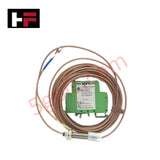
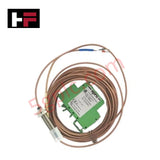
Product Details
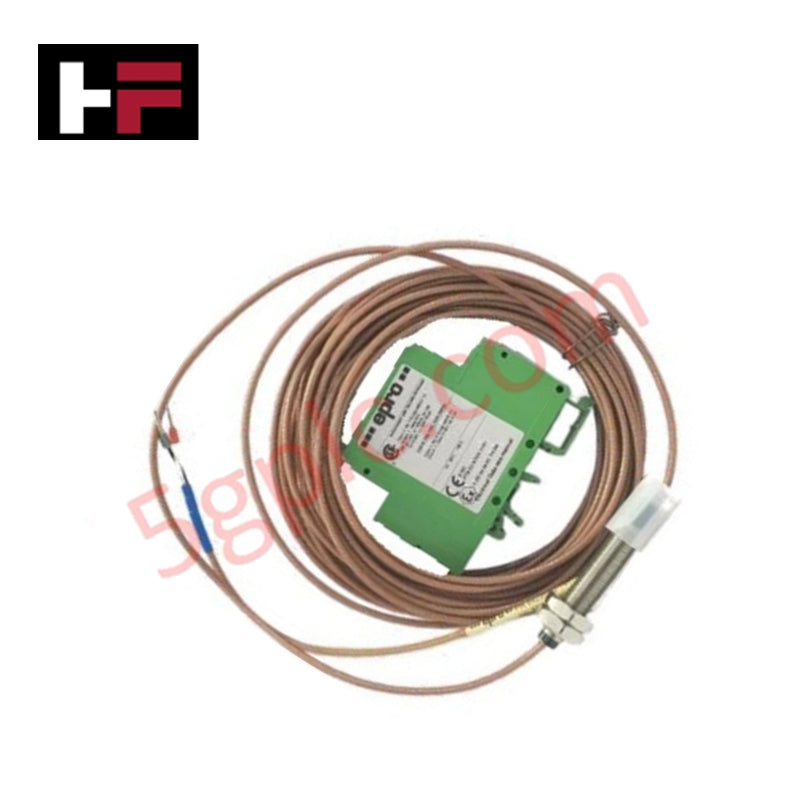
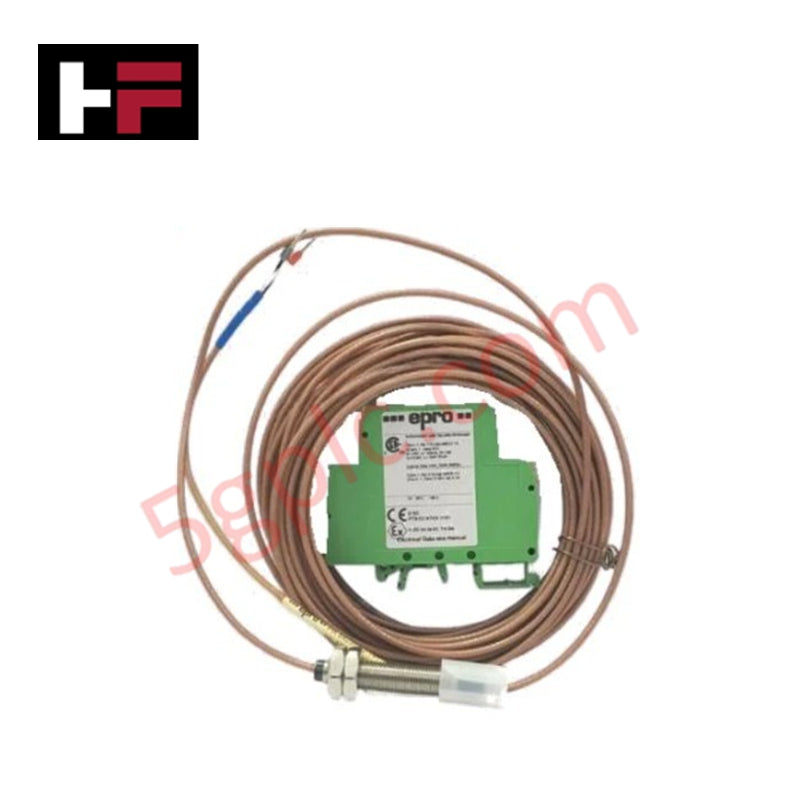
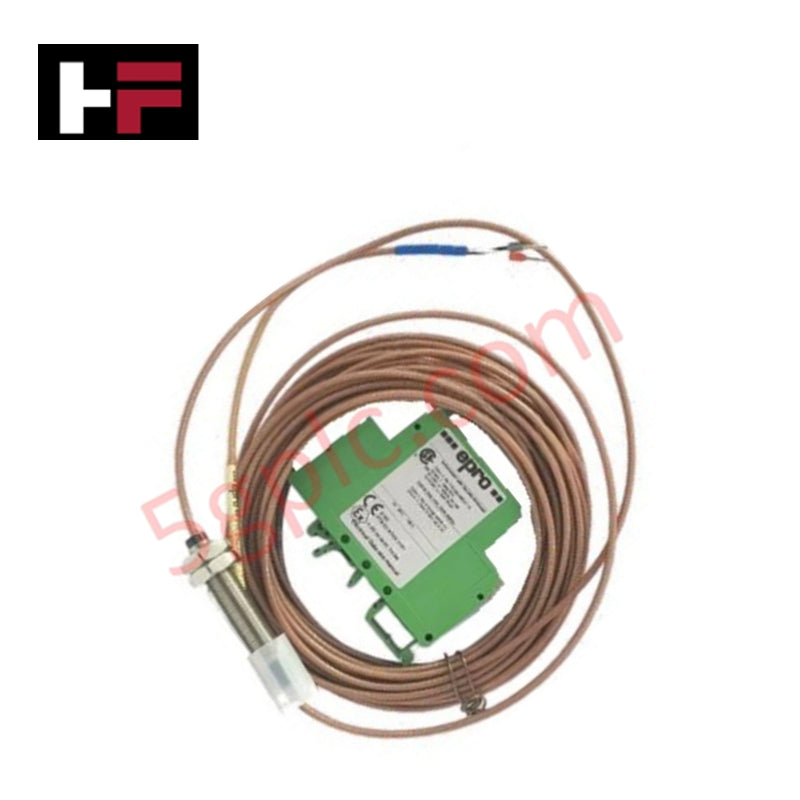
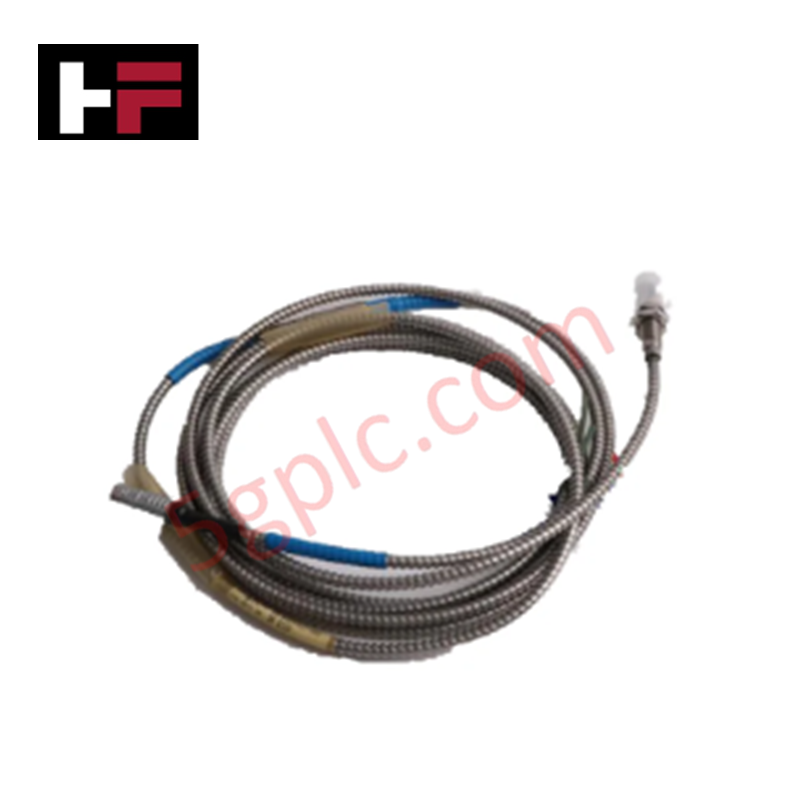
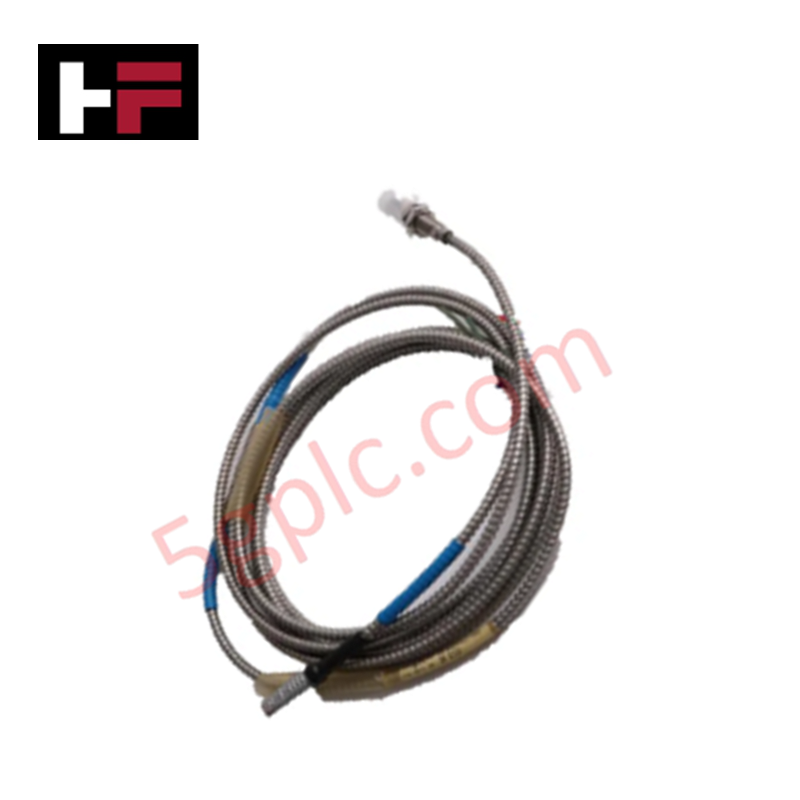
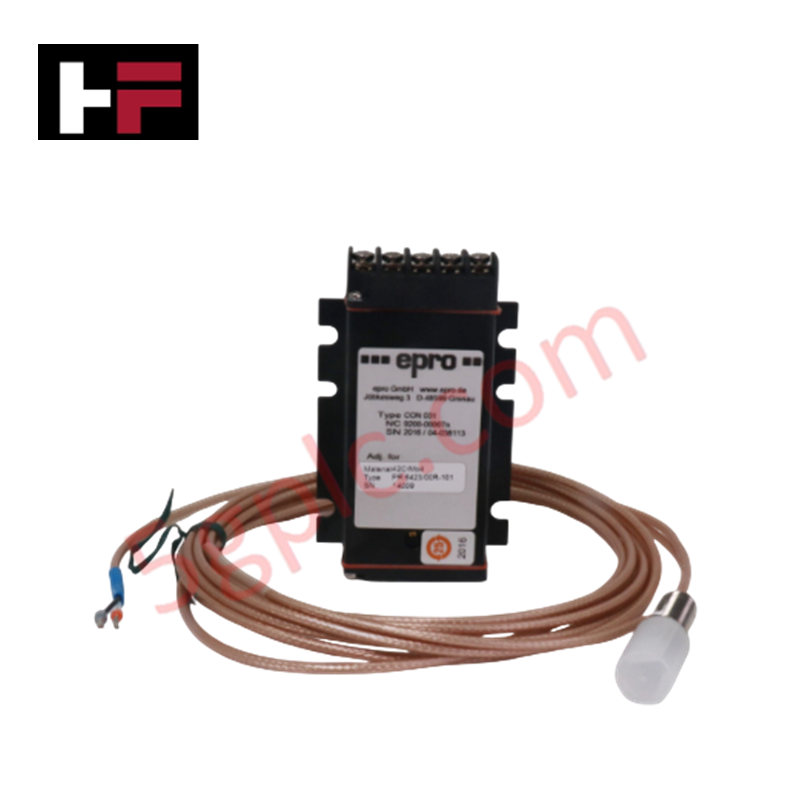
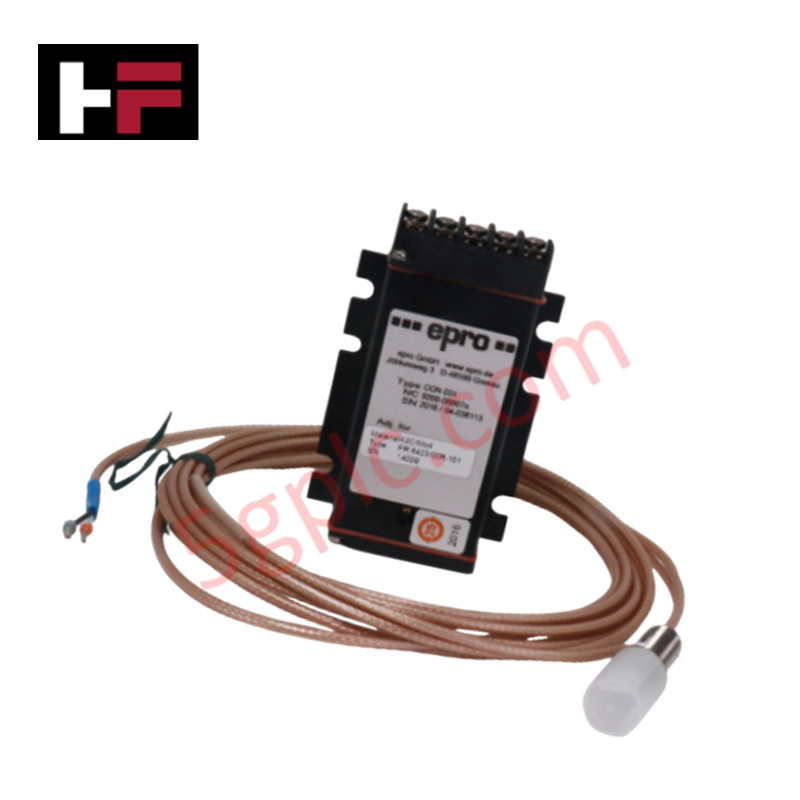
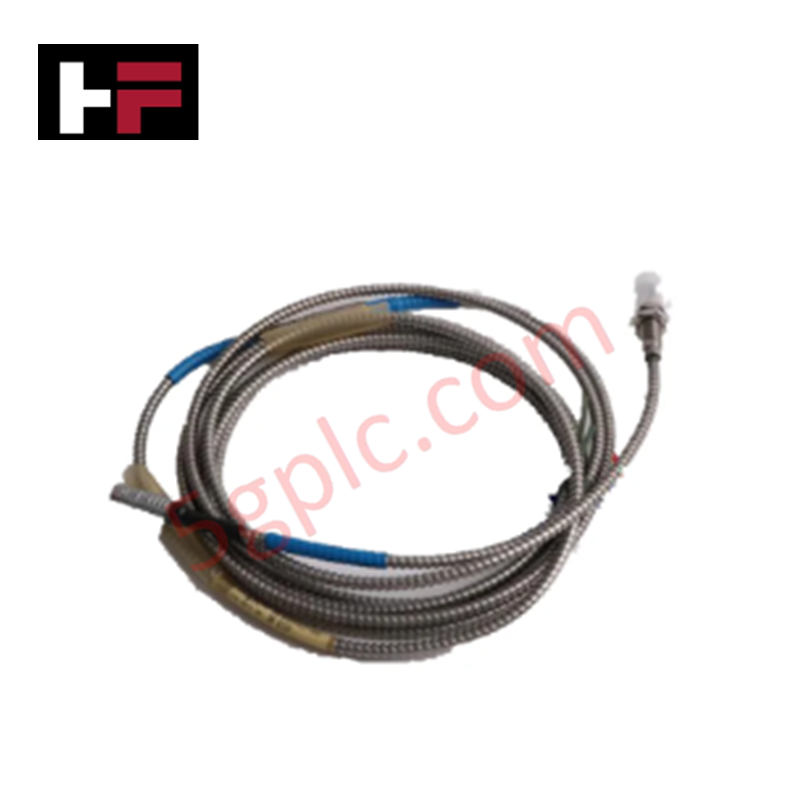
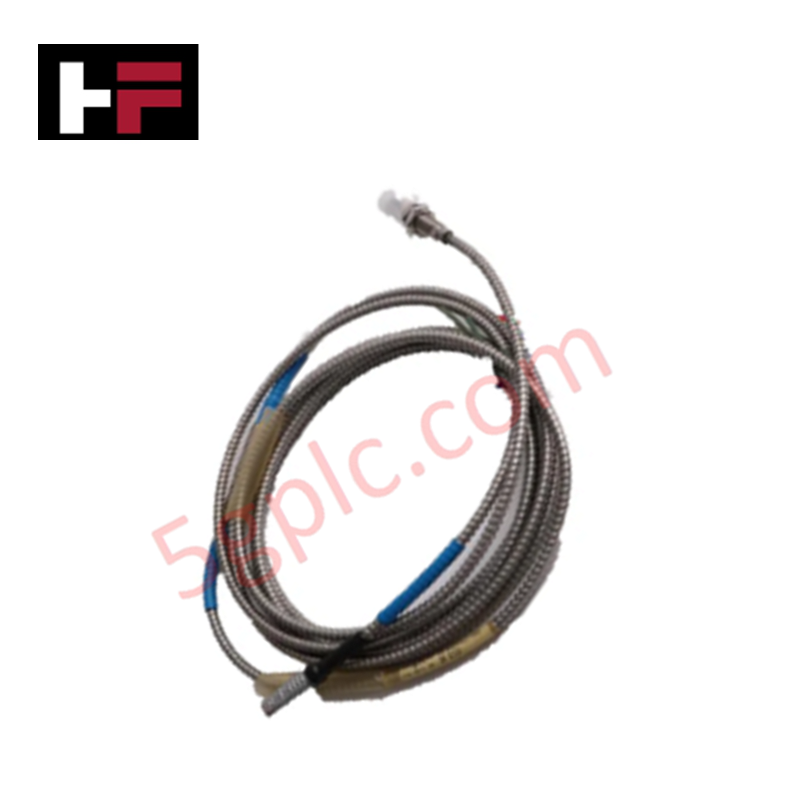
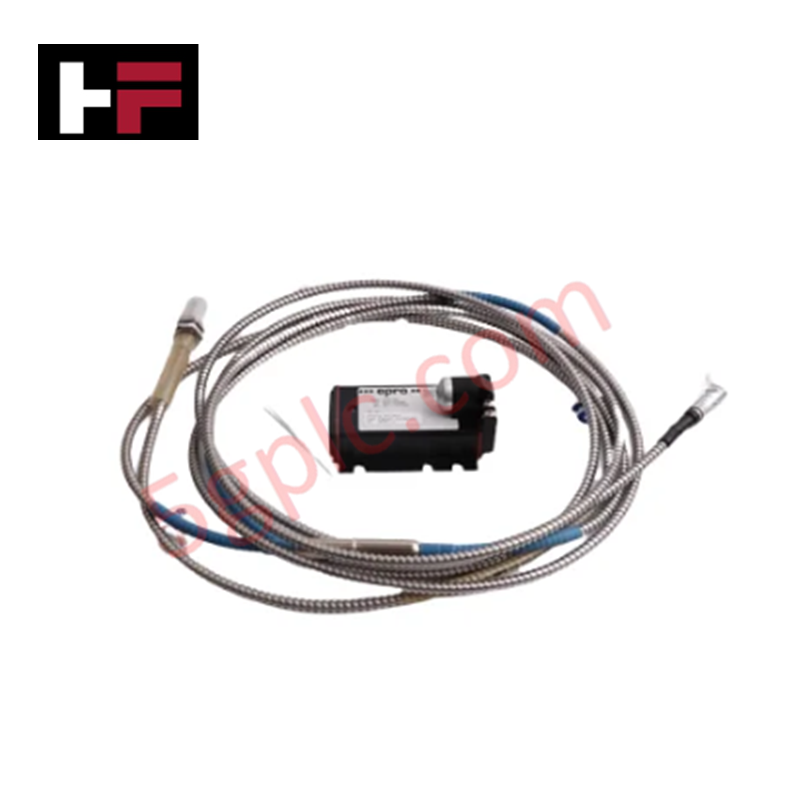
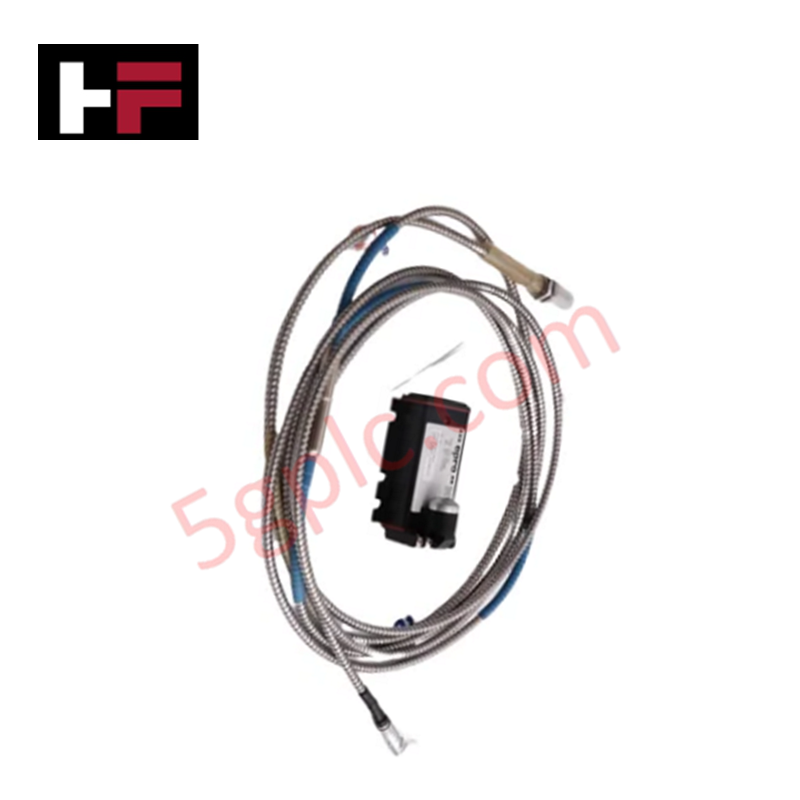
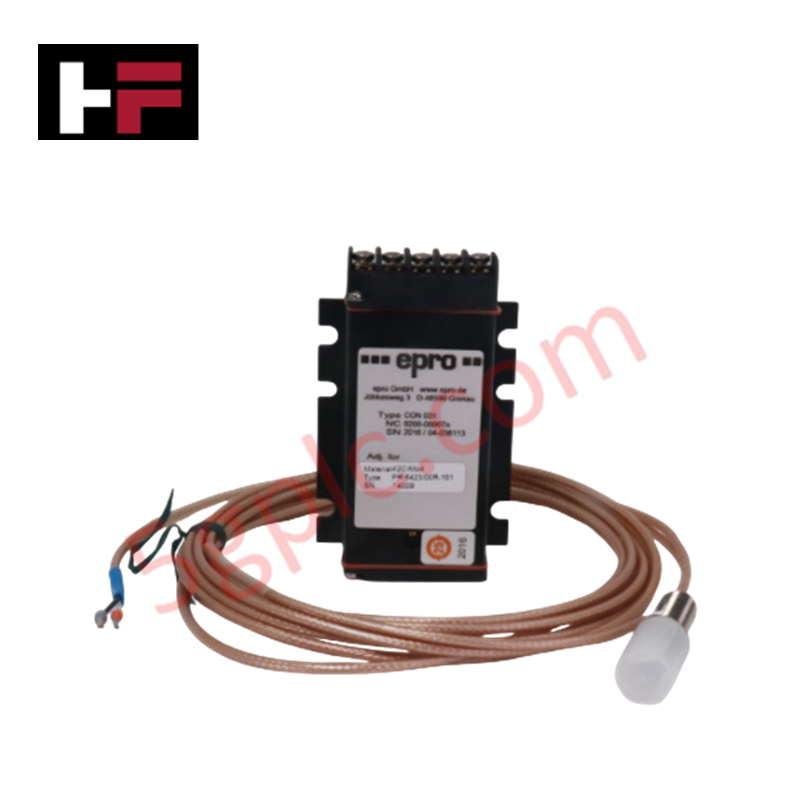
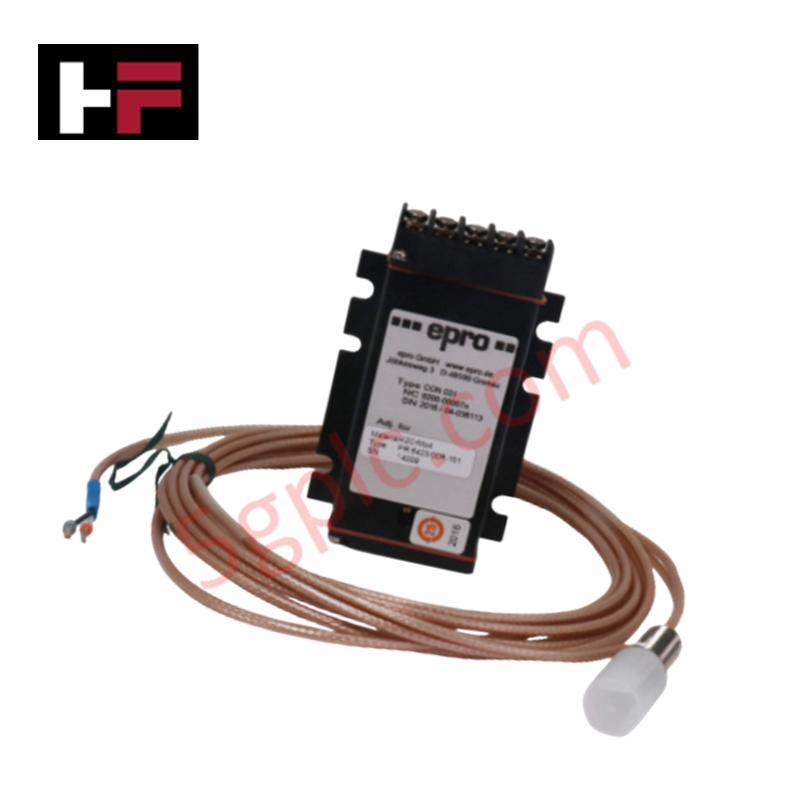
Configured for high-frequency shaft displacement acquisition in rotating machinery, the Emerson EPRO CON041+PR6424/006-131 (PR6424/006-131) Eddy Current Sensor System provides direct physical execution of dynamic and static signal conversion for axial and radial shaft monitoring.
Hardware Specifications
| Parameter | Specification |
|---|---|
| Model | CON041+PR6424/006-131 |
| Brand | Emerson EPRO |
| Dimensions | 8 mm Probe Diameter |
| Operating Temp | -30 deg C to +100 deg C (Converter) |
| Power Consumption | -23 VDC to -32 VDC |
Mechanical Monitoring and TSI Integration
The system employs eddy-current induction to measure shaft position and vibration. Accurate output requires precise eddy-current probe scaling to ensure the transducer voltage-to-distance ratio aligns with sensitivity specifications. During initial setup, the user must perform gap voltage validation, targeting a nominal -10 VDC offset to ensure the signal remains within the linear dynamic range of the probe. To prevent signal degradation, the system utilizes high-frequency response capabilities; effective cross-talk suppression is achieved by maintaining the integrity of the shielded cabling between the transducer and converter, ensuring that electromagnetic transients do not interfere with the detection of shaft eccentricity or orbital vibration patterns.
Frequently Asked Questions
Q: Can the CON041 converter be field-calibrated for different sensor lengths?
A: No. The CON041 and PR6424 components are a matched, factory-calibrated set. Changing the cable length or swapping components will alter the system impedance and frequency response, resulting in measurement inaccuracy.
Q: Is this system capable of detecting shaft speed via key-phasor signals?
A: Yes. The frequency bandwidth allows the system to process key-phasor pulses for speed and phase reference, provided the target geometry and sensor mounting are correctly aligned for pulse detection.
Field Installation Guidelines
- Probe Mounting: Ensure the sensor is mounted in a rigid, vibration-resistant bracket. Any movement of the sensor relative to the housing will be registered as false vibration data.
- Gap Adjustment: Utilize a feeler gauge to set the sensor at the nominal air gap. Verify that the sensor tip is fully clear of the shaft surface throughout the entire range of thermal expansion and shaft movement.
- Grounding: Terminate the converter housing to a clean instrument ground. Use shielded cabling for all output signals to minimize electromagnetic interference (EMI) from adjacent power cables.
- Environment: Protect the converter from direct fluid exposure. Ensure all connections are tightened to prevent ingress of conductive dust or moisture, which could cause drift in the gap voltage reference.
Additional Information
- 100% Genuine Parts: All products are original and authentic, ensuring reliable industrial performance.
- 30-Day Refund Guarantee: Return any in-stock item within 30 days in original, unopened packaging for a full refund (excluding shipping and fees).
- 12-Month Warranty: Covers defects in materials or workmanship; excludes misuse, normal wear, or unauthorized modifications.
- Worldwide Shipping: We ship via USPS, UPS, FedEx, and DHL. Delivery times vary by country and may be subject to customs or import fees.
- Support & Contact: Technical and warranty assistance is available anytime. Contact us here: Contact.
- Purchase Guidance: Check product specifications and compatibility carefully before ordering to ensure proper application.
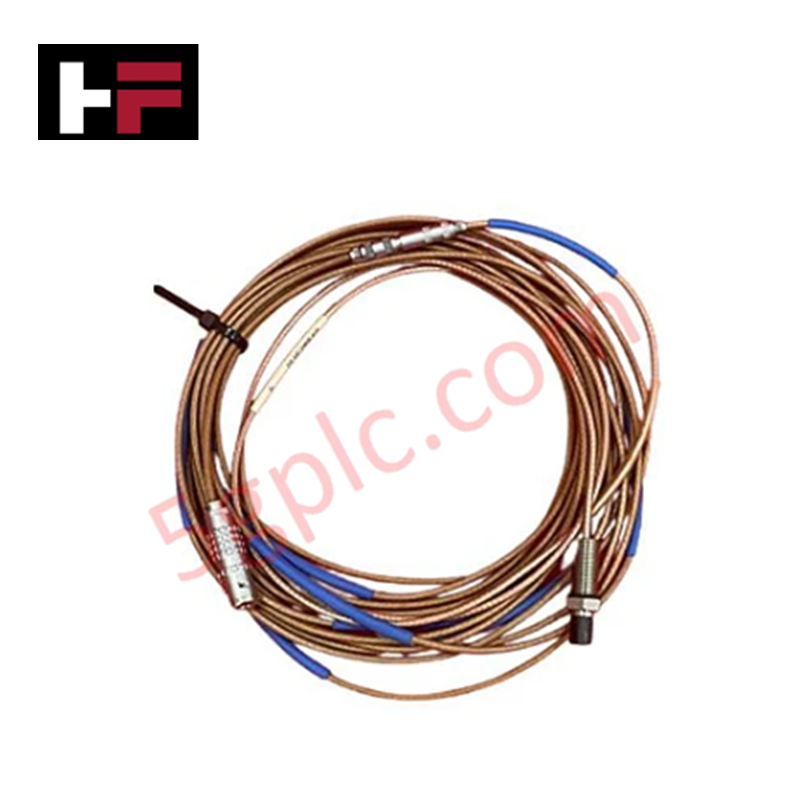
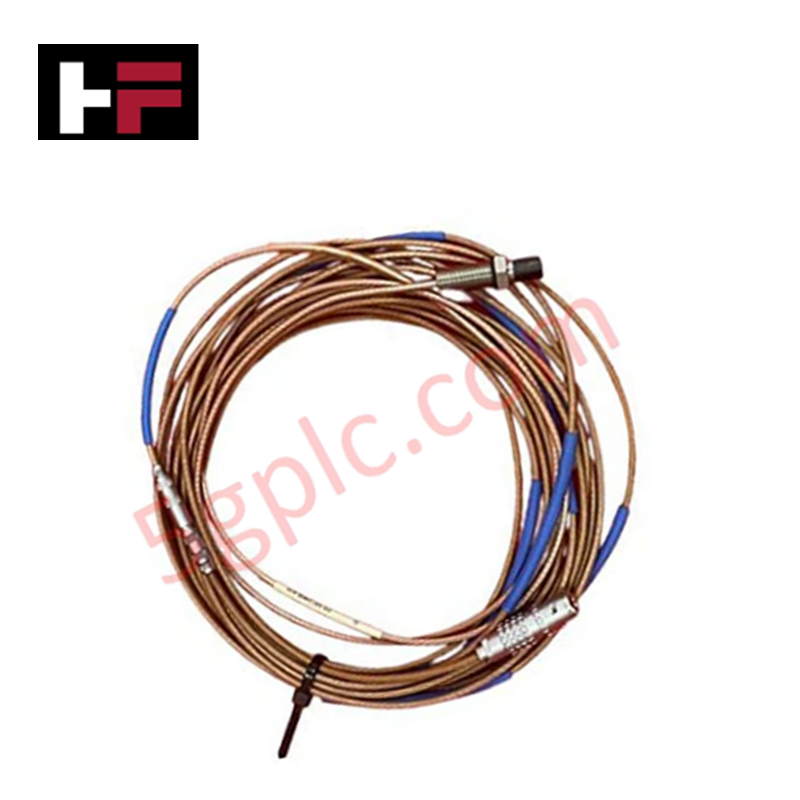
Tech & Buying Guide
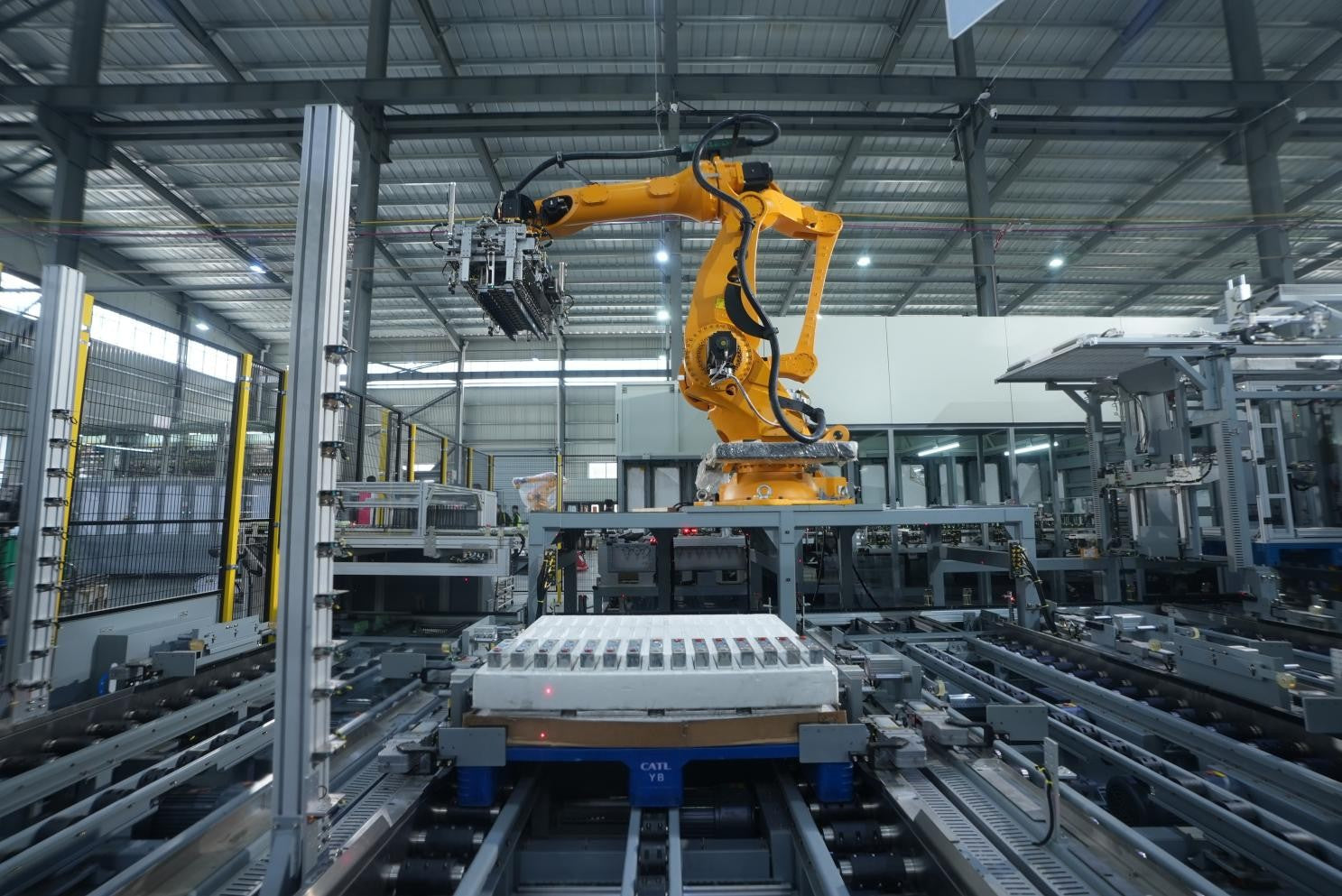
Strategic Selection: Choosing the Right SCADA Software for Your PLC Project
In industrial automation, the SCADA (Supervisory Control and Data Acquisition) system acts as the bridge between raw machine data and actionable human intelligence. Selecting the incorrect software platform can lead to integration bottlenecks, scalability issues, and excessive long-term maintenance costs. As an automation consultant with 15 years of experience, I have guided many projects through the selection process. Below are the essential criteria for choosing a platform that ensures both performance and longevity.

Ensuring Operational Continuity: The Strategic Value of Redundant Automation Systems
In modern industrial landscapes, unplanned downtime is the ultimate adversary. For sectors relying on complex PLC and DCS architectures, a single hardware failure can trigger catastrophic production losses. Therefore, implementing redundant automation systems is no longer a luxury; it is a fundamental requirement for mission-critical operations. In this article, I analyze why redundancy remains the backbone of reliable industrial infrastructure.

Selecting the Right Cables for Industrial Automation: A Comprehensive Guide
Selecting the appropriate cabling infrastructure is critical for the success of any industrial automation project. Improper cable selection often leads to signal degradation, system instability, and costly downtime. As an automation engineer, I frequently see projects compromised by poor cabling choices in harsh industrial environments. This guide simplifies the complex landscape of cabling to help you make informed decisions for your PLC, DCS, and control systems.