
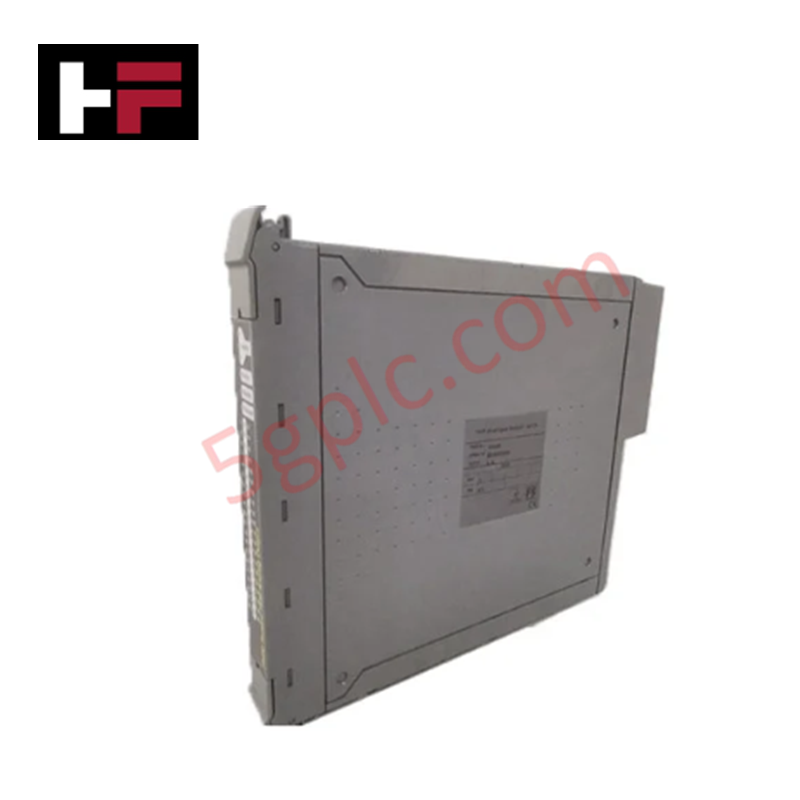
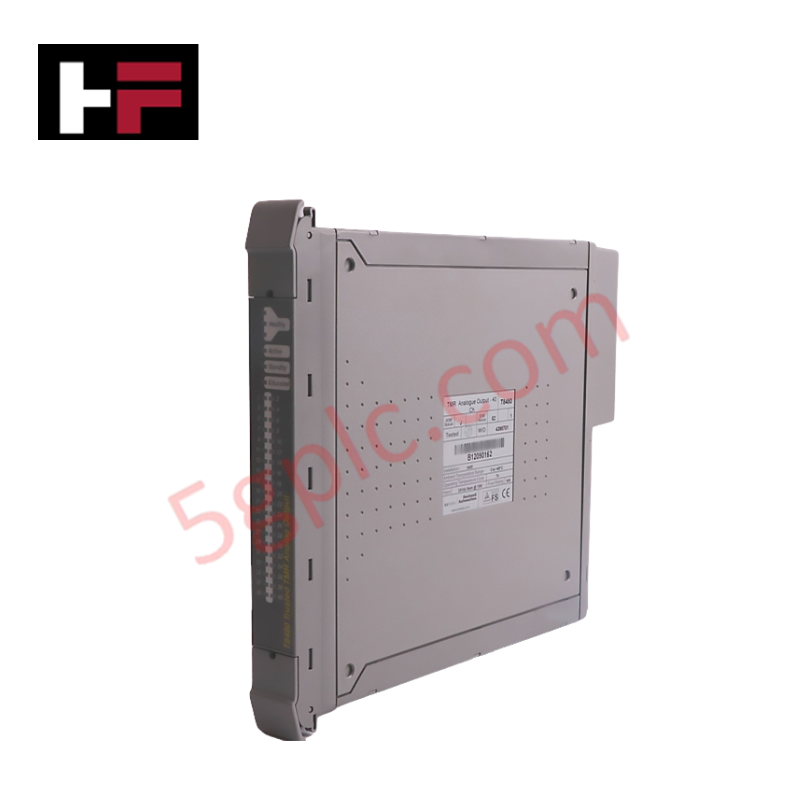
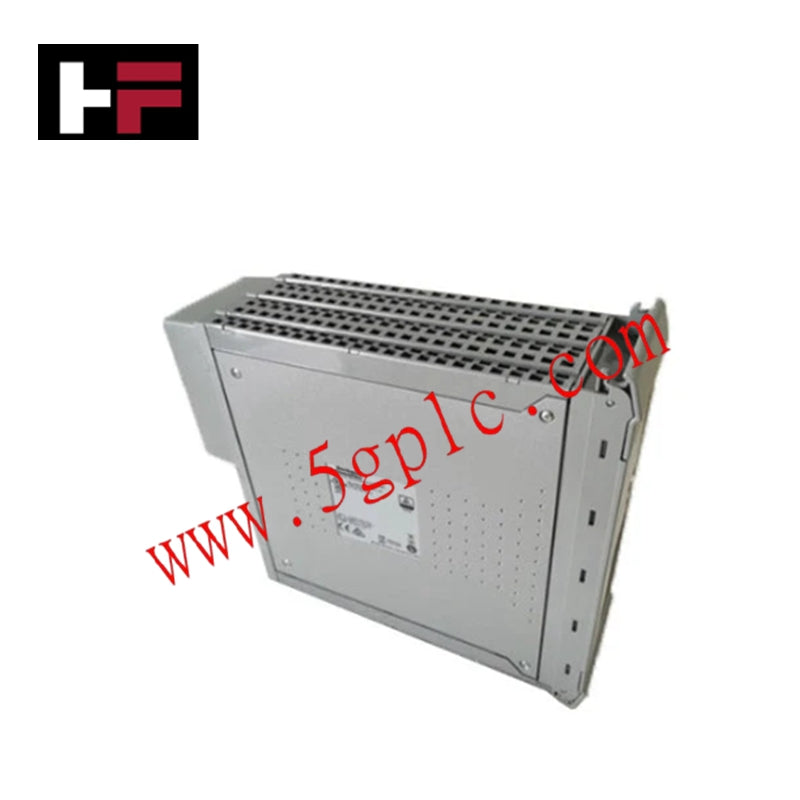
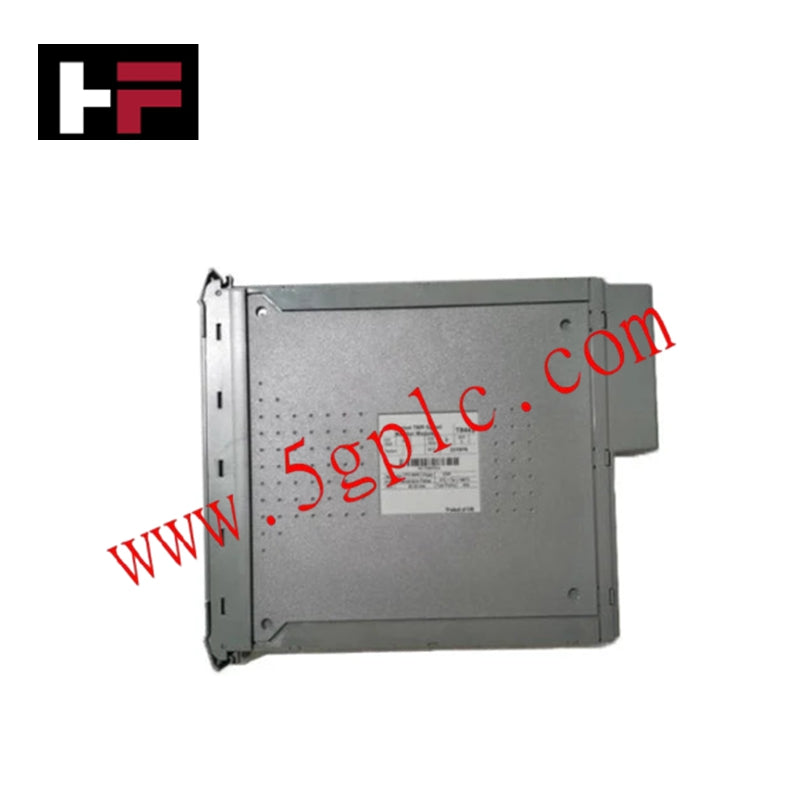
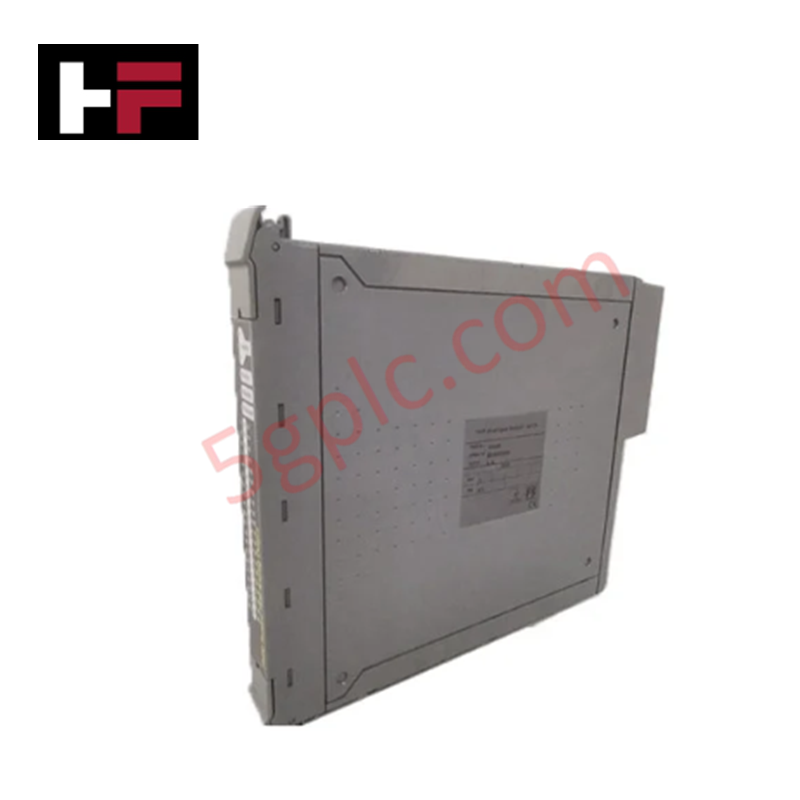
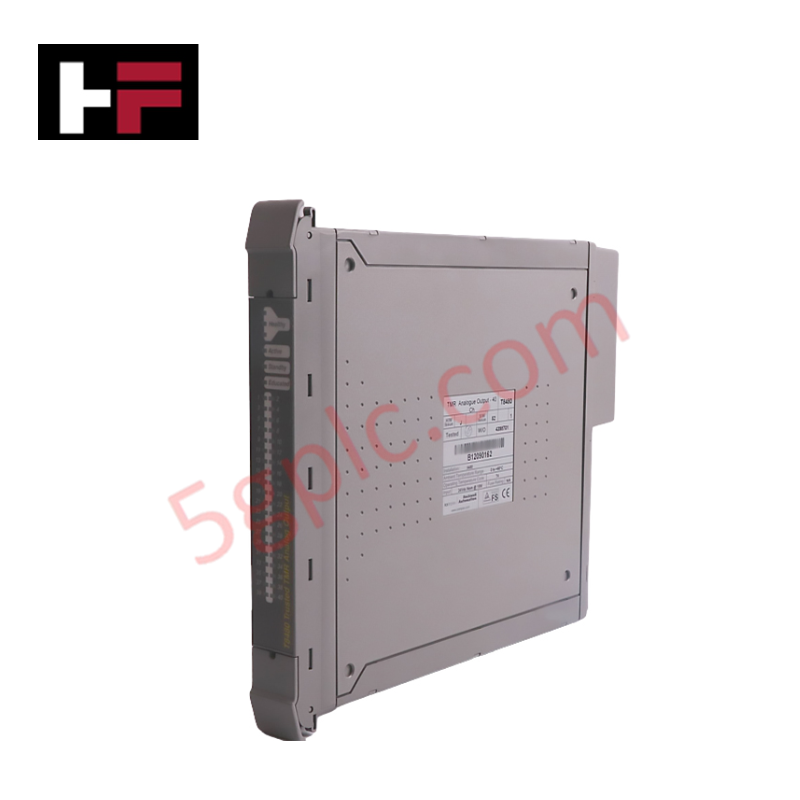
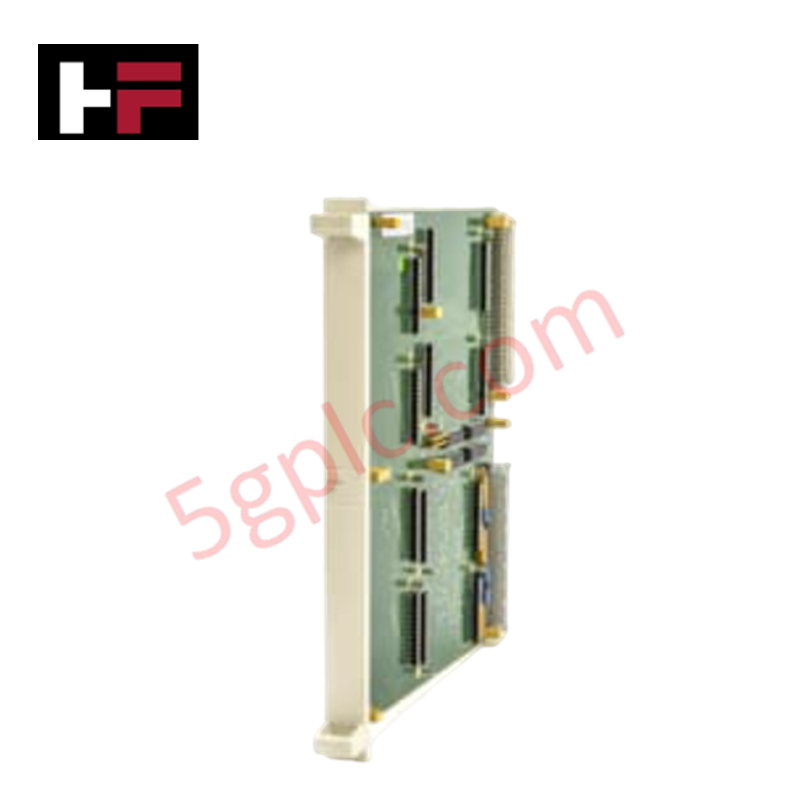
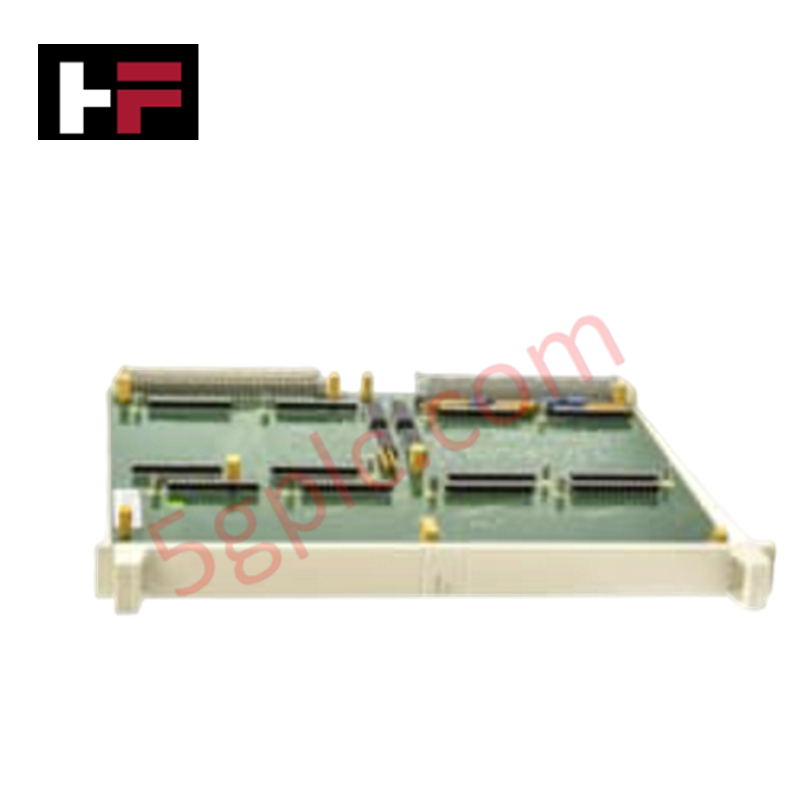
Product Details
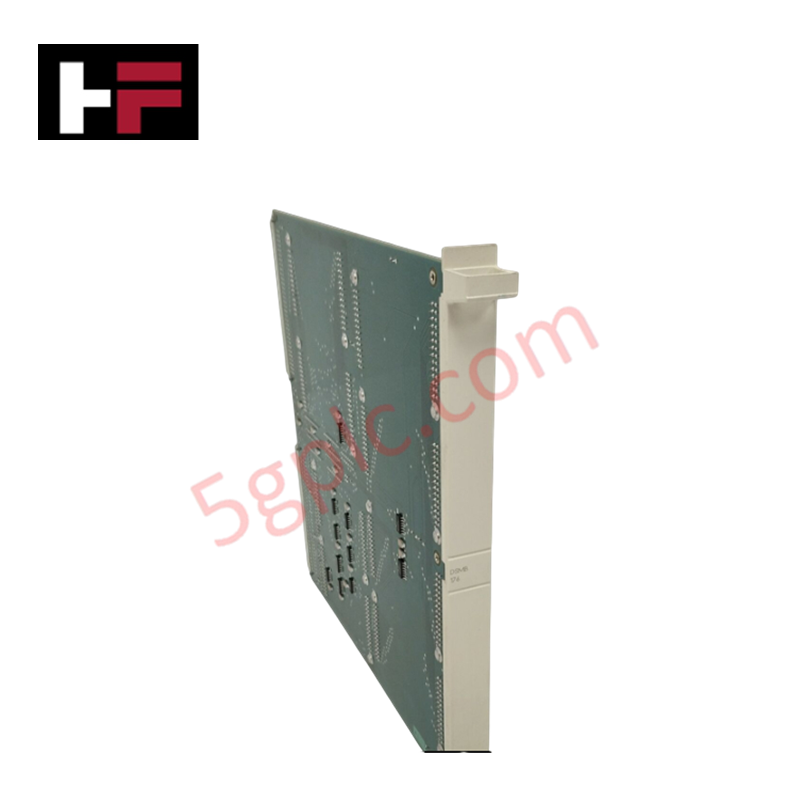
The ABB EXC57360001-HX, also cataloged as the DSMB 176 Memory Board, operates as a dedicated hardware component for localized control logic execution within ABB Advant Master processing systems. This board function involves retaining active system runtime parameters, variable database files, and system configuration profiles via stable physical memory addresses accessed through the local rack bus architecture.
Hardware Specifications
| Parameter | Specification |
|---|---|
| Model | DSMB 176 (EXC57360001-HX) |
| Brand | ABB |
| Origin | Sweden / Germany (Standard production matrix baseline) |
| Weight | 0.34 kg |
| Dimensions | Standard rack module dimensions (Fits standard memory card sub-rack) |
| Operating Temp | 0 to 60 deg C (Nominal industrial standard limits) |
| Power Consumption | Rack backplane-driven |
| Product Type | Memory Modules |
Profinet / EtherNet/IP Deterministic Networks and I/O Density Scaling
The asynchronous read and write cycle latency of the ABB DSMB 176 EXC57360001-HX is designed to conform to the local backplane bus communication velocity constraints. When controller architectures push raw operational datasets to upper networks running on Profinet or EtherNet/IP deterministic networks, this assembly maintains memory parity integrity without introducing address access delays. The local shielding configuration limits external noise disruptions during intense I/O density scaling spikes, securing buffer execution and maintaining strict firmware flash compatibility across standard execution sub-slots.
Frequently Asked Questions
Q: Is this memory card qualified for live extraction or hot-swap insertion while the local processing node is powered up?
A: No. Hot-swapping the DSMB 176 module during active processing will cause immediate bus communication velocity drops, local CPU traps, and serious volatile database corruption due to incomplete read/write memory loops.
Q: How should a memory address mapping fault or parity block error be diagnosed on this board?
A: Parity errors and block address mapping failures must be verified via the master controller error log software. If a hardware fault is isolated, the board assembly must be powered down and replaced with a fully compatible revision following firmware flash compatibility checks.
Field Installation Guidelines
- ESD Shielding Compliance: Field service personnel must wear a properly grounded electrostatic discharge (ESD) wrist strap prior to opening the static-shielded packaging or handling the memory substrate board to prevent internal micro-circuit dielectric breakdown.
- Backplane Insertion Method: Ensure total isolation of the rack power system. Align the circuit card precisely inside the sub-rack track guides, slide the unit forward until the connector seats fully, and lock the faceplate fasteners.
- Low-Voltage Routing Rules: Maintain a clearance of at least 100 mm between external communication network lines connected to the slot framework and any AC power routing paths to block inductive electrical noise.
- Enclosure Climate Validation: Mount the chassis sub-rack inside an IP 54 rated industrial control cabinet that controls ambient moisture and prevents condensation or airborne particulate accumulation on open trace loops.
Additional Information
- 100% Genuine Parts: All products are original and authentic, ensuring reliable industrial performance.
- 30-Day Refund Guarantee: Return any in-stock item within 30 days in original, unopened packaging for a full refund (excluding shipping and fees).
- 12-Month Warranty: Covers defects in materials or workmanship; excludes misuse, normal wear, or unauthorized modifications.
- Worldwide Shipping: We ship via USPS, UPS, FedEx, and DHL. Delivery times vary by country and may be subject to customs or import fees.
- Support & Contact: Technical and warranty assistance is available anytime. Contact us here: Contact.
- Purchase Guidance: Check product specifications and compatibility carefully before ordering to ensure proper application.






Tech & Buying Guide

Why Programmable Logic Controllers Drop into Stop Mode: An Expert Analysis
Industrial automation systems rely heavily on Programmable Logic Controllers (PLCs) to maintain uninterrupted production. When a PLC unexpectedly shifts from Run to Stop mode, whole manufacturing lines stall.
As control systems evolve across modern factory automation, understanding the root causes of these interruptions helps engineers minimize costly downtime. This technical guide breaks down why PLCs trip into Stop mode and provides practical strategies to mitigate system faults.

Understanding Root Causes of Unplanned PLC Stop Mode in Industrial Automation
Modern Programmable Logic Controllers manage execution through distinct operational states: Run, Stop, Start-Up, and Hold. During power-up, a controller initializes memory registers within Stop mode before briefly transitioning to Start-Up mode. During this phase, internal self-diagnostics evaluate system integrity across hardware and user programs. If the controller detects no critical faults, it enters Run mode to execute the control program continuously. However, any severe system anomaly forces the CPU back into Stop mode immediately to prevent erratic machine behavior across the plant floor.

Human-Machine Interface Design: Essential Guide to HMI Selection, Visualization, and Control System Integration
Human-Machine Interfaces (HMIs) serve as the primary operational window into complex industrial automation systems. Modern HMIs convert raw machine data into clear graphical displays, enabling operators to oversee entire manufacturing processes in real time. Instead of relying on physical control panels full of hardwired switches, engineers program interactive screens using intuitive graphics, dynamic color coding, and responsive touch interfaces. Over my 15 years in control systems engineering, I have observed HMIs transform from basic display screens into sophisticated command centers that drive operational efficiency across DCS and PLC environments.