










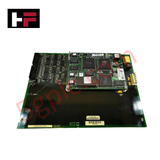
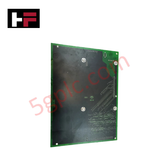
Product Details
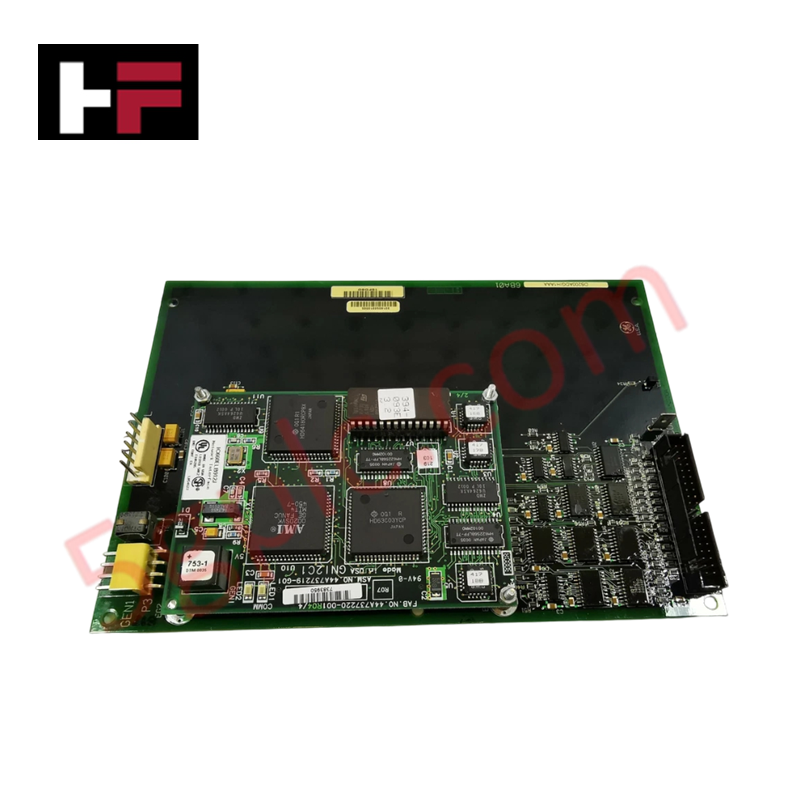
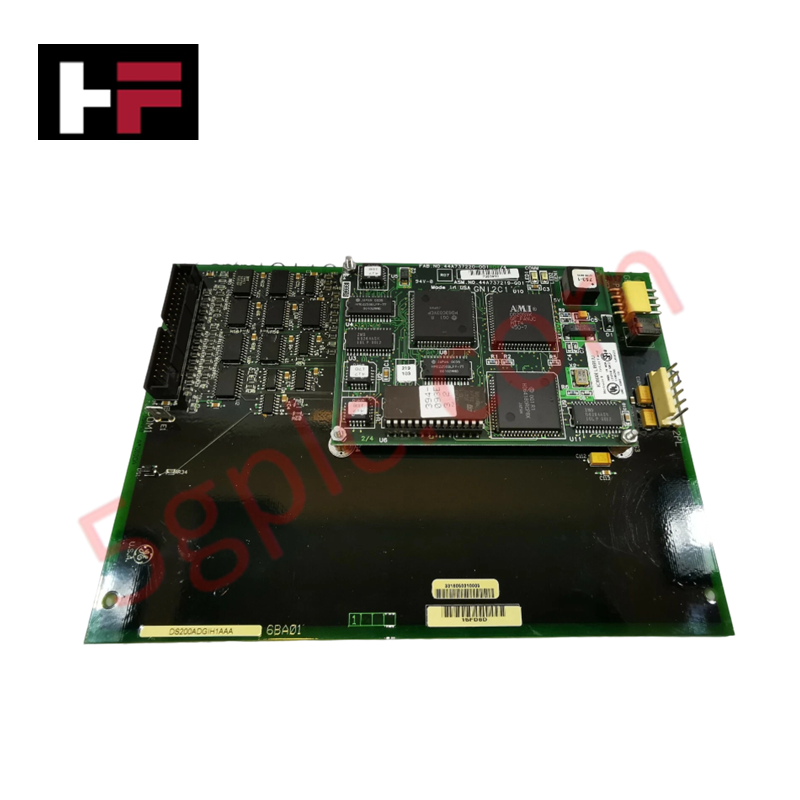
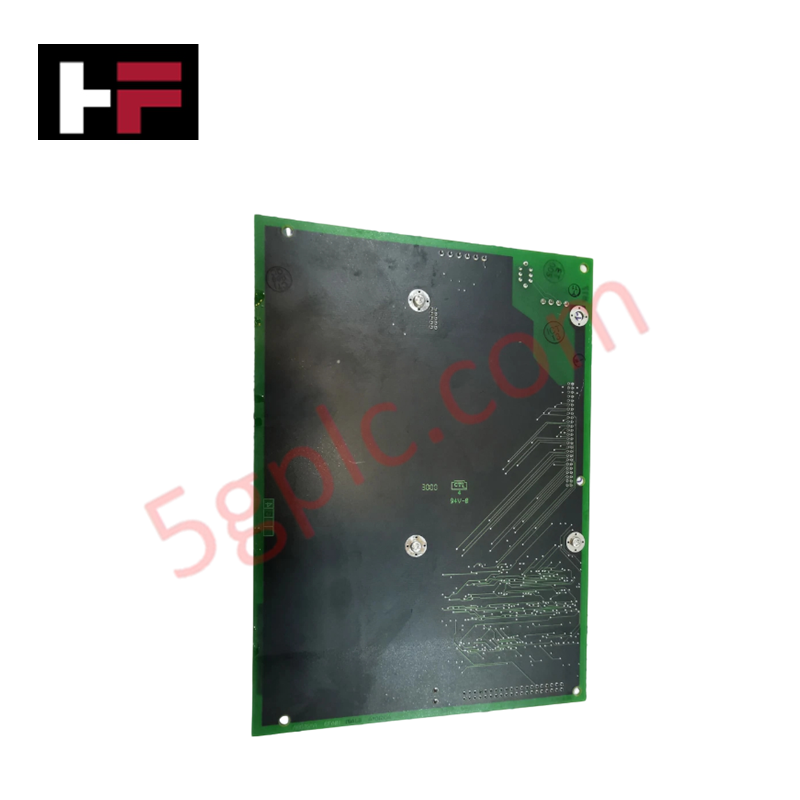
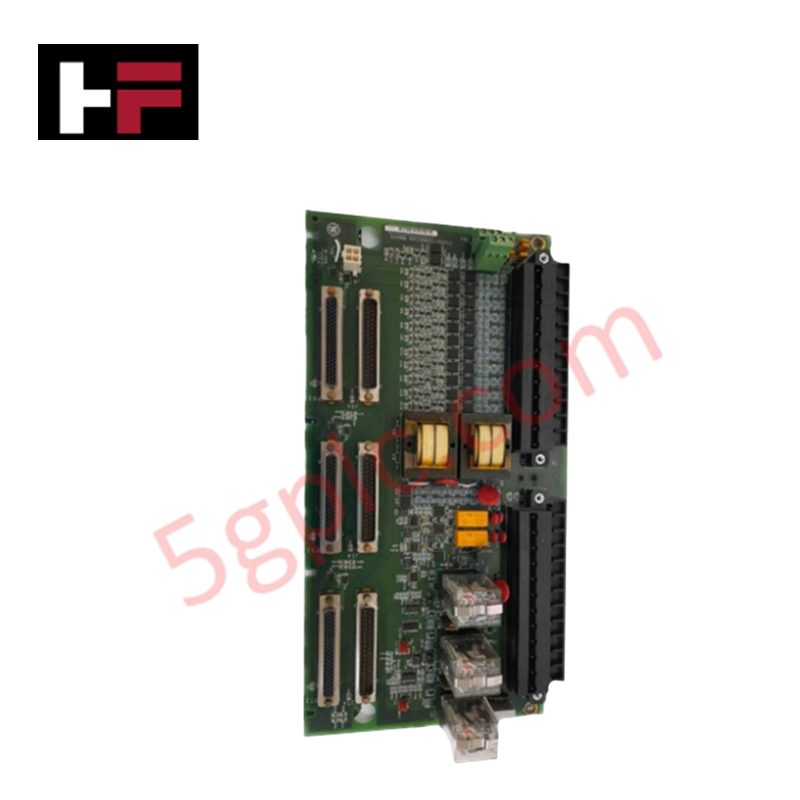
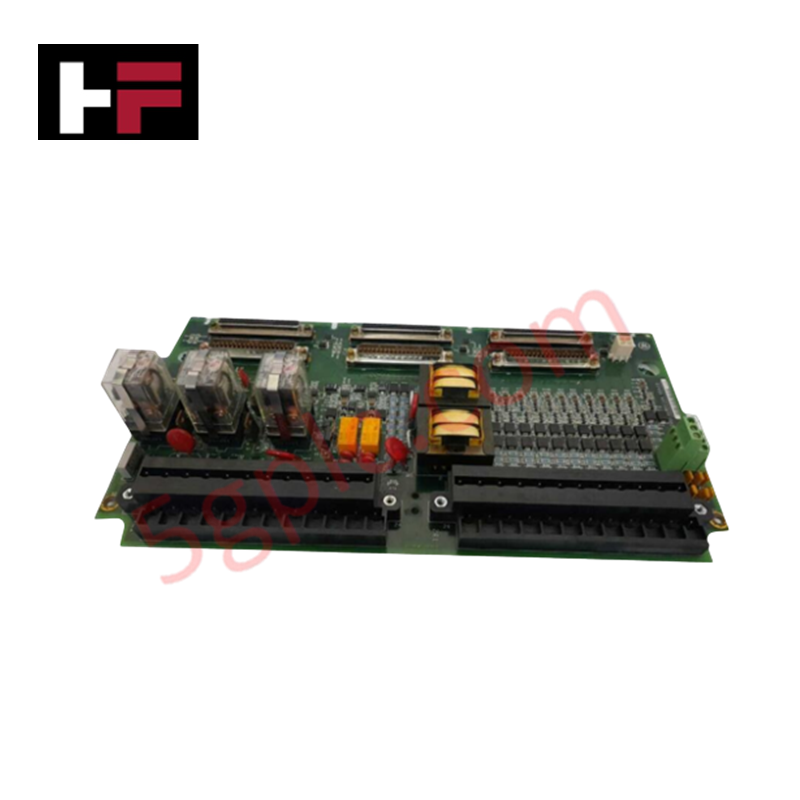
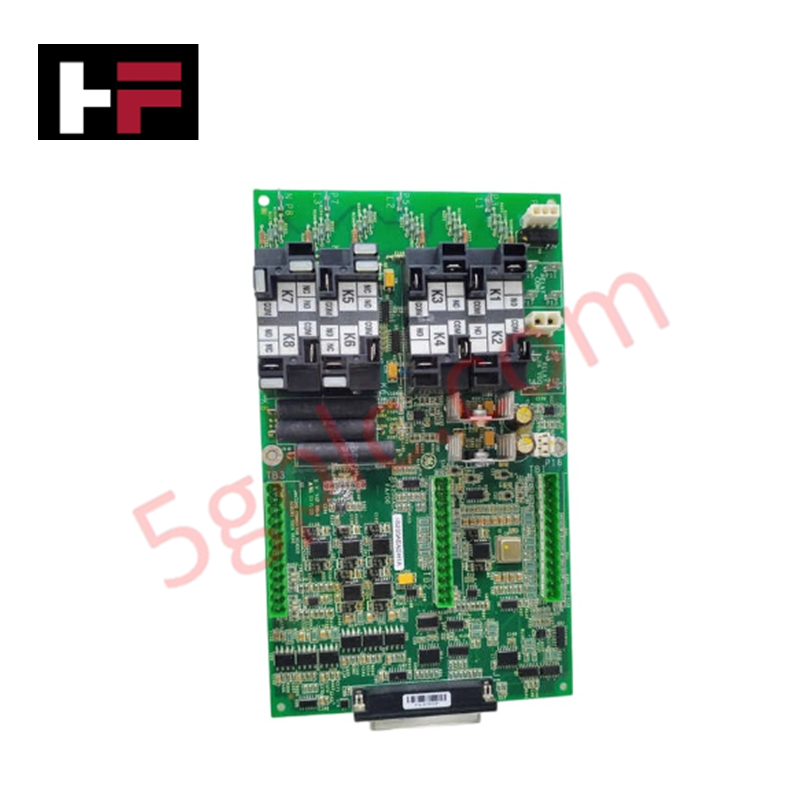
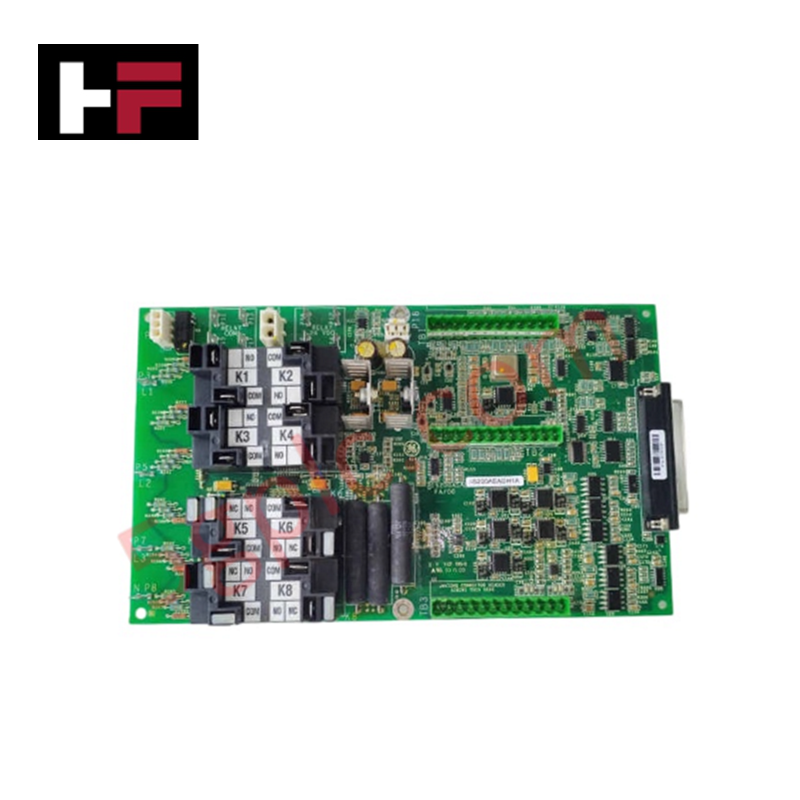
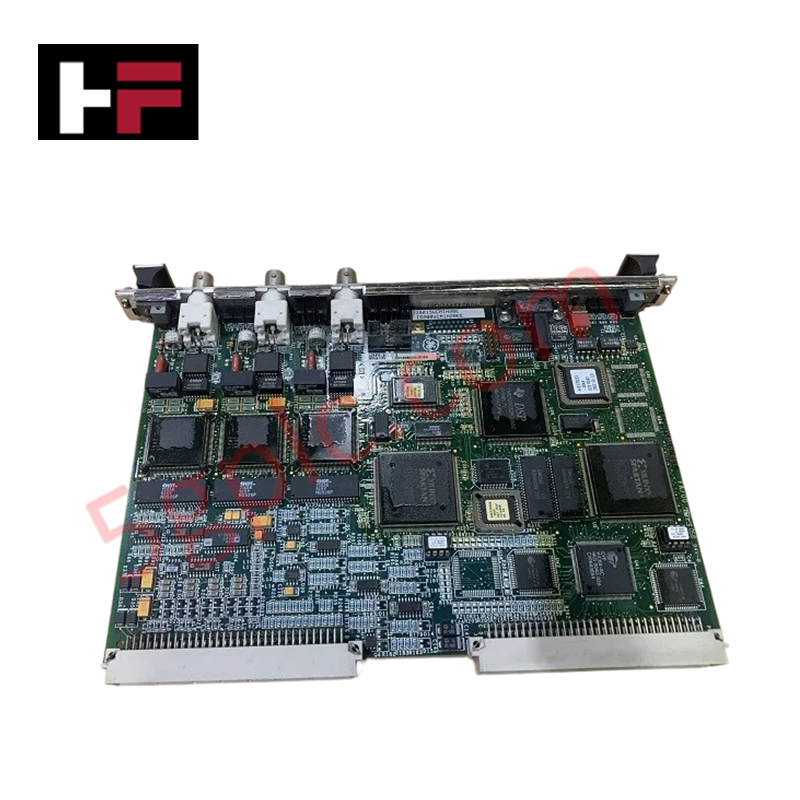
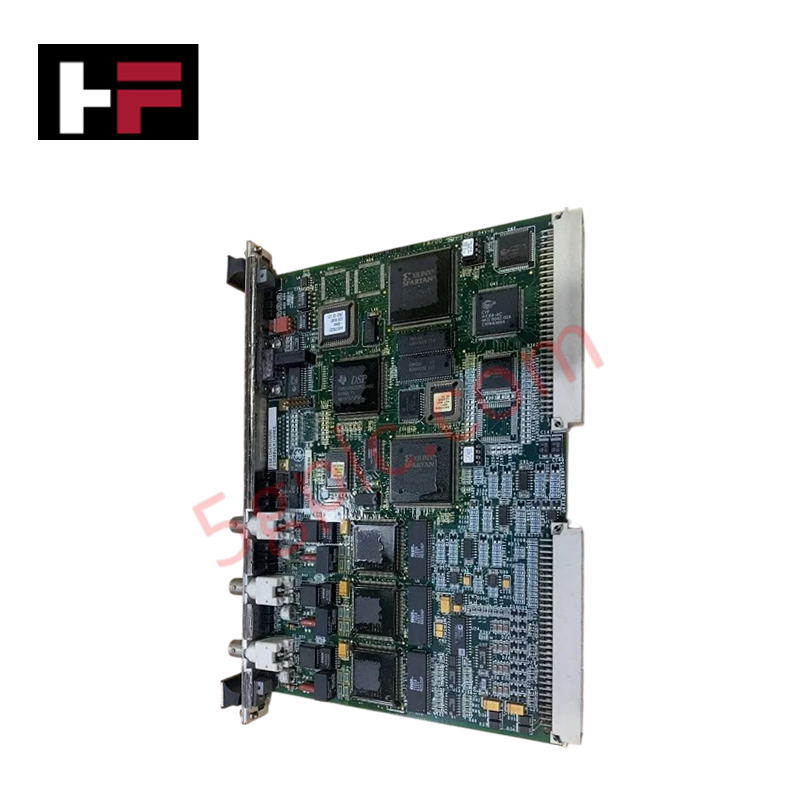
Configured for high-voltage sequence management in EX2000 excitation systems, the GE DS200ADGIH1AAA (DS200ADGI Auxiliary DC Control Card) provides direct electrical execution of generator protection and interlocking logic.
Hardware Specifications
| Parameter | Specification |
|---|---|
| Model | DS200ADGIH1AAA |
| Brand | General Electric |
| Origin | USA |
| Dimensions | 17.8 cm x 33.02 cm |
| Operating Temp | -30 deg C to +65 deg C |
| Power Consumption | +5 V DC |
| Core Performance | 0-20 mA analog output |
Industrial Control & Firmware Compatibility
The DS200ADGIH1AAA manages high-voltage (2000 V) DC auxiliary systems by executing hard-wired interlock logic required for generator excitation and field protection. Backplane bus communication velocity is optimized for sub-millisecond response times, ensuring that fault conditions—such as generator ground faults or overvoltage—trigger rapid trip sequences to the turbine control system. The board provides interface points for ANSI standard generator protection relays (59, 64, 87G, 40) and manages permissives for field flashing and breaker closure. Firmware flash compatibility is dictated by the EX2000 series controller architecture; the card functions as an I/O-intensive logic hub that requires strict adherence to system-level register mapping to ensure deterministic interlocking during grid synchronization.
Frequently Asked Questions
Q: Can the 0-20 mA analog output be reconfigured for different ranges?
A: The 0-20 mA output is hardware-defined for integration with standard excitation control loops. Modification of the signal range may interfere with field-flashing permissives and is not supported by standard revision firmware.
Q: Is this board compatible with both static and brushless excitation systems?
A: Yes. The DS200ADGIH1AAA is designed for use in EX2000 systems supporting diverse excitation topologies. Users must ensure that jumper configurations on the board align with the specific excitation system type during the commissioning phase.
Field Installation Guidelines
- Physical Mounting: The card occupies a 17.8 cm by 33.02 cm footprint. Ensure the card rack guide rails are clean and free of debris to prevent mechanical stress on the board-to-backplane connector pins.
- Signal Grounding: Given the interface with 2000 V DC systems, verify that all common-mode noise suppression grounding points are tightly secured. Inadequate grounding of the interlock signal loop may result in spurious trip signals to the turbine control system.
- Interlock Logic Verification: Before the first startup, verify that all hard-wired interlock permissives (e.g., turbine speed, field breaker status) are correctly landed on the card terminal blocks. Failure to satisfy these signals will prevent the generator breaker from closing.
- Environmental Limits: Ensure the ambient temperature within the excitation cabinet remains within the -30 to +65 deg C range. Excessive heat can degrade the threshold accuracy of the fast-acting protection logic circuits.
Additional Information
- 100% Genuine Parts: All products are original and authentic, ensuring reliable industrial performance.
- 30-Day Refund Guarantee: Return any in-stock item within 30 days in original, unopened packaging for a full refund (excluding shipping and fees).
- 12-Month Warranty: Covers defects in materials or workmanship; excludes misuse, normal wear, or unauthorized modifications.
- Worldwide Shipping: We ship via USPS, UPS, FedEx, and DHL. Delivery times vary by country and may be subject to customs or import fees.
- Support & Contact: Technical and warranty assistance is available anytime. Contact us here: Contact.
- Purchase Guidance: Check product specifications and compatibility carefully before ordering to ensure proper application.
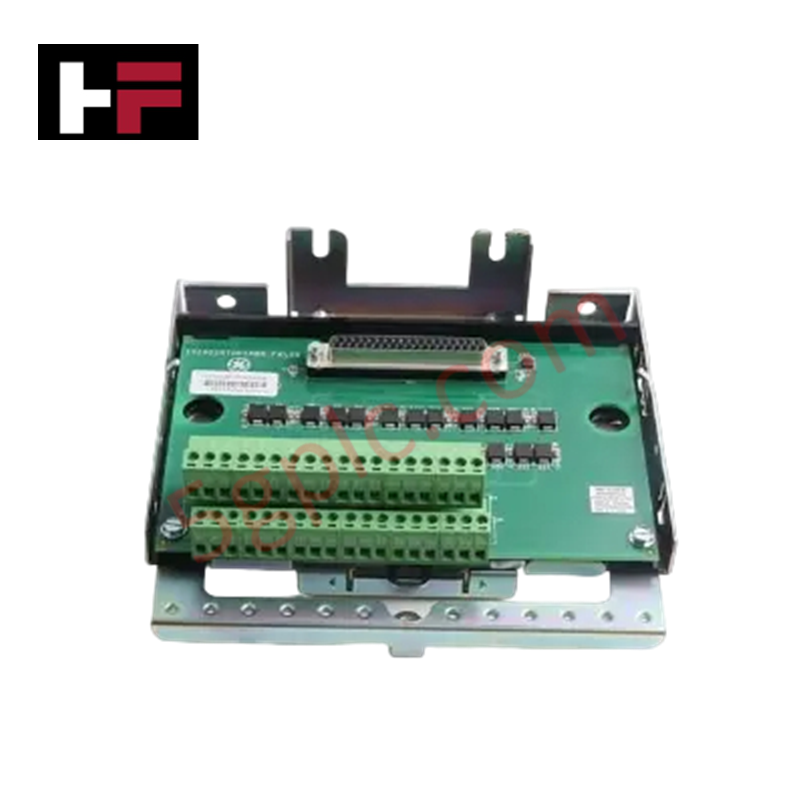
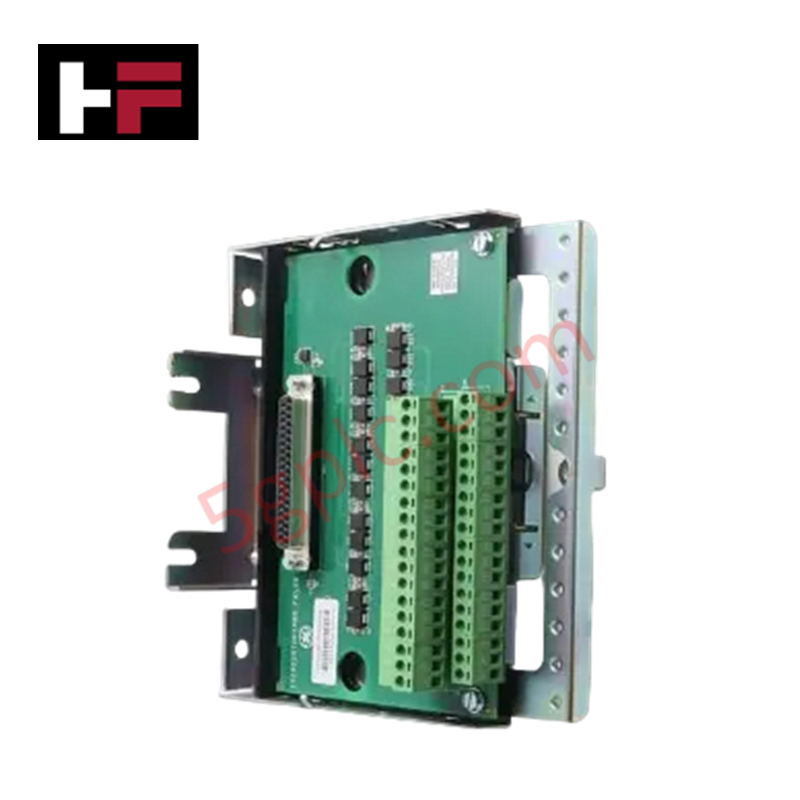
Tech & Buying Guide

Transforming Shop Floor Data into Actionable Insights: A Deep Dive into MES
Manufacturing Execution Systems serve as the digital backbone of modern factory floors. Positioned at Level 3 of the ISA-95 automation pyramid, MES links enterprise resource planning with real-time shop floor control systems. Today, industrial operators rely on MES software to bridge operational strategy with physical production execution.
Managed Switch vs. Unmanaged Switch: Industrial Ethernet Architecture

Hot Standby vs. Cold Standby Redundancy in Industrial Automation
System availability determines process safety and productivity in industrial automation. Control engineers deploy redundancy to eliminate single points of failure. This technical guide evaluates Hot Standby vs. Cold Standby architectures, comparing failover speeds, memory sync, cost trade-offs, and field selection criteria.