












Product Details
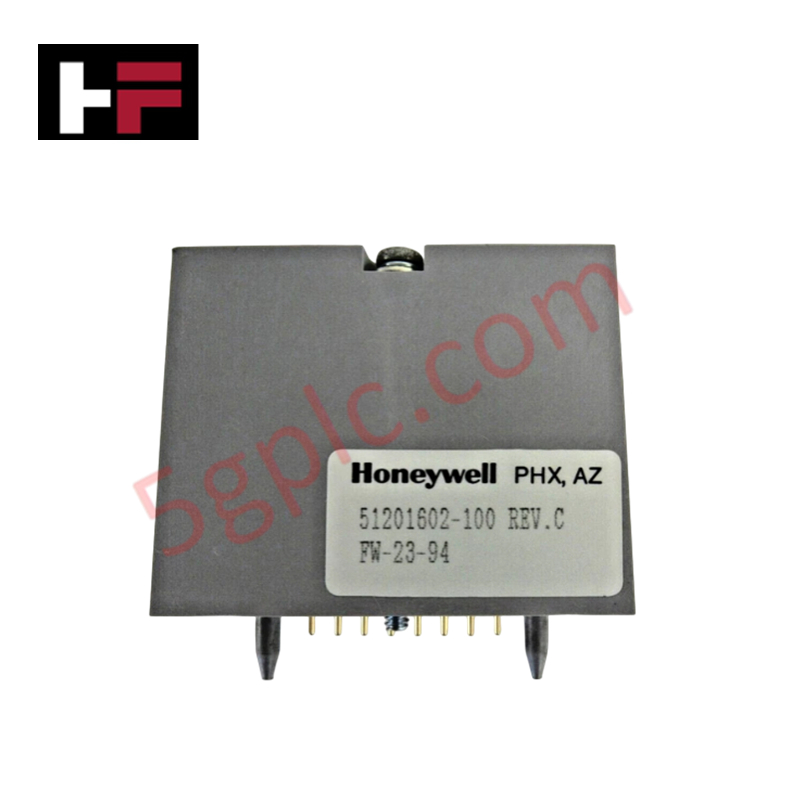
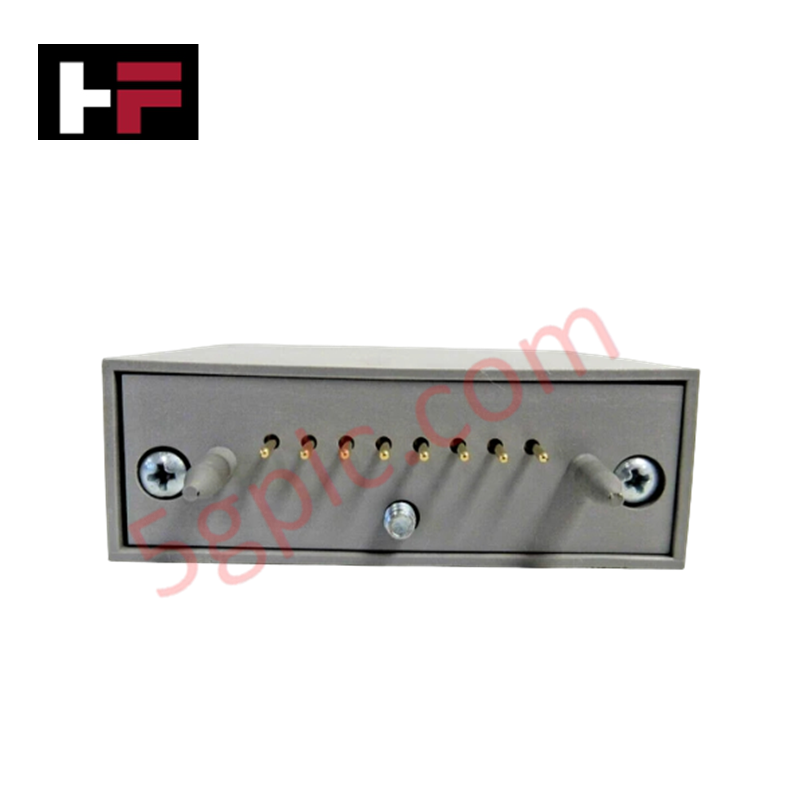
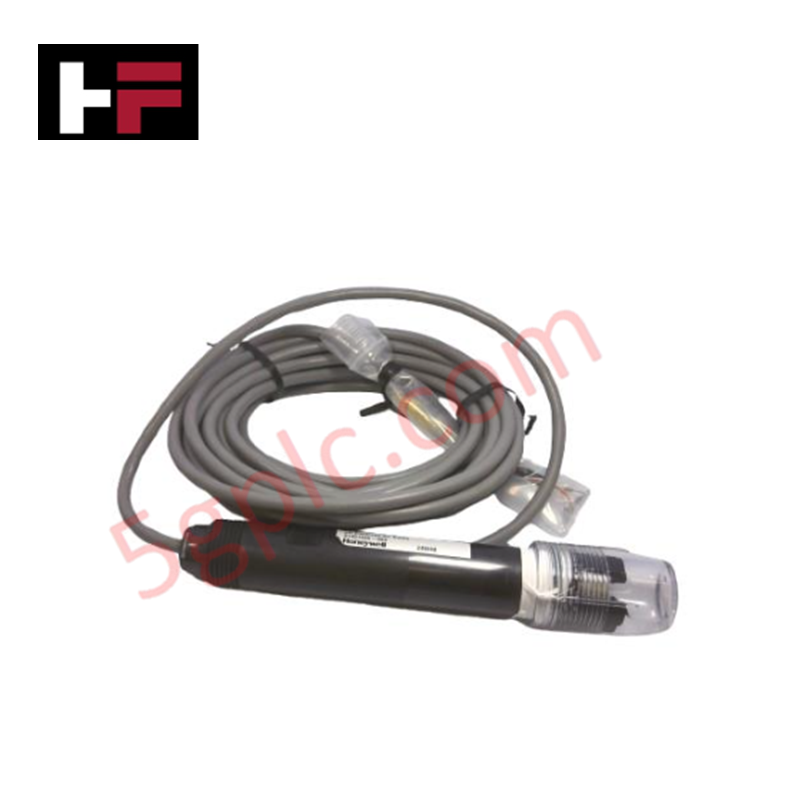
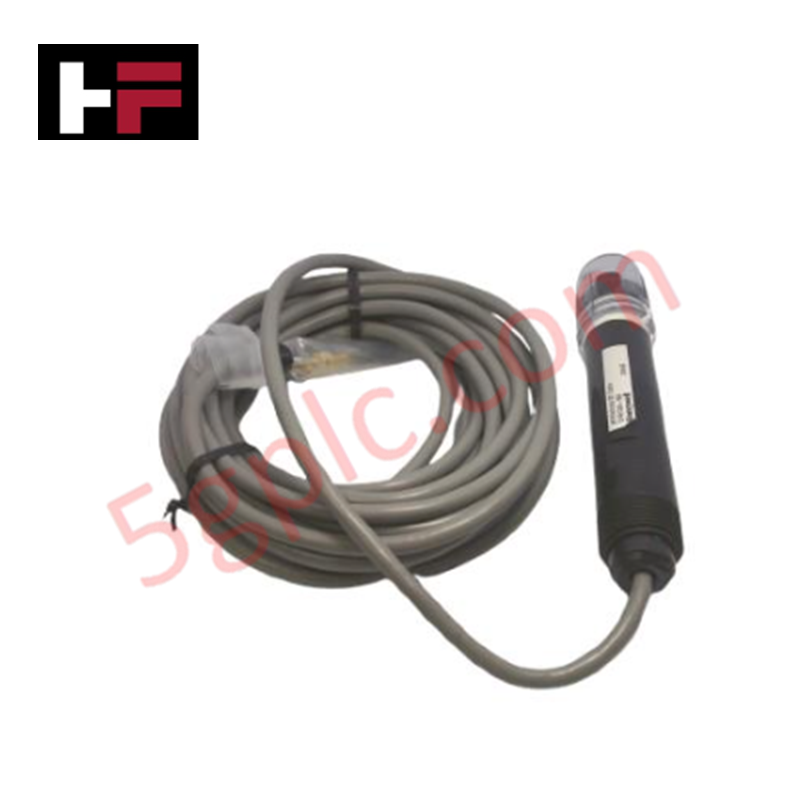
The Honeywell C7061A1046, also cataloged as the C7061A1046 Ultraviolet Flame Detector, operates as a dedicated hardware component for continuous optical flame sensing and burner safety monitoring within industrial combustion platforms. Operating on 120 VAC line power, it senses ultraviolet radiation emitted by gas, oil, or combination fuel flames to execute physical flame-on/flame-off signal transmission to the primary burner management system controller.
Hardware Specifications
| Parameter | Specification |
|---|---|
| Model | C7061A1046 |
| Brand | Honeywell |
| Origin | Industrial Standard Assembly |
| Weight | 2.60 kg |
| Dimensions | 13.5 x 13.5 x 18.0 cm |
| Operating Temp | -40 to +77 deg C (-40 to +170 deg F) |
| Power Consumption | 120 VAC, 50/60 Hz (Shutter Mechanism Powering) |
| Sight Pipe Mount | 1 inch NPT Threaded Interface |
| Optical Sensing | Ultraviolet Sensor Tube with Oscillating Mechanical Shutter |
| Enclosure Protection | NEMA 4 / IP66 Rated Enclosure |
Channel-to-Channel Isolation & DCS Process Telemetry
The C7061A1046 features a self-checking mechanical shutter mechanism that periodically interrupts incoming ultraviolet radiation to validate sensor tube integrity and prevent un-safe false-flame indication. High internal electrical isolation decouples line-voltage shutter drive circuits from low-voltage signal outputs connected to main DCS flame safeguard modules. This isolation barrier prevents power-line transients and electrical noise from corrupting co-located 4-20 mA HART loop protocol flame intensity signals or digital safety interlock loops across the combustion control network.
Frequently Asked Questions
Q: What is the purpose of the oscillating mechanical shutter inside the C7061A1046 detector?
A: The shutter cycles periodically to block UV light from reaching the sensor tube, providing a dynamic self-checking routine that detects internal tube failure or continuous discharge, thereby enforcing a fail-safe state.
Q: How is the physical mounting interface specified for the sight pipe installation?
A: The unit features an integrated 1 inch NPT internal thread mount designed to screw directly onto a standard 1 inch NPT sight pipe angled toward the primary flame envelope.
Q: Can the C7061A1046 be installed in wet or outdoor process locations?
A: Yes, the heavy-duty enclosure carries a NEMA 4 (IP66) rating, which protects internal optical components and wiring terminals against windblown dust, rain, and direct water jets.
Field Installation Guidelines
- Thread the C7061A1046 housing onto a 1 inch NPT sight pipe, engaging a minimum of 5 NPT threads to form a rigid, gas-tight mechanical seal.
- Align the sight pipe toward the intersection of the primary burner flame zone to optimize ultraviolet radiation reception.
- Wire the 120 VAC main supply and flame signal lines to internal screw terminals using shielded, high-temperature copper conductors.
- Ensure the NEMA 4 enclosure cover is fully tightened and conduit entries are sealed with liquid-tight fittings to block moisture ingress.
Additional Information
- 100% Genuine Parts: All products are original and authentic, ensuring reliable industrial performance.
- 30-Day Refund Guarantee: Return any in-stock item within 30 days in original, unopened packaging for a full refund (excluding shipping and fees).
- 12-Month Warranty: Covers defects in materials or workmanship; excludes misuse, normal wear, or unauthorized modifications.
- Worldwide Shipping: We ship via USPS, UPS, FedEx, and DHL. Delivery times vary by country and may be subject to customs or import fees.
- Support & Contact: Technical and warranty assistance is available anytime. Contact us here: Contact.
- Purchase Guidance: Check product specifications and compatibility carefully before ordering to ensure proper application.




Tech & Buying Guide

Understanding Marshalling Cabinets in Industrial Control Systems Architecture
Industrial control system deployments rely on structured signal distribution to bridge field instrumentation with central processing hardware. A marshalling cabinet serves as the vital intermediate connection point between heavy field home-run multi-pair cables and delicate input/output (I/O) modules housed inside Programmable Logic Controller (PLC) or Distributed Control System (DCS) enclosures. By segregating field cable terminations from control hardware, engineers maintain system flexibility, safeguard controller components, and streamline commissioning workflows.

FAT vs SAT in Industrial Control Systems: Key Differences and Execution Guide
Industrial control system deployment relies on strict verification protocols to guarantee operational safety, system stability, and regulatory compliance. Commissioning complex Programmable Logic Controller (PLC) racks, Distributed Control Systems (DCS), and Safety Instrumented Systems (SIS) requires two critical milestones: the Factory Acceptance Test (FAT) and the Site Acceptance Test (SAT). Both procedures validate that system automation meets design specifications, but they occur at different stages of project execution and target distinct operational risks.

Hub vs Switch vs Router in Industrial Automation Architecture
Modern factory automation relies on reliable industrial networking infrastructure to exchange real-time field data across operational technology systems. Engineers often encounter networking hardware like hubs, switches, and routers when integrating Programmable Logic Controllers, Distributed Control Systems, and SCADA monitoring nodes. Although these devices share physical ports, they operate at different layers of the Open Systems Interconnection reference model and deliver distinct traffic management capabilities.