


Product Details
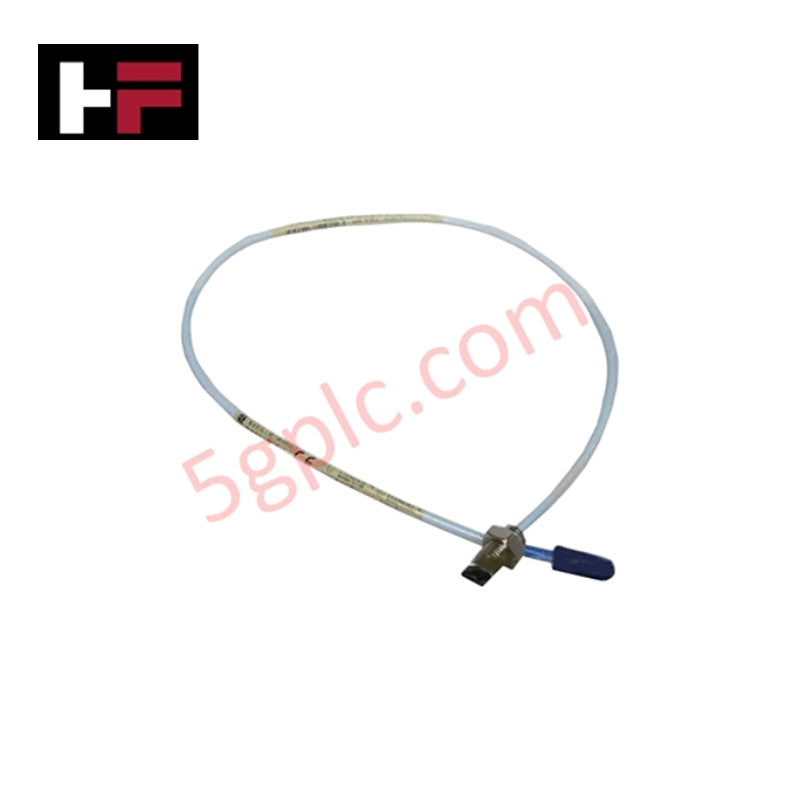
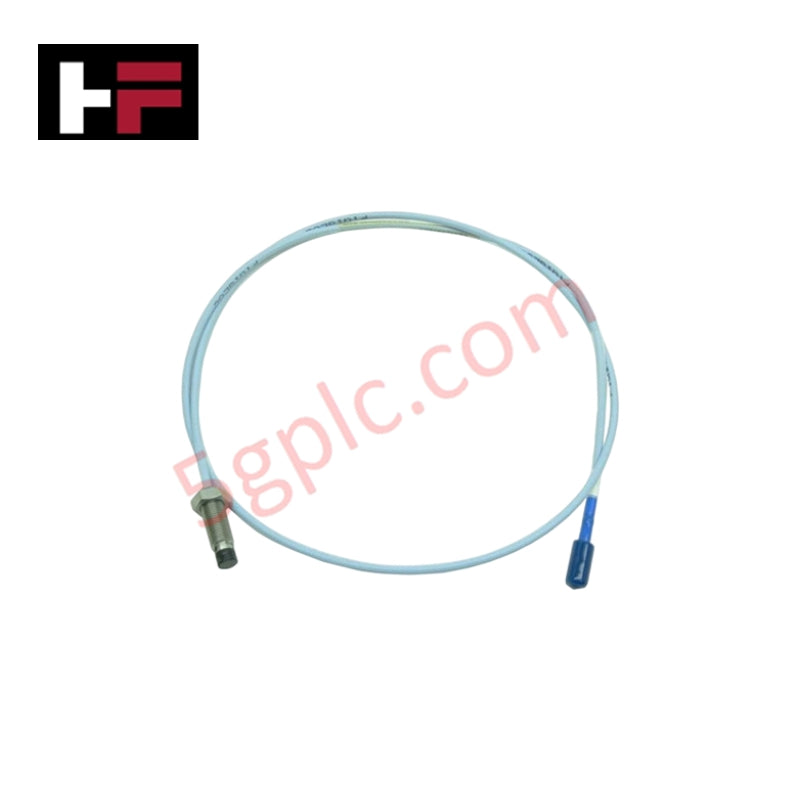
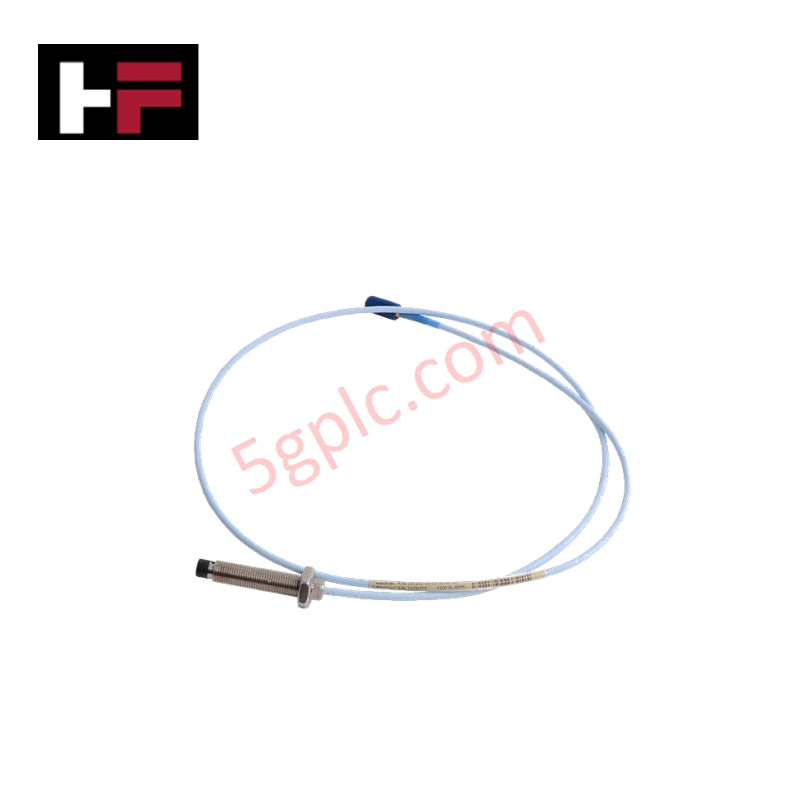
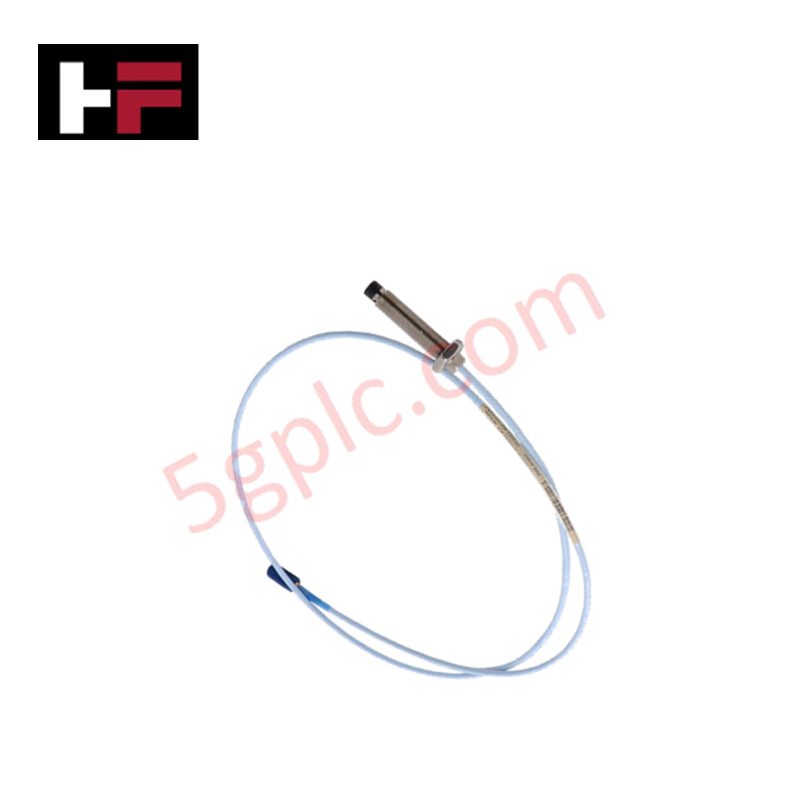
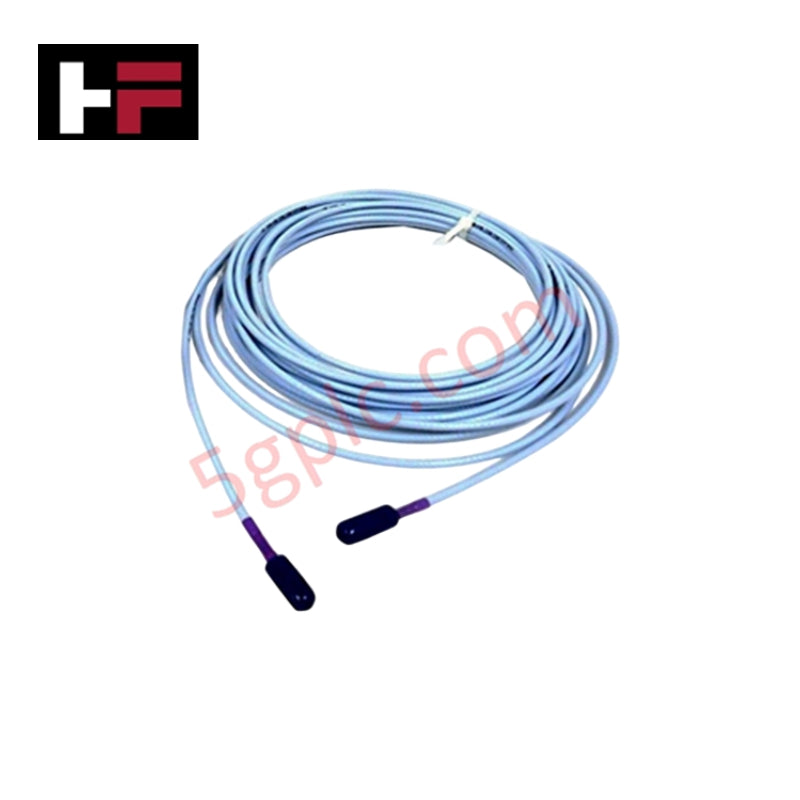
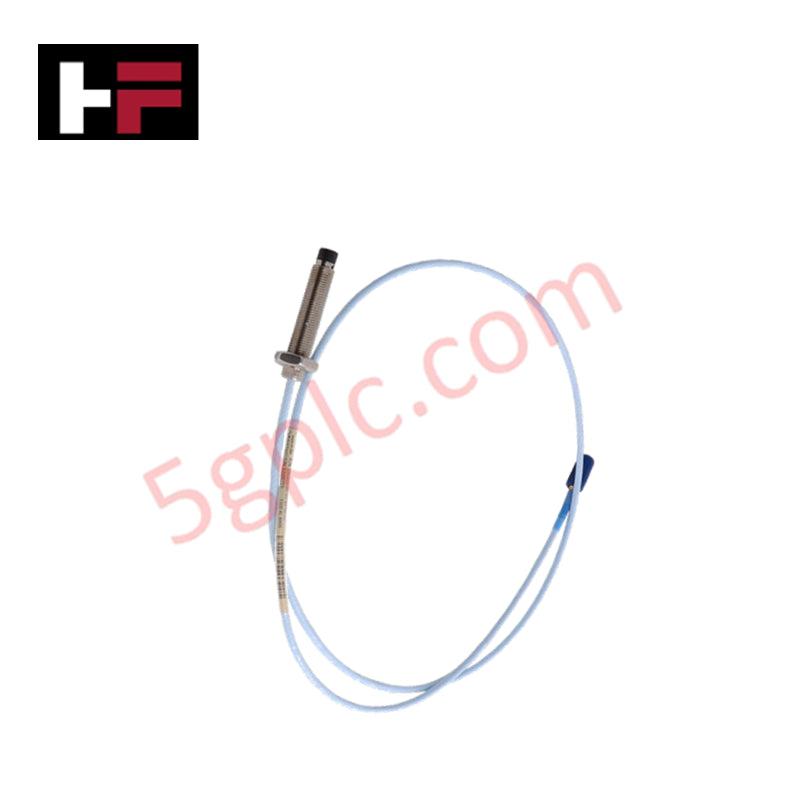
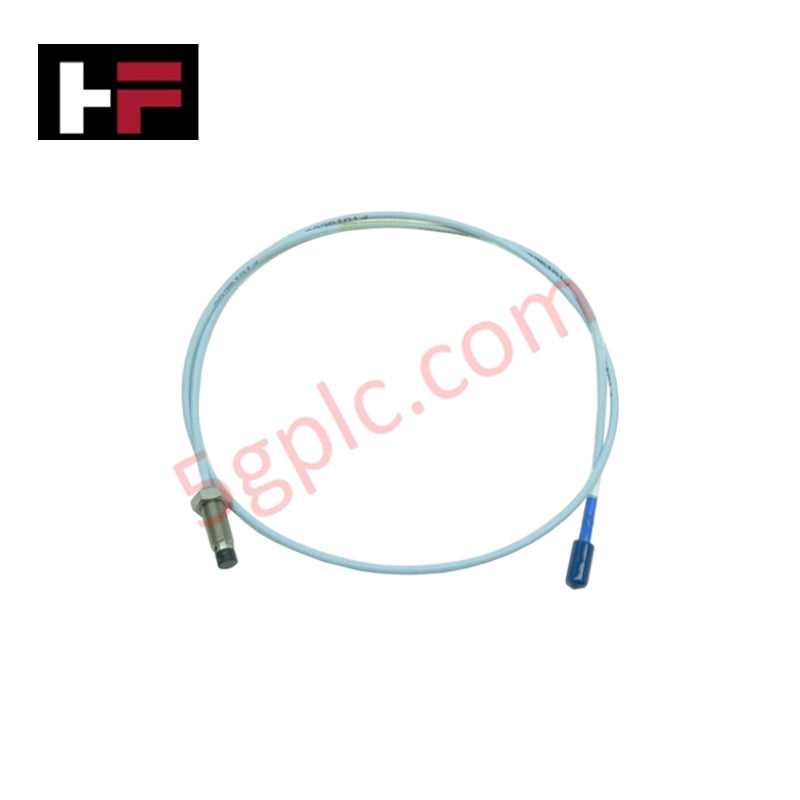
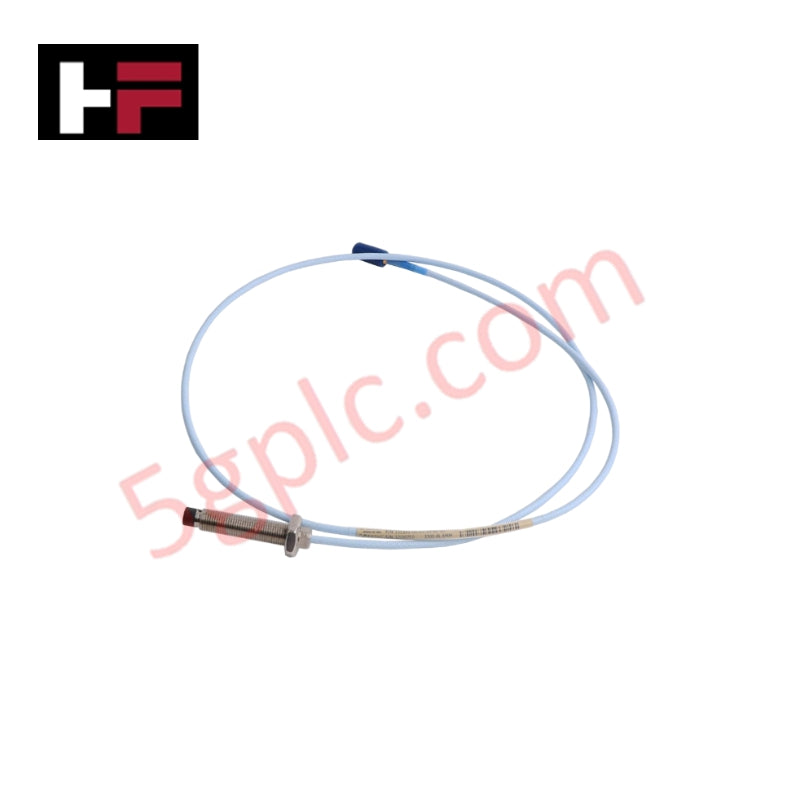
The Bently Nevada 330103-00-03-05-02 is an 8 mm eddy current proximity probe from the 3300 XL series, designed to measure shaft vibration, axial displacement, and rotational position in fluid-film bearing machinery. This configuration uses an M10 x 1 metric mounting thread, a 30 mm overall case length, a 0.5 m standard cable, and a miniature coaxial ClickLoc connector.
Functional Description
The 3300 XL 8 mm proximity probe operates on the eddy current sensing principle. It generates an electromagnetic field at the probe tip and detects changes in the gap between the probe and a conductive shaft surface.
When integrated with a compatible Proximitor sensor, the probe converts shaft movement into an electrical signal for machinery condition monitoring. Depending on the monitoring system configuration, this signal can support shaft vibration, axial position, rotational speed, and Keyphasor reference measurements.
Measurement Performance
The 3300 XL 8 mm proximity transducer system has a nominal linear measurement range of 2 mm (80 mils) and a scale factor of 7.87 V/mm (200 mV/mil).
These characteristics define the relationship between probe gap variation and output voltage. The scale factor allows the monitoring system to convert voltage changes into displacement measurements. The stated performance applies to the specified compatible transducer system configuration, not to the probe as an independently powered instrument.
Technical Specifications
| Parameter | Specification |
|---|---|
| Model | 330103-00-03-05-02 |
| Brand | Bently Nevada |
| Product Series | 3300 XL |
| Product Type | 8 mm Eddy Current Proximity Probe |
| Probe Model | 330103 |
| Thread Type | M10 x 1 |
| Probe Design | Without armor |
| Unthreaded Length | 0 mm |
| Overall Case Length | 30 mm |
| Total Cable Length | 0.5 m (1.6 ft) |
| Connector Type | Miniature coaxial ClickLoc connector |
| Cable Type | Standard cable |
| Linear Measurement Range | 2 mm (80 mils) |
| Scale Factor | 7.87 V/mm (200 mV/mil) |
| System Configuration | 5 m transducer system |
| System Standard | API 670 |
Part Number Configuration
The ordering code identifies the probe's mechanical dimensions and cable connection arrangement. The supplied configuration is defined as follows:
| Part Number Segment | Specification |
|---|---|
| 330103 | 3300 XL 8 mm probe, M10 x 1 metric thread, without armor |
| 00 | 0 mm unthreaded length |
| 03 | 30 mm overall case length |
| 05 | 0.5 m total cable length |
| 02 | Miniature coaxial ClickLoc connector with standard cable |
The supplied model code identifies the basic probe and cable configuration. Additional safety or agency approval suffixes may appear in the complete ordering number. These suffixes must be checked against the applicable manufacturer ordering documentation rather than inferred from the base model.
Construction and Cable Design
The probe tip uses polyphenylene sulfide (PPS), while the stainless steel housing is specified as AISI 303 or 304. The TipLoc molding design secures the probe tip assembly, and the CableLoc design provides mechanical cable retention.
The CableLoc arrangement has a stated tensile strength of 330 N. This value describes cable retention performance and should not be interpreted as a permissible continuous operating load or a general pulling force during installation.
System Configuration and Application
The 3300 XL 8 mm probe is a sensing element within a proximity transducer system. A compatible Proximitor sensor is required to condition the probe signal and provide the output used by machinery monitoring equipment.
For a 5 m system configuration, the probe, extension cable, and Proximitor sensor must have matching electrical characteristics. The 0.5 m cable specified by suffix 05 is one component of the connection arrangement; it does not independently establish the complete system length.
Frequently Asked Questions
Q: What is the difference between the 330103-00-03-05-02 and longer 330103 probe configurations?
A: The main difference identified by the supplied ordering codes is the mechanical configuration. This model has a 0 mm unthreaded length and a 30 mm overall case length, making it a shorter configuration than probes with longer unthreaded sections and cases.
Q: Does the 2 mm linear range apply to the probe alone?
A: No. The 2 mm (80 mils) linear range and 7.87 V/mm (200 mV/mil) scale factor describe the specified 3300 XL 8 mm transducer system performance. Correct operation depends on the compatible probe, extension cable, Proximitor sensor, and system calibration.
Q: Can this probe be used in an API 670 monitoring system?
A: It can be used as part of a compatible 3300 XL 8 mm transducer system designed for API 670 applications. The complete transducer configuration and installation must meet the applicable system requirements; the probe model alone does not establish system compliance.
Additional Information
- 100% Genuine Parts: All products are original and authentic, ensuring reliable industrial performance.
- 30-Day Refund Guarantee: Return any in-stock item within 30 days in original, unopened packaging for a full refund (excluding shipping and fees).
- 12-Month Warranty: Covers defects in materials or workmanship; excludes misuse, normal wear, or unauthorized modifications.
- Worldwide Shipping: We ship via USPS, UPS, FedEx, and DHL. Delivery times vary by country and may be subject to customs or import fees.
- Support & Contact: Technical and warranty assistance is available anytime. Contact us here: Contact.
- Purchase Guidance: Check product specifications and compatibility carefully before ordering to ensure proper application.
Tech & Buying Guide
Understanding Instrumentation Control Systems in Modern Industrial Automation
An instrumentation control system (ICS) serves as the central nervous system of modern manufacturing plants and processing facilities. Engineers classify these setups as Electrical, Electronic, or Programmable Electronic Systems (E/E/PES). In practice, an ICS bridges the physical world of industrial machinery with digital decision-making tools. Therefore, understanding its architecture is essential for anyone working in factory automation, process control, or plant safety.

Mastering Electrical Grounding Fundamentals in Industrial Automation and Control Systems
Electrical grounding is a complex engineering discipline. It requires deep knowledge of soil composition and conductor materials. National Electrical Code (NEC) Article 250 outlines these requirements clearly. Many engineers confuse grounding, earthing, and bonding. Grounding connects circuits to a common reference point. Earthing specifically links equipment directly to the planet. Bonding permanently joins metallic parts to ensure electrical continuity.

Architectural Blueprint of Industrial Automation and Control Systems (IACS): Standards, Safety, and Remote Operations
According to IEC 62443, Industrial Automation and Control Systems (IACS) integrate personnel, hardware, and software. These components collectively influence the safety and reliability of any industrial process. Modern control systems allow extensive remote monitoring and operation. However, enabling remote capabilities introduces complex cybersecurity challenges. Therefore, facility operators must evaluate system functions carefully before expanding connectivity.