










Product Details
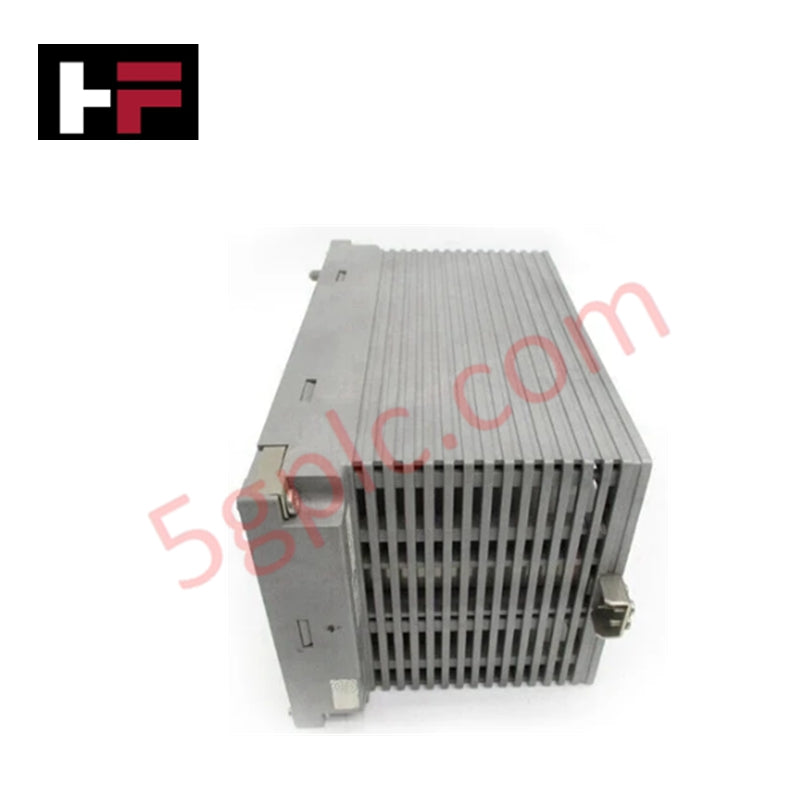
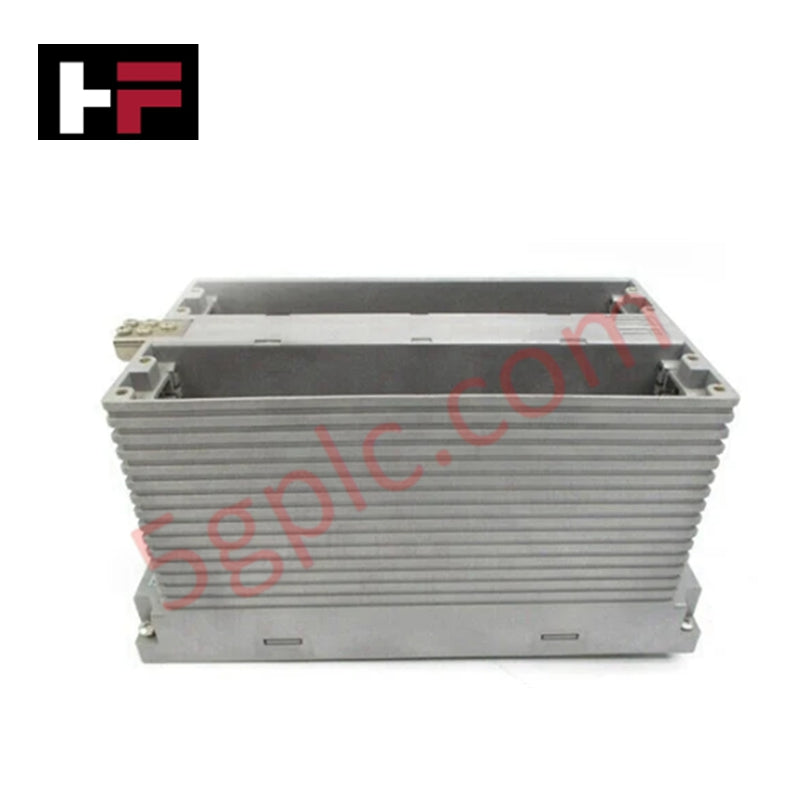
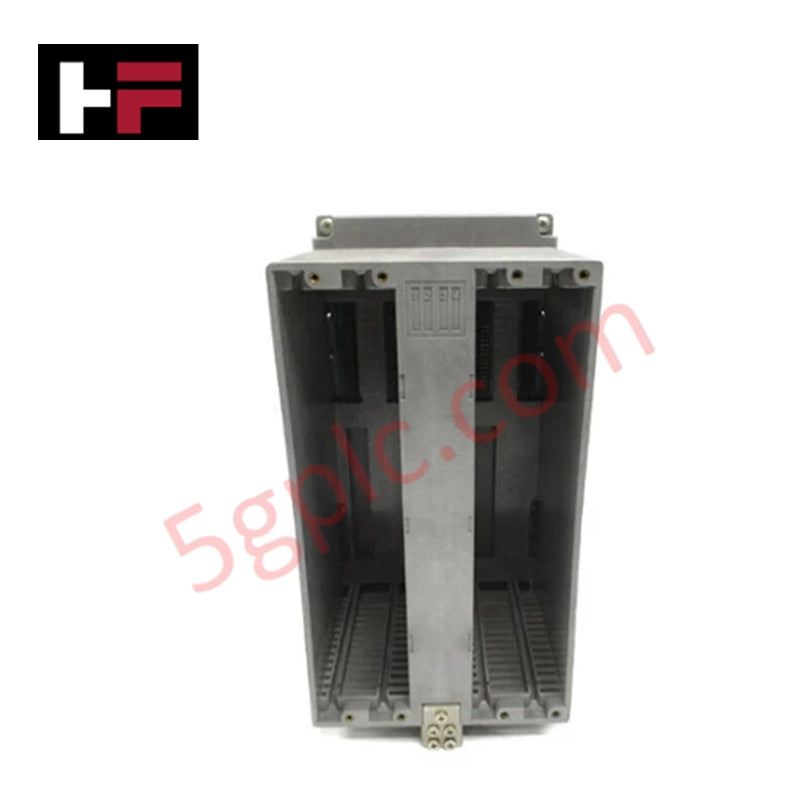
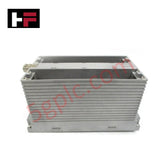
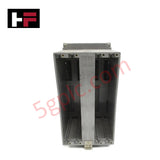
The YOKOGAWA AMN33 S2, also cataloged as the AMN33 Communication Nest Module, operates as a dedicated hardware component for signal routing and backplane communication interfacing within YOKOGAWA CENTUM DCS networks. The module serves as a structural and electrical nest for terminal I/O cards, distributing internal bus signals across the node assembly.
Hardware Specifications
| Parameter | Specification |
|---|---|
| Model | AMN33 S2 / AMN33-S2 |
| Brand | YOKOGAWA |
| Origin | Japan |
| Weight | 1.67 lbs (0.76 kg) |
| Module Category | Communication Module / Nest for Terminal I/O |
| System Compatibility | YOKOGAWA CENTUM DCS |
| Function | Terminal I/O Module Nest & Bus Interface |
Channel-to-Channel Isolation and Bus Telemetry
The AMN33 S2 communication nest establishes structural and electrical interconnections for terminal I/O cards while enforcing channel-to-channel isolation across input/output pathways. The internal backplane routes digitized process values and 4-20 mA HART loop protocol telemetry between field-side termination cards and central control processing units, isolating electrical noise and preventing ground loops between adjacent field channels.
Frequently Asked Questions
Q: What is the primary function of the AMN33 S2 communication module nest?
A: The AMN33 S2 serves as a mounting chassis and electrical backplane interface that houses terminal I/O modules and routes control communication within the DCS node assembly.
Q: How does the AMN33 S2 manage field signal isolation across installed I/O modules?
A: The nest backplane incorporates channel-to-channel isolation barriers to prevent cross-talk and block common-mode noise propagation between individual I/O channels.
Q: What physical system architecture does the AMN33 S2 integrate with?
A: The unit integrates directly into YOKOGAWA CENTUM distributed control system racks to connect terminal I/O cards to the main controller bus.
Field Installation Guidelines
Disconnect all main power sources before mounting or servicing the AMN33 S2 nest assembly. Maintain strict ESD handling measures, including grounded wrist straps, when installing or removing internal communication cards. Secure the chassis into the designated cabinet rack using standard mechanical hardware to ensure structural stability and continuous frame ground connection. Route field signal cables separately from high-voltage AC lines to minimize electromagnetic interference. Ensure all drain and shield wires are bonded to a single low-impedance grounding point inside the enclosure.
Additional Information
- 100% Genuine Parts: All products are original and authentic, ensuring reliable industrial performance.
- 30-Day Refund Guarantee: Return any in-stock item within 30 days in original, unopened packaging for a full refund (excluding shipping and fees).
- 12-Month Warranty: Covers defects in materials or workmanship; excludes misuse, normal wear, or unauthorized modifications.
- Worldwide Shipping: We ship via USPS, UPS, FedEx, and DHL. Delivery times vary by country and may be subject to customs or import fees.
- Support & Contact: Technical and warranty assistance is available anytime. Contact us here: Contact.
- Purchase Guidance: Check product specifications and compatibility carefully before ordering to ensure proper application.




Tech & Buying Guide

Top 5 Operational Advantages of HMIs in Modern Factory Automation

Importance of Safety Barriers in PLC and DCS Control Systems
