












Product Details
Module Overview
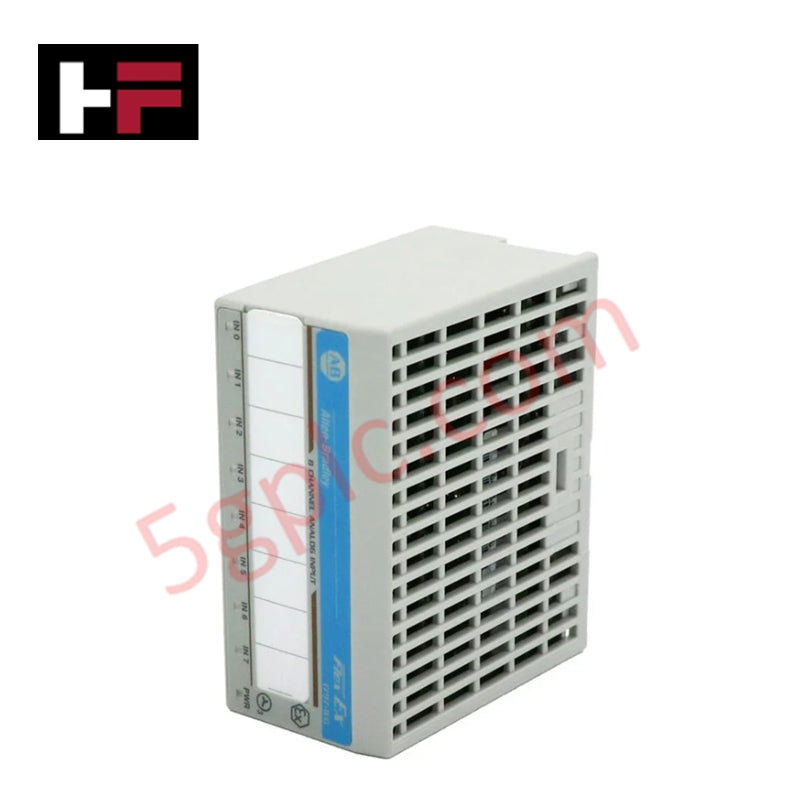
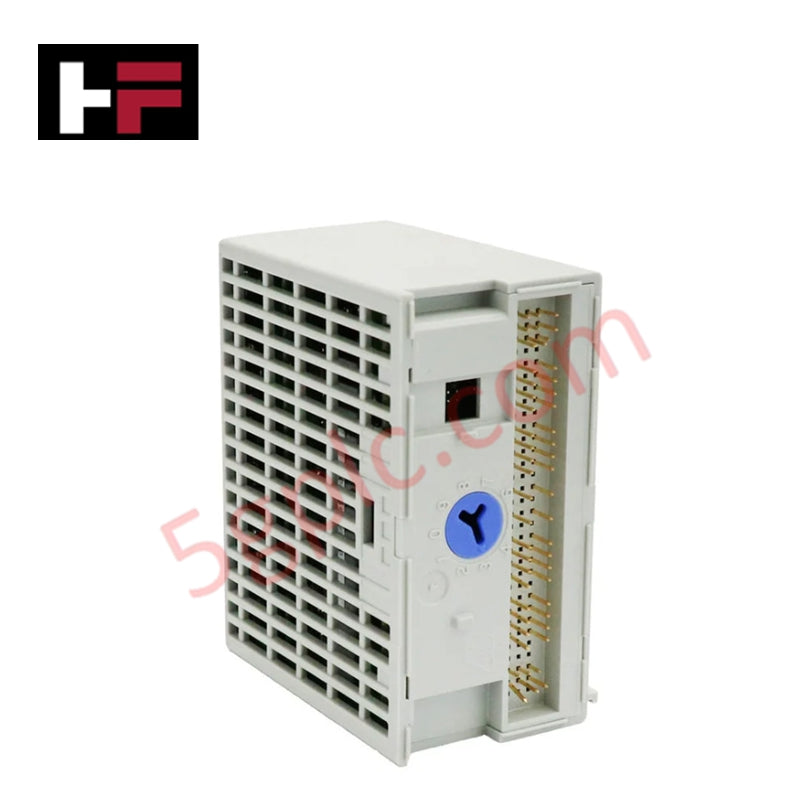
The 1797-IE8 is a high-precision, intrinsically safe (IS) analog input module within the Allen-Bradley FLEX Ex I/O family. It is specifically engineered to interface with field transmitters located in the most volatile hazardous areas, including Zone 1 and Zone 2 (Class I, II, III, Division 1). This module provides eight non-isolated analog inputs with 16-bit resolution, delivering the extreme granular accuracy required for process variables such as temperature, pressure, and flow. By integrating certified intrinsic safety barriers into the module itself, the 1797-IE8 allows for direct connection to IS-rated field devices without the need for external zener barriers or galvanic isolators.
Detailed Engineering Specifications
The 1797-IE8 is designed for the demanding environmental and electrical requirements of the chemical, oil, and gas industries.
-
Number of Inputs: 8 Channels (Non-isolated)
-
Input Signal Range: 4–20 mA or 0–20 mA
-
Resolution: 16-Bit
-
Intrinsic Safety Ratings:
-
Ex ia IIB/IIC T4 / AEx ia IIC T4
-
Class I, II, III, Division 1, Groups A–G T4
-
Module Field-Side Power Consumption: 7.5 Watts
-
Power Dissipation: 5.2 Watts
-
Thermal Dissipation: 17.7 BTU/hr
-
Indicators:
-
8 Red (Channel Fault/Wire-Off/Over-range)
-
1 Green (Module Power)
-
Conversion Rate: Approx. 8 ms (all channels)
-
Data Format: Engineering Units (4–20 mA = 4000–20000) or Percent of Full Scale
-
Operating Temperature: -20°C to 70°C (-4°F to 158°F)
-
Physical Weight: 0.85 lbs (0.39 kg)
Intrinsically Safe Architecture
The primary advantage of the 1797-IE8 is its "Associated Apparatus" status. It contains energy-limiting circuitry that prevents sparks or thermal effects capable of igniting an explosive atmosphere from reaching the hazardous area. This allows for live maintenance—including Removal and Insertion Under Power (RIUP)—in the hazardous zone, provided the installation follows the specific entity parameters and the FLEX Ex system design guidelines.
Advanced Diagnostics and Signal Integrity
The module is equipped with eight dedicated red fault indicators. These LEDs provide immediate visual feedback for field-side issues such as an open circuit (wire-off) or a transmitter signal falling outside the calibrated range. Because the 16-bit resolution divides the signal into 65,536 increments, the 1797-IE8 can detect even the slightest process fluctuations, which is essential for high-fidelity control loops and safety instrumented systems (SIS).
Installation and Mounting Requirements
To maintain its safety certification, the 1797-IE8 must be used with a 1797-series terminal base, such as the 1797-TB3 or 1797-TB3S. It must be powered by an approved FLEX Ex intrinsically safe power supply (1797-PS series). Proper separation between IS and non-IS wiring must be maintained within the control cabinet, typically utilizing a minimum 50mm (2-inch) air gap or a physical barrier as per local electrical codes.
Technical FAQ
Does this module support HART communication?
No. The 1797-IE8 is a standard high-resolution analog module. If your application requires HART digital data pass-through, the 1797-IE8H variant would be required.
Can I use this module to power a 2-wire transmitter?
Yes. The 1797-IE8 provides the necessary loop power for 2-wire transmitters through the terminal base, eliminating the need for an external power supply for the field instruments.
What happens if a single channel experiences a wire-off condition?
The module will immediately light the corresponding red LED and set a diagnostic bit in the PLC's input image table. The other seven channels will continue to operate normally without interference.
Additional Information
- 100% Genuine Parts: All products are original and authentic, ensuring reliable industrial performance.
- 30-Day Refund Guarantee: Return any in-stock item within 30 days in original, unopened packaging for a full refund (excluding shipping and fees).
- 12-Month Warranty: Covers defects in materials or workmanship; excludes misuse, normal wear, or unauthorized modifications.
- Worldwide Shipping: We ship via USPS, UPS, FedEx, and DHL. Delivery times vary by country and may be subject to customs or import fees.
- Support & Contact: Technical and warranty assistance is available anytime. Contact us here: Contact.
- Purchase Guidance: Check product specifications and compatibility carefully before ordering to ensure proper application.
Tech & Buying Guide

Static UPS vs. Rotary UPS: Technical Evaluation for Industrial Automation

Comprehensive Guide to Noise Types in Industrial Automation and Electronics

Mitigating Emergency Stop Spurious Trips in Industrial Control Systems
Emergency stop (E-Stop) pushbuttons serve as vital safety devices in factory automation and process control plants. Functional safety standards mandate normally-closed (NC) contact blocks to ensure fail-safe operation during wiring breaks or power outages. However, mechanical degradation over time can trigger unexpected spurious trips, halting production lines without an actual emergency. Understanding the underlying causes of mechanical contact failure allows automation engineers to implement robust, fault-tolerant safety circuits.