








Product Details
Product Overview
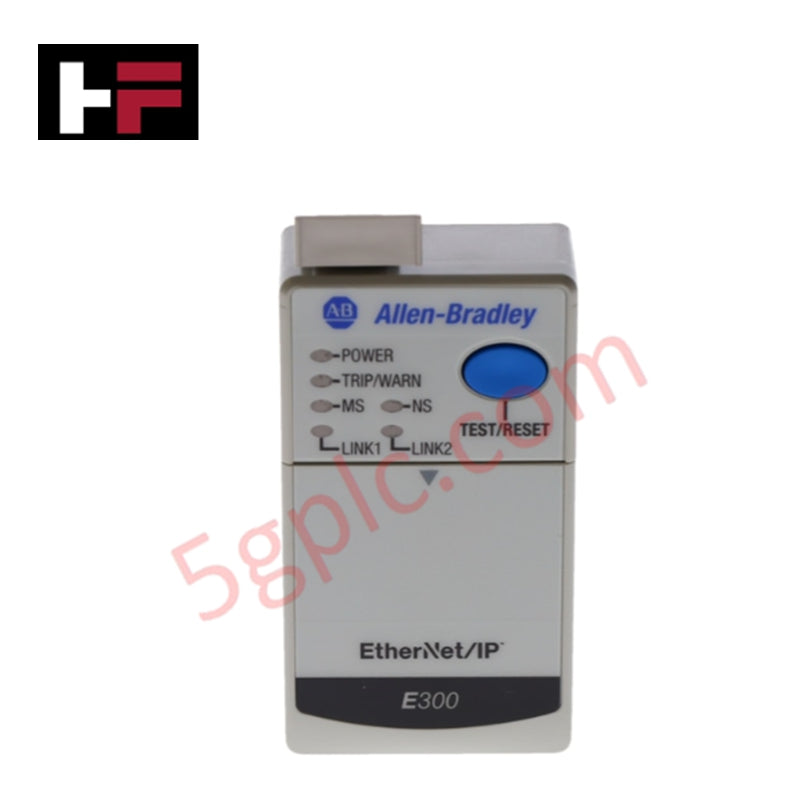
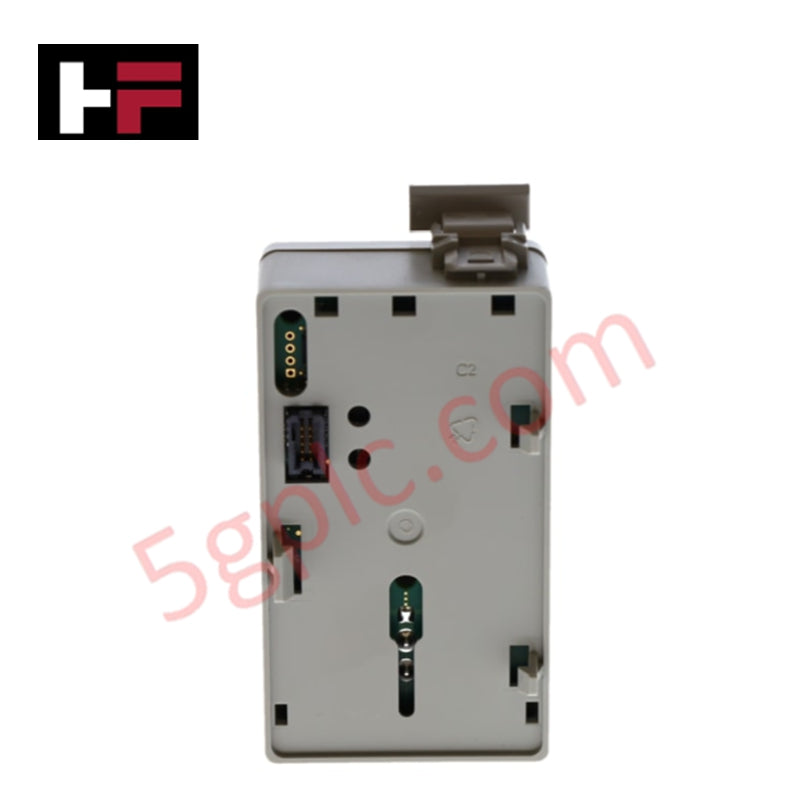
The Allen-Bradley 193-ECM-ETR serves as the digital backbone for the E300 Electronic Overload Relay system. This communication module enables seamless integration of motor protection data into the Logix control architecture via EtherNet/IP. It provides real-time access to diagnostic data, including current, voltage, and power parameters. We supply this unit as 100% Brand New and Original, ensuring your motor control center (MCC) benefits from the latest firmware revisions and factory-certified internal components.
Technical Specifications
| Feature | Specification Details |
| Part Number | 193-ECM-ETR |
| System Compatibility | E300 Electronic Overload Relay |
| Protocol | EtherNet/IP |
| Port Configuration | Dual-Port (Embedded Switch) |
| Network Topologies | Linear, Star, and Device Level Ring (DLR) |
| Standard Compliance | IEC |
| Weight | 0.15 lbs (0.07 kg) |
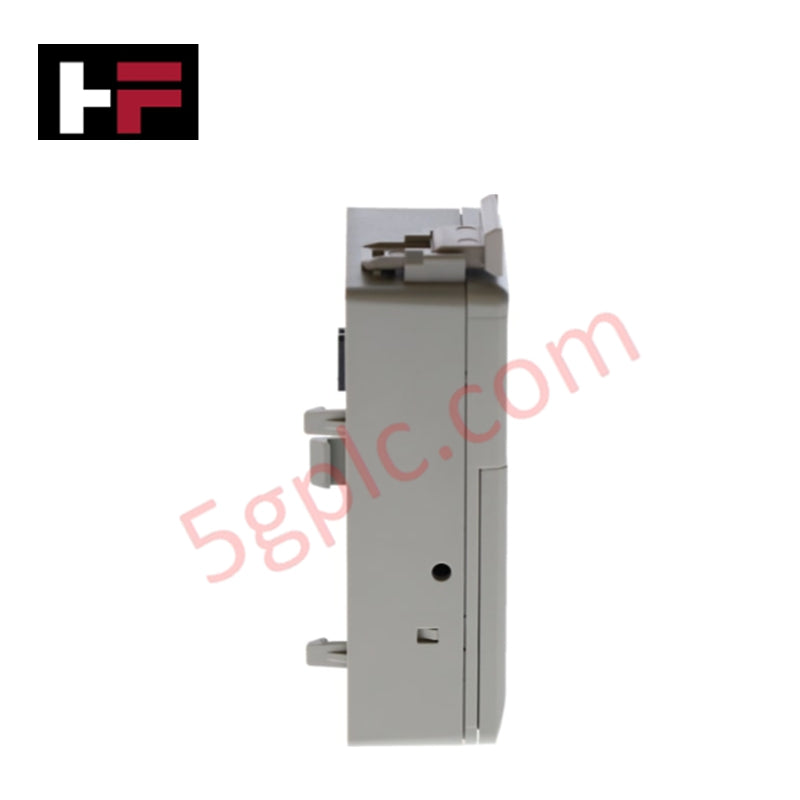
| Mounting | Snap-on to E300 Sensing/Control Modules |
Engineering Advantages
-
DLR (Device Level Ring) Resilience: The dual-port design supports DLR topology. This configuration maintains network connectivity even if a single point of failure occurs in the ring, preventing costly downtime.
-
Simplified Tooling and Commissioning: The module utilizes an embedded web server and Studio 5000 Add-On Profiles (AOP). These tools allow engineers to configure motor protection parameters remotely.
-
Integrated Ethernet Switching: The embedded switch functionality allows for "daisy-chaining" multiple E300 relays. This design reduces the total number of managed switch ports required in the control cabinet.
-
Granular Asset Monitoring: This module transmits high-speed diagnostic packets to the PLC. By monitoring specific motor health data, maintenance teams can implement predictive maintenance strategies.
FAQs
Q: Does the 193-ECM-ETR support Device Level Ring (DLR) for network redundancy?
A: Yes. The dual Ethernet ports allow you to integrate this module into a DLR network. This provides hardware-level redundancy; the network re-routes traffic automatically if a cable breaks, ensuring the motor relay remains online.
Q: Is this a Brand New original Allen-Bradley part or a surplus item?
A: We guarantee that every 193-ECM-ETR unit is 100% Brand New and arrives in original factory packaging. We do not sell used, refurbished, or "new surplus" items, ensuring your facility receives full manufacturer reliability.
Q: Can I replace an existing 193-ECM-ETR without reconfiguring the entire PLC system?
A: Yes, provided you match the firmware revision. The E300 system supports Automatic Device Configuration (ADC) when used with Logix controllers, which pushes existing settings to the new module automatically upon installation.
Q: What is the primary benefit of the Dual Port over a Single Port communication module?
A: The dual-port version eliminates the need for external Ethernet taps or additional switches. It facilitates a linear or ring topology, which saves significant cabinet space and reduces total hardware expenditure in high-density motor control centers.
Additional Information
- 100% Genuine Parts: All products are original and authentic, ensuring reliable industrial performance.
- 30-Day Refund Guarantee: Return any in-stock item within 30 days in original, unopened packaging for a full refund (excluding shipping and fees).
- 12-Month Warranty: Covers defects in materials or workmanship; excludes misuse, normal wear, or unauthorized modifications.
- Worldwide Shipping: We ship via USPS, UPS, FedEx, and DHL. Delivery times vary by country and may be subject to customs or import fees.
- Support & Contact: Technical and warranty assistance is available anytime. Contact us here: Contact.
- Purchase Guidance: Check product specifications and compatibility carefully before ordering to ensure proper application.
Tech & Buying Guide

Site Acceptance Testing (SAT) for PLC Control Systems: An Engineering Execution Guide
The Site Acceptance Test (SAT) represents the definitive handover stage in industrial automation projects. While the Factory Acceptance Test confirms cabinet hardware assembly off-site, the SAT validates real-world performance under live site conditions. Consequently, a structured execution strategy prevents equipment damage and guarantees seamless integration into plant operations.

Mastering the Factory Acceptance Test (FAT) for PLC Control Panels: An Expert Guide
The Factory Acceptance Test (FAT) is a vital milestone in industrial automation that ensures custom PLC panels meet exact design specifications before dispatch. This guide outlines the step-by-step FAT procedure and key industry best practices to prevent costly site delays and ensure long-term operational success.

Redundant Automation Systems: Ensuring Continuous Uptime in Critical Control Infrastructure
System reliability directly determines operational profitability across high stakes process industries. Modern industrial automation platforms must eliminate single points of failure to prevent catastrophic shutdowns. Deploying fault tolerant architecture safeguards complex facilities against unexpected hardware glitches, network disruptions, and maintenance outages.